REVIEW · VIENNA
Private Vienna Walking Tour with Private Local Guide
Book on Viator →Operated by Privately Guided Tours In Europe · Bookable on Viator
Vienna can feel huge until someone gives you the right walking line. This private tour helps you get your bearings fast while still stopping for real stories and photo moments. You’ll hit top landmarks like St. Stephen’s Cathedral and the Hofburg, then slow down for the squares and shopping streets that make Vienna feel distinctly Vienna.
I especially like the private, local-guide format for a short 2-hour window. And I like that you’re not just staring at buildings; your guide is positioned to connect what you see—Habsburg power, imperial spaces, and Mozart-linked spots—to the city around you.
One thing to consider: there are occasional red flags around consistency with this operator. In the past, people have reported a no-show and also mentioned issues around guide licensing and tour timing, so it’s worth confirming details before you head out.
In This Review
- Key highlights at a glance
- Starting in Mozart’s neighborhood: what to expect in the first 10 minutes
- St. Stephen’s Cathedral: the skyline anchor and your easy “Vienna orientation”
- Hofburg Palace courtyards: Habsburg power without the full museum commitment
- Heldenplatz: monuments, meaning, and why squares feel political
- Graben and Kohlmarkt: elegant streets that show Vienna’s everyday style
- Mozart Statue, then a line toward Vienna State Opera
- Finishing at Karlsplatz: turning the tour into your next steps
- Price and value: is $219.51 per person worth it?
- The guide factor: why one good guide can change everything
- Practical tips for getting the most from these stops
- Who this private Vienna walk suits best
- Should you book this private Vienna walking tour?
- FAQ
- How long is the private Vienna walking tour?
- Is this tour private or shared?
- Where does the tour start?
- Where does the tour end?
- What does the tour include for tickets?
- Do I need to purchase tickets separately?
- Do I get a mobile ticket?
- How much does the tour cost?
- Will I receive confirmation?
- Is it refundable if my plans change?
- Is the tour suitable for most travelers?
Key highlights at a glance
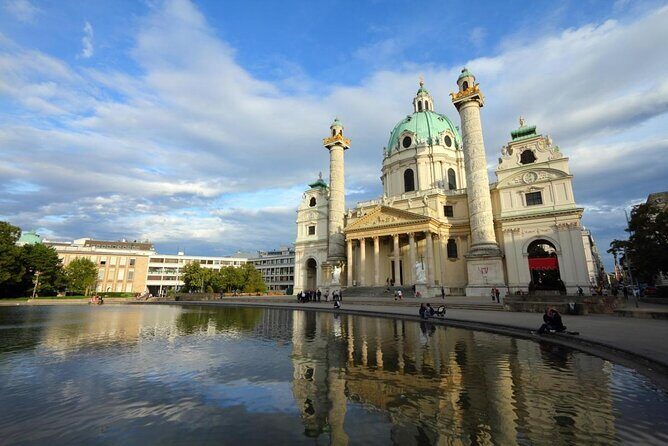
- St. Stephen’s Cathedral first stop for fast orientation in the city center
- Hofburg Palace and Habsburg context without rushing museum-style spaces
- Heldenplatz’s political monument vibe in a relaxed 30-minute stop
- Graben and Kohlmarkt stroll through elegant streets and luxury shopping architecture
- Mozart Statue + quick State Opera sightline to tie Vienna’s music to its streets
- Finish at Karlsplatz with practical next-step recommendations
Starting in Mozart’s neighborhood: what to expect in the first 10 minutes
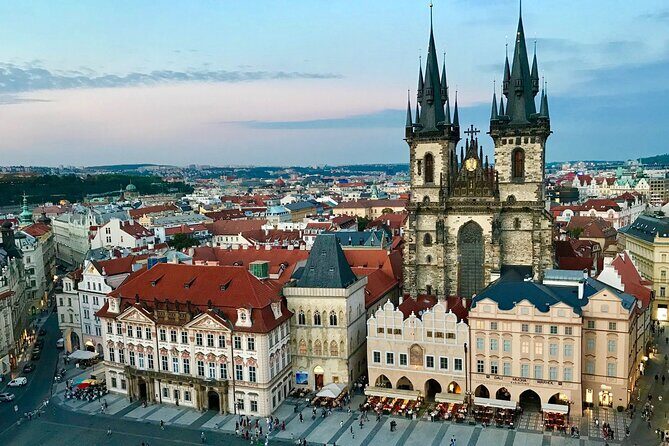
You meet at Mozarthaus, Domgasse 5, 1010 Wien, at the Wien Museum Mozart apartment location. That’s a smart choice because it places you near the historic core right away, and it also sets a tone: Vienna here isn’t just about one monument. It’s about how music, power, religion, and everyday streets all overlap in a small area.
Because this is a private tour with only your group, the guide can shape the pace to you. If you want more questions, you can ask them. If you’d rather photograph first and listen second, you can usually do that too.
The tour runs about 2 hours, which matters. In Vienna, a short, well-paced walk can outperform a longer plan that turns into a sprint.
You can also read our reviews of more walking tours in Vienna

St. Stephen’s Cathedral: the skyline anchor and your easy “Vienna orientation”
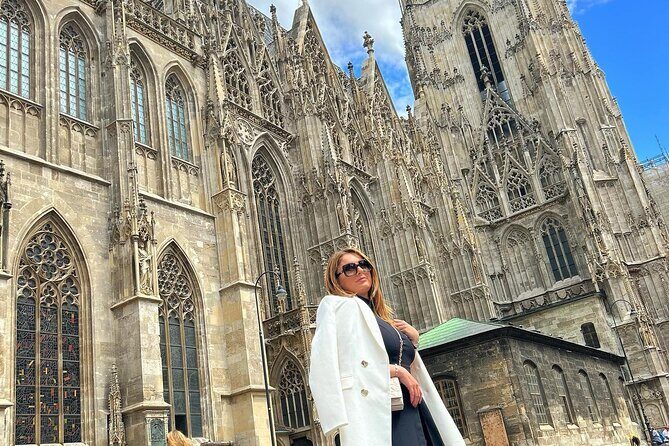
You begin at St. Stephen’s Cathedral, one of the city’s most recognizable landmarks. Your guide gives you a history and architecture overview, then you have time to look around before moving on. The stop is about 15 minutes, and the admission ticket is free for this part.
This is a good opener because the cathedral sits like a landmark at the center of the old-city map. Even if you don’t go inside right away, you can use it as a reference point for what comes next: imperial power nearby, political squares a short walk away, and the elegant streets where Vienna’s public life shows up.
Practical tip: wear comfortable shoes. Cathedral stone and cobbles look great in photos, but your feet will remind you after a while.
Hofburg Palace courtyards: Habsburg power without the full museum commitment
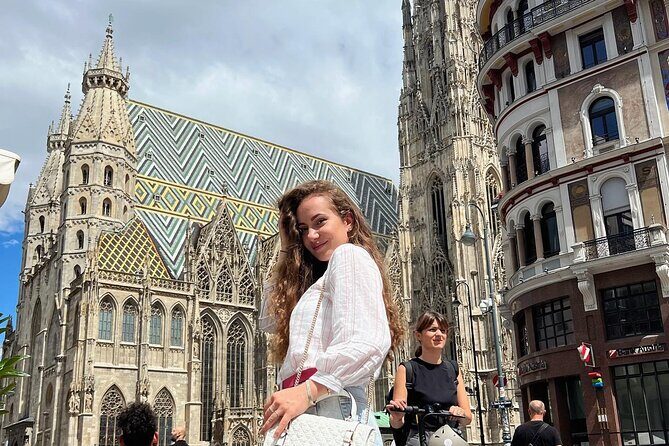
Next comes the Hofburg, the former imperial residence tied to the Habsburg dynasty. This stop also lasts about 15 minutes, and the admission ticket is not included. Your guide focuses on the grand courtyards and explains how the Austrian Empire shaped Vienna.
This is where a private guide pays off. The Hofburg area is enormous, and without context it’s easy to feel like you’re walking past a lot of “important buildings.” With a guide, you can learn what to pay attention to—how imperial space was designed for authority, ceremonies, and everyday display.
A consideration: because admission isn’t included for this stop, you should treat the time here as an outside-and-courtyard experience. If you want an interior museum deep-dive, you’ll likely want to add that on later with separate plans.
Heldenplatz: monuments, meaning, and why squares feel political
After the Hofburg, you walk to Heldenplatz, the historic square adjacent to the palace complex. This is a 30-minute stop, and the admission ticket is free.
Heldenplatz tends to change how you read the buildings around it. It’s one thing to admire architecture; it’s another to understand how political meaning concentrates in open space. With your guide, you’ll connect the square’s importance to what was happening in the empire’s public life—centuries of messages sent through stone, space, and placement.
If you like architectural storytelling, this stop is one of the most satisfying on the route because it’s not just pretty. It has a point.
Graben and Kohlmarkt: elegant streets that show Vienna’s everyday style
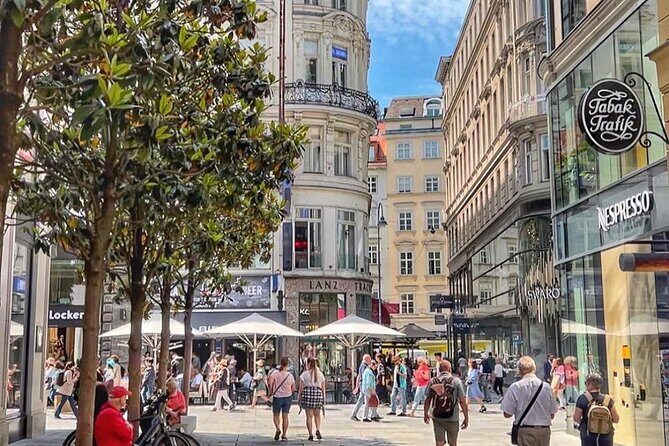
Then you shift to the shopping streets: Graben and Kohlmarkt. This segment is about 30 minutes, and admission ticket is included for this part.
Even if you aren’t shopping, you’ll get something out of this stretch. Vienna’s luxury streets are also architecture corridors. You can see how the city’s design supports strolling, window-shopping, and a kind of public confidence that doesn’t feel forced.
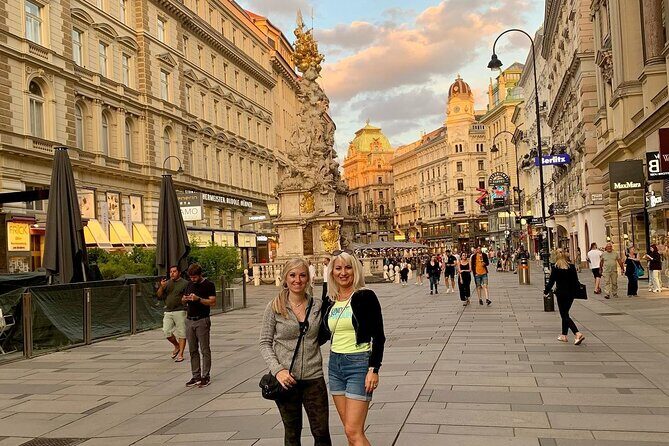
Graben is known for being one of the city’s more elegant streets, and Kohlmarkt is associated with high-end stores and jewelry. Your guide helps you read the street like a historical document—who these streets served, how the city’s image formed, and why certain facades look the way they do.
Small but real advantage: this is a relatively flexible part of the walk. If you want to pause for photos, check a storefront, or just slow down for a breath, it’s easier here than at a cathedral or a palace gate.
You can also read our reviews of more guided tours in Vienna


Mozart Statue, then a line toward Vienna State Opera
At about the 15-minute mark, you pass a Mozart Statue and head toward Vienna State Opera. The admission ticket is free for this stop, and your guide shares insights into Vienna’s musical history.
This is a great way to connect the city’s culture to street-level landmarks. Instead of treating music history like a classroom topic, you see how it’s anchored in public spaces—statues, residences linked to composer life, and the opera house as a symbol of Vienna’s artistic status.
If you love classical music, you’ll probably enjoy the mental timeline: where Mozart fits into Vienna, why opera matters to the city’s identity, and how these sites feel more meaningful when you know what to look for.
If you’re more of a “show me what to see” traveler, don’t worry. The guide’s role here is to point you toward the most memorable angles and context so the opera house doesn’t become just another grand building on your route.
Finishing at Karlsplatz: turning the tour into your next steps
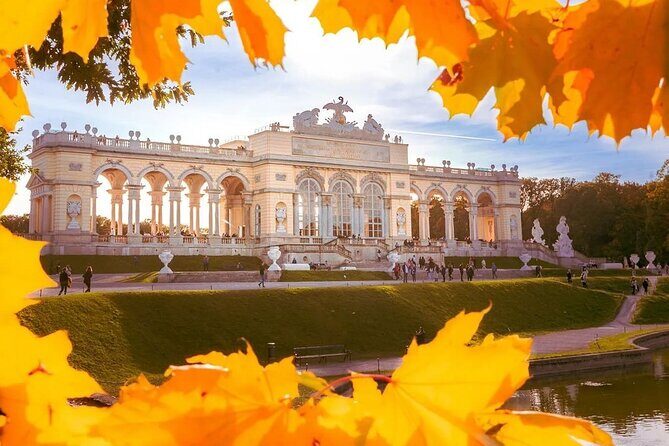
Your tour ends at Karlsplatz after another 15 minutes. Tickets for this stop are free, and your guide wraps up with recommendations for what to do next—restaurants, museums, and attractions nearby.
This ending matters because it helps you avoid the classic problem: you see a handful of highlights, you go home hungry for more, and then your day after the tour is guesswork. A good guide can point you to the most logical next moves based on what you liked during the walk.
Think of Karlsplatz as a launching pad. It’s close enough to continue easily, but it’s also a good “reset point” where you can decide whether you want something cultural, something local to eat, or something more relaxed.
Price and value: is $219.51 per person worth it?
At $219.51 per person for about 2 hours, the value isn’t about volume. You’re paying for focus: a guide working only with your group, a tight route that hits the most meaningful parts of central Vienna, and the ability to ask questions instead of just reading signs.
This kind of private tour tends to pay off when you fall into at least one of these categories:
- You’re on a tight schedule and want an efficient overview.
- You love stories that connect buildings to power, culture, and daily life.
- You’d rather spend time walking and learning than managing a self-guided plan.
- You’re traveling with someone who benefits from tailored explanations.
There’s also mention of group discounts and a mobile ticket, which are small practical wins if you’re coordinating with friends or family.
One reality check: this tour is short. If your main goal is major interior museums, plan to add those separately.
The guide factor: why one good guide can change everything
The experience depends heavily on the person holding the conversation. In past feedback, Nicoleta stood out for her extensive knowledge and obvious love for Vienna, including personal stories and even photography that helped scenes “click” into place.
On the flip side, there have been concerns raised around consistency—including a case where a guide’s licensing was questioned and where the time expectations didn’t match what people thought they booked. There was also a report of a no-show situation with unreachable contact attempts.
So here’s my practical advice: before your tour, take a minute to confirm the meeting details and your guide/operator contact path. You’ll feel better, and you’ll waste less time standing around if anything goes wrong.
Practical tips for getting the most from these stops
This is a walking-heavy loop through central Vienna, so a few basics make a difference:
- Bring a charged phone for the mobile ticket.
- Wear shoes that handle cobbles and standing time near major landmarks.
- Have your questions ready early. With only 2 hours, you’ll get more out of asking about what interests you—Habsburg politics, church architecture, or music connections.
- Use photo time strategically. The stops are time-boxed, so aim for a couple of key photos at each place instead of trying to capture everything.
Also, because this is a private tour, you can often shape the route pace slightly. If the cathedral or palace area is your priority, tell the guide. If you’re more focused on street architecture on Graben and Kohlmarkt, say so.
Who this private Vienna walk suits best
This tour is a strong match for:
- First-time visitors who want the main sights plus context.
- People who like architecture with explanations, not just sightseeing.
- Couples and small groups who value personal attention.
- Travelers who want a 2-hour introduction without committing to a long museum day.
It may be less ideal if:
- You want lots of interior museum time (the Hofburg specifically notes admission not included).
- You’re expecting a super flexible itinerary with major detours.
- You’re sensitive to scheduling confusion and want absolute certainty with no variability.
Should you book this private Vienna walking tour?
I’d book it if you want a tight, guided route that connects St. Stephen’s Cathedral, the Hofburg, Heldenplatz, and Vienna’s music landmarks into a coherent story. The private format makes the short duration feel efficient, and the stops hit the kinds of places that reward having context.
But I wouldn’t book it blindly. Given the past reports of no-show and concerns about guide licensing and timing consistency, spend a few minutes confirming the operational details before you leave for the day. If everything checks out, this can be a very enjoyable way to get oriented and leave Vienna knowing where the big themes show up on the street.
If you want, tell me your travel dates and whether you’re most into architecture, history, or music. I can help you decide if this 2-hour route fits your style and suggest what to add next.
FAQ
How long is the private Vienna walking tour?
It lasts about 2 hours.
Is this tour private or shared?
It’s a private tour/activity, so only your group participates.
Where does the tour start?
The start point is Wien Museum Mozart apartment (Mozarthaus), Domgasse 5, 1010 Wien, Austria.
Where does the tour end?
It ends in a different location. The exact end location isn’t specified in the details provided.
What does the tour include for tickets?
Some stops note admission ticket free, and at least one segment (Graben and Kohlmarkt) states admission ticket included. The Hofburg stop notes that admission is not included.
Do I need to purchase tickets separately?
For parts marked free and included, you won’t need separate admission ticket purchases based on the provided details. For the Hofburg, admission is not included.
Do I get a mobile ticket?
Yes, the experience includes a mobile ticket.
How much does the tour cost?
The price listed is $219.51 per person.
Will I receive confirmation?
You’ll receive confirmation at the time of booking.
Is it refundable if my plans change?
The experience is non-refundable and cannot be changed for any reason.
Is the tour suitable for most travelers?
The details say most travelers can participate.