REVIEW · VIENNA
Vienna: Strauss and Mozart Concert at Hofburg Palace
Book on GetYourGuide →Operated by Wiener Hofburg Orchester · Bookable on GetYourGuide
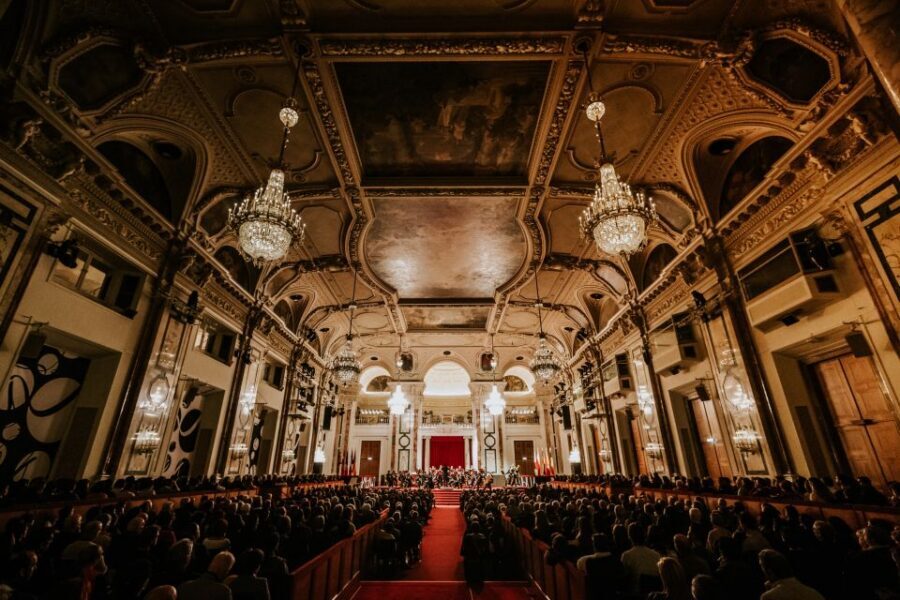
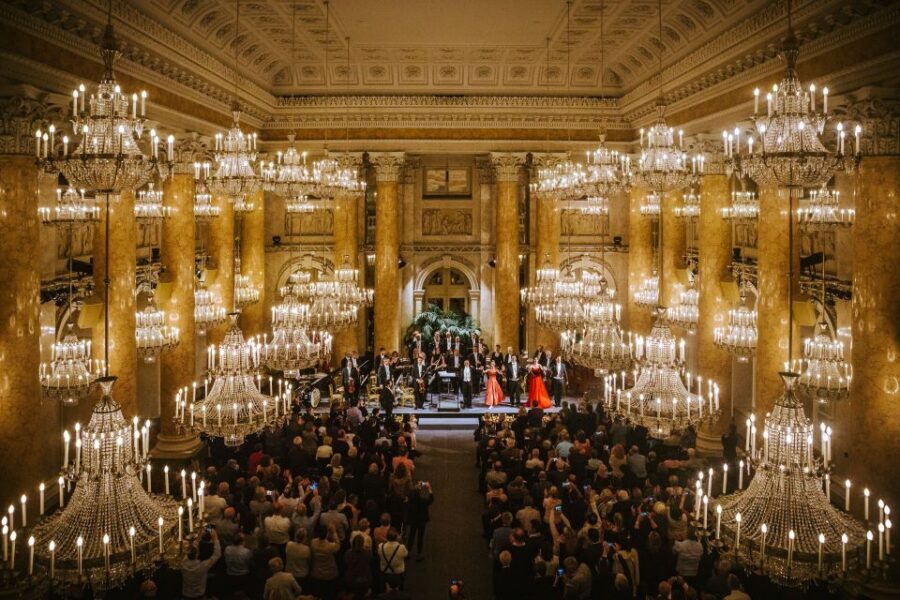
Hearing Vienna music in the right room changes everything. This Strauss and Mozart concert takes place in the magnificent Hofburg Palace halls, with a full evening of famous composers delivered by a big onstage cast. You get the sound of Vienna’s classical world—fast, polished, and easy to fit into a busy trip.
I especially like how the program mixes Mozart, the Strauss family, Kalman, and Lehar instead of sticking to one mood. And you can choose from different seating options, so you’re not stuck with a compromise view. One consideration: it’s a full concert ticket, and the show is subject to possible program changes, so plan to stay flexible.
In This Review
- Key points to know before you go
- Stepping into Hofburg: why the setting matters for your ears
- Finding your spot: seating options and a smooth pre-show moment
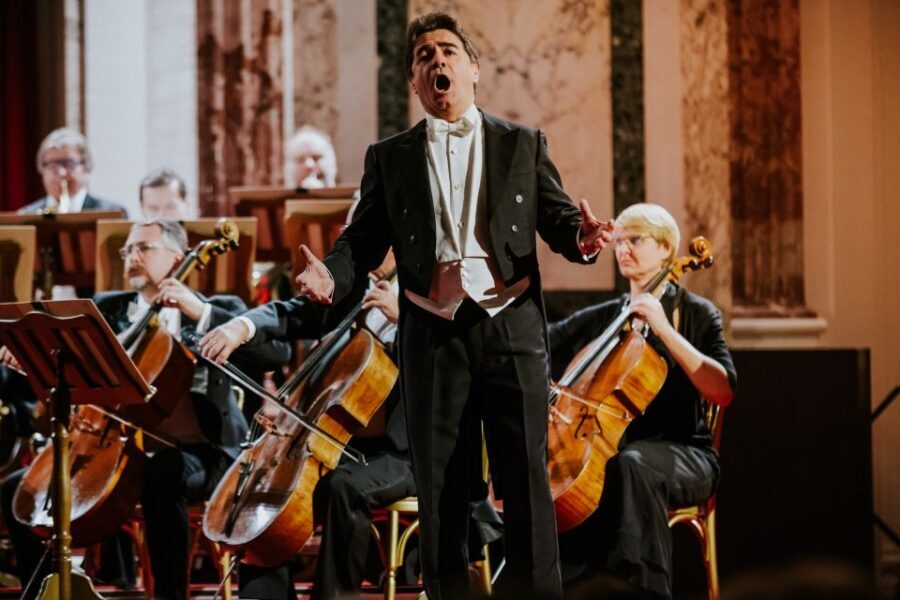
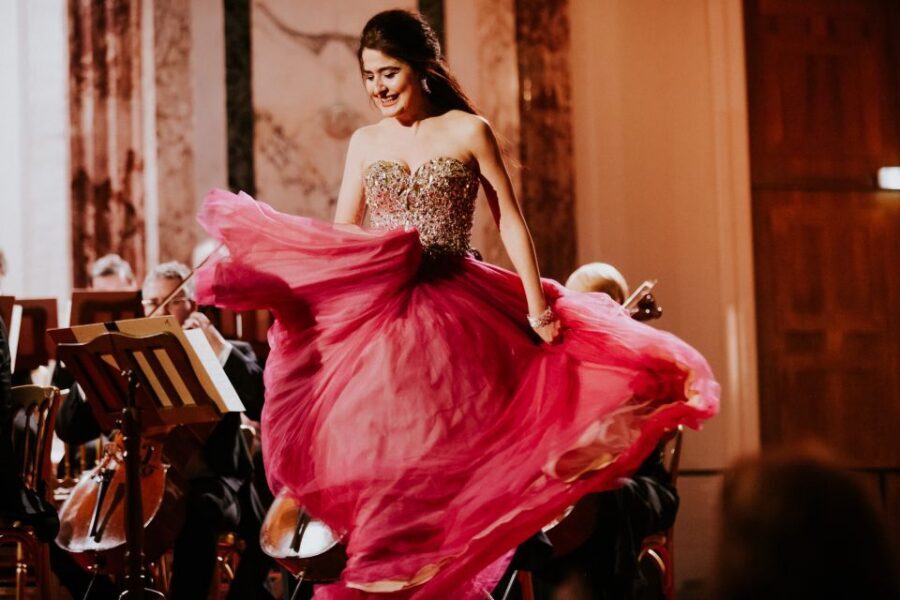
- Who performs: orchestra, opera singers, and ballet dancers in one show
- The 90-minute set list: Mozart and Strauss with operetta flavor
- Start with a big orchestral hook
- Mozart shows up in recognizable, singable moments
- Josef and Johann Strauss: waltzes and polkas doing their job
- Kalman and Lehar add the operetta sparkle
- The stage flavor: musical jokes and Viennese performance traditions
- The language side: English or German, without fuss
- Price and value: does $106 make sense for 90 minutes?
- Best match: who should book this concert?
- Quick decision: should you book?
- FAQ
- How long is the concert?
- Where is the meeting point?
- What is included in the price?
- What is not included?
- What does the concert feature?
- How many performers should I expect?
- Are there seating options?
- What languages are supported?
- Is the venue wheelchair accessible?
- Are alcohol or drugs allowed?
Key points to know before you go
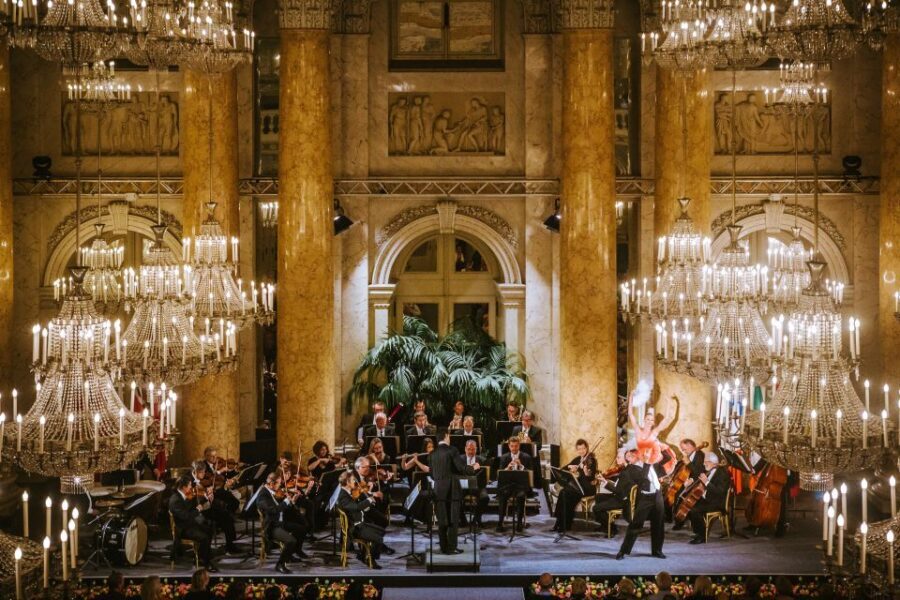
- Hofburg Palace halls: a truly grand setting for orchestral and operetta-style favorites
- Up to 40 performers: orchestra plus opera singers and ballet dancers
- A composer mix that stays fun: Mozart, Johann/Josef Strauss, Emmerich Kalman, and Franz Lehár
- Viennese tradition energy: musical jokes and stage style linked to classic Viennese performance habits
- Seating choices: pick what suits your comfort and sightline needs
Stepping into Hofburg: why the setting matters for your ears
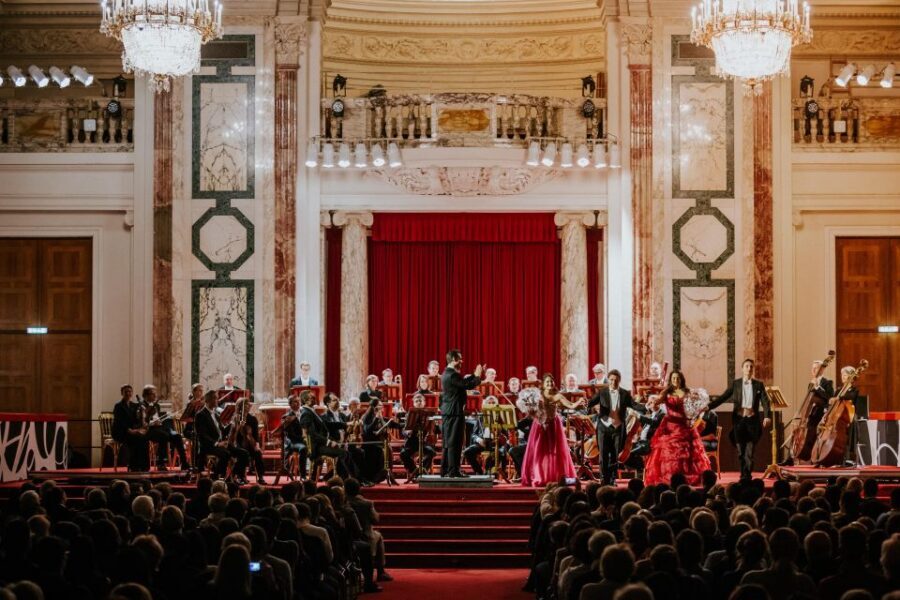
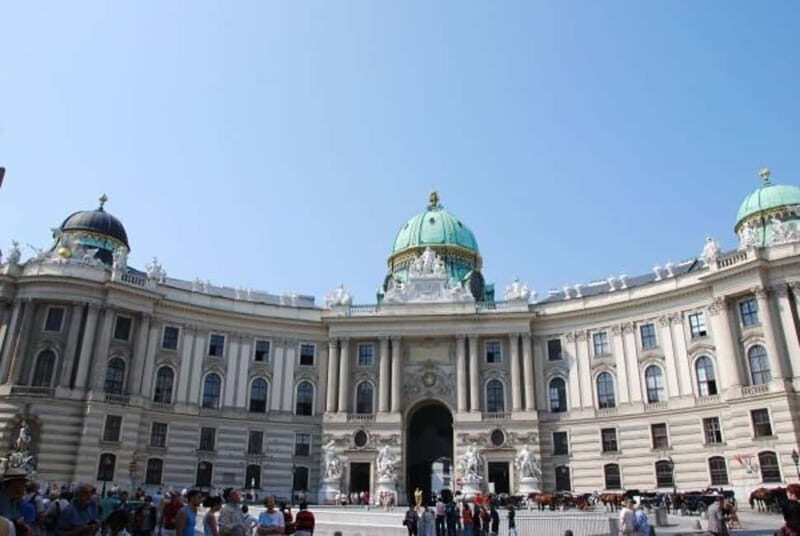
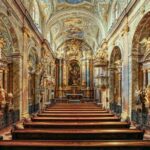
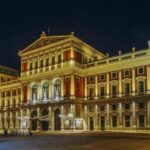
This concert doesn’t start with a street-level venue vibe. You enter the Vienna Hofburg through the main entrance on Heldenplatz, right next to the Austrian National Library area. In other words, you’re walking into a place that already feels important before the music even begins.
That matters because a palace hall changes how you experience live sound. The Hofburg setting helps keep the atmosphere formal without making the evening feel distant. It’s the kind of room where a waltz lands with weight and an overture feels like it’s telling you something.
You can also read our reviews of more tours and experiences in Vienna
Finding your spot: seating options and a smooth pre-show moment
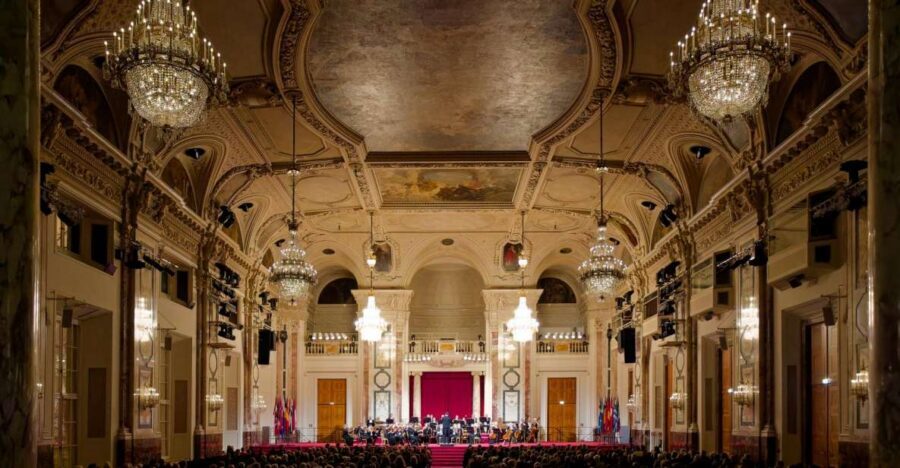
The big practical win here is that you can choose among a range of seating options. That’s not just a comfort perk. It affects how the show feels—especially when you have not only an orchestra, but also opera singers and ballet dancers.
Since there’s no cloakroom included, I’d plan to travel light for your seat. If you’re bringing a jacket for late-evening Vienna, consider wearing it until you see what you can comfortably store where you’re seated.
Who performs: orchestra, opera singers, and ballet dancers in one show
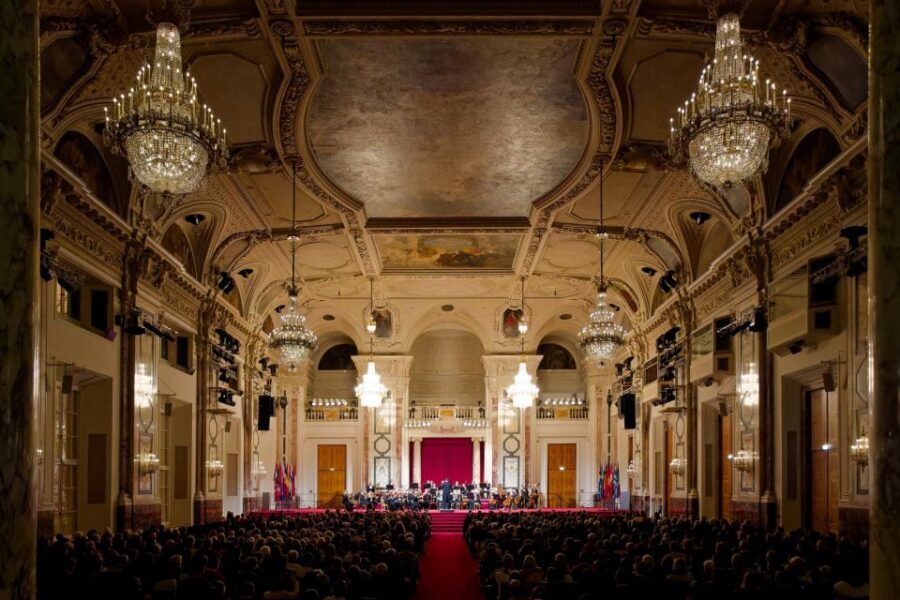
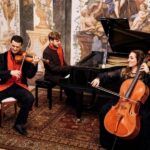
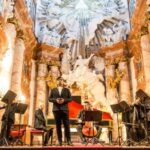
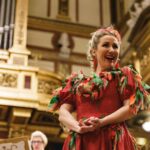
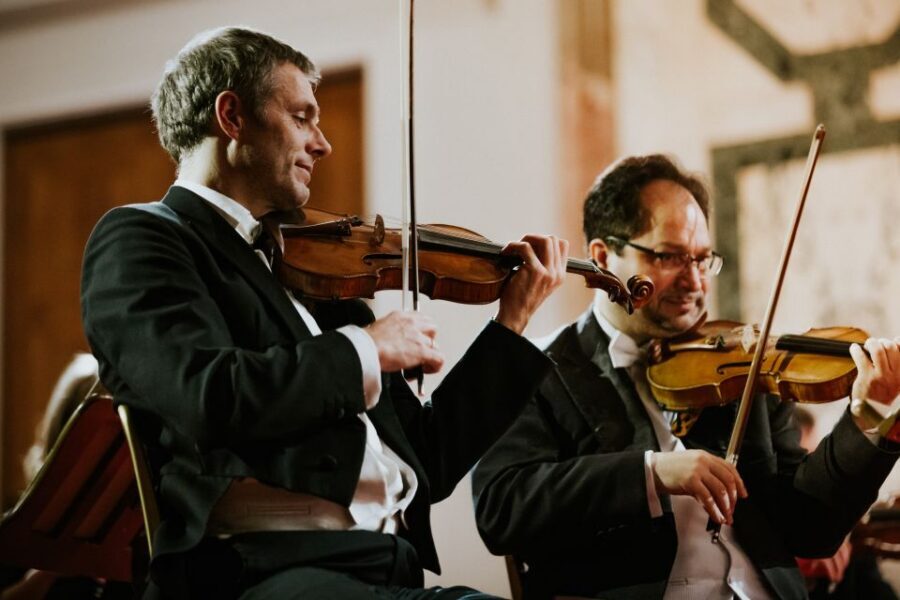
You’re not just watching a small chamber group. This is built around a large ensemble—up to 40 musicians—plus opera singers and ballet dancers associated with Vienna’s opera houses.
That combination is why the program works so well. Orchestra pieces feel full and present, while the duets and vocal numbers get the kind of clarity you want from trained singers. And when dancers are onstage, it turns what could be a purely listening experience into something visually tied to the music’s rhythm—waltzes for drifting motion, polkas for sharper energy.
If you’ve ever loved Vienna operetta but found opera tickets too long or too heavy, this format is a nice middle road: still classical, still high craft, but more immediately entertaining.
The 90-minute set list: Mozart and Strauss with operetta flavor
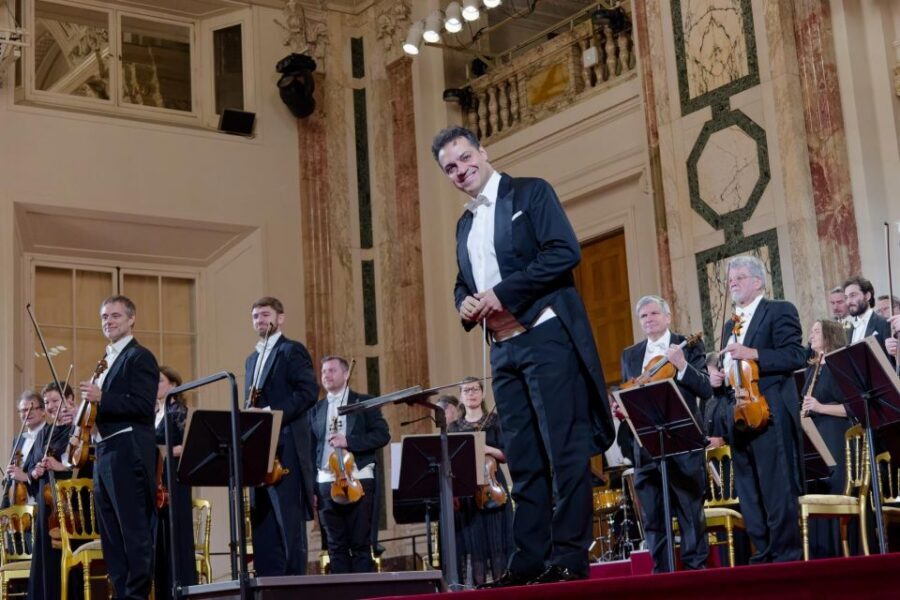
The concert is 90 minutes, which is ideal if you want a real performance night without committing to a late, sprawling evening. In that time, the program cycles through well-known works that many people associate with Vienna—especially Strauss.
Here’s what you’ll hear, based on the listed program highlights:
Start with a big orchestral hook
- Johann Strauss: Die Fledermaus – Overture
This is a classic kind of opener. Overtures set the tone quickly, and they also act like a musical briefing: bright rhythms first, then the show settles into the recognizable Viennese language of the evening.

Mozart shows up in recognizable, singable moments
- W.A. Mozart: Nun vergiß‘ leises Flehn (from Hochzeit der Figaro)
- Mozart: Ein Mädchen oder Weibchen (from Die Zauberflöte) – Duet
- Mozart: Papageno – Papagena (from Die Zauberflöte) – Duet
You get Mozart’s charm in a way that doesn’t require you to already know every reference. Duets especially help you follow along, because the voices create instant structure even if you’re not studying the libretto.
Josef and Johann Strauss: waltzes and polkas doing their job
- Josef Strauss: Ohne Sorgen – Polka
- Johann Strauss: Rosen aus dem Süden – Waltz
- Johann Strauss: Im Krapfenwaldl – Polka
- Johann Strauss: Eljen à Magyar – Polka
- Johann Strauss: Wiener Blut – Duet
- Johann Strauss: Vergnügungszug – Polka
- Johann Strauss: Brüderlein — Schwesterlein (from Die Fledermaus)
- Johann Strauss: An der schönen blauen Donau – Waltz
What I like about stacking Strauss numbers like this is how clearly you can feel the differences. Polkas have a sharper forward push. Waltzes slow your step and make the hall seem wider. Even the Wiener Blut duet breaks up the pattern, giving singers a moment that’s both musical and theatrical.
If you’re trying to “get” Vienna music fast, this is a strong way to do it.
Kalman and Lehar add the operetta sparkle
- Emmerich Kalman: Heia, heia in den Bergen (from Die Csárdasfürstin)
- Franz Léhàr: Dein ist mein ganzes Herz (from Land des Lächelns)
- Josef Strauss: Feuerfest – Polka française
Kalman and Lehar bring that operetta feeling many people travel for: melody plus drama, romance plus punch. Even if you don’t know the works by name, the styles are designed to be instantly graspable and emotionally clear.
The stage flavor: musical jokes and Viennese performance traditions
This concert isn’t only about presenting notes correctly. It includes musical jokes and performance traditions tied to Viennese stage habits, in the spirit of Johann Strauss himself.
That’s a big deal for your enjoyment. It prevents the evening from turning into a museum-like experience. Instead, it feels like Vienna showing you how it entertains: you’re not just hearing music. You’re also watching people play with the rhythm of the room.
If you like classical music but sometimes find it too formal or too solemn, this kind of light stage touch can make the whole evening feel friendlier without lowering the quality.
The language side: English or German, without fuss
The host or greeter is available in English and German. That’s useful because it helps you settle quickly before the performance, especially if you’re arriving with questions about where to go or how the seating works.
Since the program can also change, having a language support presence is comforting. You can adjust expectations on the fly instead of worrying you missed key details.
Price and value: does $106 make sense for 90 minutes?
At $106 per person for a 90-minute concert, the value comes from what you get bundled into one ticket:
- a major palace setting at Hofburg
- up to 40 musicians
- opera singers plus ballet dancers
- a program that covers Mozart, the Strauss family, Kalman, and Lehar
In other words, you’re paying for scale and production, not just “a classical concert.” If you’ve priced out opera tickets or longer formal performances, this can feel like the practical way to experience Vienna at a high level without locking your schedule for half a night.
One small caution: there’s no cloakroom included. If you’re traveling with lots of gear, that can be the difference between a relaxed evening and a slightly annoying one.
Best match: who should book this concert?
This is a great fit if you want:
- a compact, high-quality night (just 90 minutes)
- a clear “greatest hits” style program across Vienna’s most famous composers
- a show with real stage energy, not just seated listening
It may be less ideal if you prefer strictly academic, lecture-like concerts with no stage humor and no operetta performance flair. This is performance-forward Vienna, the kind meant to entertain as much as to impress.
Quick decision: should you book?
If your ideal Vienna evening sounds like: grand halls, big melodies, singers, and dancers in one tight timeframe, then yes, I’d book it. The combination of Hofburg plus a multi-composer program plus a large cast is exactly the kind of value that makes a city feel alive rather than just historic.
If you’re unsure, use this simple filter: do you want a fast, polished taste of Viennese classics? Then this works. If you want something more niche or more slow-and-serious, you might want to look for a different style of classical concert.
FAQ
How long is the concert?
The concert lasts 90 minutes.
Where is the meeting point?
Enter via the main entrance of the Vienna Hofburg, located on Heldenplatz next to the Austrian National Library.
What is included in the price?
Concert tickets are included.
What is not included?
A cloakroom is not included.
What does the concert feature?
It includes music by Mozart, the Strauss family, Kalman, and Lehar, with an orchestra and performances by opera singers and ballet dancers.
How many performers should I expect?
The performance includes up to 40 musicians, along with opera singers and ballet dancers.
Are there seating options?
Yes. You can pick from a range of seating options, based on the category and seating plan shown in the product pictures.
What languages are supported?
The host or greeter is available in English and German.
Is the venue wheelchair accessible?
Yes, it is wheelchair accessible.
Are alcohol or drugs allowed?
No. Alcohol and drugs are not allowed.