REVIEW · VIENNA
Vienna: Mozart, Beethoven, & Strauss Private Tour
Book on GetYourGuide →Operated by Rosotravel Austria · Bookable on GetYourGuide
Vienna turns into a music lesson when you walk it with the right guide. This private tour strings together the names you know with the places you can actually see, from St Stephen’s Cathedral to the House of Music. I love how it connects big composer milestones to specific buildings, and I also like that you get real, hands-on time at the House of Music instead of only standing and listening.
You’ll see Vienna’s classic Old Town sights, but the route is built around music history: Mozart’s marriage story near St Stephen’s, Beethoven’s Vienna connections, Strauss premieres at key theatres, and more. For me, the best part is the pacing. It’s a walking tour, so you get to move through the city, not just sit through a lecture.
One thing to think about: you’re walking a fair bit in central Vienna, and in the optional concert add-on the program can vary by venue and availability. If you’re the type who needs guarantees down to the exact piece performed, this may feel a little less predictable.
In This Review
- Key Highlights at a Glance
- Vienna’s Old Town, Explained Through Music
- Meeting at Hotel Royal and What a Private Tour Means for You
- St Stephen’s Cathedral Area: Mozart’s Marriage Starting Point
- Theatermuseum and Beethoven’s Eroica: A Premiere in Vienna
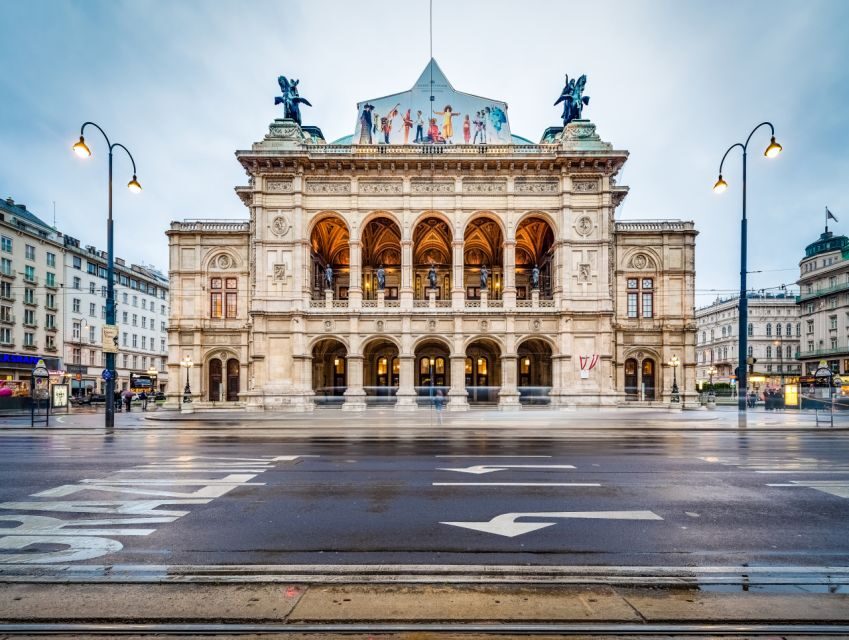
- Vienna State Opera and Theater an der Wien: Where Strauss Premiered
- Wiener Musikverein and Stadtpark: Seeing Strauss, Beethoven, and Schubert in One Place
- House of Music: Interactive Sound Instead of Static Facts
- Optional 5.5-Hour Concert Add-On: Mozart, Beethoven, Strauss, or Schubert in a Major Venue
- Price and Value: What $334 Gets You (and When It’s Worth It)
- Who Should Book This Tour
- Tips to Get More Out of Your Vienna Music Day
- Should You Book This Vienna Mozart, Beethoven, and Strauss Tour?
- FAQ
- Where does the tour meet?
- How long is the tour?
- Is this a private tour?
- Do I get tickets to the House of Music?
- Is a classical concert included?
- Will the guide attend the concert with us?
- What languages are available for the guide?
- Is the tour wheelchair accessible?
Key Highlights at a Glance
- Old Town route with composer landmarks tied to real venues and premiere stories
- St Stephen’s Cathedral area, starting near where Mozart married Constanze
- Theatermuseum stop linked to Beethoven and his Symphony No. 3, the Eroica
- Strauss theatre connections, including the Vienna State Opera and Theater an der Wien
- Wiener Musikverein and Stadtpark with the golden Strauss monument plus Beethoven and Schubert statues
- House of Music interactive exhibits including Virtual Conductor and composing your own waltz
Vienna’s Old Town, Explained Through Music
Vienna is famous for classical music for a reason. The city doesn’t treat composers like museum-only names. Instead, it folds them into streets, theatres, parks, and grand halls you can reach on foot. On this tour, that idea becomes the whole plan: you follow the musical careers of Mozart, Beethoven, Strauss, and Schubert through places that still carry their atmosphere.
You’re not just learning dates. You’re learning why these musicians mattered in Vienna specifically. That matters because Vienna’s “music city” reputation isn’t random. It grew from patronage, public performance culture, and major venues that were tied to careers. When you see those venues in the right order, you start to understand how a composer’s reputation could rise fast in this kind of environment.
You’ll also notice a practical benefit. It’s easier to remember what you learn when you can point at a location and say, this is where that story happened or where that work was introduced.
You can also read our reviews of more private tours in Vienna


Meeting at Hotel Royal and What a Private Tour Means for You
The tour meets in front of Hotel Royal, Singerstraße 3, 1010 Wien. Don’t go inside the hotel. It’s just a meeting spot, so you’ll want to arrive a few minutes early, especially if you’re matching your arrival time to a train or airport transfer.
Because it’s a private group, you should expect a more personal experience than a large, fixed group tour. That usually means your guide can adapt the pace to your interests in music history. The tour also runs with a dedicated music history expert guide, and the language options are broad, including English, French, German, Italian, Spanish, Russian, Chinese, Japanese, Portuguese, Croatian, and Arabic.
Wheelchair accessibility is listed, which is a good sign for route planning in a city that can be uneven. Still, this is described as a private walking tour, so you should plan for pavement and some time on your feet.
If you’re the kind of traveler who likes to ask questions mid-walk, this format is a win. If you hate stopping often, you may want to set your own boundaries early with your guide: you can appreciate stories without wanting long pauses.
St Stephen’s Cathedral Area: Mozart’s Marriage Starting Point
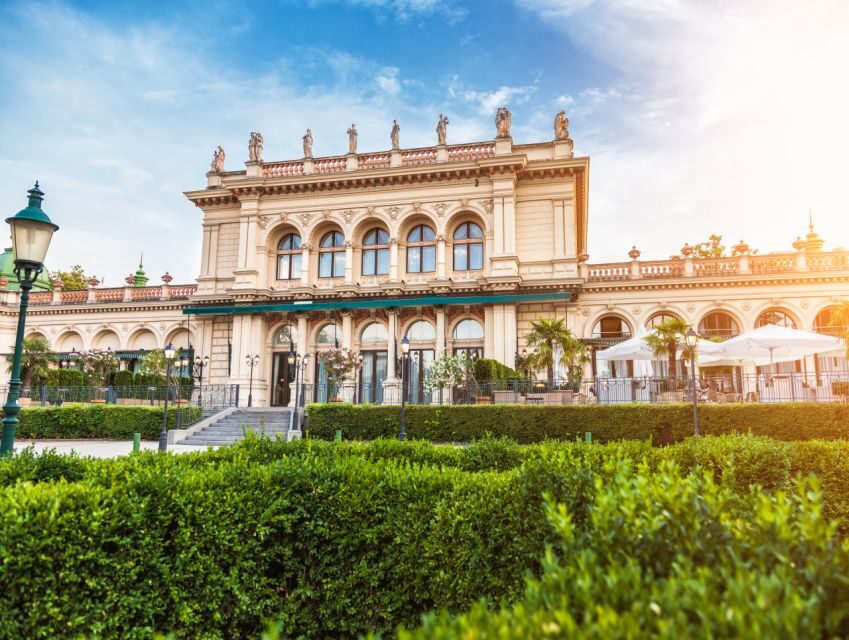
The tour begins near St Stephen’s Cathedral, which is a fitting start for a music-focused day in Vienna. The highlight here is the connection to Mozart’s marriage to Constanze. That one detail gives your walk a “Vienna origin story” feeling right away.
From a value perspective, starting at a central landmark like this helps you with orientation. Vienna can be confusing the first time you visit, but this makes it simpler. You’re anchored in a major place, and then you follow the guide toward other music-related stops.
Also, it sets the tone for how the tour works. You’re going to hear why Vienna mattered for each composer, not just where they performed. The cathedral area gives you a meaningful beginning before the tour shifts into theatres, opera venues, and concert halls.
Theatermuseum and Beethoven’s Eroica: A Premiere in Vienna
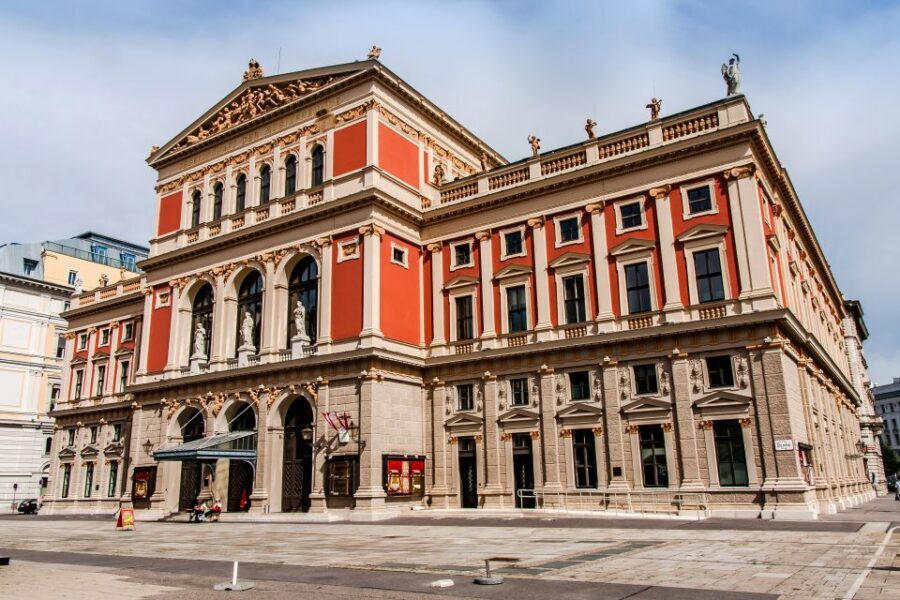
One of the most specific and fun stops is the Theatermuseum. This is where the tour ties in Beethoven’s private Viennese premiere of his Symphony No. 3, Eroica. Even if you only know the title in passing, this kind of story changes the music from abstract to real.
Here’s why this works for you: the Eroica is often treated as a “major work” in a list of Beethoven milestones. But linking it to a specific Viennese premiere gives it context. You start to think about Vienna not as a postcard city, but as a place where important artistic moments were organized, presented, and received.
Practical note: theatres and museum areas can sometimes be busier than open streets, so keep an eye on your timing. If your tour start is late in the day, you might want to mentally prep for crowds around central museums.
Vienna State Opera and Theater an der Wien: Where Strauss Premiered
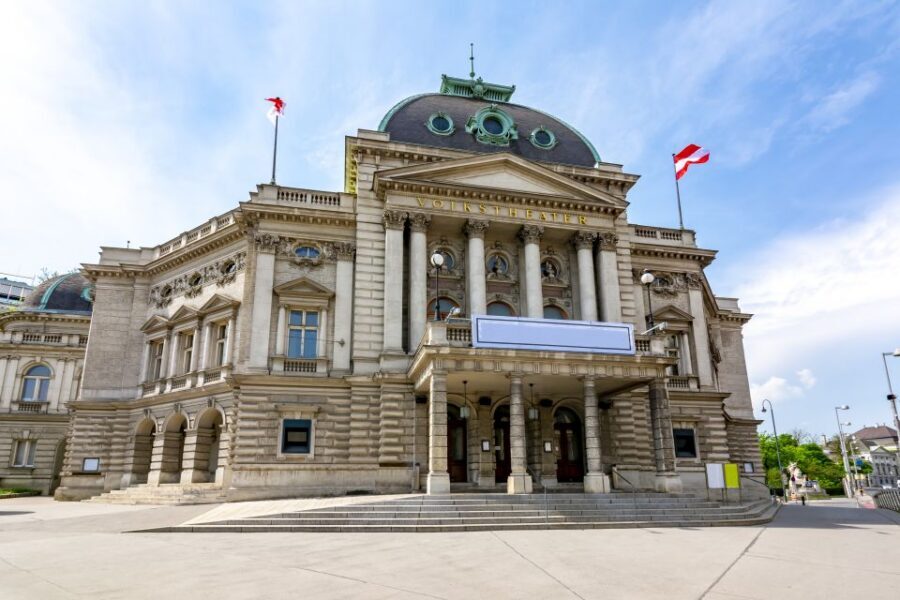
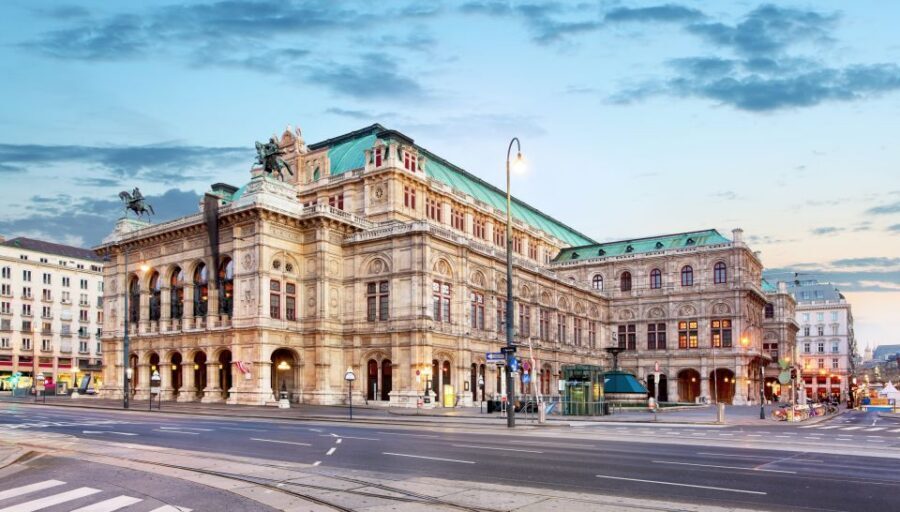
Next, you’ll move into Vienna’s theatre world, which is where Strauss’s career energy really fits. The tour includes two big-name venues: the Vienna State Opera and Theater an der Wien. The important music-history angle here is that nearly all Strauss’s operettas had their premieres at Theater an der Wien.
This is one of those details that instantly makes your later listening make more sense. Operettas weren’t just “songs.” They were staged events that depended on the right house, the right timing, and the right audience culture. When you see the buildings connected to those premieres, Strauss’s Vienna story becomes clearer.
It also helps you understand the difference between “classical concerts” and “Vienna as a performance machine.” Vienna’s music scene covered everything from symphonies to opera to operetta, and these venues show that range.
If you’re a fan of stage productions, you’ll probably enjoy this section the most. If you’re more into orchestral music, treat it as a context-builder: it shows the ecosystem that made the city’s musical reputation grow.



Wiener Musikverein and Stadtpark: Seeing Strauss, Beethoven, and Schubert in One Place
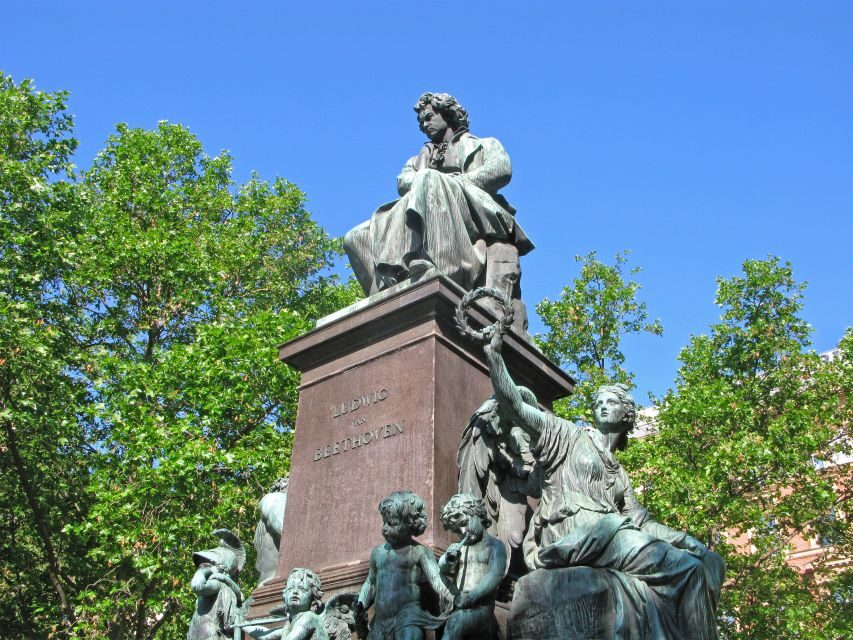
After the theatre stops, the tour shifts to a more open-sky, monument-friendly pace with two highlights: Wiener Musikverein and Stadtpark.
Wiener Musikverein is described as home of the Vienna Philharmonic orchestra. Even from the outside, it carries serious “big concert hall” energy. The value here isn’t only architecture; it’s the way the guide uses the location to connect Vienna’s reputation for performance with the organizations that represent it.
Then you get a fun landmark trio in Stadtpark:
- a golden monument to Strauss
- statues of Beethoven
- and Schubert
Seeing multiple composer figures in one place is a smart way to cement names and associations. It’s also a good break in the walking rhythm. Parks give you space to regroup, take photos, and let the music stories “settle.”
One consideration: if you visit when it’s very hot or very cold, Stadtpark can feel long after you’ve already walked for a while. I’d plan a bottle of water and choose comfortable shoes. You’ll appreciate it more than you think you will.
House of Music: Interactive Sound Instead of Static Facts
The final stop for the 4-hour option is the House of Music, with skip-the-line tickets included when that option is selected. This is where the tour stops being only about stories and turns into a direct experience of sound and music play.
The House of Music is described as an interactive museum. That matters because it lets you take in music history without forcing everything into your brain through talking. Instead, you can try activities that make music feel physical.
A few specific interactive highlights included in the description:
- Virtual Conductor, where you can try conducting yourself
- the chance to compose your own waltz
- learning about Mozart and other famous musicians of Vienna through museum content
If you’re traveling with kids, this is often the difference between a tour that feels “school-like” and one that feels like an actual activity. Even as an adult, I like it because it turns passive learning into something you do.
Also, skip-the-line entry helps. Museums in central Vienna can have waits. When the tour includes ticketing help, you spend more time inside and less time juggling timing.
Optional 5.5-Hour Concert Add-On: Mozart, Beethoven, Strauss, or Schubert in a Major Venue
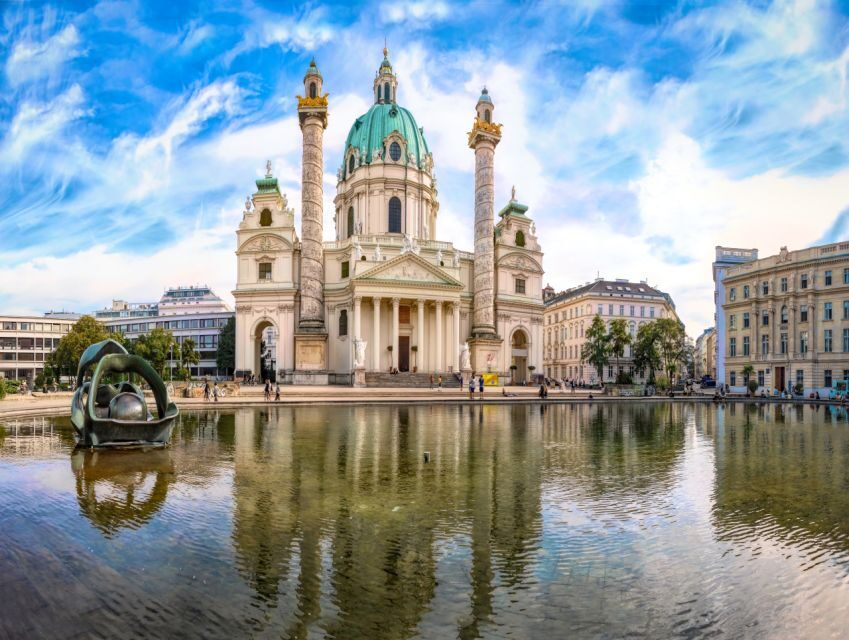
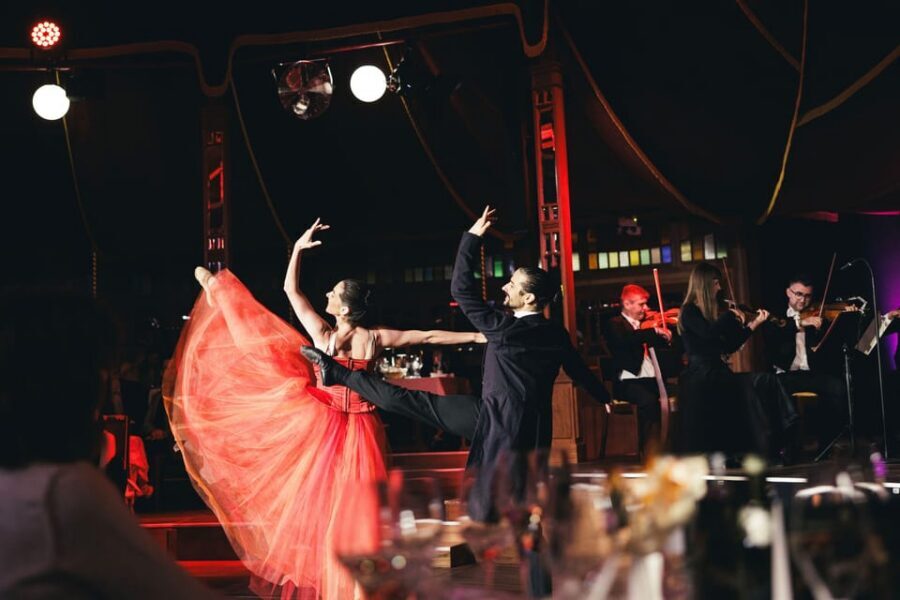
If you choose the 5.5-hour option (330 minutes), the tour adds tickets for a related classical music concert at a beautiful Viennese venue. The venue could be a cathedral, church, opera, or concert hall, and the program can differ depending on group size, day, time, and availability.
This add-on is great value if you want your day to end with the music itself. Walking around Vienna and learning the stories is one thing. Hearing performers play works connected to the composers you just discussed is how it clicks.
Two practical details to keep in mind:
- Concert programs are not guaranteed to match your exact expectations, since they can vary.
- Your guide will not accompany you at the concert. You’ll need to plan how you’ll find the venue and settle in on your own.
If you like a structured plan and you’re okay with some flexibility in programming, this option is the stronger “whole experience” route.
Price and Value: What $334 Gets You (and When It’s Worth It)
At $334 per person, this isn’t a budget walking tour. So you should ask what you’re paying for, beyond the composer names.
Here’s the value equation I see:
- You’re getting a private walking tour with a music history expert guide, not a large group format.
- You’re getting skip-the-line entry to the House of Music (when the House of Music option is selected).
- In the 5.5-hour option, you also receive tickets for a classical music concert in a major venue.
If you’re going as a couple or a small group and you want a music-focused Old Town route that stays coherent from start to finish, this price can feel reasonable because it bundles guide time plus museum time, and possibly a concert.
If you’re traveling solo and mainly want a casual overview, you might feel the cost more. In that case, you could consider whether you truly want private guiding and the House of Music experience, or whether a group tour plus museum visit on your own would meet your needs.
My practical advice: pick the option that matches your “music appetite.”
- Choose 4 hours if you want a focused walk plus hands-on museum time.
- Choose 5.5 hours if you want your day to end with a concert, even if the exact program can vary.
Who Should Book This Tour
This tour fits especially well if you:
- care about Mozart, Beethoven, Strauss, and Schubert and want the stories tied to real locations
- prefer a private format where you can ask questions and set your own pace
- want a museum experience that’s not all lectures, thanks to the Virtual Conductor and waltz composing activities
- like the idea of ending with a classical concert in a prestigious Vienna venue
It may feel less ideal if:
- you dislike walking around in crowded central areas
- you need exact guarantees about the concert program details
- you’d rather spend your time in Vienna on free-choice stops than following a guided music route
Tips to Get More Out of Your Vienna Music Day
A few small choices can make the tour feel smoother:
Wear real walking shoes. This is a walking tour through Old Town, theatres, and park space. Your feet will notice.
Plan for sound and focus time. The House of Music is interactive, which can be loud and busy. If you want to hear instructions clearly, arrive ready to participate and don’t expect a quiet museum experience.
Use the walk to set your listening mindset. Before you leave Vienna, you’ll likely think about what you heard as you walk. If you’re choosing the 5.5-hour option, treat the concert as a continuation, not a separate event.
If you get Romana as your guide, expect energetic storytelling. One guide name that shows up in feedback is Romana, and the style described is both fun and packed with facts. If your group matches that vibe, you’ll probably love the pace and the personality.
Should You Book This Vienna Mozart, Beethoven, and Strauss Tour?
I’d book it if you want Vienna to make sense through the composers you already love. The biggest strength is the combination: Old Town walking tied to real venues, plus the House of Music experience that turns knowledge into action. If you add the 5.5-hour concert, you also get the payoff moment where music becomes a living sound in a major space.
Skip this one only if you’re hoping for a low-cost overview or if you’re extremely picky about concert programming details. Otherwise, it’s a strong choice for travelers who want authenticity, structure, and a music day that doesn’t feel like a checklist.
FAQ
Where does the tour meet?
Meet your guide in front of Hotel Royal, Singerstraße 3, 1010 Wien, Austria. Do not enter the hotel.
How long is the tour?
You can choose a 4-hour option, or a longer option listed as 330 minutes (5.5 hours).
Is this a private tour?
Yes. It’s listed as a private group.
Do I get tickets to the House of Music?
Entry ticket to the House of Music is included if you select the option that includes it, and you also get skip-the-line access.
Is a classical concert included?
A classical music concert is included only in the 5.5-hour option.
Will the guide attend the concert with us?
No. The guide will not accompany you at the concert.
What languages are available for the guide?
The tour offers live guide support in Spanish, English, French, German, Italian, Russian, Chinese, Japanese, Portuguese, Croatian, and Arabic.
Is the tour wheelchair accessible?
Yes, wheelchair accessibility is listed.