REVIEW · VIENNA
Private Vienna Music Tour
Book on Viator →Operated by Austria Tours and Travel · Bookable on Viator
Vienna music starts before the first note. This private tour strings together Wiener Staatsoper backstage access with a focused walking route through Vienna’s composer landmarks, from Beethoven and Mozart to the Hofburg. I love the mix of big-ticket architecture and story-driven stops, and I especially like how the guide keeps the pace friendly for groups that range from teens to seniors. One catch: skip-the-line entry at the Opera is included, but the actual Opera House admission ticket is not, so you’ll pay that at the entrance.
You’ll meet by the Vienna State Opera and finish near Stephansplatz, which makes this a smart first-day-or-second-day move when you want your bearings and a music roadmap for the city. The tour is run in English with a state-certified accredited guide, and it’s built as a true private group experience (up to 15 people). The only real consideration is time and comfort: it’s a 2.5-hour walk, so wear shoes you’ll be happy in for a couple hours of city-centre strolling.
In This Review
- Key highlights to know before you go
- Vienna State Opera access: the part that sets expectations
- The 2.5-hour flow: meeting, walking, and where you end
- Palais Lobkowitz and the Hofburg Imperial Chapel: Beethoven to boys’ choir
- Mozart memorial and the old-town composer loop
- Johann Strauss and the ladies-swoon story
- Beethoven’s former residence: where personal life meets music
- The gothic cathedral stop: Mozart marriage and Haydn chorister years
- Guide factor: why this tour tends to land at 5 stars
- Price and value: $450.09 per group, up to 15 people
- Who should book this Vienna music tour
- Should you book this Private Vienna Music Tour?
- FAQ
- How long is the Private Vienna Music Tour?
- What does the $450.09 price cover, and how large is the group?
- Do I need to pay for admission to the Vienna State Opera?
- Where does the tour start and end?
- Is hotel pickup available?
- What language is the tour offered in?
- Is this tour private?
- Is there a mobile ticket?
- Can I cancel for a full refund?
Key highlights to know before you go
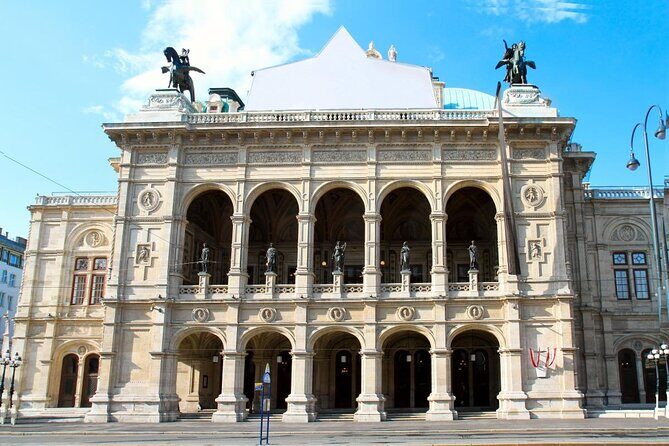
- Behind-the-scenes at Wiener Staatsoper with skip-the-line entry, but you still buy the Opera admission ticket on arrival
- Beethoven and Mozart landmarks including Palais Lobkowitz and a Mozart memorial during the old-town composer walk
- Hofburg Imperial Chapel stop tied to the Vienna Boys Choir, who perform every Sunday
- Johann Strauss waltz connections plus Beethoven’s former residence along the route
- Guide Lisa is repeatedly praised for energetic delivery, humor in architecture explanations, and tailoring the tour to your interests
Vienna State Opera access: the part that sets expectations
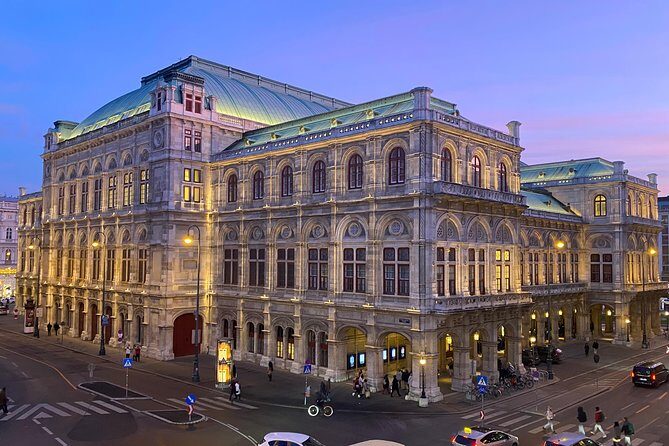
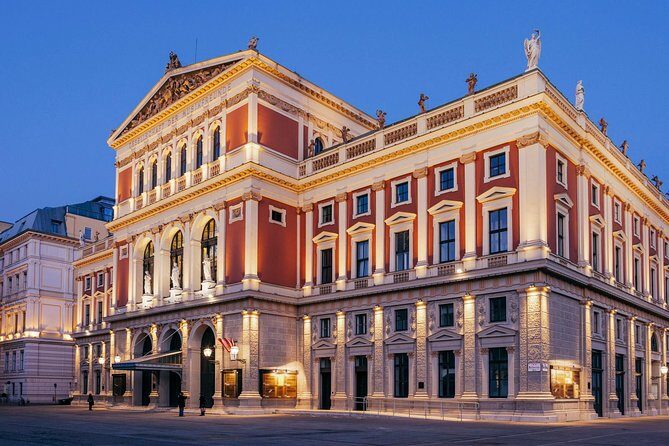
The first major payoff is the Vienna State Opera, one of those buildings where you feel the scale the moment you get close. Your guide starts you at Opernring 2, right at the opera house, and you get time set aside for behind-the-scenes access and context that makes the place more than just a pretty façade.
Here’s the practical point that matters: your tour includes skip-the-line entry, but the State Opera House admission ticket is not included in the tour fee. That means you should plan on paying for the Opera ticket at the entrance even though you’re not starting from the back of the line. If you’re budget-minded, treat this tour price as the guiding and access service, not a full all-in ticket bundle for the Opera interior.
What you gain from the Opera stop is story focus. You’ll hear about key figures tied to the opera’s musical life, including Gustav Mahler, plus how the building became a kind of temple for conductors, composers, and performers. This is also a good moment for questions, because the guide has a captive audience before you move into the streets and you lose the chance to ask while you’re staring at the same key details.
One more thing I like about starting here: it gives you an anchor. Once you’ve seen the opera house setting and heard how the world of classical music works there, the walk that follows feels like it’s all connected, not like a list of separate landmarks.
You can also read our reviews of more private tours in Vienna


The 2.5-hour flow: meeting, walking, and where you end
This is scheduled for about 2 hours 30 minutes, and it’s structured in a simple way: one anchored indoor stop first, then a composer-themed walk through central Vienna.
You’ll start at the Vienna State Opera (Opernring 2, 1010 Wien) and finish at Stephansplatz. That end point is handy. Stephansplatz sits in the core of the city, so you can keep moving on foot for museums, coffee, or just your next wander without needing an immediate ride back across town.
Pickup is possible if you’re staying in the inner city. If you’re outside that zone, the operator contacts you before the tour for an exact meeting location. For me, that flexibility is a real quality-of-life feature because Viennese public transit is easy, but sometimes it’s nicer to have a direct start.
You also get a mobile ticket, which is convenient. I recommend having your phone charged and ready, especially if you’re arriving right on time. This tour is offered in English, and it’s private, meaning only your group participates.
Finally, note the “most travelers can participate” wording. That’s broad, but it still signals this is not a sit-and-watch experience. It’s a guided walk plus a major venue stop, so go in expecting to spend time on your feet.
Palais Lobkowitz and the Hofburg Imperial Chapel: Beethoven to boys’ choir
After the Opera stop, the tour walk begins at Palais Lobkowitz. This matters because it’s a place where Beethoven’s work wasn’t just referenced; it’s tied to a real premiere. The guide points you to the connection that Beethoven premiered his Symphony No. 3 Eroica there, and the building also connects to the story of Beethoven’s major patronage.
If you’re the type who likes to know why a composer is linked to a specific street corner, this is your moment. Instead of abstract “Vienna was important,” you get a concrete location that helps your brain place the music in geography.
From there, you head toward the Hofburg Imperial Chapel, where the Vienna Boys Choir performs every Sunday. Even if you’re not there on a Sunday (the tour doesn’t promise performance timing), you still get the value of seeing the site in the bigger context of a tradition that lasts.
Why I think this stop works well: it shifts the tone. The Opera is huge and dramatic. The chapel connection adds a different kind of musical life to the city story—more liturgical, more ceremonial, and strongly tied to daily musical culture.
A practical note: the tour data says you’ll see the chapel as part of the route, not that you’re guaranteed to attend a choir performance. So consider this stop as “where it happens” rather than “watch it happen.”
Mozart memorial and the old-town composer loop
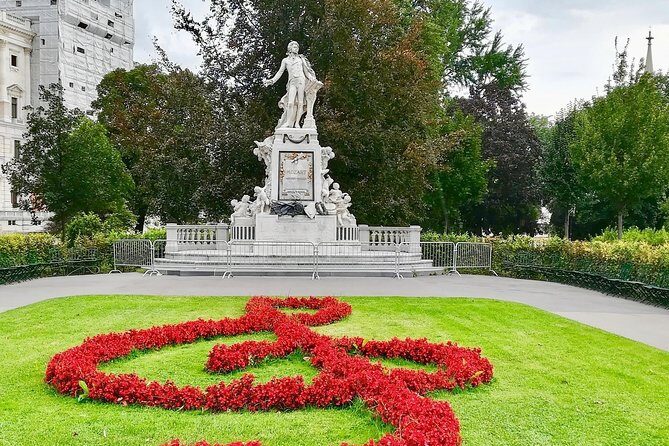
Next comes a memorial dedicated to Wolfgang Amadeus Mozart. It’s a classic city approach done right: one clear, dedicated point in the walk where the guide can connect major dates and themes to a visible landmark.
Then the route continues through several stops that feel like snapshots of Vienna’s musical social world. You’ll see the setting tied to the waltz tradition and the people who powered it.
One reason this walk is memorable is the way the guide turns each stop into a mini-story. At this stage, you’re not just checking off names. You’re learning how Vienna’s music scene ran on patrons, performance spaces, and social momentum.
If you want to walk Vienna with a plan instead of wandering randomly and hoping you find Mozart’s trail on your own, this section is the payoff of choosing a guided theme.
Johann Strauss and the ladies-swoon story
You’ll visit a former dance salon linked with Johann Strauss, where his waltz music made ladies “swoon,” as the tour highlights it. This is a fun stop because it’s not all solemn opera-house reverence. It’s Vienna as entertainment and social life.
What I like here is the balance it adds. Beethoven and Mozart are often taught as monumental geniuses. Strauss reminds you that Vienna’s music culture was also about style, rhythm, and the sound of nightlife and balls.
You might see this and think it’s just a romantic story. But in practice, it helps explain why Vienna’s classical reputation isn’t only about concert halls. It’s also about the social settings that made certain kinds of music catch fire.
Even if you’re traveling with someone who isn’t a die-hard music fan, this stop is often the easiest to enjoy because it’s human-scale. It’s about people at an event, not people writing scores in isolation.



Beethoven’s former residence: where personal life meets music
One of the most satisfying stops is Ludwig van Beethoven’s former residence. This is where the tour shifts from career landmarks to personal geography. You get a sense of how the composer’s life unfolded in the city, not just how the city absorbed his work.
Beethoven’s story is already dramatic, so placing it on a specific site tends to make it feel less like a textbook summary. You also get a nice bridge between earlier Beethoven context at Palais Lobkowitz and this later, more personal stop.
This is also a place where I’d expect the guide to connect themes: patronage, performance culture, and how Vienna shaped the composer’s career arc. Even when you’ve heard the famous titles before, it’s the location link that makes the information stick.
The gothic cathedral stop: Mozart marriage and Haydn chorister years
The final major “music map” point is a famous gothic cathedral that the tour connects to two big names: Mozart’s marriage and Haydn’s time as a chorister for eight years.
This is one of those stops where the guide’s commentary can do a lot. Instead of listing names, you’re looking at a physical place associated with two different phases of musical life: Mozart tied to a major life event, and Haydn tied to early training and church music.
Even if you already know those facts, seeing them linked to one location keeps the tour from feeling repetitive. It also gives the composer story a timeline feel: young singers and church musical formation, then later major adult life milestones.
Practical expectation: the tour data tells you this is part of what you’ll see as part of the walking route. It doesn’t say you’re guaranteed to enter the cathedral, so go in expecting guided viewing and explanation, not a predetermined interior tour.
Guide factor: why this tour tends to land at 5 stars
For a private tour, the guide is not a side detail. It’s the whole product.
In the standout feedback, Lisa shows up again and again as the reason the tour works well. Her style is described as energetic and engaging, and she’s praised for architecture explanations that include humor without turning serious moments into a joke. That matters in Vienna because the city’s beauty can tempt people into “looking” instead of “understanding.”
The other big theme in the praise is flexibility. Lisa is described as tailoring the tour to your interests. In a family setup with kids and teens, that kind of adaptation makes the difference between everyone tolerating the walk and everyone actively participating. In mixed-age groups, the pacing and commentary keep the tour from turning into a lecture.
There’s also a practical helpfulness factor: one person asked about finding concert tickets in a church, and the guide made an effort to check availability (though tickets were already sold out by then). Even that effort communicates the value of having a human guide who’s paying attention beyond just delivering the script.
If you’re the kind of traveler who likes to ask questions and steer slightly off the plan, this is the kind of private tour where you’ll likely feel heard.
Price and value: $450.09 per group, up to 15 people
At $450.09 per group (up to 15 people), this is priced as a private experience, not as a per-person ticket. That’s important for your value math.
If you’re traveling solo or as a couple, this will feel like a bigger spend than a standard group tour. You’re paying for exclusivity, custom pacing, and the guided access logic (including skip-the-line at the Opera).
If you have a small group, the value improves quickly because the price doesn’t scale up per person. And because the tour hits major touchpoints—Opera behind-the-scenes access, multiple composer landmarks, and a chapel connection—your time gets packed efficiently into 2.5 hours rather than scattered across random stops you’d manage on your own.
One line item to remember: the Opera admission ticket isn’t included. That means your real total cost is tour price plus the Opera House admission you pay on site. From a planning standpoint, that’s not a deal-breaker, but it’s something you should factor before you book.
Also consider timing. This tour is often booked around 41 days in advance. If you want a specific day, especially during peak travel times, don’t wait until the last week.
Who should book this Vienna music tour
This tour fits best if you want Vienna’s music story to be guided, organized, and anchored to real places.
Book it if:
- You’re a music lover who wants Mozart, Beethoven, and Strauss connected to locations you can stand in front of
- You’re visiting Vienna for the first time and want a composer-focused orientation
- You’re traveling as a family or a mixed-age group and need a guide who can keep everyone engaged
It’s also a smart choice if you already plan to see performances during your trip. Knowing where the key traditions come from can make concert nights feel less like surprise entertainment and more like the next chapter of the city’s soundtrack.
If you’re only interested in one composer or you don’t like walking in central areas, you might prefer a shorter or more single-topic option. But if you want the “Vienna music in one route” experience, this does the job.
Should you book this Private Vienna Music Tour?
My take: yes, if your goal is a guided music route with real stops, not just photo ops.
You get a strong mix of landmark types: a major venue at the Vienna State Opera, composer-tied palaces and residences, a Mozart memorial, Strauss nightlife context, and a cathedral stop connecting Mozart and Haydn. The experience is private, timed well for 2.5 hours, and the guide support looks solid, with Lisa praised for energy, humor, and adapting to different interests.
The only reason I’d hesitate is if you hate the idea of paying extra at the Opera House entrance, since the admission ticket isn’t included even though skip-the-line access is. If that works for your budget, this tour is a very good way to start understanding why Vienna sounds the way it does.
FAQ
How long is the Private Vienna Music Tour?
The tour lasts about 2 hours 30 minutes.
What does the $450.09 price cover, and how large is the group?
The price is per group (up to 15 people). It includes a state-certified accredited Austria guide and the tour experience elements described, but the Vienna State Opera admission ticket is not included.
Do I need to pay for admission to the Vienna State Opera?
Yes. The tour includes skip-the-line entry, but the State Opera House ticket price is not covered in the tour fee. You pay for the Opera House ticket at the entrance.
Where does the tour start and end?
The tour starts at Vienna State Opera, Opernring 2, 1010 Wien, Austria, and ends at Stephansplatz, 1010 Wien, Austria.
Is hotel pickup available?
Pickup is offered if your hotel is located in the inner city. If not, the provider will contact you prior to the tour with an exact meeting location.
What language is the tour offered in?
The tour is offered in English.
Is this tour private?
Yes. It is a private tour/activity, and only your group participates.
Is there a mobile ticket?
Yes. The tour includes a mobile ticket.
Can I cancel for a full refund?
Yes. You can cancel for a full refund if you cancel up to 24 hours in advance of the experience start time.