REVIEW · VIENNA
Belvedere Palace & Museum Tour
Book on GetYourGuide →Operated by insightcities.com · Bookable on GetYourGuide
Two palaces, one sharp art lesson. The Belvedere Palace & Museum Tour gives you a guided path through Upper Belvedere and Lower Belvedere, with an art historian explaining what you’re seeing in plain language. You also get that standout Klimt focus that many people chase in Vienna, with deeper context than the usual wall text.
I especially like the way the tour turns museum time into real understanding. The best part is an art historian guide who stays interactive and makes big ideas feel manageable, not like homework. Guides such as Brianna and Peter (English-speaking) are praised for being both knowledgeable and engaging with the group.
One drawback to plan around: the experience depends on smooth coordination at the start. One past booking had a snag in the registration system, so I’d treat the first few minutes like a tiny mission—arrive on time, double-check your meeting spot, and be ready to locate your guide quickly.
In This Review
- Key highlights to notice before you go
- Belvedere Palace: the setting that makes the art easier to see
- Meeting point at the ticket office: start smart, not stressed
- Upper Belvedere guided tour: Baroque architecture that shapes your eye
- Austrian Gallery Belvedere visit: what to focus on during your non-guided time
- Lower Belvedere guided tour: the second loop that often makes the first one click
- The Berlin gallery mile storyline (and why it’s woven into your art day)
- Tickets and price: when $176 feels like value (or not)
- How long is long enough: pacing in 150 minutes
- Who this tour is best for (and who might prefer solo time)
- The big practical catch: smooth coordination at the start
- Should you book Belvedere Palace & Museum Tour?
- FAQ
- How long is the Belvedere Palace & Museum tour?
- Where do I meet my guide?
- Is the tour in English?
- Are the entrance tickets included in the price?
- Does the tour help you avoid the ticket line?
- Is pickup available?
- Can I cancel and get a full refund?
Key highlights to notice before you go
- Upper Belvedere guided tour: a Baroque setting that helps you see composition, not just paintings
- Austrian Gallery Belvedere visit: a focused look at Austrian art, including Klimt-related context
- Lower Belvedere guided tour: the story continues with a second guided loop
- Art history made accessible: guides are singled out for clear explanations and active Q&A
- Berlin’s gallery boom as context: the tour connects what happened in 1989-era Berlin to how art scenes grow
- Skip the ticket line: you’re not stuck wasting your best museum hour staring at queue ropes
Belvedere Palace: the setting that makes the art easier to see
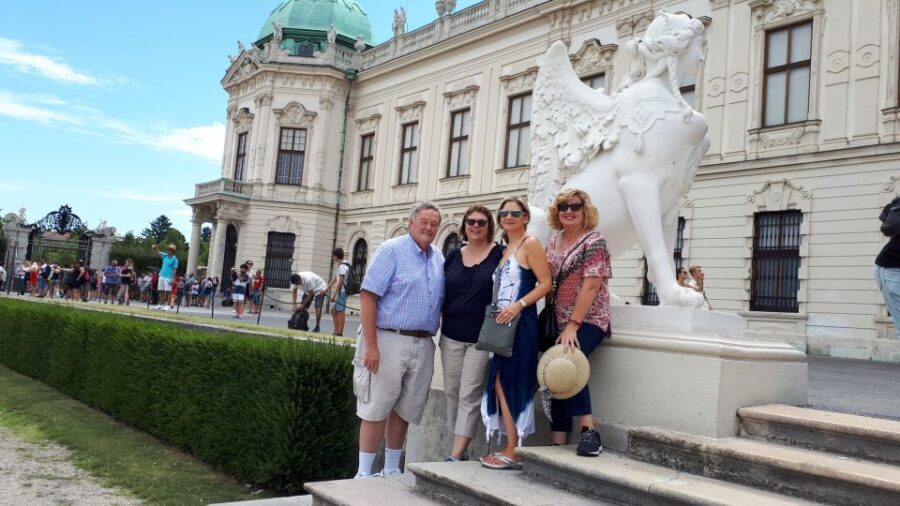
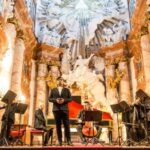
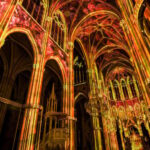
Belvedere Palace is the kind of place where the building itself teaches you how to look. The rooms in Upper Belvedere and Lower Belvedere have a strong sense of scale and staging, so when you get a guide pointing out details, it clicks faster than in a flat, white-wall museum.
This is also a tour built around timing. With a 150-minute duration, you’re not trying to cover everything in every room. Instead, the guide helps you hit the meaningful stops and get context that makes the rest of the museum feel less random.
And yes, you’ll walk into a museum where Klimt is part of the conversation. Even if you don’t know the names of every artist, the guide’s explanations can help you understand what makes the famous works so carefully made.
You can also read our reviews of more museum experiences in Vienna


Meeting point at the ticket office: start smart, not stressed
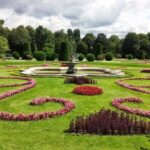
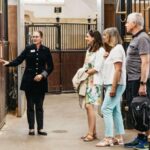
Meet at the Palace’s ticket office entrance. It’s not the main palace entrance—look on the right-hand side as soon as you come into the garden from Prinz Eugen Street.
That detail matters because Belvedere has multiple entry points, and the tour doesn’t want you wandering for 10 minutes while a small group waits. If you’re using public transport, it’s worth giving yourself a little buffer so you can find the ticket office entrance calmly and settle in.
If you opt for pickup, you’ll meet your guide in your hotel lobby or at the door of your holiday flat, then follow your guide using Vienna’s public transport.
Upper Belvedere guided tour: Baroque architecture that shapes your eye
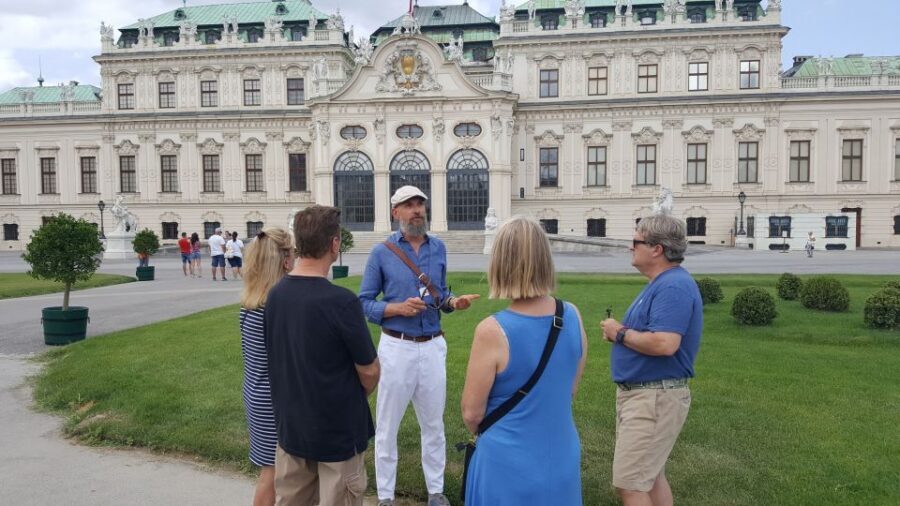
The guided part starts in Upper Belvedere, and that’s a smart choice. Upper Belvedere is where the palace layout makes the art feel like it belongs there, not like it was pasted onto a setting.
With a guide leading you through the most relevant rooms, you get two benefits at once. You learn about the artworks, but you also learn how the palace design supports the mood and the message. That means you’re less likely to see a gallery as a checklist and more likely to notice how light, space, and sightlines affect what you feel.
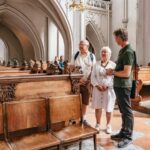
A good guide also helps you translate art terms into everyday meaning. In the past, visitors highlighted guides who explain history and symbolism in a way that feels interactive, not like a lecture you have to survive.
Austrian Gallery Belvedere visit: what to focus on during your non-guided time
After the Upper Belvedere guidance, you’ll have a visit at the Austrian Gallery Belvedere. This is the part where you get to slow down and look with a little more confidence.
Here’s the trick: don’t try to read every label. Instead, treat the Austrian Gallery time as a chance to revisit the ideas your guide just introduced. If your guide mentioned symbols, technique, or historical context, look for those things directly in the works while you have time to stand and see.
This is also the moment when Klimt tends to pull people in. One guide, Peter, was specifically praised for his insights into The Kiss, including symbolism, technique, and historical context—details that are hard to pick up if you only skim a placard.
Lower Belvedere guided tour: the second loop that often makes the first one click
Lower Belvedere isn’t just more rooms. The guided tour here helps you connect themes and time periods, so your visit feels like a story instead of a series of stoplights.
Why this matters: when you move between Upper and Lower Belvedere, your brain starts sorting what you saw. A guide can help you place works into the bigger picture—what’s stylistic versus what’s historical, what’s technique versus what’s message.
The best tours use Lower Belvedere to tidy up loose ends. If something didn’t fully land during the first guided section, the second loop can give you the missing context that makes it all make sense.



The Berlin gallery mile storyline (and why it’s woven into your art day)
One of the more interesting parts of this experience is how your guide frames art beyond a single museum building. The tour discusses how Berlin became an artistic magnet after the fall of the Berlin Wall in 1989, and it connects that shift to why so many galleries took off in the Potsdamer Straße area.
You’ll hear about the factors that helped fuel that scene, including affordable rents, a semi-liberal climate, and open spaces. The guide also names well-known galleries such as Esther Schipper, Isabella Bortolozzi, Gitti Nourbakhsch, Guido Baudach, Arndt, Plan B, Tanya Leighton, and Klosterfelde.
Even if your feet are in Vienna, this Berlin story is useful. It gives you a framework for thinking about why art changes when the city changes—how the rules of space, money, and permission shape what galleries and artists can do. It also helps you look at museums with a sharper lens: a palace is one kind of art world, but the gallery scene shows another way art circulates.
If you care about contemporary art scenes as much as historical masterpieces, this kind of connection is a real bonus. It turns your day from seeing objects to understanding ecosystems.
Tickets and price: when $176 feels like value (or not)
The tour price is $176 per person. Entrance tickets are not included, and adult admission is listed at 22.50 EUR.
Here’s the value logic I use for tours like this: the price pays for the art historian guide and the time saved by skipping the ticket line. If you’re the type who wants context while you’re still standing in front of the paintings, a guided format is often worth it, even with separate ticket costs.
Two practical tips help the math work better. First, treat the 150 minutes as focused time, not a wander-and-hope museum day. Second, plan your budget for that extra ticket amount so you’re not surprised at the start.
Also, the guide can help you purchase tickets at the beginning of the walk, or you may receive a separate email invoice so the guide can prepay. That helps you keep moving rather than losing momentum.
How long is long enough: pacing in 150 minutes
150 minutes sounds short until you experience it with a guide. This tour’s structure—Upper Belvedere guided, Austrian Gallery visit, then Lower Belvedere guided—keeps you from getting lost in decision fatigue.
You’ll want to keep your expectations realistic. This isn’t meant to be a full palace survey where you see everything. It’s built for selective attention: the stops that matter, explained well, with enough time to look after the explanations land.
If you’re traveling with another person who’s more “show me the highlights” and you’re more “tell me the why,” this format is a good compromise. The guide handles the interpretation so you don’t waste time debating what’s important.
Who this tour is best for (and who might prefer solo time)
This is a great fit if you want art history delivered with clarity and energy. Reviews point to guides like Brianna and Peter as standout narrators—people who are interactive and make big ideas accessible.
You’ll also like it if you have a mixed interest level. You might come for Klimt and leave with a better sense of how Vienna’s art world fits into a wider European story, including Berlin’s post-1989 shift.
It’s less ideal if you hate structure. Because the tour is guided in specific sections, you’ll follow a route and timing plan rather than fully roaming at your own pace.
The big practical catch: smooth coordination at the start
One review flagged a booking system issue that made it harder to locate the guide. That doesn’t mean the tour is consistently messy, but it does mean you should take the start seriously.
Do this: arrive a few minutes early, stand at the correct meeting point (the palace ticket office entrance on the right-hand side as you enter the garden from Prinz Eugen Street), and have your confirmation details handy. With a small group, early clarity saves stress later.
If you’re prone to travel-day confusion, consider allowing extra time for public transport and a quick check of where your guide will meet you.
Should you book Belvedere Palace & Museum Tour?
I think you should book it if you want the palace experience without the “tour math” headache. The combination of guided Upper and Lower Belvedere, an Austrian Gallery stop, skip-the-line entry, and an art historian guide who’s praised for being interactive and accessible is a strong package for a 150-minute window.
Skip booking only if you’re planning to spend the day mostly wandering on your own, or if you’re the kind of museum visitor who dislikes organized pacing. In that case, a self-guided visit might feel freer.
If your goal is to understand what you’re looking at—especially around Klimt—and to leave with a broader sense of how art worlds grow, this tour is a sensible, high-value choice.
FAQ
How long is the Belvedere Palace & Museum tour?
The tour lasts about 150 minutes.
Where do I meet my guide?
Meet at the Palace’s ticket office entrance. It is not the palace entrance—look on the right-hand side as you enter the garden from Prinz Eugen Street.
Is the tour in English?
Yes, the live guide offers the tour in English.
Are the entrance tickets included in the price?
No. Entrance tickets are not included. Adult tickets are listed as 22.50 EUR.
Does the tour help you avoid the ticket line?
Yes. The experience includes skipping the ticket line.
Is pickup available?
Pickup is optional. You can meet the guide in your hotel lobby or at the door of your holiday flat.
Can I cancel and get a full refund?
Yes. You can cancel up to 24 hours in advance for a full refund.