REVIEW · VIENNA
Private Schönbrunn Palace and Gardens Tour
Book on Viator →Operated by Insight Cities · Bookable on Viator
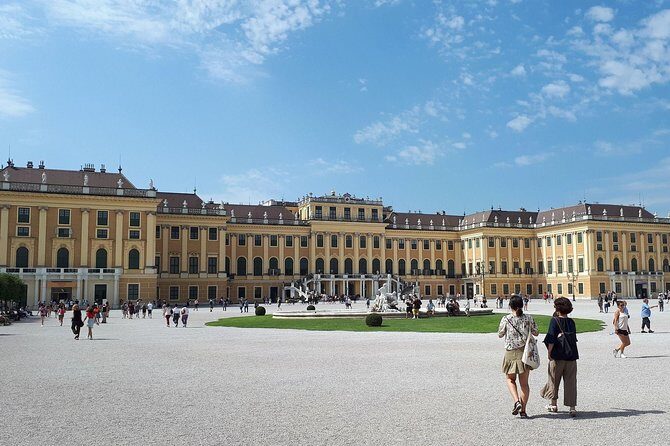
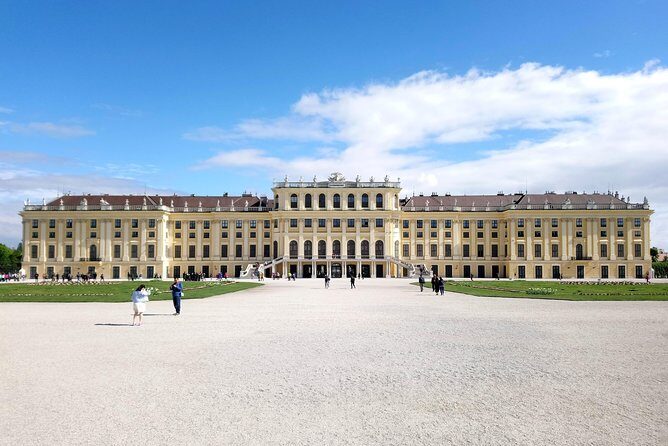
Schönbrunn is Vienna’s royalty in full costume. This private tour strings together the best photo spots and the most human stories—starting with the Schönbrunn Gardens and ending inside standout rooms that explain what the Habsburgs actually valued.
I especially like the way your guide turns the palace from fancy rooms into a timeline you can follow. I also love the pairing of garden architecture with the interior highlights, so you get context before you step into the opulence.
One real drawback to plan for: palace tickets are not included, and the whole experience runs on tight entry time slots. If your group is late or needs a long pause, the schedule can feel a bit unforgiving.
In This Review
- Key reasons this private tour hits the mark
- Why a private Schönbrunn tour works better than solo wandering
- Schönbrunn Gardens first: baroque layout, public access, and the Gloriette payoff
- Inside the palace: the Porcelain Room, Millions Room, and Habsburg apartments
- The Porcelain Room: Maria Theresa’s stylish office
- The Millions Room: when name and money meet
- Franz-Joseph and Elisabeth Apartments: a royal life lens
- Hall of Ceremonies and the dining room: where pageantry shows up in details
- Getting there and staying on time: meeting points, public transport help, and reserved entry
- The pacing: what “about 3 hours” really feels like
- Price and logistics: what $564.69 means for your group
- Who should book this private Schönbrunn tour?
- Should you book this private Schönbrunn Palace and Gardens Tour?
- FAQ
- What’s the duration of the Private Schönbrunn Palace and Gardens Tour?
- Is the palace or park admission included?
- Do you offer hotel pickup?
- Where do we meet the guide?
- How many people can be in a booking?
- What happens if we arrive late?
Key reasons this private tour hits the mark
- Gloriette hilltop walk with Vienna-woods views plus military-history storytelling tied to Maria Theresa’s era
- Porcelain Room + Millions Room explained in plain language, not just name-drops
- Franz-Joseph and Elisabeth Apartments to balance the political story with everyday royal life
- Small group of up to 10 for real back-and-forth, not a headcount herd
- Top-rated guides like Stefan, Jan, Katarina, Biljana, and Ilse who make the palace feel alive
- Reserved entry timing that gets you into the palace when you’re supposed to be there
Why a private Schönbrunn tour works better than solo wandering
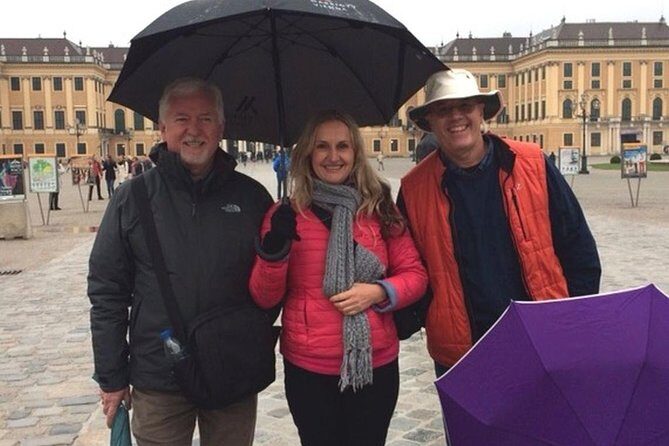
Schönbrunn can be a lot. Big grounds, crowded pathways, and rooms that all look dramatic until someone tells you what to notice. With a private guide, you skip the guessing game and get a guided route that focuses on the places with the strongest stories and strongest visuals.
This format also protects your time. You’re not spending your energy figuring out what matters most. Instead, your guide points out details—decor choices, room functions, and little clues about how the Habsburg court operated. In reviews, guides like Stefan (with a history degree) and Jan stood out because they helped visitors feel oriented without turning it into a lecture marathon.
And you get attention that scales with your group size. With a maximum of 10 people, there’s room for questions and for the guide to respond to your pace. That matters if you’re traveling with kids, multiple generations, or anyone who needs the story explained in a fresh way.
You can also read our reviews of more private tours in Vienna



Schönbrunn Gardens first: baroque layout, public access, and the Gloriette payoff
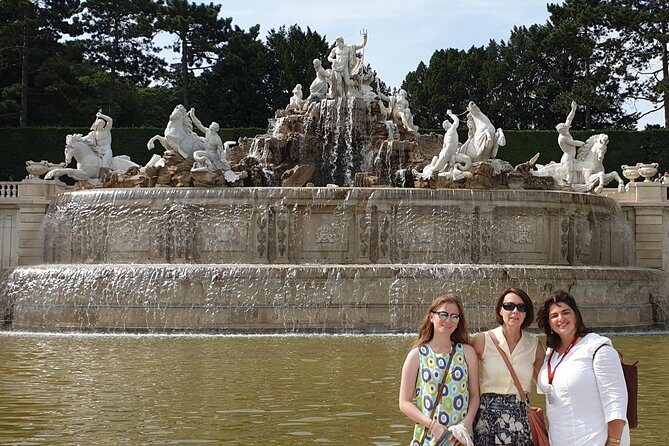
You start outside, right at the palace setting, and head into the Schönbrunn Gardens on a planned walk (about 45 minutes). This is smart. The gardens are not just decorative; they’re part of how the palace demonstrates power.
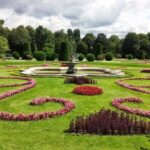
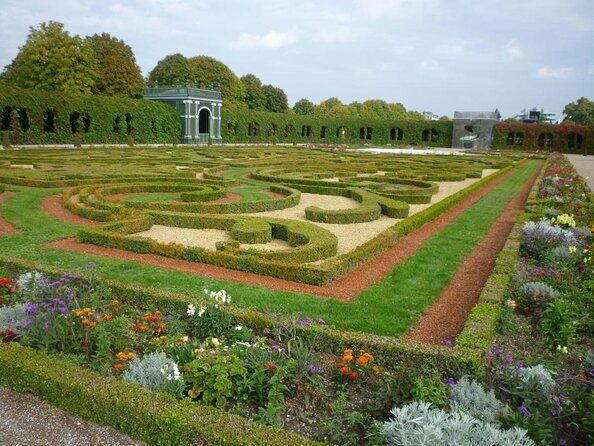
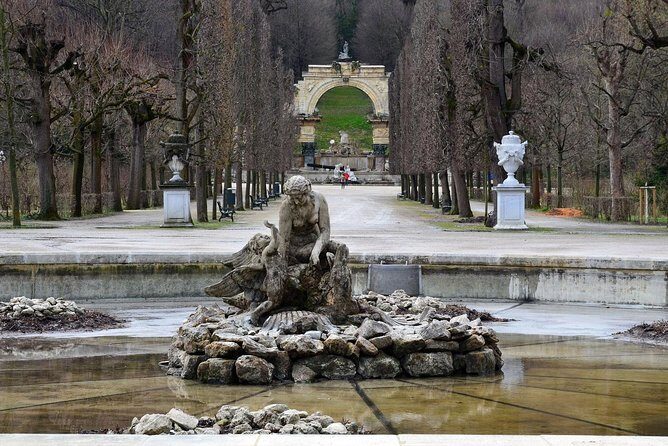
Here’s what makes the gardens worth your time: the layout follows the High Baroque idea of nature and architecture working together. You see how paths, sightlines, and designed spaces pull your eyes in specific directions, like a visual argument that order can be beautiful.
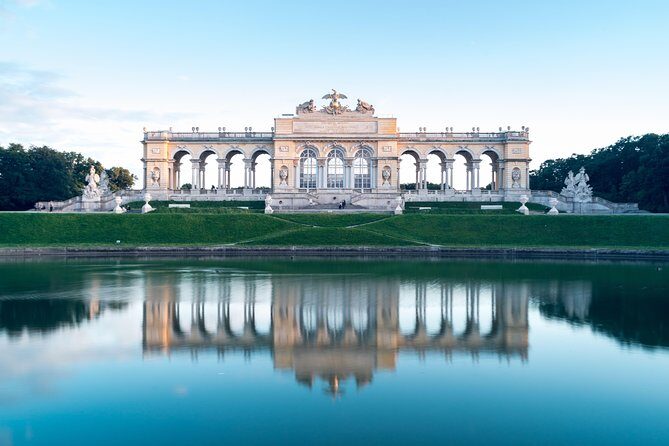
Then you push toward the Gloriette, a large triumphal arch perched on a hill. From there, you get panoramic views over Vienna’s woods, which is the kind of scene you can’t reliably “stumble into” if you’re wandering on your own. Your guide also connects the view to the political mood of the palace—especially the military context tied to Maria Theresa’s reign (1740–1780).
One detail I like in this approach is how it frames the gardens as public-facing, not just royal scenery. The grounds were opened not only for the court but for the general public starting in 1779. That shift is easy to miss when you only think of Schönbrunn as a palace complex. Hearing it while you walk makes the place feel like it belonged to a broader world than just a coronation hall.
Practical tip: bring shoes for uneven paths and plan for weather. Even if it’s raining, the walk to the Gloriette is still part of the experience—one review specifically called out that a rainy day didn’t ruin the value of that viewpoint.
Inside the palace: the Porcelain Room, Millions Room, and Habsburg apartments
After the gardens, you head into the palace for roughly 1 hour 15 minutes. This is where the tour earns its name: the goal is to show you the rooms people come for, but with the “why” attached.
The Porcelain Room: Maria Theresa’s stylish office
The Porcelain Room is one of the standout interior stops. You’ll see the room designed to look like precious china, with orientalist-themed drawings that were created by the imperial children. That combo—luxury + education + court culture—helps you understand the palace as a living system, not just a museum of things.
A good guide makes this moment land. Reviews highlight that guides like Annelie pointed out details while touring the rooms, and Katarina helped visitors with maps and public transit so the palace visit felt smoother as a whole.
The Millions Room: when name and money meet
Next comes the Millions Room, famous for its lavish design and its name. The story is that its cost was paid in gold ducats, linked to a fabulous price. When your guide connects the room’s appearance to the money behind it, the spectacle makes more sense—this wasn’t decorating for decoration’s sake.
The room is also tied to rococo design elements, so you’ll notice how the style supports the mood of the court: delicate, expensive, and meant to impress.



Franz-Joseph and Elisabeth Apartments: a royal life lens
You also get time in the Franz-Joseph and Elisabeth Apartments. This part helps balance the political story. Instead of only hearing about dynastic power, you see how the palace represented the people who lived there—especially by highlighting domestic spaces within a grand setting.
If your group likes the human side of history (who lived there, how they presented themselves, what that lifestyle signals), this section tends to be a favorite. One review praised how Ilse brought monarch-focused storytelling to life in a way that made the visit feel real, not just architectural.
Hall of Ceremonies and the dining room: where pageantry shows up in details
Your tour doesn’t end after the showpiece rooms. You also move through major ceremonial spaces, including the Hall of Ceremonies and the Dining Room.
In the dining experience, you’ll learn what made the table itself a statement. The dining room includes precious tableware and a clever detail about the so-called imperial napkins shaped like a fleur de lys. It sounds like trivia until you realize what it means: even cloth marks your rank and your role in the court.
In the Hall of Ceremonies, the emphasis shifts to event and ritual. A highlight here is how the hall recorded baroque celebrations such as the wedding of Crown Prince Joseph, portrayed through scenes by court painter Martin van Meytens. This is one of the best ways to understand the Habsburg court: art and architecture didn’t just decorate events; they documented them and reinforced legitimacy.
The emotional effect is simple. You walk away realizing these weren’t empty rooms. They were stages—social stages, political stages, and image-making stages.
Getting there and staying on time: meeting points, public transport help, and reserved entry
This is one area where you should take the instructions seriously. The palace uses time slots, and late entry can be refused. The tour says it clearly for a reason: your visit is scheduled, not open-ended.
You have two main options for meeting your guide:
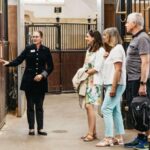
- Hotel/flat pickup assistance: The guide can meet you at your hotel or holiday flat and help you reach the palace using Vienna’s public transport. They don’t include metro tickets, but the guide can help you purchase them.
- Direct meeting points: You can meet at the Group Center SchönbrunnSchloss building area (right across the street from the palace’s main entrance). Another option is meeting at the Schönbrunn Arrival Centre at Schönbrunner Schloßstrasse 50, then your guide waits in front of the Group Centre Building.
A couple of practical notes that make a big difference:
- Leave extra time to find the right spot. The mini-scale palace model is supposed to be easy to find, but still, don’t sprint through Vienna and hope.
- Plan for the day to start on schedule. Your guide will guide you from the gardens back toward the palace and then you’ll end outside near the garden area.
This matters because you’re paying for a timed, curated experience. If you miss the time window, you’re not getting the full tour.
The pacing: what “about 3 hours” really feels like
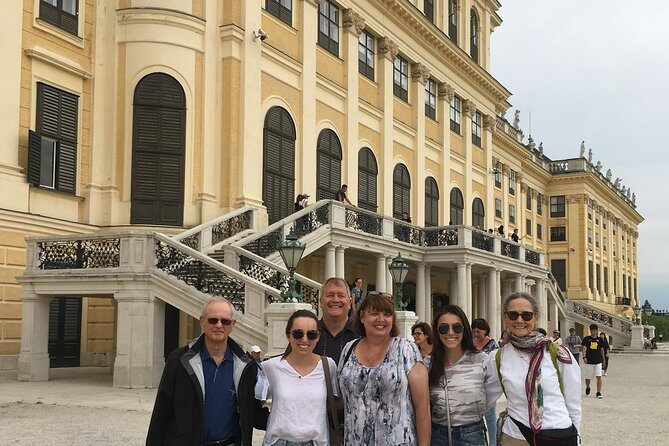
The tour runs about 3 hours total. The structure is roughly 45 minutes in the gardens and about 1 hour 15 minutes inside the palace, with extra walking and guide transitions built around that.
That pacing usually works well for first-timers. You see enough to feel like you really visited, but you’re not trapped for a full day. One big plus: this is a private format, so if your group is tired, you can usually manage it with a guide who adjusts.
Still, not every group wants the same pace. One review mentioned that a guide’s approach felt too dry for teens, and the schedule ended early when a coffee break was requested in cold weather. That’s a useful warning: if your group needs frequent breaks or high energy, communicate that at the start so your guide can shape the flow.
What to bring:
- Comfortable layers. Vienna weather changes fast.
- Solid shoes. You’ll walk gardens and then move through palace floors.
- A quick decision about snacks: there’s no stated built-in food stop, so plan accordingly.
Price and logistics: what $564.69 means for your group
The price is $564.69 per group (up to 10 people) for around 3 hours with a private guide. That’s not cheap if you’re traveling solo, but it can turn into excellent value once you split it across a small group.
Here’s the math logic I use:
- A private guide costs real money, especially in a major site like Schönbrunn where timing matters.
- Palace tickets are not included, so you’ll pay entry separately.
- The tour is built to save you time and confusion. That alone can be worth it if you want highlights plus context without spending your day solving logistical puzzles.
This tour also protects you from the most common DIY frustration: getting inside and then not knowing where to go next. With a guide, you get a curated route through specific rooms—the kind you’d otherwise chase with guidebooks and screenshots.
Where the price can feel less attractive is if your group prefers slow wandering and you’re happy reading room plaques yourself. If that’s you, skip the private tour and go at your own pace. But if you want the strongest rooms plus explanations while you’re standing in front of them, the price tends to make sense.
Who should book this private Schönbrunn tour?
Book it if you want:
- A focused highlights route through the Schönbrunn Gardens and inside the Porcelain Room and Millions Room
- A guide who can explain how Maria Theresa’s court, the Habsburg monarchy, and the palace spaces connect
- A small-group private experience with a bit of flexibility for questions
I’d also call out a pattern from the strong reviews: guides like Biljana, Claudia, Stefan, Jan, Katarina, Annelie, and Kristina were praised not just for facts, but for turning the visit into a story. That kind of guiding works especially well when you’re visiting with a mix of ages, like adults plus teens, or a family that needs the facts to move at an understandable pace.
Should you book this private Schönbrunn Palace and Gardens Tour?
Yes—if you want to spend your limited Vienna time seeing the best of Schönbrunn with a guide who points out the details that make the palace memorable. The combination of garden architecture, Gloriette views, and interior rooms like the Porcelain Room and Millions Room is a smart use of a half-day.
My main caution: be on time, and budget for palace entry tickets since they’re not included. If your group hates timed plans or needs constant breaks, tell your guide upfront and decide whether a highlights tour is the right fit.
If you do book it, you’re likely to leave with the place organized in your head: gardens as power, rooms as personality, and the Habsburg court as something you can actually picture—not just something you read about.
FAQ
What’s the duration of the Private Schönbrunn Palace and Gardens Tour?
It runs for about 3 hours.
Is the palace or park admission included?
The tour price does not include Schönbrunn Palace and Park tickets. The gardens stop is described as ticket free for that portion, but you should plan on buying any required entry for the palace.
Do you offer hotel pickup?
Pickup is offered in the form of meeting you at your hotel or holiday flat and helping you reach the palace by public transport. Hotel pickup and drop-off are not included.
Where do we meet the guide?
You can meet at the Group Center SchönbrunnSchloss, 1130 Wien, Austria, in front of the Group Centre Building across from the palace’s main entrance. If not using pickup, there is also a meeting option at the Schönbrunn Arrival Centre at Schönbrunner Schloßstrasse 50.
How many people can be in a booking?
A maximum of 10 people per booking.
What happens if we arrive late?
The palace can refuse late entry because the tour uses time slots. The tour asks you to be on time for your reserved entry.