REVIEW · VIENNA
Kunsthistorisches Museum Wien Guided Tour including admission
Book on Viator →Operated by Vienna a la carte Reisebuero GmbH · Bookable on Viator
If you want big art fast, start here. This guided visit is built for efficient highlights plus time to keep wandering on your own, all with admission included. It’s an easy way to make sense of one of Vienna’s grandest museum buildings without losing your morning to lines and wandering.
Two things I like: you get a small group (max 15) with clear, paced explanations, and you see standout works such as Bruegel’s Tower of Babel and Vermeer’s The Art of Painting. One thing to consider: the museum tour isn’t for wheelchair users or visitors with walking disabilities, and you’ll also need to leave umbrellas, backpacks, and rain coats in the cloakroom.
You’ll meet at Maria-Theresien-Platz 1, then follow your guide through the museum’s key galleries, finishing back at the start point. After the guided portion, you’re free to explore more of the collection—handy if your day has room to go slower.
In This Review
- Key Things to Know Before You Go
- A Fast, High-Value Way to See the Kunsthistorisches Museum
- Priority Entry Means You Actually Start With Art
- Meeting at Maria-Theresien-Platz 1: Quick, Central, and Manageable
- What You’ll See: Two Core Exhibitions That Give You a Real Backbone
- Stop 1: Bruegel’s Tower of Babel and the Picture Gallery Foundation
- Stop 2: Vermeer’s The Art of Painting and the Technique Conversation
- Kunstkammer Details: Celini’s Saliera and the Madonna of Krumau
- Time After the Tour: Use Your Free Museum Access Smartly
- Group Dynamics: Families, Earpieces, and Pacing That Doesn’t Drag
- Price and Value: What $119.09 Buys You in Real Terms
- Who Should Book This, and Who Might Prefer a Different Plan
- Should You Book? My Practical Recommendation
- FAQ
- How long is the Kunsthistorisches Museum guided tour?
- Is admission included in the tour price?
- What group size is this tour?
- Is the tour offered in English?
- Is the tour wheelchair accessible?
- Do I need to leave items in the cloakroom?
- Are photos allowed?
- What should I do if I want to cancel?
Key Things to Know Before You Go
- Priority entry helps you avoid long waits and get moving quickly.
- Small group size (15 max) keeps the tour feeling personal and manageable.
- Focus on two major museum highlights, including Bruegel and Vermeer.
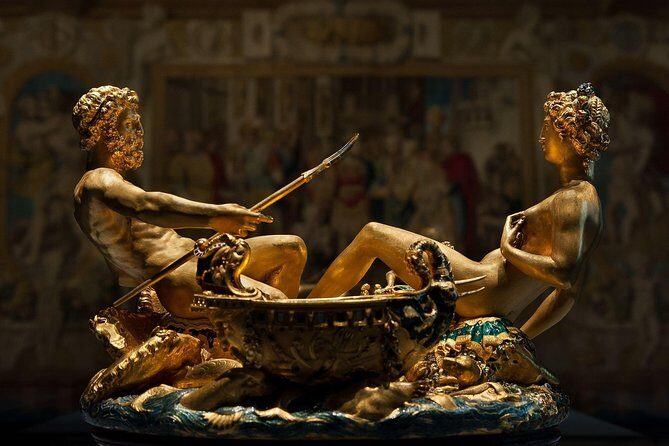
- You’ll also get a stop in the Kunstkammer, with standout objects like Celini’s golden Saliera and the Madonna of Krumau.
- Admission is included, so this isn’t a “guide-only” add-on.
- Photos are allowed without flash, so you can document what you love.
A Fast, High-Value Way to See the Kunsthistorisches Museum
The Kunsthistorisches Museum is the kind of place that can eat an entire day if you let it. This tour is designed to help you catch the essentials early: the big famous works, the strange and fascinating objects, and the building’s main “art language” so you understand what you’re looking at.
I like that this experience doesn’t pretend you can see everything. Instead, it picks the most memorable anchors in the museum’s art world and gives you a guided route you can actually follow in a limited time window. That matters because Vienna museums are extensive, and a slow start can snowball into a rushed finish.
The other big plus is the combination of guided structure and included admission. You’re not paying for someone to walk you around without access. You’re paying for entry plus a plan.
Price check: $119.09 per person may sound steep at first, but you’re getting a professional guide for about 2 to 2.5 hours, priority entry, and all entrance fees. For many people, that ends up being better value than buying separate tickets and then trying to figure out a route on the fly.
You can also read our reviews of more guided tours in Vienna
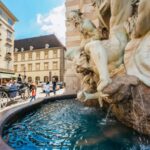
Priority Entry Means You Actually Start With Art
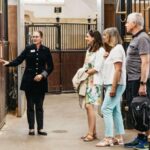
One of the simplest reasons this tour works is the skip-the-line / priority entry setup. When you’re walking into a museum with a reputation for crowds, “we’ll arrive early” isn’t always enough. Priority entry is what keeps your tour on track and stops the day from starting with frustration.
The tour also caps the group at no more than 15 people, which usually means you’re not stuck behind a crowd surge. It’s still a public museum, but the experience is built for movement and listening, not just “shuffle and hope.”
If you’re the type who wants to get your bearings quickly, this approach is smart. You’ll leave the tour knowing where the main rooms are, so your free time after the guide feels more intentional.
Meeting at Maria-Theresien-Platz 1: Quick, Central, and Manageable
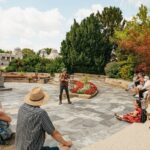
You’ll start at Maria-Theresien-Platz 1, 1010 Wien, with the tour beginning at 10:15 am and ending back at the same meeting point. That return matters. Vienna museum days can turn chaotic if you’re forced to retrace your steps or hunt down a new pickup spot.
This also lines up well with how you might plan the rest of your day around the museum area. Since it’s near public transportation, you’re not locked into a long commute just to start art-focused time.
Two practical notes that can save you stress:
- Umbrellas, backpacks, and rain coats must be left in the cloakroom and can’t be taken into the museum.
- Photos are allowed without flash, which helps if you want to remember details later.
If you’re traveling with a bigger daypack, I’d keep it light for this morning. You’ll thank yourself when you see how tightly time gets managed inside.
What You’ll See: Two Core Exhibitions That Give You a Real Backbone
This guided tour is built around two key exhibitions, focused on the museum’s strongest “wow” factor paired with context you can use later when you wander.
The goal is not to explain every painting you’ll ever meet in the museum. The goal is to give you a backbone: you learn how these artists work, why people cared, and how techniques evolved. That way, when you continue on your own, you’re not staring at artworks like they’re random posters on walls.
The tour duration is listed around 2 to 2.5 hours, which is long enough to feel like you got something real, but short enough that you’re still fresh for the rest of the museum.
Stop 1: Bruegel’s Tower of Babel and the Picture Gallery Foundation
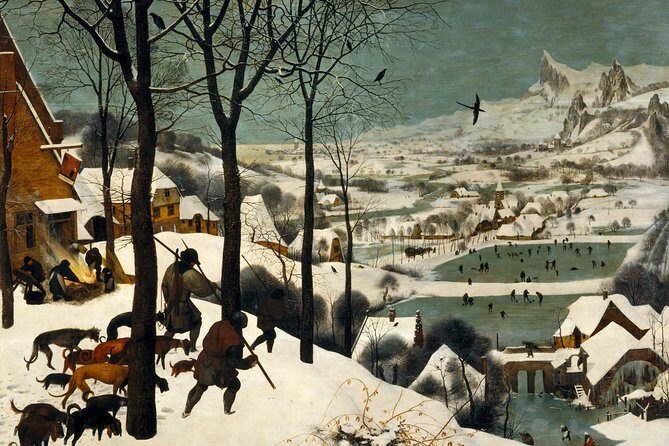
You’ll start by moving into the museum’s Picture Gallery area and getting oriented through Peter Brueghel the Elder’s famous Tower of Babel. It’s a great first anchor because it’s visually dramatic and emotionally loaded. You can’t miss it, and it gives your guide a natural entry point into talking about theme, storytelling, and the way older masters built scenes.
What makes this stop especially useful is that it’s not just about saying it’s impressive. You’re being walked through the context behind why this kind of subject mattered, and how the artist shaped the viewer’s eye across a complicated scene. That’s key in a museum like this, where one room might have dozens of works competing for attention.
I also like that this early stop helps you understand what to look for later in the museum. If you learn how a guide reads one masterpiece closely, you’ll often start spotting details in other rooms on your own—without needing another explanation.
You can also read our reviews of more museum experiences in Vienna



Stop 2: Vermeer’s The Art of Painting and the Technique Conversation
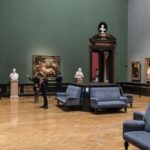
The second major highlight is Vermeer’s The Art of Painting. This is a smarter choice than it sounds because it gives you a direct link between subject matter and method. Vermeer isn’t only about what’s depicted; he’s about how images are made to feel real—lighting, texture, and composition all matter.
In a short tour format, Vermeer can either become “another famous name” or it can become a lesson. Here, the emphasis is on technique and the evolution of artistic choices over time. That’s exactly what turns a famous work into something you can keep thinking about after you leave.
This stop is especially good if you like learning how artists solve visual problems. If you don’t care about technique, you might still enjoy it visually. But if you want a museum visit to teach you something you can reuse, this is one of the best places to focus.
Kunstkammer Details: Celini’s Saliera and the Madonna of Krumau
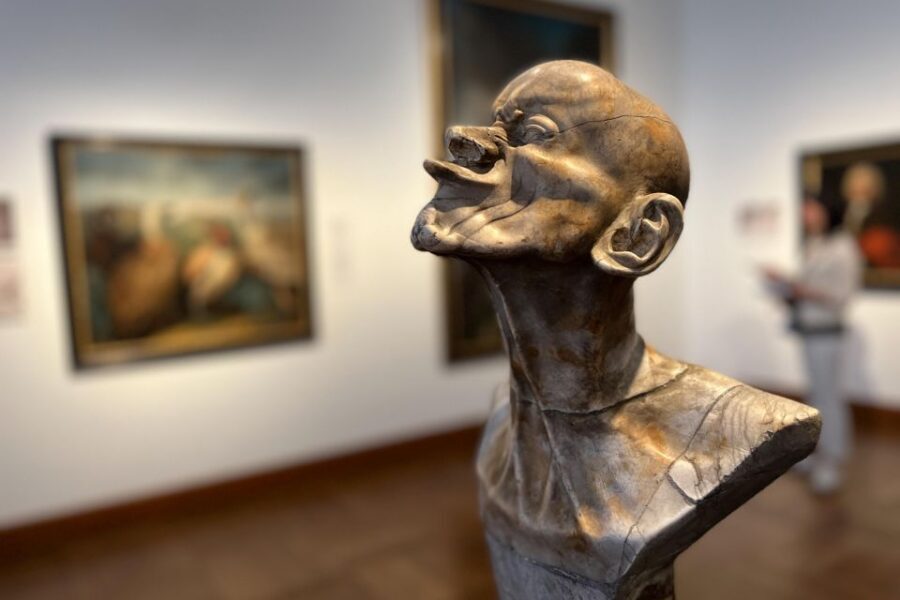
After the Picture Gallery highlights, the tour also includes rare and unusual objects in the Kunstkammer exhibit. This is where the museum gets playful in a different way. Paintings can be timeless, but the Kunstkammer tells you how collectors obsessed over craft, materials, and odd brilliance.
Two items specifically called out:
- the golden Saliera by Celini
- the Madonna of Krumau
This portion matters because it widens your understanding of what a “great museum” means. It’s not only about art as fine painting. It’s about art as engineering, symbolism, and skill. You’ll likely come away with a different kind of appreciation for what collectors in earlier centuries valued.
I also find this makes the tour more interesting for mixed groups. If someone wants paintings and someone else is more curious about objects and design, this section gives both camps something to latch onto.
Time After the Tour: Use Your Free Museum Access Smartly
After the guided part, you’re free to stay and explore the remaining exhibits. The tour information highlights collections covering ancient Greek, Roman, and Egyptian art, among other sections.
Here’s the practical way to use your extra time:
- Don’t try to “finish” the whole museum. Pick one cluster of rooms and go deeper.
- Use what you learned about technique and context from Bruegel and Vermeer as your filter. When you see a work later, ask what story it’s telling and what choices the artist made.
- If you’re into crossovers, look for how the museum organizes its collection so you can connect painting with the broader idea of representation.
Also, keep your eye on what you’re allowed to carry. Since umbrellas and certain bags must be left in the cloakroom, plan your movement so you’re not stuck backtracking for storage.
Group Dynamics: Families, Earpieces, and Pacing That Doesn’t Drag
The small-group limit is more than a number. It changes how the tour feels. It’s easier for a guide to keep the whole group together, easier to slow down for questions, and easier to adjust pacing when people need a seat break.
Some guides are praised for bringing the art to life with stories and answering questions clearly. You might also find that you get a setup like earpieces to hear the guide better—handy in echoey rooms where voices can vanish.
If you’re traveling with kids, this tour can be a good fit because it’s designed to keep the discussion interactive rather than just lecture-style. In at least some departures, guides are described as patient and able to include children in the conversation.
For older travelers, this same seating and pacing flexibility tends to matter too. If you want to move slowly but still get guided context, the structure here is built for it.
Price and Value: What $119.09 Buys You in Real Terms
At $119.09 per person, you’re paying for more than a ticket. You’re paying for:
- Admission included
- A professional guide
- A route through two major exhibitions
- Priority entry
- A tour duration of roughly 2 to 2.5 hours
- A group size capped at 15
That combination is the real value. If you were to do it alone, you’d still need to figure out which rooms matter most. And if you go without priority entry, you might lose time at the door. Time is the currency you spend on museum days, and this tour tries to protect yours.
If you want even more direct attention, there’s also an option to upgrade to a private guide for your group. That can be worth it if you’re visiting with family members who want extra time per room, or if you’re the type who asks lots of questions and doesn’t want to stay on a tight group pace.
Who Should Book This, and Who Might Prefer a Different Plan
This guided tour is a strong choice if you:
- want a fast, focused introduction to Vienna’s top art museum
- love learning about old masters and the reasoning behind artworks
- appreciate a structured route rather than figuring out the museum from scratch
- want a morning plan that includes admission and still leaves you free to explore
It may be a less good fit if you:
- need a wheelchair-accessible option or have walking limitations, since the tour isn’t available for those using a wheelchair or with walking disabilities
- want to bring bulky items inside, since cloakroom rules restrict umbrellas, backpacks, and rain coats
Also note: the tour is offered in English, so if you prefer another language, you’ll need to look at other options.
Should You Book? My Practical Recommendation
If you’re visiting Vienna and you only have a few museum hours to spare, I’d book this. The priority entry plus a small group route through Bruegel, Vermeer, and the Kunstkammer is a smart way to get the museum’s best “entry points” without spending your whole day lost in galleries.
I’d especially recommend it if you like your art with context. The tour format is built to help you read what you’re seeing, not just walk past it.
The main reason to skip would be accessibility needs or if you strongly prefer to roam completely on your own. For most people, though, this is one of the cleanest “value-per-hour” ways to experience the Kunsthistorisches Museum.
FAQ
How long is the Kunsthistorisches Museum guided tour?
The tour runs about 2 hours to 2 hours 30 minutes.
Is admission included in the tour price?
Yes. The tour includes all entrance fees, so admission is part of what you pay.
What group size is this tour?
It’s a small-group tour with a maximum of 15 guests.
Is the tour offered in English?
Yes, the tour is offered in English.
Is the tour wheelchair accessible?
No. The tour is not available for those with walking disabilities or using a wheelchair.
Do I need to leave items in the cloakroom?
Yes. Umbrellas, backpacks, and rain coats must be left in the cloakroom and can’t be taken into the museum.
Are photos allowed?
You can take photos without flash in the museum.
What should I do if I want to cancel?
You can cancel for a full refund if you cancel at least 24 hours before the experience starts. If you cancel less than 24 hours before, the amount paid won’t be refunded.