REVIEW · VIENNA
Belvedere Palace and Museum Tour
Book on Viator →Operated by Insight Cities · Bookable on Viator
Gustav Klimt makes more sense here. This Belvedere Palace and Museum tour pairs Baroque splendor outside with major Klimt masterpieces inside, guided by a professional art historian.
I especially like how you start with the grounds and palace exterior, so the art and collection feel connected to the people who built this place. You’ll also get the kind of context that turns a quick museum pass into real understanding.
One note to plan for: museum admission isn’t included, so you’ll need to buy tickets on your own (your guide can help at the start).
In This Review
- Key things to know before you go
- Why Belvedere is worth doing with a guide (not just a ticket)
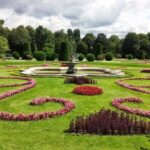
- Jardines de Belvedere: the outdoor part that sets the tone
- Upper Belvedere grounds and the palace exterior: where you learn what you’re seeing
- Inside Belvedere Museum: Klimt and the art context that changes how you look
- How the pacing works in 2 hours 30 minutes
- Small-group touring: why the group size matters at Belvedere
- Price and value: what you’re paying for (and what you still pay separately)
- Who should book this Belvedere tour—and who might skip it
- Should you book this Belvedere Palace and Museum Tour?
- FAQ
- FAQ
- How long is the Belvedere Palace and Museum tour?
- Is the tour offered in English?
- How many people are in the group?
- Is museum admission included in the price?
- Will the guide help with tickets?
- Where does the tour start and end?
- What’s included in the tour cost?
- Is hotel pickup or transportation included?
- Can I get a full refund if I cancel?
Key things to know before you go
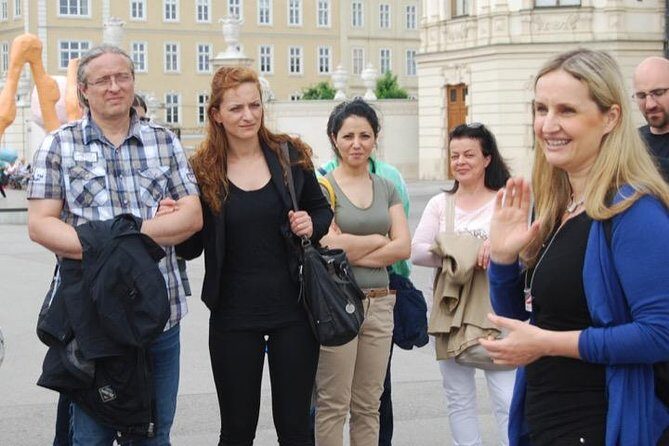
- Small group, big attention: capped at a very small size, so questions and photo time actually fit in.
- You’re paying for guidance, not just entry: the included cost is a professional art historian guide; museum admission is extra.
- Gardens first, museum second: you’ll get the setting and symbolism before you face the canvases.
- Klimt is the star, but not the only focus: the museum spans from the Middle Ages to the present day.
- English-language tour: offered in English, with your guide steering the pace.
Why Belvedere is worth doing with a guide (not just a ticket)
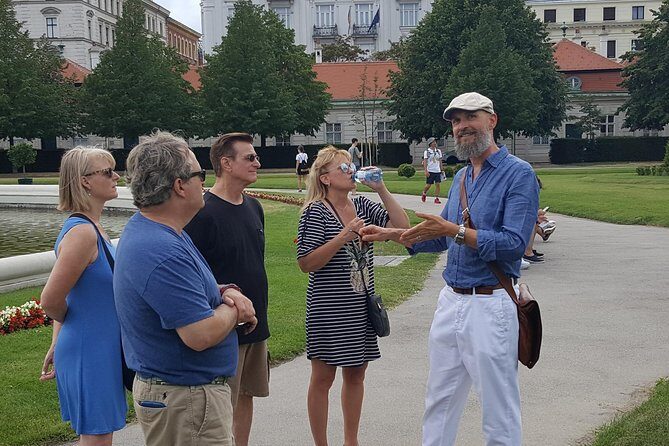
Belvedere is one of those Vienna stops where the building, the gardens, and the artworks all explain each other. Without a guide, it’s easy to see a beautiful palace and then wander the museum with no sense of why certain works matter more than others.
With this tour, you get a story-driven route. The grounds aren’t treated like filler before the museum—they’re treated like the key to understanding the mindset behind the complex. And once you move indoors, the guide helps you connect what you’re looking at to the wider Vienna world: who collected art, what power looked like, and how style shifted over time.
You can also feel the value in the pace. The tour is long enough to slow down, but not so long that you lose focus. I like that the format is built for first-time visitors who want the highlights and the meaning, not a rushed checklist.
You can also read our reviews of more museum experiences in Vienna


Jardines de Belvedere: the outdoor part that sets the tone
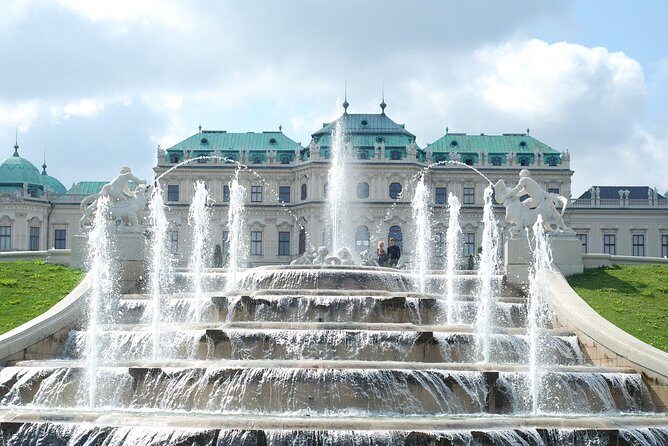
The walk through Jardines de Belvedere is where the palace stops being “just pretty” and starts being political. Belvedere was designed in the early 18th century as a summer residence for Prince Eugene of Savoy, a top military commander and major figure in Austrian history. That matters, because the complex was meant to project harmony, control, and prestige—not just comfort.
You’ll see the Upper Belvedere as a Baroque architectural statement, and you’ll get a sense of how the formal gardens connect back to classical ideas from antiquity. This is the kind of background that makes you look harder at shapes, symmetry, and sightlines.
A couple of practical things you’ll want to keep in mind:
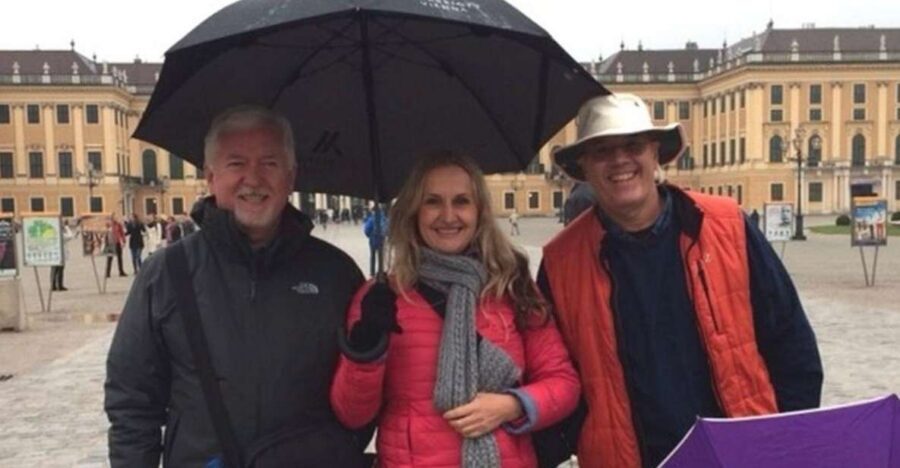
- Weather affects your outdoor experience. One guide-led visit was described as especially meaningful even with rain, but the suggestion is obvious: in better weather, the views around the grounds feel more rewarding.
- The grounds include features beyond the “postcard garden paths.” In at least one guided experience, the guide pointed out details such as the zoo on the grounds. If parts of the complex are open during your visit, expect your guide to point them out and explain how they fit into the broader site.
Even if you’re not the type to notice garden geometry, starting outside helps you understand what the museum collection is doing later: showing art that belongs to this world of ceremony, taste, and status.
Upper Belvedere grounds and the palace exterior: where you learn what you’re seeing
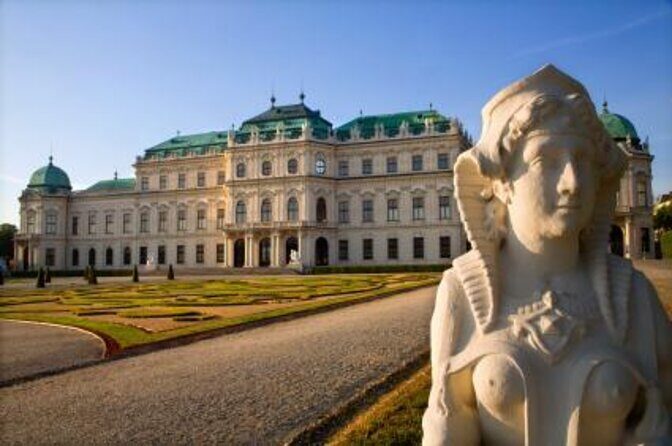
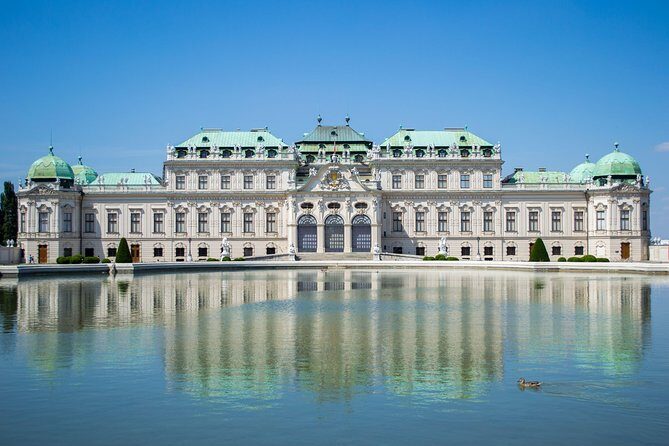
During the outdoor portion, the guide focuses on why the site was built and how it was meant to be experienced. That includes the “why” behind scale—why the palace looks grand, why the composition feels deliberate, and why the gardens are designed to guide your movement and eye.
This is also where some of the best guide personalities show up. I’m seeing a recurring theme in how the tour is described: guides like Stephen and Barbara stood out for explaining how Viennese history connects to what you’re seeing, not just reciting dates. Others—like Selin and Suzanne—were praised for turning buildings and art into living stories.
If you’re visiting Vienna for the first time, that extra layer pays off. You start to recognize that this isn’t only about Austrian art. It’s also about how Vienna marketed itself—through architecture and through who got access to elite culture.
Inside Belvedere Museum: Klimt and the art context that changes how you look
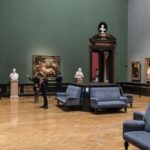
After the grounds, you’ll transition into the Belvedere Museum. This is a world-class collection spanning art from the Middle Ages to the present, but the spotlight here is often the Austrian masters—especially Gustav Klimt.
The tour is built around the highlights of the museum, with plenty of attention on what makes Klimt’s works so recognizable and so tricky to understand at first glance. Expect the guide to steer you toward major paintings, including The Kiss, Judith, landscapes from the Attersee series, and elegant portraits of high-society women.
What I like about doing this with an art historian guide is that you learn how to look without feeling like you need a degree. Guides were specifically praised for making the artworks feel alive and for explaining how individual paintings fit into the bigger story of the palace and Vienna’s evolution.
A museum like this can swallow time. One positive mention described how a guide gave time to admire and analyze works in each room, then moved the group along without turning it into a race. That’s exactly the kind of structure that makes a “highlights” museum tour feel satisfying rather than superficial.
And yes, Klimt is the headline. But the tour approach is helpful even if you love other artists too, because you’ll come away understanding what made Klimt a product of his moment—style, patronage, and the cultural climate shaping what people wanted to see.
How the pacing works in 2 hours 30 minutes
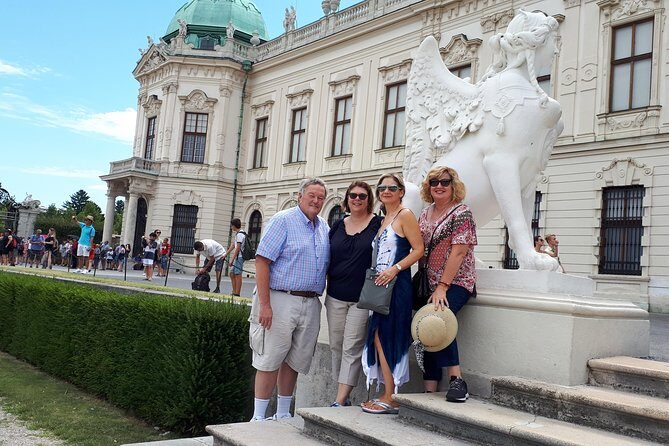
The tour runs about 2 hours 30 minutes, with the outdoor and indoor portions split across that time. Admission to the site isn’t included, so you should plan a bit of time for ticket purchase before you begin proper touring.
The best part of the timing is that it’s long enough to get context and still short enough to avoid museum fatigue. For many people, that’s the difference between leaving with a handful of photos and leaving with a mental map of what mattered.
One small caution: there’s an art-lovers bias in the format. In one case, the visit felt like it spent more time on analyzing paintings indoors than the visitor expected. If you’re the type who prefers long garden roaming and quick museum glances, you might want to adjust your expectations going in.


Small-group touring: why the group size matters at Belvedere
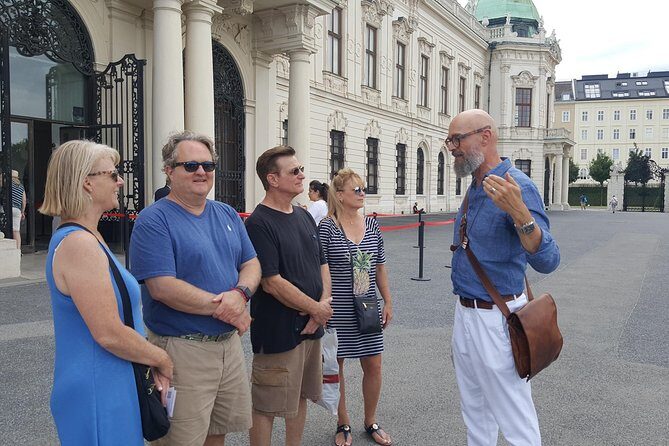
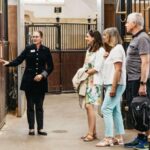
This tour is designed as a small-group experience. The group size is capped at a very low number—listed as up to 6 people per tour, and also described with a maximum of 8 travelers for the activity overall. Either way, the point is clear: you won’t be swallowed by crowds.
That small scale changes the whole feel:
- You can ask questions and get answers that fit what you’re actually looking at.
- You can talk with the guide about Vienna history, not just art terms.
- You’re more likely to get personal attention rather than being herded through rooms.
Several guides earned standout praise for being engaging and responsive, including Barbara, Annelie, Peter, Katarina, and Alan. One common theme in those positive descriptions is that guides connected art to politics and social life in Vienna, not just to artistic technique.
If you like your tour guides to be more than a narrator—more like a teacher who can pause when you’re stuck on a painting—this format is a strong fit.
Price and value: what you’re paying for (and what you still pay separately)
The price is $181.02 per person for about 2 hours 30 minutes. Here’s the useful way to think about it: you’re paying for a professional art historian guide, plus the structure that makes Belvedere’s highlights make sense.
What’s included:
- A professional art historian guide
What’s not included:
- Museum entrance ticket fee
- Hotel pickup and drop-off
- Transportation to/from attractions
So the value depends on two things: (1) whether you enjoy learning while you look, and (2) how you feel about paying for admission separately. In a museum like Belvedere, paying admission without guidance can still be worthwhile. But if you care about understanding why certain works matter, the guide changes the experience more than you’d expect.
Also, this tour is often booked well ahead of time (on average, about 68 days in advance). If your travel dates are firm, I’d treat that as a hint to lock in early.
Who should book this Belvedere tour—and who might skip it
This tour is a great match if you want:
- A first look at Belvedere that still feels meaningful
- Major Klimt highlights like The Kiss and Judith
- Context that connects palace, gardens, and the art collection
- A guide-led pace that allows photos and questions
It’s especially good for people who don’t want to guess at symbols or historical references. The tour works because it turns the big museum rooms into a guided conversation, not a self-guided maze.
It may be less ideal if:
- You mostly want long outdoor wandering and minimal time inside
- You already have a detailed personal plan for Klimt and just want to walk the galleries on your own
That doesn’t mean it’s bad—it just means you should match the tour to your style.
Should you book this Belvedere Palace and Museum Tour?
Yes—if your goal is to leave Belvedere with understanding, not just souvenirs. Starting in the gardens, then moving into a highlights route inside the museum, is a smart way to make the day click. The strongest reason to book is the professional art historian guidance, which turns Klimt and the rest of the collection into something you can actually place in Vienna’s story.
If you’re going to Belvedere anyway, this tour is the best way to get more from your museum ticket. Just budget for admission separately and go in ready to spend a fair chunk of time indoors.
FAQ
FAQ
How long is the Belvedere Palace and Museum tour?
It’s about 2 hours 30 minutes.
Is the tour offered in English?
Yes, the tour is offered in English.
How many people are in the group?
The tour is small. The information lists a maximum of 6 people per tour and also states a maximum of 8 travelers for the activity.
Is museum admission included in the price?
No. Museum entrance ticket fees are not included.
Will the guide help with tickets?
Yes. Your guide can help you purchase tickets at the beginning of the walk.
Where does the tour start and end?
It starts at Belvedere Palace, 1030 Vienna, Austria and ends back at the meeting point.
What’s included in the tour cost?
A professional art historian guide is included.
Is hotel pickup or transportation included?
No. Hotel pickup and drop-off, plus transportation to and from attractions, are not included.
Can I get a full refund if I cancel?
Yes. There’s free cancellation, and you can cancel up to 24 hours in advance for a full refund.