REVIEW · VIENNA
‘Armenia In The Heart Of Vienna
Book on Viator →Operated by MAGELLINE · Bookable on Viator
Vienna can feel like one big postcard—until you walk into Armenia’s story right in the middle of it. This tour focuses on the Mekhitarist Order and the collection of Armenian artifacts you don’t usually see on standard city walks. I love how it connects Armenian culture with Austrian influence, and I also like the practical, hands-on feel of the Catherine liquor portion, including the buzz of free liquor and stories. One possible drawback: at $89.36 for about 1 hour 30 minutes, it’s best if you’re genuinely curious about Armenian scholarship and material culture, not just looking for a quick highlight stop.
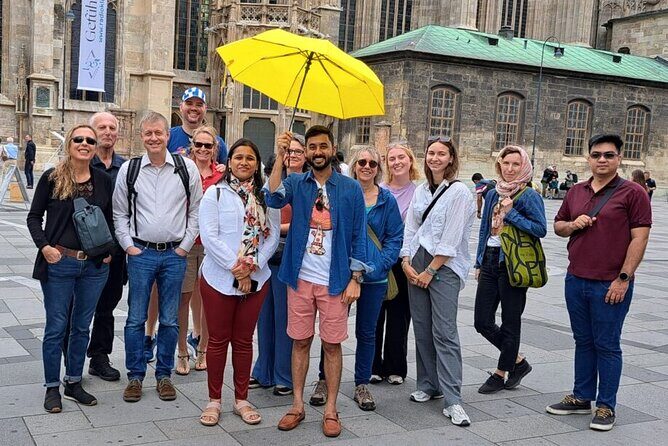
You meet at Mechitaristengasse 4 and go in with an English-speaking guide in a small group (max 15). Most people can join, and you’re not far from public transportation. If you’re short on time, this is a focused option—just know it’s more “learn and look closely” than “see famous landmarks fast.”
In This Review
- Key Highlights at a Glance
- Armenia in the Heart of Vienna: What This Tour Really Is
- Where You Start: Mechitaristengasse 4 and the 90-Minute Rhythm
- Stop at the Mekhitarist Congregation: Manuscripts and Everyday Evidence
- Why the Mekhitarist Order Matters for Armenia and Austria
- What You’ll See Inside: Coins, Folk Costumes, Rugs, and Books
- Art Exhibitions at the Militarist Museum: Context Without Losing the Thread
- Catherine Liquor: Taste, Family, and a Very Human Side of History
- The Best Part of the Experience: Small Group Focus
- Price and Value: Is $89.36 Worth 90 Minutes?
- Who Should Book This Tour in Vienna?
- Quick Tips Before You Go
- Should You Book Armenia in the Heart of Vienna?
- FAQ
- How long is the Armenia in the Heart of Vienna tour?
- What language is the tour offered in?
- Where do I meet for the tour?
- Is admission included?
- What is the group size limit?
- Is the ticket mobile?
- What is the price per person?
- Is free cancellation available?
- Is this tour suitable for most people?
Key Highlights at a Glance
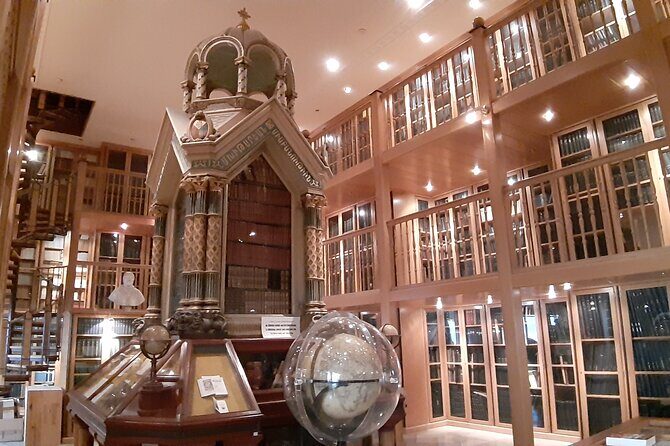
- Mekhitarist Congregation focus in central Vienna, where Armenian scholarly life meets Austrian history
- Manuscripts, coins, costumes, rugs, and books that turn culture into something you can actually see
- Art exhibitions at the Militarist Museum that broaden the context beyond the monastery walls
- Catherine liquor stories and tasting tied to taste, history, and family tradition
- Small group size (up to 15) that makes it easier to ask questions
Armenia in the Heart of Vienna: What This Tour Really Is
This isn’t a “walk-and-point” Vienna tour. It’s a short, guided session designed to explain why the Mekhitarist Order mattered—then back it up with objects you can view up close. You’ll spend most of your time engaging with Armenian cultural artifacts connected to Vienna’s intellectual and religious life.
The tour also includes the side of history you can taste. Catherine liquor (often referred to as Chatherine/Catherine in descriptions) shows up as a meaningful thread: not just a drink, but a family and craft story. That mix—archives plus something you can experience—makes the whole thing easier to remember.
You can also read our reviews of more tours and experiences in Vienna.


Where You Start: Mechitaristengasse 4 and the 90-Minute Rhythm
You start at Mechitaristengasse 4, 1070 Wien. That’s helpful because it anchors the experience in one real neighborhood setting, not a scattered route. The activity ends back at the meeting point, so you’re not left guessing about getting home.
The time window is about 1 hour 30 minutes. For me, that matters because this kind of cultural visit can otherwise turn into a long museum slog. Here, you get enough structure to stay engaged, then you’re free to carry the story into the rest of your day in Vienna.
You’ll go in with a guide in English, and you get a mobile ticket. The small group limit (15) is also a big deal: in a place like a monastery or archive-style setting, small groups help keep the pace calm and the questions possible.
Stop at the Mekhitarist Congregation: Manuscripts and Everyday Evidence
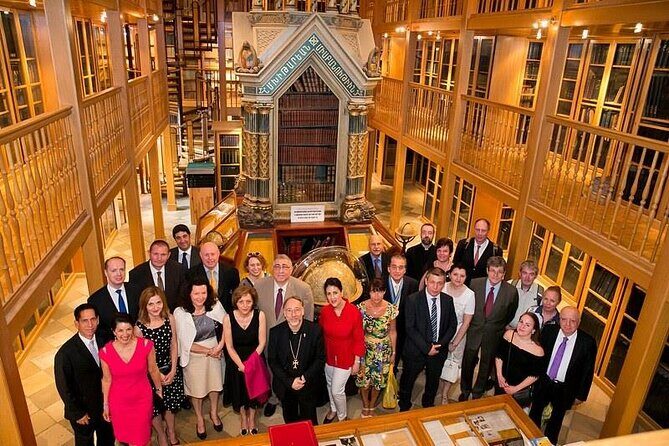
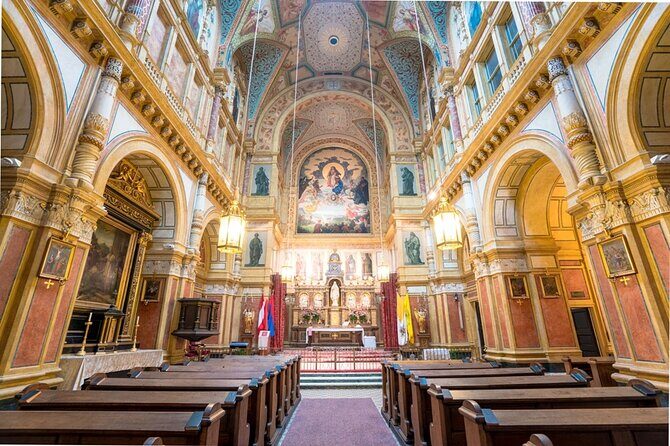
The heart of the experience is the Mekhitarist Congregation in Vienna. This is where the tour’s main idea becomes visible: Armenian intellectual life wasn’t trapped behind national borders—it grew, traveled, and shaped what happened in Austria too.
The setting itself contributes to the mood. One of the strongest points you’ll hear during the tour is that the monastery’s story goes back to the 17th century. That’s not just a date to note—it changes how you look at what’s inside. A place with that kind of continuity feels less like a display and more like a working archive of identity.
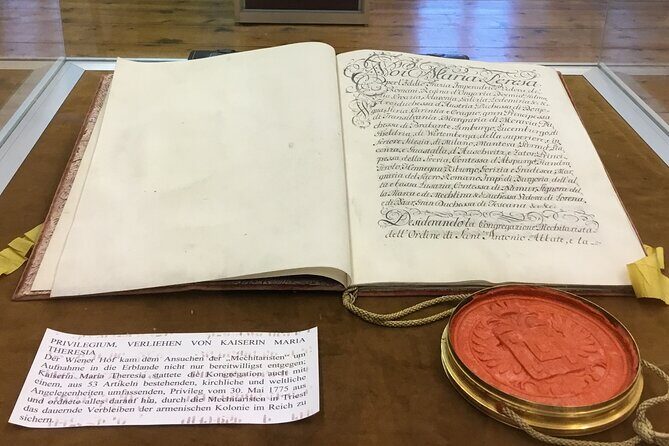
As you move through the items, focus on how the objects reinforce the lesson. The tour highlights ancient and medieval pieces, so you’re not only seeing modern references. You’ll also see printed and written materials—books and periodicals—so it isn’t all ancient artifacts frozen in time.
Why the Mekhitarist Order Matters for Armenia and Austria
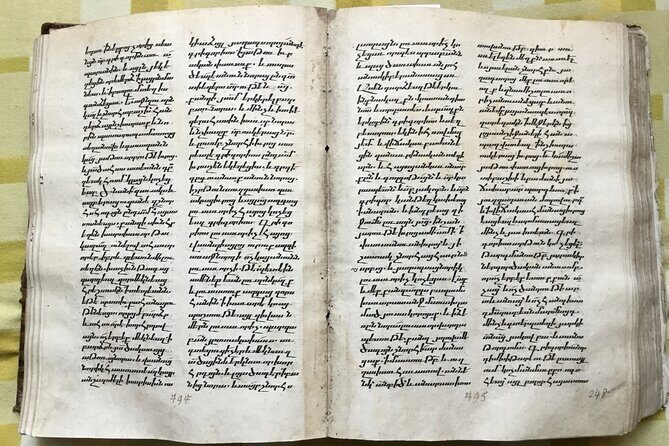
The tour’s storyline centers on the Mekhitarist Order’s role in both Armenian and Austrian legacy. You’ll hear about its scholarly achievements and its importance in a 19th-century renaissance of Armenian culture.
One phrase that captures what you should expect here is the idea that the Mekhitarists became first pioneers of Austrian culture in the Orient. In plain terms: the tour frames the Order as a bridge. It connected Armenian learning with European intellectual life and helped carry Armenian culture outward at the same time.
If you like history that has fingerprints—people who built institutions, libraries, and networks—this works well. The collection isn’t presented as random “stuff.” It’s used to argue a point: cultural influence travels through education, writing, collecting, and teaching.
What You’ll See Inside: Coins, Folk Costumes, Rugs, and Books
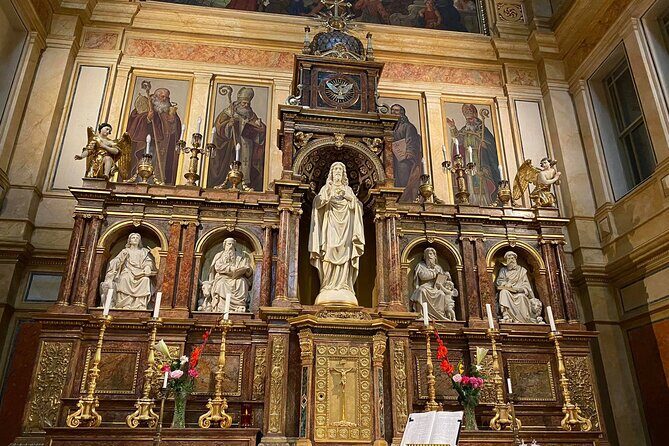
This is one of the most practical parts of the tour, because it gives you a mental checklist while you look. According to what’s highlighted for this experience, you should expect to see:
- Ancient and medieval coins
- manuscripts
- folk costumes
- rugs
- books and periodicals
What I like about this set is how it covers different ways people express culture. Coins can hint at trade, political change, and dates. Manuscripts point to scholarship and language. Folk costumes and rugs move you from “what people believed” to “how people lived and dressed.” Books and periodicals show the more modern flow of ideas.
If you’re the type who enjoys learning by visuals, you’ll likely stay engaged. If you’re the type who needs interactive experiences, you might wish for more hands-on activities—but with historical objects, the format tends to be observation and explanation.





Art Exhibitions at the Militarist Museum: Context Without Losing the Thread

The tour also mentions art exhibitions displayed in the Militarist Museum. Even though the main focus is clearly the Mekhitarist Congregation, this extra context matters because it keeps the story from becoming too single-note.
Think of it like this: the Order’s influence sits at the intersection of culture, scholarship, and wider European life. A museum setting can help you see the bigger environment around those contributions. It’s less about turning this into a military-themed visit and more about broadening what “Vienna + Armenia” can look like in material form.
If you’re already interested in how Vienna’s institutions shaped (and were shaped by) other cultures, this added museum component makes sense. If you prefer a strict focus on one place, you may find yourself wanting even more time at the Congregation itself.
Catherine Liquor: Taste, Family, and a Very Human Side of History

The Catherine liquor world is a standout element, and it’s also where the tour earns its best moments. One of the strongest notes from the experience is the idea of free liquor and stories. That’s not just a perk—it’s how the tour makes culture feel personal.
You’ll be guided through the taste and the history, with a family connection woven into the explanation. In other words, you’re not learning only dates and names. You’re learning how a craft became something people passed down, adapted, and used as part of identity.
Practical advice: since the tour mentions liquor tasting, pace yourself. Keep in mind you’ll likely be standing and walking through exhibitions for the full 1 hour 30 minutes. If you’re sensitive to alcohol, go slow and consider bringing a bottle of water so you can stay comfortable afterward.
The Best Part of the Experience: Small Group Focus
A maximum group size of 15 changes the feel. In a setting with historical objects and explanations, smaller groups help your guide keep a steady pace and answer questions without turning the visit into a rush.
This matters most if you’re the kind of visitor who likes to connect the dots. The tour’s concept relies on interpretation: how scholarship, collecting, and cultural exchange created lasting ties. With a smaller group, you can ask about what something means instead of only collecting facts.
Price and Value: Is $89.36 Worth 90 Minutes?
Let’s be honest: $89.36 isn’t pocket change for an outing that’s about 1 hour 30 minutes. So you should judge it based on your interests, not the price alone.
Here’s where the value comes from:
- You’re getting a focused guided experience in English, likely with direct attention from the guide rather than a huge crowd flow.
- The content combines multiple elements: Armenian scholarly context, historic objects, art exhibitions at the Militarist Museum, and a Catherine liquor storytelling/tasting component.
- Admission is included, which reduces the chance you’ll feel nickel-and-dimed once you arrive.
If you’re a casual visitor who mainly wants famous Vienna sights, you might feel this is pricey for a short schedule. If you care about Armenian culture, diaspora history, book-and-object learning, or you enjoy food and drink as story tools, it starts to look like a fair deal.
Who Should Book This Tour in Vienna?
This fits best if you:
- like Armenian culture and want context that goes beyond surface-level facts
- enjoy learning with physical artifacts (coins, manuscripts, textiles, books)
- want a Vienna experience that’s not just the usual first-time checklist
- appreciate the way food or drink can carry history through family practice
It also works well for couples or solo travelers who like asking questions and moving at a calmer pace. If you’re traveling with teens or older adults, the format may be a good match since it’s short and guided.
If you need a highly interactive experience with lots of participation, you may find the style more observational than hands-on. And if you dislike alcohol entirely, note that the tour explicitly includes liquor as a feature.
Quick Tips Before You Go
A few practical moves can help you get more from the time:
- Wear comfortable shoes. Even a short tour can mean standing close to displays and moving through rooms.
- Bring a curious mindset for language and institutions. The Mekhitarist Order story is full of names and roles; you don’t need to memorize everything, but do try to follow the connection.
- If you’re planning lunch afterward, consider saving your appetite. The liquor portion can set you up for a lighter feel later.
Should You Book Armenia in the Heart of Vienna?
I’d book this if you want a meaningful cultural detour that still fits into a busy Vienna schedule. The strongest reasons are the focus on the Mekhitarist Congregation story and the way the tour uses objects—coins, manuscripts, costumes, rugs, books—to make history tangible. The Catherine liquor segment also gives the experience a human warmth that you don’t get from a standard museum walk.
Skip it if you’re only chasing quick Vienna highlights or if you’re not interested in Armenian scholarship, religious-cultural institutions, or tasting liquor as part of the narrative. With the right interests, though, this is exactly the kind of small, well-timed tour that makes a city feel deeper.
FAQ
How long is the Armenia in the Heart of Vienna tour?
It’s approximately 1 hour 30 minutes.
What language is the tour offered in?
The tour is offered in English.
Where do I meet for the tour?
You meet at Mechitaristengasse 4, 1070 Wien, Austria.
Is admission included?
Yes. Admission ticket is included as part of the experience.
What is the group size limit?
The tour has a maximum of 15 travelers.
Is the ticket mobile?
Yes, the tour uses a mobile ticket.
What is the price per person?
The price is $89.36 per person.
Is free cancellation available?
Yes. You can cancel up to 24 hours in advance for a full refund.
Is this tour suitable for most people?
The experience notes that most travelers can participate.