REVIEW · VIENNA
Vienna: Wiener Schnitzel and Strudel Cooking Class
Book on GetYourGuide →Operated by Nabiel Michael Elsissi · Bookable on GetYourGuide
Three hours in Vienna, and you eat your homework. In Nabiel Michael Elsissi’s home-style setup, you’ll learn Wiener Schnitzel and Apple Strudel the way a Viennese family teaches it.
I love that you can choose veal, chicken, or vegan/vegetarian, so the class stays practical for real diets. I also love that the meal isn’t dry and formal: you get water plus one glass of Austrian white wine, prosecco, or beer while you cook and eat.
The only thing to think about is that this is a hands-on evening, not a sit-and-watch show, and alcohol is included with the drink choice—so if you don’t drink, ask what your options are before you go.
In This Review
- Key things to know before you go
- Why this Vienna cooking class beats another schnitzel meal
- Finding Restaurant Nabiel and stepping into the right mood
- Wiener Schnitzel: the thin-cut, crispy technique that actually matters
- Your schnitzel comes with the right partners
- Apple Strudel: learning the family method (not just assembling dessert)
- The table experience: drinks included, food plentiful, and the vibe stays friendly
- Drinks during cooking
- Enough food to satisfy
- Humor and group energy
- How the $176 price makes sense for what you get
- Who this class is best for in Vienna
- Tips so you leave proud (and not stressed)
- Should you book Wiener Schnitzel and Strudel in Vienna?
- FAQ
- How long is the Wiener Schnitzel and Strudel cooking class?
- Where is the meeting point in Vienna?
- What dishes will I learn to make?
- Are vegan or vegetarian options available?
- What drinks are included?
- Do I get to participate hands-on?
- What languages does the instructor speak?
- Is the activity wheelchair accessible?
- Reviews Summary
Key things to know before you go
- Family-recipe focus: you’re learning schnitzel and strudel technique from a home tradition, not just copying a restaurant plate.
- Crispy schnitzel “rules”: thin edges, correct breading, and frying details are a big part of what you practice.
- Diet options built in: veal, chicken, plus vegan and vegetarian alternatives are handled in the same session.
- Intimate, participation-friendly format: it’s designed so you can jump in as much as you want.
- Drinks with the class: water and a glass of white wine, prosecco, or beer are part of the experience.
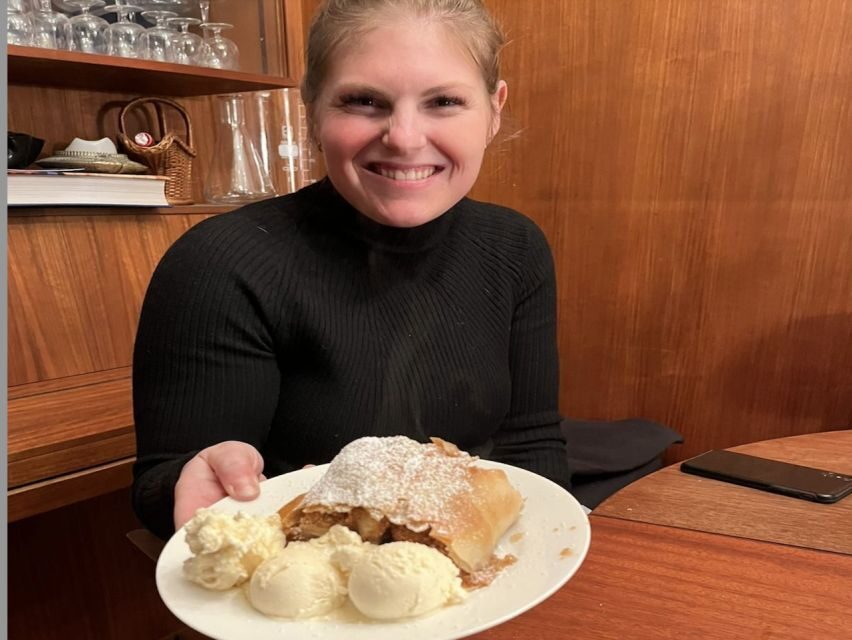
- Dessert payoff: apple strudel is made as part of the evening, so you eat what you worked on.
Why this Vienna cooking class beats another schnitzel meal
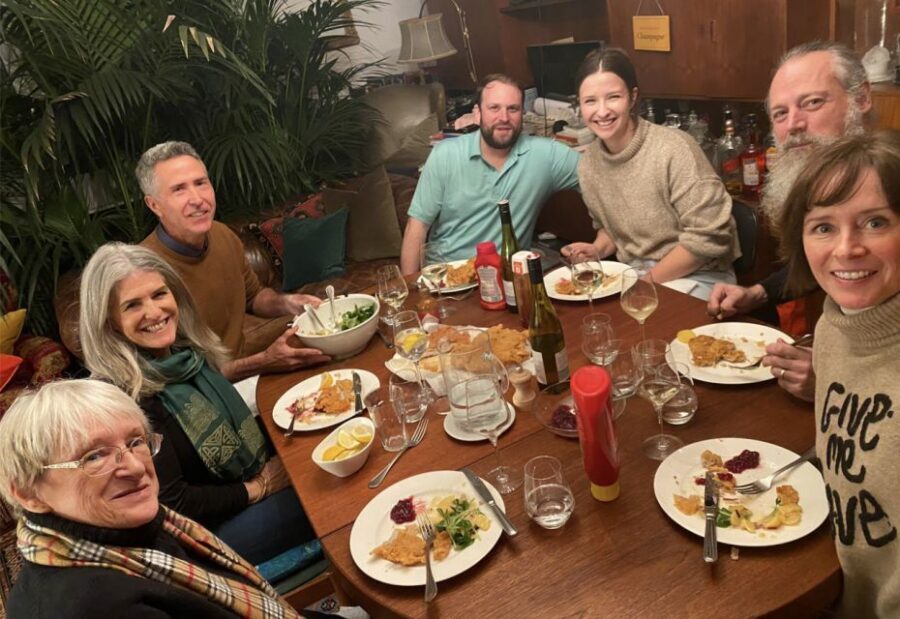
Vienna is full of places serving schnitzel. What this class does differently is the “how.” You don’t just order it. You learn what makes schnitzel stay crisp and juicy, even after it’s plated. And because you’re in a cozy kitchen with Nabiel, the lesson comes with real talk: what to watch for, what goes wrong, and how to fix it without panicking.
I also like that you’re not sent off into a maze. The setting is intentionally small and personal. Multiple cooks in your group get time to participate, so the evening feels like dinner with a host who actually wants you to succeed—not like a ticketed demo.
One more practical win: you’re eating your results right away. That matters because schnitzel and strudel are both best when you understand timing. You’ll feel the difference between good technique and just “making it work,” because you’ll taste the finished plates in the moment.
You can also read our reviews of more cooking classes in Vienna


Finding Restaurant Nabiel and stepping into the right mood
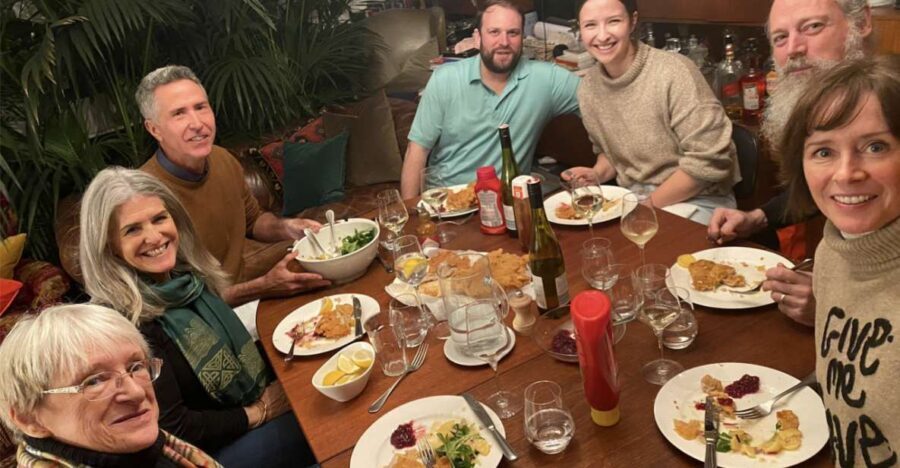
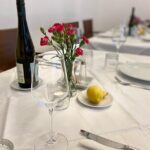
You’ll meet at Restaurant Nabiel. Plan to arrive a bit early so you’re not rushing into a kitchen setting. It helps to be calm and ready to cook because the evening moves along at a friendly pace, and Nabiel is the kind of host who brings energy from the first minute.
From there, the experience is set up like a home meal. Expect a cozy kitchen, simple flow, and lots of interaction. The instructor, Nabiel Michael Elsissi, teaches in English and German, so language won’t be a barrier if you’re in either mode.
Two other logistics notes that are worth keeping in mind:
- Wheelchair accessible: the activity is listed as wheelchair accessible, which is great if you need that detail covered.
- No hotel pickup: you’ll make your own way to the meeting point.
If you want the best experience, treat it like a meal you’ll remember, not a quick activity between sights.
Wiener Schnitzel: the thin-cut, crispy technique that actually matters
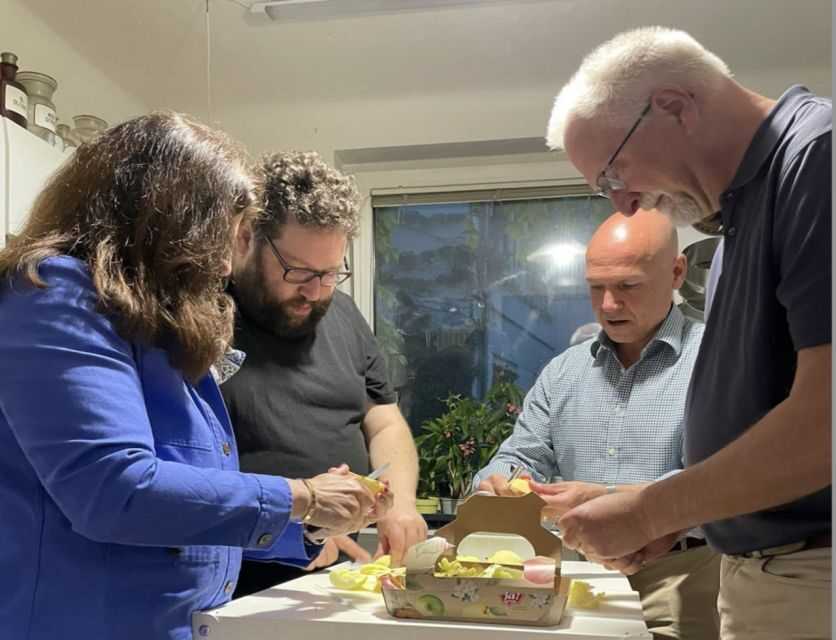
The main event is Wiener Schnitzel—and not a vague version. You’ll work with tender Austrian veal or chicken, and the class also offers vegan and vegetarian options. That means you get the core lesson about breading and frying without being forced into one rigid method that only works for one ingredient.
Here’s what you’ll be focusing on, based on the class style and the repeated emphasis in what participants remember:
- Getting the cut right: schnitzel depends on thinness. When the cut is too thick, the crust can brown before the inside is properly cooked.
- Breading with intent: you’re learning the sequence and the handling that helps the crumb cling instead of sliding off.
- Frying for crispness: the goal is a schnitzel that stays crackly at the edges while remaining juicy in the center.
Even if you’ve cooked schnitzel before, this class is built to fine-tune your instincts. You’ll get reminders of what to look for and why. And because it’s in a home setup, you’re not stuck watching from the sidelines.
One small but real advantage: the host keeps things moving while still making the steps understandable. In real life, that’s what helps most people. You don’t need culinary school. You need a clear method and someone standing close enough to guide you when you’re about to do something slightly wrong.
Your schnitzel comes with the right partners
Schnitzel isn’t complete without sides, and the class includes classic pairings such as parsley potatoes or homemade potato salad. These aren’t random add-ons. They’re part of how Viennese comfort food stays balanced—especially when schnitzel is rich and crunchy.
Apple Strudel: learning the family method (not just assembling dessert)
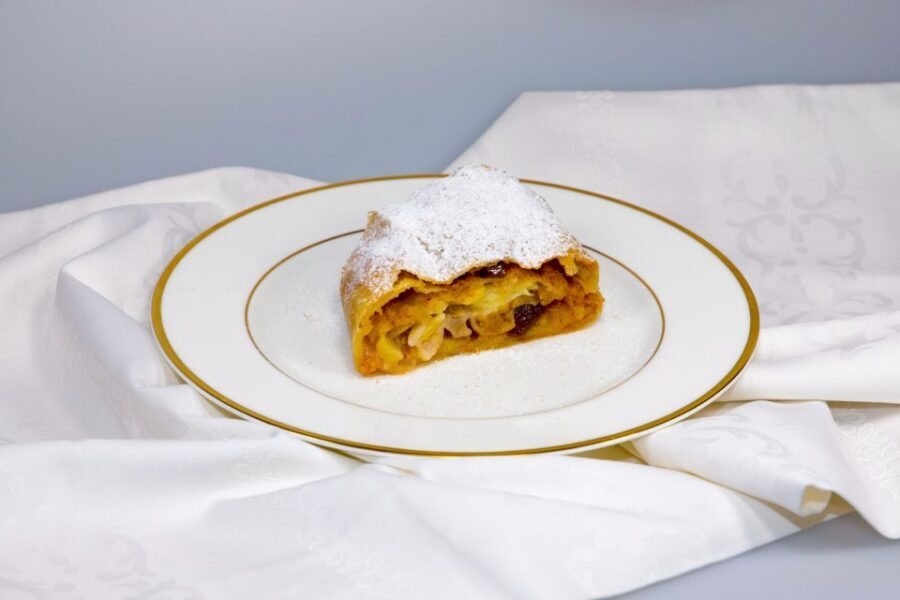
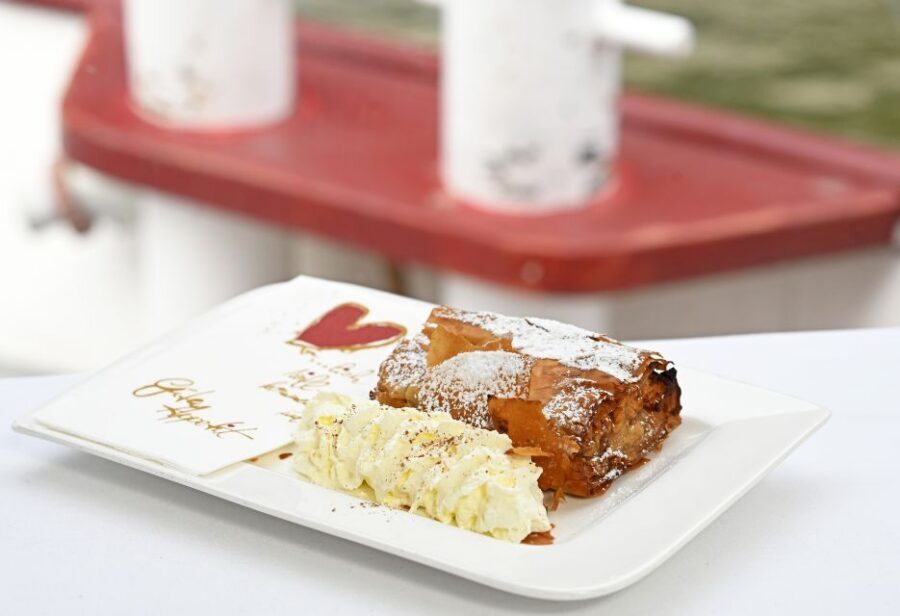
After schnitzel comes Apple Strudel. This is where the evening turns more “cozy” and less about frying. You’ll learn the method for the strudel as a tradition passed down through generations, with a focus on doing it the right way rather than rushing to an Instagram-ready final.
What’s notable is the way the host frames it: strudel isn’t only about apples and cinnamon. It’s about technique—especially the dough and handling—so the result bakes into layers that taste delicate, not tough.
Participants also highlight that Nabiel connects this lesson to family practice. Some descriptions include a grandmother or family-style instruction, and that matters because it changes the tone. You’re not just following steps; you’re learning a household approach. That makes the recipe easier to repeat later, because you understand what you’re aiming for.
And unlike many dessert classes where you watch and then receive a slice, this one is built around eating what you made. That’s a huge part of why the evening feels satisfying.
You can also read our reviews of more tours and experiences in Vienna




The table experience: drinks included, food plentiful, and the vibe stays friendly
Food-focused classes can go one of two ways: either you work hard and eat a sad portion, or you get a show with no real outcome. This one tries to blend both—hands-on cooking and a meal that feels generous.
Drinks during cooking
You’ll get water plus a choice of one glass of Austrian white wine, prosecco, or beer. Multiple comments mention the drinks flow and that the host keeps the mood up. So if you’re drinking, you’ll probably feel like the evening has a built-in rhythm.
If you don’t drink alcohol, you might want to check in advance about practical alternatives since the listing says a glass of wine/prosecco/beer is included as your choice.
Enough food to satisfy
Participants repeatedly describe the portions as more than enough—food that fills you up, not just tastes you as a sample. That’s exactly what you want from a 3-hour meal-based class. You’re not paying for crumbs.
Humor and group energy
Nabiel’s hosting style shows up in almost every kind of feedback: humor, storytelling, and making the kitchen feel like a friendly place to learn. If you like your cooking lessons with personality—plus a host who nudges you when you need confidence—this fits well.
How the $176 price makes sense for what you get
At $176 per person for a 3-hour class, the cost isn’t “cheap,” and it shouldn’t be. You’re paying for three things you’d normally pay for separately:
- Instruction from a professional chef who guides technique, not just a list of tasks.
- Ingredients and tuition, so you leave with more than a memory—you leave with a method you can repeat.
- Food and drinks as part of the experience, including the schnitzel, strudel, water, and that included glass of wine/prosecco/beer.
In practical terms, you’re getting an evening that combines skills + dinner. If you already love food and want something more memorable than a standard restaurant stop, the value is strong.
If you’re someone who hates cooking, gets frustrated easily, or really wants a full sightseeing day instead, then the price can feel harder to justify. This class is made for people who are okay with hands-on time.
Who this class is best for in Vienna
This is the sort of experience that works well for:
- Couples and small groups who want to eat local food and learn how it’s made.
- Food lovers who can taste the difference between good and great schnitzel and want the rules behind it.
- Beginners: the teaching style described is confidence-building, not intimidating.
- Families with older kids: one review notes a child feeling included and confident, which suggests the host can adapt attention and pacing.
It may be less ideal if you:
- Want a purely observational activity.
- Have strict dietary needs beyond what’s explicitly supported (the listing confirms vegan and vegetarian options, but nothing more specific is stated).
- Prefer a very quiet, formal class environment.
Tips so you leave proud (and not stressed)
You can make this evening smoother with a few simple moves:
- Arrive hungry and ready to participate. Schnitzel and strudel both reward focus.
- Tell the host your dietary choice clearly ahead of time. Vegan and vegetarian options exist, and it’s best if they can set you up early.
- Ask questions while you still have the skillet in mind. The steps make more sense when you can connect explanation to what you’re doing.
- Plan to use the recipe after. Many participants say the recipes are shared (including through an app), which helps you cook again at home instead of only remembering taste.
If you want the best result, treat it like a short lesson you’ll use again, not just a fun dinner with a chef.
Should you book Wiener Schnitzel and Strudel in Vienna?
Book it if you want an evening that’s genuinely local in the way that counts: technique, family-style method, and a meal you can repeat later. With vegan and vegetarian options, a professional chef, and an included drink/water setup, it’s also one of the more complete “food plus experience” deals in Vienna.
Skip it if you’re looking for a relaxed museum-style activity, or if hands-on cooking sounds like a bad time. And if you don’t drink alcohol, ask ahead about drink alternatives before you commit, since a glass of wine/prosecco/beer is part of the included package.
FAQ
How long is the Wiener Schnitzel and Strudel cooking class?
The class runs for 3 hours.
Where is the meeting point in Vienna?
You should meet at Restaurant Nabiel.
What dishes will I learn to make?
You’ll make Wiener Schnitzel (with options for veal or chicken, plus vegan/vegetarian options) and homemade Apple Strudel.
Are vegan or vegetarian options available?
Yes. Vegan and vegetarian options are available.
What drinks are included?
Water is included, and you also receive 1 glass of Austrian white wine, prosecco, or beer.
Do I get to participate hands-on?
Yes. The experience is described as intimate and hands-on, with cooking instruction and participation.
What languages does the instructor speak?
The instructor speaks English and German.
Is the activity wheelchair accessible?
Yes, the activity is wheelchair accessible.
Reviews Summary
Rating: 4.9 (126 reviews)
Experience Provider: Nabiel Michael Elsissi