REVIEW · VIENNA
Vienna – the making of a Weltstadt – guided Citytour
Book on GetYourGuide →Operated by Christian Grausam · Bookable on GetYourGuide
Two millennia, walked on purpose. This Weltstadt citytour turns Vienna into a story you can hold in your head, from a small Roman fort to the 19th-century metropolis. I especially liked how it makes the Hofburg feel like the engine of a residential capital, and how St. Stephen’s Cathedral becomes both the geographic and emotional center. The one thing to consider: it’s a walking tour in German, so if you need English or mobility support, this may not be your best fit.
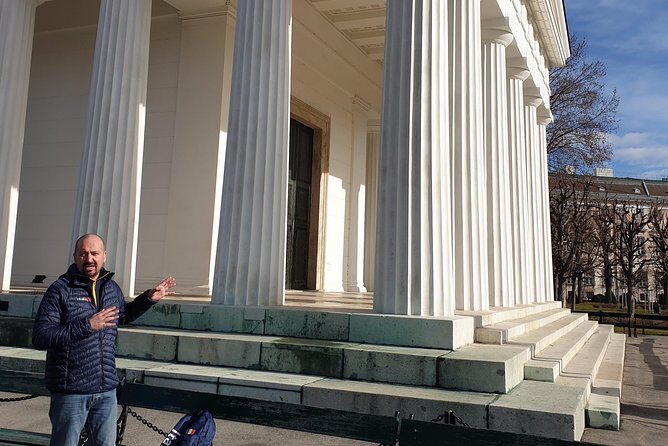
My other big reason to recommend it is the way guide Christian Grausam connects eras and architecture with clear, practical explanations. He doesn’t just point at landmarks; he helps you connect the dots between rulers, art, music, and the streets you’re standing on. You’ll also leave with a stronger sense of orientation in the center, not just a checklist of famous stops.
One more heads-up: you can’t bring luggage or large bags, and the tour runs rain or shine. That matters in Vienna, because wet cobblestones can turn a pleasant walk into a chore if you’re not dressed for it.
In This Review
- Key things you’ll notice on this Vienna citytour
- What a 2-hour Vienna walk really gives you
- From Roman fort to 19th-century Weltstadt
- Schottenkirche to Freyung: how the guide sets your bearings
- Kohlmarkt to Michaelerplatz: central Vienna’s corridor of power
- Hofburg and Heldenplatz: understanding Vienna as a residential city
- Burggarten, Josefsplatz, Albertina, and the Capuchin Crypt
- Franziskanerplatz, Domgasse, and the cathedral center you feel
- Mozart, Beethoven, Haydn, and the rulers placed in your route
- Price, time, and value for your Vienna days
- Who this tour suits best
- Should you book Vienna – the making of a Weltstadt?
- FAQ
- How long is the Vienna guided citytour?
- What is the price per person?
- Where does the tour start?
- Is the tour guided, and in what language?
- Is the tour indoors or outdoors?
- What time should I arrive at the meeting point?
- Are luggage and large bags allowed?
- Is the tour suitable for people with mobility impairments?
- What cancellation options are available?
Key things you’ll notice on this Vienna citytour
- Two millennia in one route: Roman start to 19th-century city power
- A real Viennese perspective: history tied to what you see on the street
- Hofburg explained as a residential city: power shown through everyday space
- St. Stephen’s Cathedral as the emotional anchor: you’ll understand why it feels central
- Music and rulers in context: Mozart, Beethoven, Haydn, Charles V, Franz Josef, Elisabeth
- German live guiding: expect the story to be taught in German
What a 2-hour Vienna walk really gives you
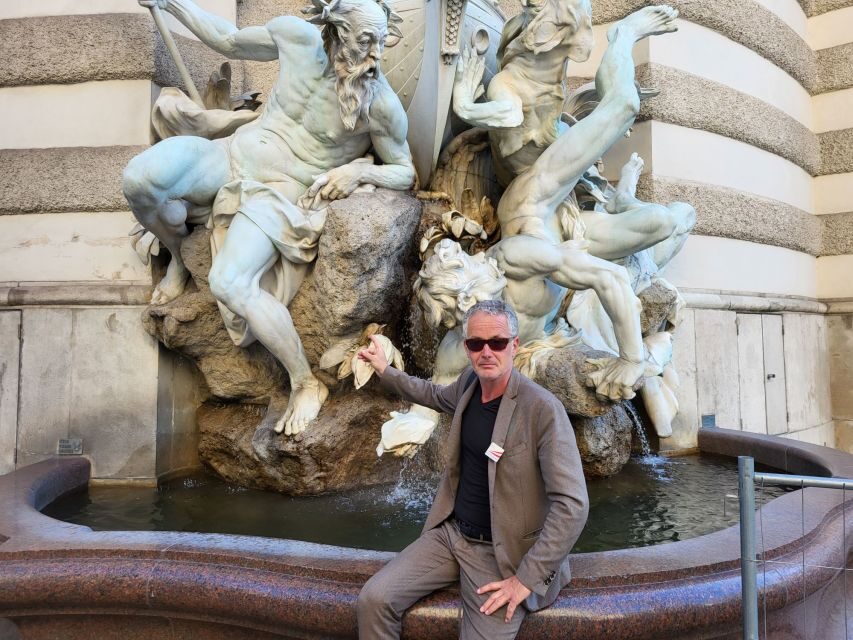
This tour is built for people who want to understand Vienna, not just photograph Vienna. In two hours, you cover the kind of center most first-timers skim in half a day, and you do it with a guide who’s focused on making the city make sense.
The value isn’t only in the famous stops. It’s in the through-line: you’re shown how Vienna changed over centuries, and how architecture and street layout keep memories of older eras alive. I like that you’re constantly asked, in your mind, to connect what you see to the bigger timeline.
Also, the pacing is designed around walking. That’s great if you enjoy moving through the city and picking up the local rhythm. It’s not great if you’re traveling with big bags, or if mobility is limited, because this isn’t described as suitable for that.
You can also read our reviews of more guided tours in Vienna
From Roman fort to 19th-century Weltstadt
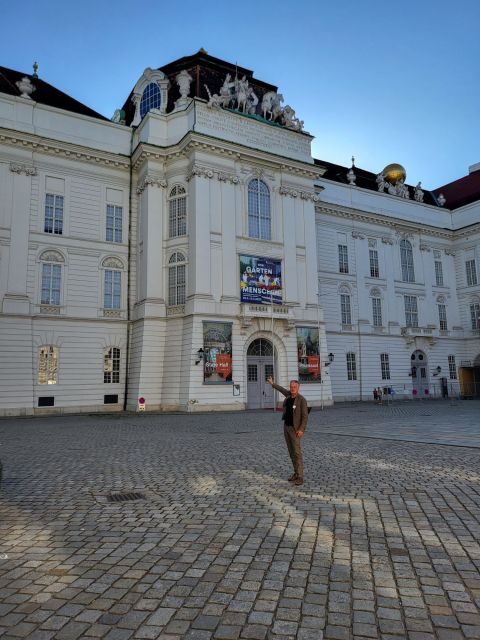
The story starts with a small Roman fort. That’s a powerful opening because it forces you to stop thinking of Vienna as only an imperial postcard. You’re basically learning the city’s origin point first, then watching how it grew into one of Central Europe’s most important metropolises in the 19th century.
As you move, the guide helps you notice what the city is made of: different architectural styles, plus the lingering traces of older times. You’ll be looking for clues that the Middle Ages left behind, even as later periods reshape the skyline and the feel of central squares.
This is where the tour earns its name, the making of a Weltstadt. It doesn’t treat Vienna as a single era. It treats Vienna as a machine that kept changing its role, its identity, and its stage—until it reached the status people associate with it today.
Schottenkirche to Freyung: how the guide sets your bearings
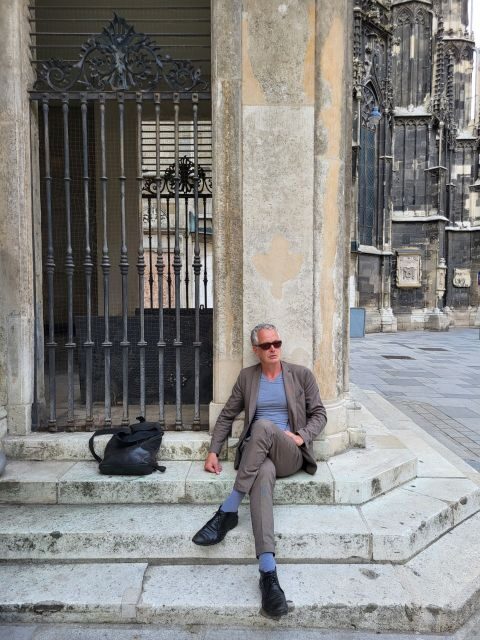
Starting near Schottenkirche, then heading through Freyung and Am Hof, you get a quick way to orient in the center. The order matters here, because these points are used to build your mental map before the tour tightens around the big imperial sites.
I like that the guide uses these streets and squares to explain the city’s layers. Instead of asking you to memorize facts, you’re encouraged to look at how spaces feel and how buildings and pathways guide movement. That’s especially useful if you’ve never been in Vienna before, because you’ll understand where the route is leading.
One practical benefit: you’ll likely feel less “lost” afterward. When someone later tells you to go to Hofburg or the cathedral area, you’ll be able to picture how the route connects the dots rather than treating each stop as a separate world.
Kohlmarkt to Michaelerplatz: central Vienna’s corridor of power
From Kohlmarkt to Michaelerplatz, the tour shifts from early framing into a more overtly central, decision-making geography. This stretch is about how the city presents itself—how it funnels you toward the most important political and cultural spaces.
What you should expect here is explanation, not just sight-seeing. The guide connects what you’re seeing to the bigger idea that Vienna mattered as a center of art, music, and rule. Even without heavy details outside what the tour provides, the message is clear: you’re walking through the city where influence shows up in design and placement.
A potential drawback: because this tour is history-forward, you won’t have long free time at every spot. If you want slow browsing or shopping-style sightseeing, you’ll have to do that on your own after the tour. The payoff is that you’ll know where to spend your attention once you’re done with the guided storyline.
Hofburg and Heldenplatz: understanding Vienna as a residential city
The biggest anchor of the imperial section is the Hofburg, and the guide is explicit about what you’ll learn there. You’re not only visiting an iconic complex; you’re understanding the importance of Vienna as a residential city.
That’s a smart angle. Many tours talk about power like it’s only a parade. This one ties power to where people lived and how a capital functioned day to day. When you understand that, the city stops feeling like a museum of rulers and starts feeling like a lived-in system.
Then comes Heldenplatz, which serves as a visible continuation of that theme. By the time you reach it, you’ve already heard about Vienna’s rulers and the city’s role. So when you stand in this kind of prominent, central space, the explanation lands faster. You’re not just seeing a highlight; you’re understanding why the city built such a stage for important figures.
If you like history that connects to urban form—streets, squares, and the idea of a capital as a home—this part is the heart of the tour.


Burggarten, Josefsplatz, Albertina, and the Capuchin Crypt
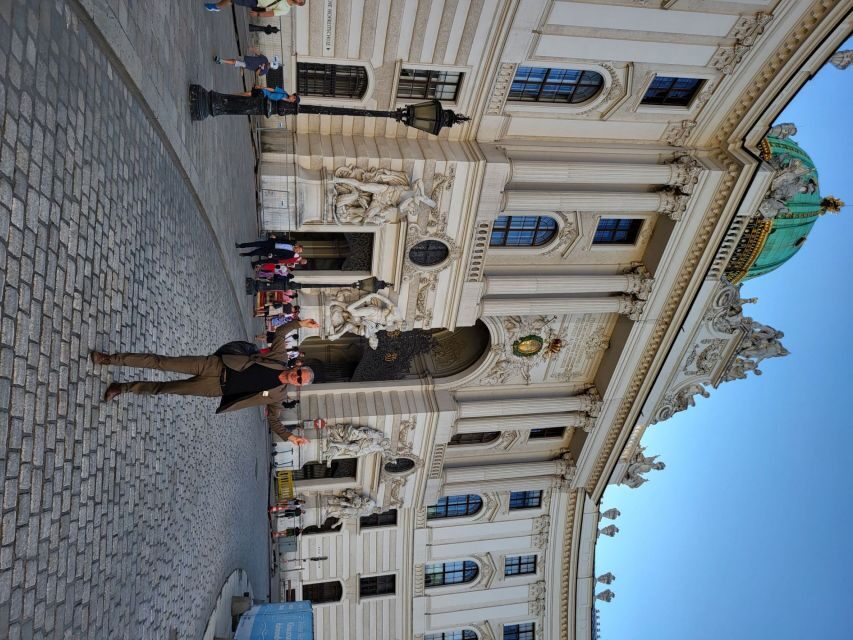
After Hofburg, the route moves through the Burggarten and Josefsplatz areas, then toward Albertina and the Capuchin Crypt. This is one of the tour’s strengths: it doesn’t keep history locked to palaces and monuments. It blends cultural life and memorial space into the same walk.
At Albertina, the tour’s broader cultural thread becomes clearer. You’ll connect Vienna with art and music, not only court politics. It’s especially relevant if you’re visiting with an interest in musical Vienna, since the tour explicitly brings in major composers and how they lived and worked in the city.
Then the tour heads to the Capuchin Crypt. This stop lines up with the idea of following in the footsteps of great rulers, from Charles V to Franz Josef and his Elisabeth. Again, the goal isn’t just to mark a location. It’s to give the city’s leadership story a physical point you can revisit in your own thoughts later.
One consideration here: the emotional tone of the crypt area may feel heavier than other stops. If you prefer your tours mostly light and panoramic, plan for a slower mood during this segment. It’s still part of making sense of Vienna as a place where power, art, and memory all share the same geography.
Franziskanerplatz, Domgasse, and the cathedral center you feel
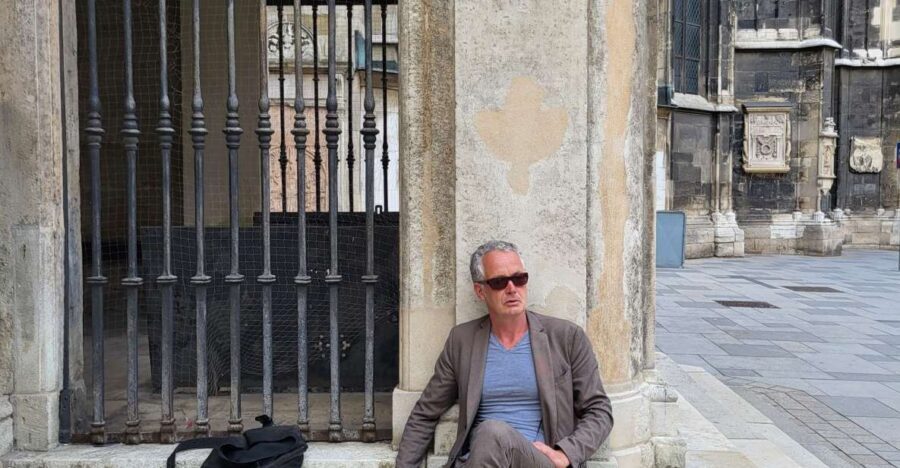
The last major movement brings you to Franziskanerplatz, then Domgasse, and finally St. Stephen’s Cathedral. The tour treats the cathedral as the geographical and emotional center of the city, and that framing changes how you experience it.
By the time you reach St. Stephen’s, you’ve already handled the timeline—Roman origins, medieval traces, imperial rule, and the city’s 19th-century rise. So the cathedral doesn’t land as a random landmark. It lands as the city’s gravitational point, where many centuries feel like they overlap.
Domgasse also plays a role: it helps transition you from the broader center into the cathedral zone. You’re basically being guided into the moment where Vienna feels most itself. Even if you’ve seen cathedral photos, the guide’s framing helps you notice why people treat this as more than architecture.
If you’re the kind of person who likes to understand how places feel, this is where the tour really pays off.
Mozart, Beethoven, Haydn, and the rulers placed in your route
A big promise of this tour is connecting Vienna to music and power. You’ll hear that Mozart and Beethoven lived and worked here, and you’ll also learn about Josef Haydn composing a melody important for Germany today. That’s not just trivia. The tour uses these composers as another lens for understanding why Vienna’s center matters.
Then you shift to rulers. The tour follows the footsteps of great figures from Charles V to Franz Josef and his Elisabeth. This gives you a framework to remember what you saw, because you can tie each major zone back to a human story.
The practical benefit is memory. When a city is full of impressive buildings, your brain needs hooks. This tour gives you multiple hooks at once: rulers, music, the city’s changing architecture, and the idea of Vienna growing into a major metropolis.
Price, time, and value for your Vienna days
The cost is $35 per person for about 2 hours, in a live guided format with a local certified tourist guide. That price can be a good deal when you’re trying to buy understanding, not just time in front of monuments.
Here’s why the value can be real: the route concentrates many of Vienna’s central landmarks into one session. You’re also getting a story that connects them through two thousand years, plus cultural and political context. If you were planning to do self-guided walking anyway, you’re paying for a narrative and for someone to point out what to pay attention to.
The trade-off is that you’re paying for guidance in German. If your German isn’t strong, the experience might feel more like looking at buildings with limited explanation. The tour’s format assumes you’re comfortable hearing the story spoken live, without translation.
Also, you only have two hours. That’s enough to build orientation and understanding, but not enough to linger deeply at every stop. For many people, that’s exactly what they want on day one or day two in the city.
Who this tour suits best
This fits well if you want:
- A clear overview of Vienna’s central history and why it matters
- A walking route that helps you understand geography in the city center
- A guide who links architecture and eras into one coherent story
- Music and Habsburg-era themes as part of your sightseeing
It’s less ideal if you:
- Need an English-language tour
- Have trouble with walking tours
- Need luggage or large-bag allowances
If you’re visiting Vienna for the first time and you want your bearings fast, this kind of guide-led orientation can save you time later.
Should you book Vienna – the making of a Weltstadt?
I’d book it if your goal is understanding Vienna’s center, quickly and logically. The route focuses on high-impact stops like the Hofburg and St. Stephen’s Cathedral, while still giving you the bigger story: Roman beginnings, traces of older eras, the rise to major metropolis status, plus music and rulers as part of how the city developed.
I’d skip or think twice if German live guiding is a mismatch for you, or if walking and weather conditions are a concern for your day. It’s rain or shine, so you’ll want proper shoes and layers.
If you’re trying to decide between random sightseeing and a tour that helps everything click, this one leans toward the second option. For $35 and two hours, you’re buying a strong sense of how Vienna became Vienna.
FAQ
How long is the Vienna guided citytour?
The tour lasts 2 hours.
What is the price per person?
The price is $35 per person.
Where does the tour start?
The meeting point may vary depending on the option booked.
Is the tour guided, and in what language?
Yes. It includes a local certified tourist guide, and the tour is in German.
Is the tour indoors or outdoors?
It’s a walking tour in the city center, and it runs rain or shine.
What time should I arrive at the meeting point?
Please arrive 10 minutes prior to the start of the tour.
Are luggage and large bags allowed?
No. Luggage or large bags are not allowed.
Is the tour suitable for people with mobility impairments?
No, it’s not suitable for people with mobility impairments.
What cancellation options are available?
You can cancel up to 24 hours in advance for a full refund, and there’s a reserve now & pay later option.