REVIEW · VIENNA
Third Man Museum Admission Ticket Vienna
Book on Viator →Operated by Third Man Museum · Bookable on Viator
The Third Man comes alive in Vienna. With a Third Man Museum admission ticket, you walk through an object-heavy exhibition tied to the classic film, complete with original documents and film gear that connect movie magic to the real postwar city. It’s a smart, low-effort stop if you care about cinema history or want to understand Vienna in the years right after World War II.
I especially love seeing the original Anton Karas zither used to record the film music, and I like how the museum backs up the story with production artifacts like scripts and cameras. You don’t just get summaries; you get physical evidence, from scripts in draft-to-final form to vintage projection equipment like the fully functional Ernemann VIIb from 1936.
One drawback to plan around: the listed opening hours are limited to Saturdays from 2:00 PM to 6:00 PM, so timing matters more than usual if you’re in Vienna at other times.
In This Review
- Key things to know before you go
- What you get with the Third Man Museum admission ticket
- Inside the exhibit: artifacts that make The Third Man feel real
- What to pay attention to as you walk
- Anton Karas zither: hearing the film’s sound made tangible
- Scripts, cameras, and special effects: production tech in plain sight
- If you’re wondering what this adds
- Printed film material: posters, lobby cards, and cinema programs
- A walkthrough of occupied Vienna, 1945–1955
- Practical tip: how to read the rooms
- Timing it right: Saturday hours and a 1–2 hour visit window
- Price and value: is $20 a fair deal?
- Should you book the Third Man Museum ticket?
- FAQ
- How much is the Third Man Museum admission ticket in Vienna?
- How long should I plan for the Third Man Museum?
- Is the ticket a mobile ticket?
- What are the opening hours for this experience?
- What is included with the ticket price?
- Can I cancel for a full refund?
Key things to know before you go
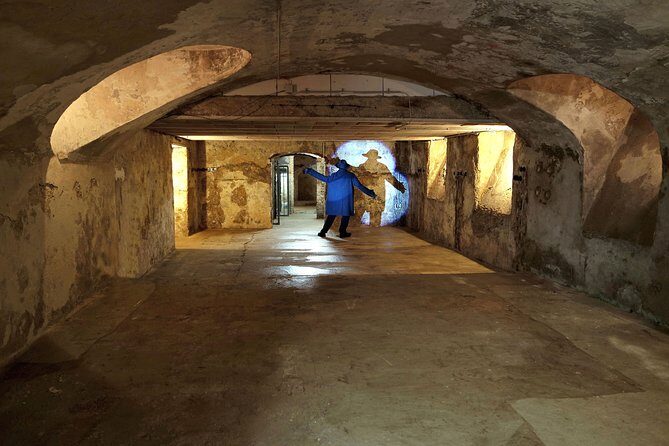
- You’re looking at 3,000+ originals tied to the film’s global impact, arranged room by room.
- Occupied Vienna, 1945–1955 is built into the exhibit, not treated like a side note.
- Hands-on production artifacts include an original Karas zither, original scripts, and even rental cameras used for special effects in Vienna.
- Film visuals on paper are part of the show: posters, lobby cards, and cinema program material.
- Plan for 1–2 hours—long enough to read carefully, not so long that you’ll feel trapped.
What you get with the Third Man Museum admission ticket
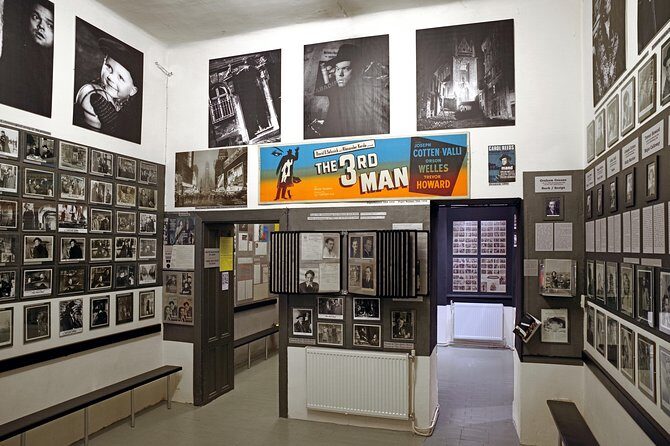
This is a straightforward admission ticket to the Third Man Museum in Vienna, priced at $20. You’re not paying extra for a guided package here—the entrance fee is included, and you can expect about 1 to 2 hours on-site. The ticket is listed as a mobile ticket, which is exactly what you want for busy days: less fumbling, more time for the museum.
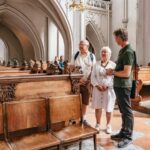
The experience is set up as a private activity, meaning only your group participates. That doesn’t guarantee you’ll have a dedicated guide (the details provided don’t confirm that), but it usually means fewer pacing constraints than a crowded group tour. The museum is also noted as being near public transportation, which matters in Vienna where tram and metro access can make or break an afternoon.
The museum itself is centered on the film The Third Man, but the point isn’t only to admire movie memorabilia. The exhibit uses those objects to show what life and atmosphere in Vienna looked like in the pre- and post-war years, especially during the occupied decade from 1945 to 1955.
You can also read our reviews of more tours and experiences in Vienna


Inside the exhibit: artifacts that make The Third Man feel real
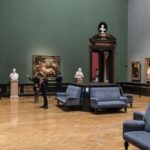
When you step into the museum, you’re entering an exhibition arranged across multiple rooms—described as thirteen rooms in one overview, and as sixteen rooms in another breakdown. Either way, the effect is the same: you move through a sequence of spaces where objects are given room to breathe.
One headline detail: the museum presents more than 3,000 originals gathered from around the world. That scale is what makes the visit feel weighty for the price. Instead of a few display cases, you’re walking through a museum built around evidence—scripts, props, equipment, and historical printed material—so you can connect the film’s famous look to the real-world environment that surrounded its production.
The exhibit theme is occupied Vienna and the surrounding historical backdrop. So while you’ll see plenty of film-related items, you’re also being pulled toward how the city lived and changed across that 1945–1955 stretch. For me, that’s the key to why this works: it takes you from entertainment into context without turning the museum into a pure lecture.
What to pay attention to as you walk
- Look for the objects that tie production choices to story tone. Scripts and filming equipment do that better than posters alone.
- Don’t rush the room transitions. The museum is arranged so earlier objects help you interpret later ones.
- If you’re a film fan, focus on how the artifacts explain why certain visuals feel the way they do.
Anton Karas zither: hearing the film’s sound made tangible
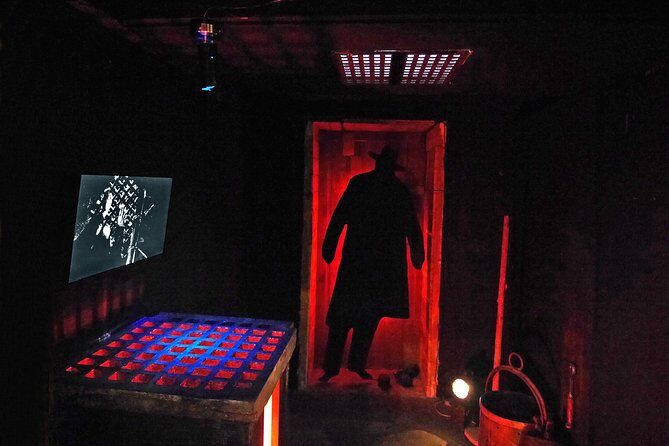
One of the most standout items in the museum is the original zither associated with Anton Karas, the musician who recorded the film music. Knowing that the instrument is original changes the way you experience the exhibit. You’re not just seeing a famous credit name; you’re seeing the physical thing that helped shape a key part of the film’s identity.
The museum description also notes that this zither was used when Karas recorded the music in London. That detail matters because it ties Vienna’s postwar story to the wider production and recording world that helped bring the film to life. It’s a neat reminder that The Third Man wasn’t created in a vacuum—it was built by people and equipment connected across borders.
If you enjoy sound design, scoring, and how a single musical style can define a movie’s mood, this is where you’ll feel the museum earns its reputation. It’s also a good place to slow down, because you can connect what you may have heard in the film to a real, dated artifact.
Scripts, cameras, and special effects: production tech in plain sight
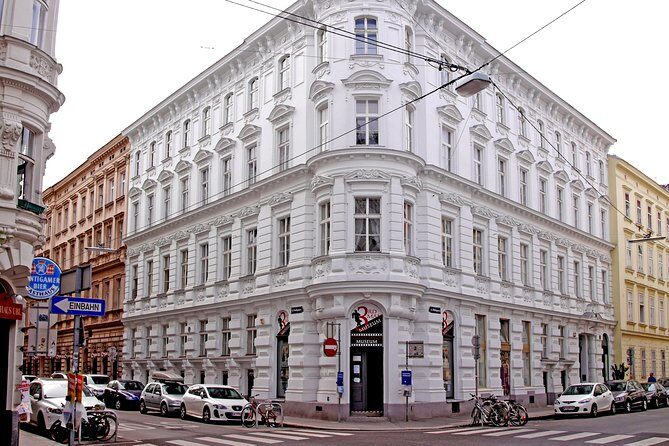
The museum is unusually strong on materials that explain how movies get made. You’ll see original film scripts laid out from the first draft to the final release script. That means you can understand the film not only as a finished product but as a work in stages—something shaped and reshaped over time.
This is especially satisfying if you like the thinking process behind story and dialogue. Scripts show the fingerprints of revisions: where an idea becomes sharper, where wording changes, and where the final structure locks in.
Then there are the filming gear details, which are catnip for movie-history fans. The exhibit includes two cameras that were rented by the Third Man film crew in Vienna for special effects. That’s the kind of specific, practical detail that makes the museum more credible. Instead of vague references to filmmaking, you get concrete evidence that the production used real equipment and local resources to achieve the effects viewers remember.
The museum also features a fully functional projector, the Ernemann VIIb dating from 1936. The word fully functional is important. It signals that the museum isn’t only collecting artifacts as static props; it’s treating at least some equipment as tools with a working connection to the past.
You can also read our reviews of more museum experiences in Vienna




If you’re wondering what this adds
For casual viewers, props and equipment can sometimes feel like clutter behind glass. Here, the scripts + cameras + projector combination helps you see a through-line: story drafts lead to filming plans, which lead to the visual look, which leads to the final film experience you know.
Printed film material: posters, lobby cards, and cinema programs
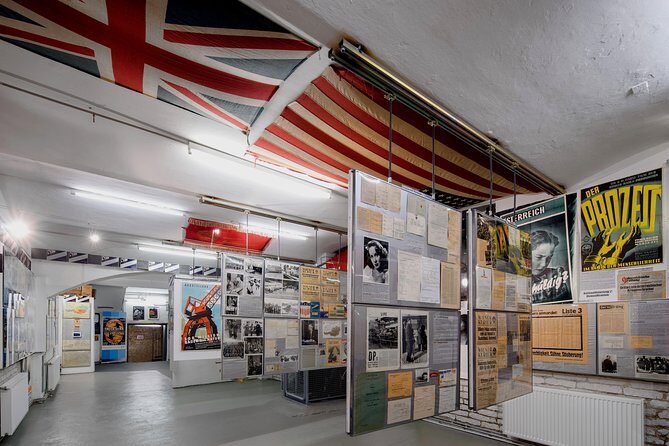
Even if you don’t care about cameras and scripts, you’ll still get something from the museum’s printed display material. The exhibit includes historic film posters, lobby cards, and cinema program material.
Printed items do a different job than equipment. They help you understand how the film was presented to audiences—how it was marketed, how its visuals were framed, and how the film traveled. Since the museum also highlights the film’s international success, those printed materials help make that global thread tangible.
If you’re the type who likes movie history through marketing and design, this section can be a pleasant surprise. It breaks up the more technical artifacts and gives you time to read, compare, and notice the styles that were popular in different periods.
A walkthrough of occupied Vienna, 1945–1955
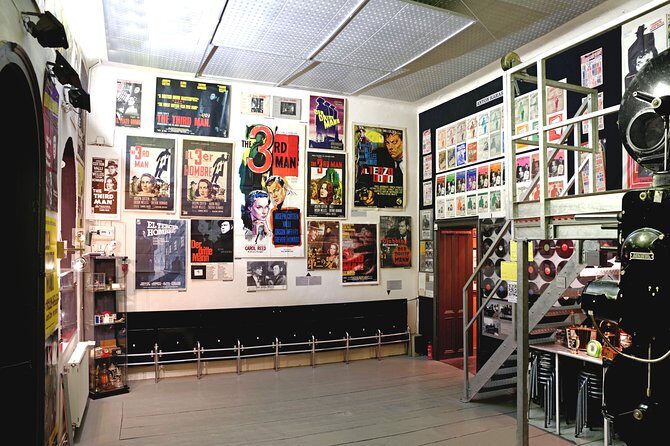
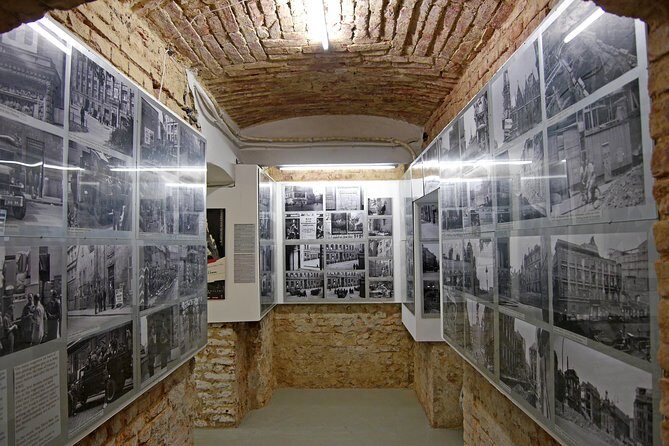
A big reason this museum works as a Vienna stop is that it treats the film’s setting like something more than a backdrop. The exhibit aims to give an impression of daily life in occupied Vienna from 1945 to 1955.
That time window is a huge slice of postwar reality: rebuilding, rationing, shifting power, and the long emotional after-effects of war. The museum framing helps connect those pressures to what you might recognize from the film’s atmosphere—its mood, its shadows, its sense of uncertainty.
One interesting inclusion is an artifact tied to the character world of The Third Man: the original cap of Little Hansel. Small prop items like this matter because they bridge the gap between grand historical context and everyday human presence. It’s the kind of detail that keeps the exhibit from becoming only about dates and equipment.
Practical tip: how to read the rooms
I’d treat the museum like a puzzle. Start with the big context items (scripts and period framing), then look for how the visual tone shows up in the posters and lobby cards. Finish by noticing the production objects (zither, cameras, projector) and ask yourself how they helped create that tone.
That approach makes the museum feel like a cohesive story rather than a pile of exhibits.
Timing it right: Saturday hours and a 1–2 hour visit window
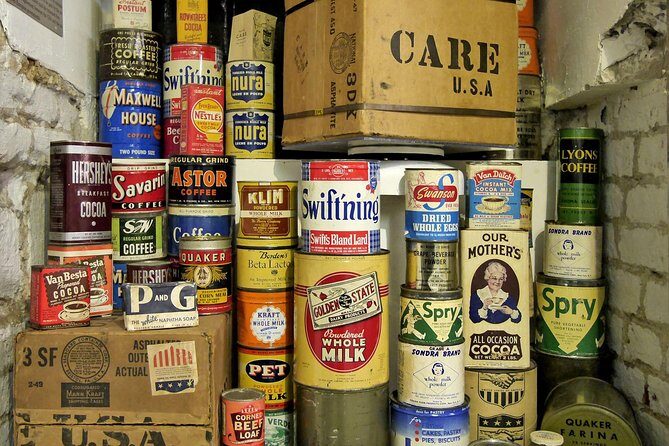
This ticket experience is listed with opening hours as Saturdays from 2:00 PM to 6:00 PM. The availability shown runs from 03/29/2025 to 06/13/2026. There’s also a note that it’s closed between January 05 and March 28, 2024.
So for planning purposes, you should treat this as a limited schedule museum stop. If you’re visiting Vienna on a weekday, you may have to swap it for another activity unless your dates match a Saturday during the listed timeframe.
The duration is about 1 to 2 hours, which fits well into an afternoon plan. If you’re also visiting other central sights, I’d book it for a time when you’re not rushed—this is the kind of museum where reading and noticing details is part of the fun. If you only have 45 minutes, you can still see highlights, but you’ll miss the satisfaction of following the exhibit’s logic.
Price and value: is $20 a fair deal?
$20 for a museum ticket can feel either reasonable or pricey, depending on what you like. Here’s the value argument I’d make based on what you actually get.
You’re paying for:
- Entrance to a museum with more than 3,000 originals
- A focus on primary artifacts rather than only reproductions
- Major objects tied to the film, including original Karas zither, original scripts, rented Vienna cameras, and a fully functional 1936 projector
For film fans, that’s a strong match. You get specific, physical proof of how The Third Man was shaped. World War II history buffs also have a clear reason to care, because the exhibit frames occupied Vienna from 1945 to 1955, linking the film’s atmosphere to real historical conditions.
For someone who only remembers the movie as entertainment and doesn’t care about how it was made, it could feel more niche. But even then, the combination of music, scripts, and period-printed material is likely to land.
And the reception is excellent: the rating is 4.9, and the recommendation rate is 100%. That doesn’t replace your own taste, but it does suggest the museum hits its target audience consistently—especially with people who enjoy detail work and original objects.
Should you book the Third Man Museum ticket?
I think you should book if you match at least one of these: you love The Third Man, you care about film-making process, you enjoy original artifacts more than generic displays, or you want a focused way to understand occupied Vienna between 1945 and 1955.
I wouldn’t prioritize it if you only want big famous sights or if you’re in Vienna on a day when this museum isn’t open. The Saturday 2:00 PM to 6:00 PM window is the make-or-break factor.
If your dates line up, this is a compact, high-information stop. For $20, you get a museum built around real objects that connect cinema, music, and postwar Vienna in a way that’s easy to appreciate in an hour.
FAQ
How much is the Third Man Museum admission ticket in Vienna?
The price is listed as $20.
How long should I plan for the Third Man Museum?
The visit is approximately 1 to 2 hours.
Is the ticket a mobile ticket?
Yes, the ticket is listed as a mobile ticket.
What are the opening hours for this experience?
The listed opening hours are Saturdays from 2:00 PM to 6:00 PM, with the season shown as 03/29/2025 to 06/13/2026.
What is included with the ticket price?
The entrance fee is included.
Can I cancel for a full refund?
Yes. You can cancel up to 24 hours in advance for a full refund. If you cancel less than 24 hours before the start time, the amount paid is not refunded.