REVIEW · VIENNA
Skip the Line: Kunsthistorisches Museum Vienna Entrance Ticket
Book on Viator →Operated by Kunsthistorisches Museum Wien · Bookable on Viator
A paper voucher, a famous staircase, and art gold. This ticket gets you into Kunsthistorisches Museum Vienna for a self-paced art marathon, with standout Kunstkammer objects and a Picture Gallery packed with masters. The catch: it’s not always a true one-and-done skip, because you may still need to line up to exchange your voucher for the real admission ticket.
What I like most is that you’re free to explore at your own pace, instead of getting rushed through rooms. And the museum itself is one of those rare places where it’s totally reasonable to plan more than an hour. One possible drawback to weigh is that the voucher workflow can add queues, so your time savings depend on how smooth the museum ticket area is when you arrive.
In This Review
- Key Things to Know Before You Go
- Skip-the-Line in Theory vs Reality at Vienna’s Museum
- How the Paper Ticket and Voucher Check-In Works
- Kunsthistorisches Museum Vienna: What You’ll Actually See (and How Long)
- Picture Gallery Highlights: Bruegel and the Big-Name Painting Lineup
- Kunstkammer Vienna: Cellini’s Saliera and the Art of Craft Wonder
- The Museum Building Itself: Klimt on the Grand Staircase
- Practical Timing Tips for Smooth Entry (and Less Frustration)
- Value Check: Is This Skip-the-Line Ticket Worth It?
- Should You Book This Kunsthistorisches Museum Vienna Ticket?
- FAQ
- What museum is this ticket for?
- How long is the experience?
- What do I get with the ticket?
- Is a guide included?
- Is an audio guide available?
- What are the opening hours?
- Is there a minimum age requirement?
- What happens if my code is not accepted for direct entry?
Key Things to Know Before You Go
- Expect a voucher-to-ticket exchange step right at the museum ticket area, not just an immediate entry sweep.
- Plan for real walking time once you’re inside; the collections are deep, even if the ticket duration is listed as about 1 hour.
- Bring interest in multiple art eras: Egypt, classical antiquity, and later Habsburg-era patronage.
- Picture Gallery is the main event for big-name painters and the museum’s standout Bruegel holdings.
- Kunstkammer Vienna delivers the wow factor with rarities like Benvenuto Cellini’s famous saliera.
- No guide is included, so you’ll rely on your own curiosity or an optional audio guide.
Skip-the-Line in Theory vs Reality at Vienna’s Museum
The idea behind a skip-the-line ticket is simple: less standing around, more seeing art. In this case, the promise is tied to a pre-booked admission arrangement for Kunsthistorisches Museum Wien, and you’ll receive a paper ticket (listed as such). In a perfect world, you walk in and get seated into the museum flow.
But here’s the practical truth: your voucher may still need to be redeemed at the museum ticket area before you can enter the main admission queue. Multiple people experienced this as an extra step, sometimes feeling like two separate lines—one to convert the voucher into a usable ticket, and another to actually get into the museum. So it’s best to think of this as skip-the-line potential, not a guaranteed bypass.
That matters because the museum is popular, and the bottleneck is often the ticket desks and entry checks. If you arrive at a busy time (midday is often the worst bet), you can spend time doing admin instead of art. If you arrive when it’s calmer, you’re more likely to benefit from the streamlined handling that a pre-booked setup is meant to create.
So how should you approach it? Don’t treat the word skip as a hard promise. Treat it as a helpful planning tool. Arrive early, keep your expectations flexible, and go in ready to spend time with the collections rather than chasing “time saved” as the main win.
You can also read our reviews of more tours and experiences in Vienna
How the Paper Ticket and Voucher Check-In Works
This package is built around a ticket voucher that you redeem on-site. You’ll get confirmation after booking, and there’s no minimum age requirement. The big operational detail is the check-in process: you’ll need to exchange what you have for the actual museum admission ticket before you can enter.
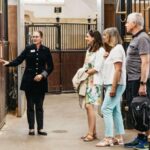
In practice, that exchange step can happen at a specific kiosk/window area for group bookings or voucher redemption. The most important tip is not subtle: have your voucher ready and follow museum staff instructions exactly. Don’t assume the QR code or paper voucher is already the entry pass. Even when it feels like it should be, the museum may still require you to convert it to a real ticket at their ticket desk area.
Once you’re holding the museum ticket, you’re still subject to the museum’s entry procedures. That’s why this isn’t always a clean skip-the-line experience. If the museum staff window is fast and the voucher line is shorter, you’ll save time. If the lines are long or the staff requires additional handling, you’ll lose time.
Here’s how you can protect your schedule:
- Go when the museum first opens, if your day allows it.
- Don’t arrive 10 minutes before closing and hope for miracles.
- Budget extra time for the voucher-to-ticket step, even if the packaging says skip-the-line.
- Keep an eye on posted directions inside the museum area once you redeem your pass.
If you hate uncertainty, there’s an obvious alternative: buy directly from the museum (when possible). When voucher redemption adds queues, the direct-purchase route can be simpler. When redemption is smooth, this package can still be convenient.
Kunsthistorisches Museum Vienna: What You’ll Actually See (and How Long)
Your ticket is listed for about 1 hour. I’d treat that as the minimum workable time, not the realistic experience time—because this is not a quick-hit museum.
The museum’s core story is Habsburg collecting. It was built under Emperor Franz Joseph to house imperial collections, and the art spans huge ground: from ancient Egypt through classical antiquity, and then onward to later periods reaching the late 18th century. That long arc is part of the charm: you’re not just touring paintings, you’re walking through how a royal court understood taste, value, and collecting.
Inside, you’ll mainly choose between three big experiences:
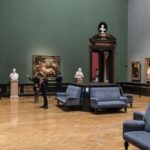
- The Picture Gallery, where you go for paintings and the museum’s famous artists.
- The Kunstkammer Vienna, which is where objects, craftsmanship, and odd delights take over.
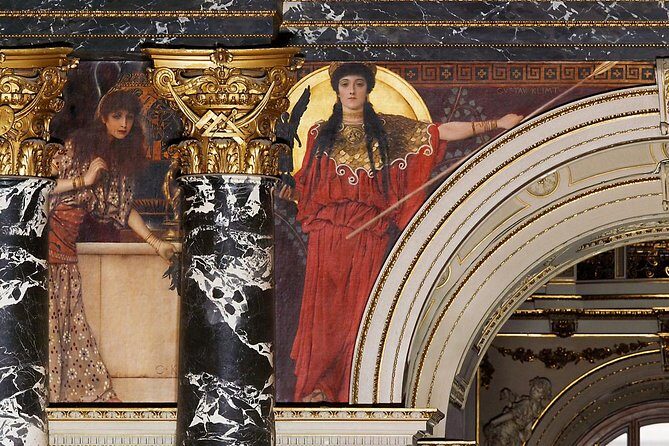
- The museum building itself, which includes a grand staircase area where Gustav Klimt collaborated on paintings.
If you try to do all of that in one hour, you can technically move fast. But you’ll miss the best moments—especially in the Kunstkammer, where detail rewards slowing down. If you want the kind of visit that people remember (the kind that makes you say wow without needing a guide’s script), plan closer to 2 hours or more.
The upside of going on your own: you set the pace. You can spend time where you care most—Bruegel rooms if you love Northern Renaissance painting, or the Kunstkammer if you like craftsmanship, metals, and curiosity-cabinet wonders.
Picture Gallery Highlights: Bruegel and the Big-Name Painting Lineup
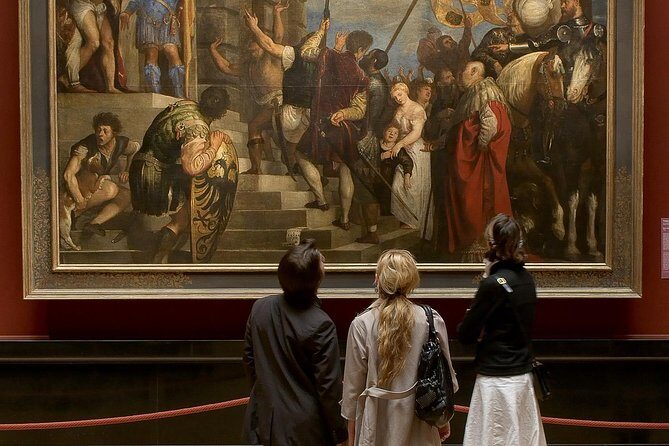
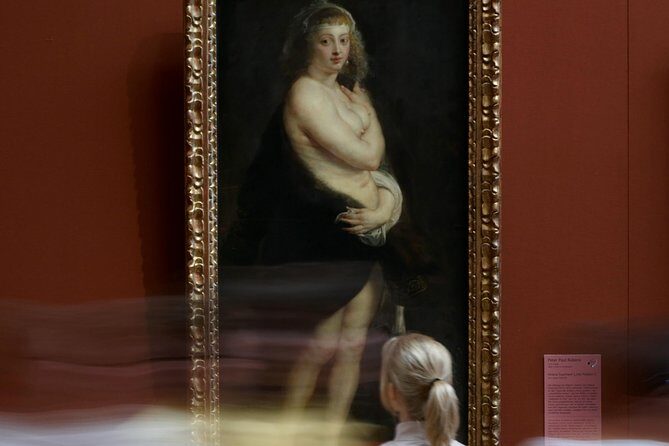
The Picture Gallery is the room most people orbit first, and for good reason. It’s where the museum flexes its painter power: works by Rubens, Rembrandt, Raphael, Vermeer, Velázquez, Titian, and Dürer. That’s the kind of lineup that makes you stop in your tracks, even if you don’t know every artist by heart.
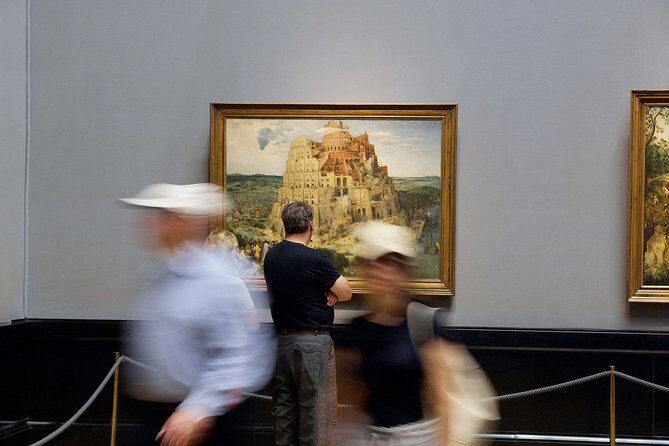
The headline in this gallery is the museum’s world’s largest collection of works by Bruegel. If Bruegel is a name you’ve seen around before (and especially if you’ve liked his crowded scenes and sharp observation), this is one of the strongest reasons to choose Kunsthistorisches Museum in Vienna. You’ll get a sense of how his style links humor, detail, and moral storytelling.
Here’s the practical way to enjoy it: don’t force a strict route. Pick one or two anchors—maybe Bruegel first, then one “contrast” artist right after. The museum makes that easy because the gallery format lets you keep moving while still making deliberate stops.
Also, remember that this museum isn’t just about paintings you recognize instantly. It’s about the collecting tradition behind why these works ended up together. That’s why the Picture Gallery feels like more than a random art stop.
If you’re short on time, prioritize:
- Bruegel works in the Picture Gallery
- One or two classics you already love
- A quick scan of the rest, so you don’t leave feeling like you only saw a small corner
If you have extra time, then slow down for the details. In this kind of museum, the “small stuff” often becomes the highlight.
Kunstkammer Vienna: Cellini’s Saliera and the Art of Craft Wonder
If you want a museum experience that feels different from a standard painting-only visit, the Kunstkammer Vienna is your answer.
This collection highlights the decorative arts and craft skills that royal patrons valued. You’ll see goldsmith work including Benvenuto Cellini’s famous saliera (the celebrated small table salt cellar). You’ll also find sculptural masterpieces, filigree work in ivory, valuable timepieces, and complex automata—crafted by artists who were considered top names in their day.
The reason people talk about the Kunstkammer with genuine excitement is that it hits several interests at once:
- precision and technique
- status and collecting
- the history of design, not just the history of paintings
A practical tip: don’t skim. The Kunstkammer is the kind of place where you can glance past something and miss what makes it special. Give yourself time to step back, take in the materials, then move closer to see the workmanship.
And yes, it’s a unique complement to the Picture Gallery. One section is about painted stories on canvas. The other is about objects that were made to be handled, admired, and displayed as trophies of knowledge and skill.
You can also read our reviews of more museum experiences in Vienna




The Museum Building Itself: Klimt on the Grand Staircase
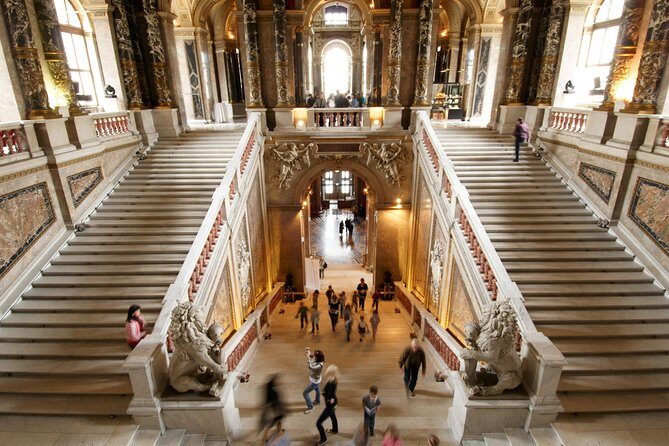
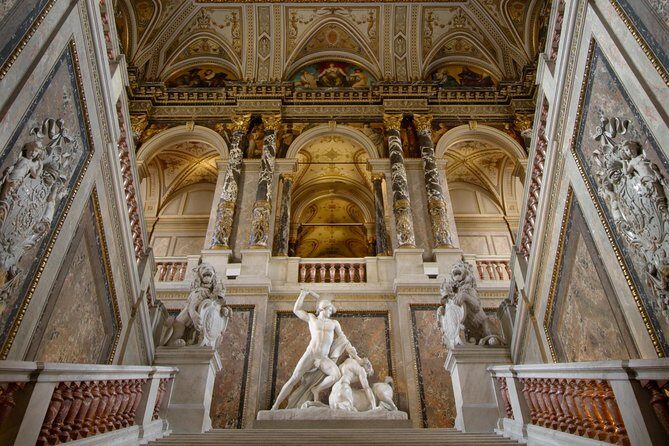
One reason Kunsthistorisches Museum feels like a “real visit,” not just a ticket into rooms, is that the building adds drama.
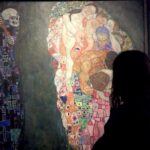
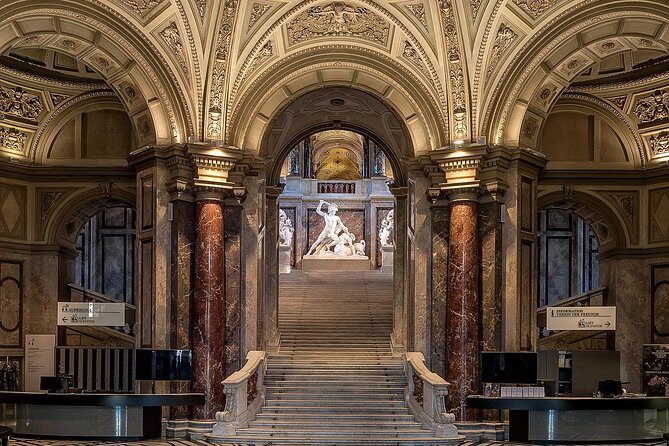
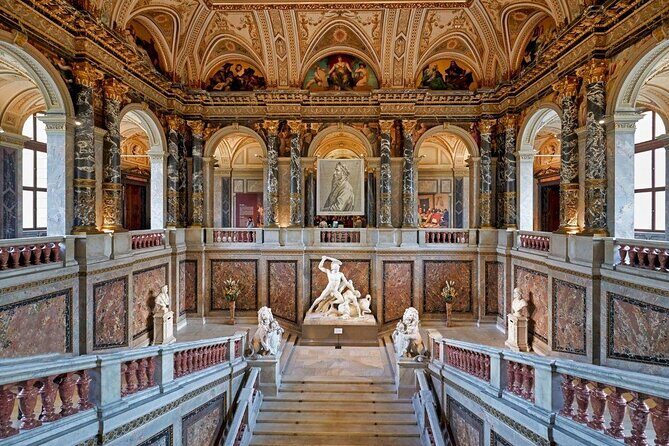
In particular, the imposing staircase includes a series of paintings where Gustav Klimt collaborated. Even if Klimt is not your main obsession, this is the kind of visual landmark that helps you orient yourself once you’re inside. It also gives the museum a sense of theatrical arrival—like you’re entering a curated world rather than checking boxes in a floor plan.
This is where timing matters. If you arrive early enough to avoid peak entry chaos, you can pause and actually enjoy the architecture before you rush to the galleries.
If you’re in a hurry, you can still catch the staircase moment. But if you’re not in a hurry, treat it as a mini stop—look up, walk it slowly once, then continue your route with a better sense of where you are.
Practical Timing Tips for Smooth Entry (and Less Frustration)
This ticket arrangement is best when you plan around the voucher redemption step. Since the museum hours for 2026 are Tuesday through Sunday from 10:00 AM to 6:00 PM, you can choose a time slot that fits your energy level and the crowd pattern you’re likely to hit.
Also factor in group size. The maximum is listed as 99 travelers, which means this can still be busy even if you don’t see a huge tour group right away. More people can mean more pressure on ticket exchange and entry points.
Here’s my no-drama approach:
- Arrive before the main rush if you can.
- Keep your voucher and booking confirmation accessible (on your phone and/or in printed form, if that’s how you prefer).
- Don’t plan a tight connection right after your museum slot. Add buffer time for ticket exchange.
- If you know you’re a “detail person,” treat the 1-hour listing as a starting point only.
For on-site audio, there’s an audio guide available for purchase for 6 EUR, but a guide is not included. If you like learning without reading wall text, that audio add-on can help. If you’d rather not pay extra, you can still enjoy the museum deeply by focusing on the big masterpieces and spending time where you’re drawn.
And finally, don’t forget: this is near public transportation, so you can adjust plans without needing a car or worrying about parking stress.
Value Check: Is This Skip-the-Line Ticket Worth It?
Value comes down to one question: will the voucher redemption be faster for you than buying directly?
If the voucher line is shorter and ticket conversion is quick, this can feel like a win—less time wrestling with ticket logistics and more time inside the museum’s major rooms. The museum is clearly worth the effort: it includes major painting names, the world-class Bruegel strength, and the Kunstkammer’s rare-object focus.
But if redemption adds extra steps that turn into long queues, then the “skip” label becomes less meaningful. In some cases, people reported spending time standing in lines anyway—sometimes more than once—because what they received functioned like a voucher rather than an already-valid entry ticket.
In other words, this ticket can be worth it if you treat it as a convenience for entry handling, not a guaranteed line bypass. If you want the simplest path with the least chance of confusion, buying the admission ticket directly with the museum can be easier.
Given that the museum itself is a strong draw, I’d use this logic:
- If you’re flexible with time and want the convenience of pre-arranged entry, this can work well.
- If you’re very time-tight or hate the idea of any voucher desk at all, consider skipping the middle step.
Should You Book This Kunsthistorisches Museum Vienna Ticket?
Book it if you:
- love major museums and want access to the Picture Gallery and Kunstkammer
- plan to arrive with a time buffer for voucher exchange
- like self-guided exploring more than a structured tour with a guide
Skip it (or buy direct) if you:
- are trying to squeeze the museum into a strict schedule where delays would ruin your day
- want a ticket that you can use immediately at entry without any on-site redemption step
- prefer to avoid any chance of confusion between voucher codes and actual museum tickets
My bottom line: the museum is genuinely special—built by Franz Joseph to display imperial collecting, and still packed with unforgettable artworks and objects. This ticket package is most useful when the on-site voucher workflow runs smoothly. If you go in with that expectation, you’ll be set up for a great Vienna art day.
FAQ
What museum is this ticket for?
It’s for Kunsthistorisches Museum Wien in Vienna.
How long is the experience?
The duration is listed as 1 hour (approx.).
What do I get with the ticket?
You get a skip-the-line ticket, and the ticket type is listed as paper.
Is a guide included?
No. A guide is not included, and you’ll need to arrange your own tour guide if you want one.
Is an audio guide available?
Yes. An audio guide is available for purchase for 6 EUR.
What are the opening hours?
For 2026, the museum is open Tuesday through Sunday from 10:00 AM to 6:00 PM. (It also lists 01/01/2026–12/31/2026 as the date range.)
Is there a minimum age requirement?
No minimum age requirement is listed.
What happens if my code is not accepted for direct entry?
You may need to exchange your voucher for an actual museum ticket at the museum ticket area before you can enter.