REVIEW · VIENNA
Leopold Museum Vienna Entrance Ticket
Book on Viator →Operated by Leopold Museum Vienna · Bookable on Viator
Schiele fans, plan on serious art time. I love the chance to see the Egon Schiele collection in one place, and I also like how the museum pairs it with major Viennese Secession works, including Klimt’s Death and Life. One thing to consider: it’s not a giant museum, so if you’re expecting a lot of Klimt on every wall, you may feel a bit rationed.
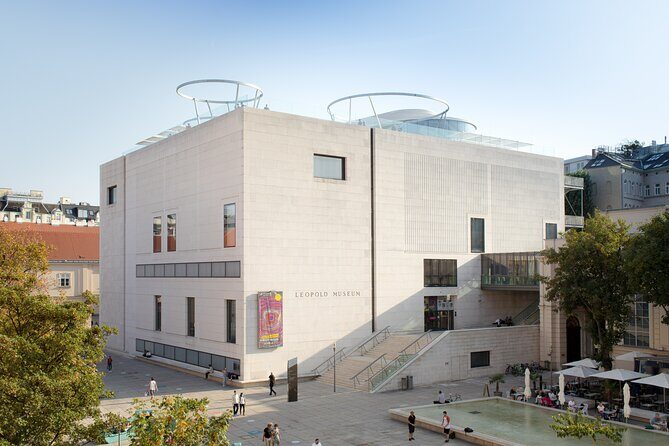
You’ll enter the Leopold Museum in Vienna’s MuseumQuarter, admire its modern architecture, then walk freely through the galleries for about 2 to 3 hours at a comfortable pace. The big win here is control: you decide when to pause, when to move on, and when to take a breather rather than orbiting a group schedule. Before you leave, don’t skip the views through the windows toward Maria Theresa Square and the Hofburg Palace.
In This Review
- Key things to know before you go
- Vienna’s MuseumQuarter: modern building, serious art
- Tickets and entry: how to keep the day stress-free
- Step into Wiener Moderne: what the collection is really about
- Egon Schiele: the largest Schiele collection you can realistically plan around
- Klimt and the Secession movement: seeing Death and Life with context
- Museum life beyond painting: interwar art and design that you can spot instantly
- Coffee-house culture and the Café Leopold reset
- The best viewpoint for your last 10 minutes: Maria Theresa Square and the Hofburg
- How long you’ll need and when to arrive
- Price and value: is $22.98 a fair deal?
- Who should book this Leopold Museum entrance ticket?
- Should you book this Leopold Museum entrance ticket?
- FAQ
- What’s included with the Leopold Museum entrance ticket?
- How long should I plan to spend at the museum?
- Is a guided tour included?
- How much is the audio guide, and what languages are available?
- Do I need to exchange a voucher at the cashier desk?
- What are the opening hours?
Key things to know before you go
- Prebooked entry helps you get in smoothly without the usual on-arrival guessing game.
- Unlimited access means you can focus on the parts you care about most, including the permanent collection and exhibitions.
- Audio guide costs extra (EUR 4) and is offered in German, English, French, and Italian.
- Plan for about 2–3 hours—this visit is perfect for a half-day museum slot, not a whole-day plan.
- Café Leopold is there for a reset if you want a snack or drink on your schedule.
- Bring your voucher as instructed and exchange it at the cashier desk (the ticket process follows their directions).
Vienna’s MuseumQuarter: modern building, serious art
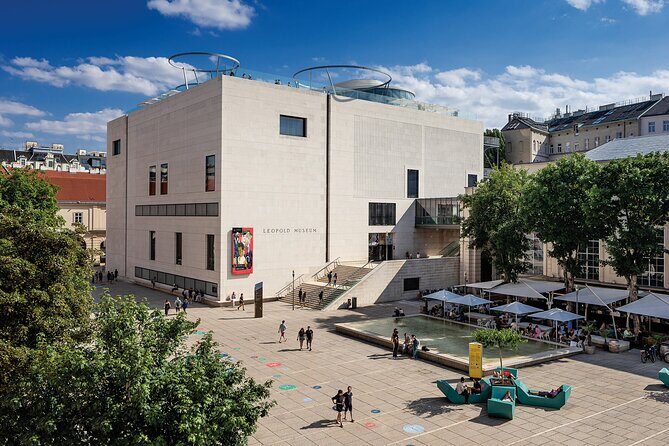
The Leopold Museum sits in Vienna’s MuseumQuarter, a part of town that’s basically built for museum wandering. From the start, the contrast is part of the experience: you go from city streets into a striking, modern building designed to make light do some work inside.
I like that the setting matches the art style you’ll see next. This is not just polite museum décor; it’s the “Fin de siècle Vienna” energy—turn-of-the-century ideas about modern life, modern design, and modern feeling—right where you can feel the shift.
You can also read our reviews of more tours and experiences in Vienna
Tickets and entry: how to keep the day stress-free
Your Leopold Museum entrance ticket is priced at $22.98 per person and is timed for independent entry. The format is a mobile ticket, but you’re also told to present your Viator voucher at the cashier desk to exchange for the current ticket, and to print your voucher—so do both and save yourself a headache.
That’s especially important because one unpleasant experience did pop up in the mix: one person reported they didn’t receive the ticket they expected and had to purchase again on-site. The fix is simple: bring the voucher, print it, and follow the cashier exchange instructions.
Duration is another practical point: most people treat this as a 2 to 3 hour visit. That’s usually the sweet spot for seeing the core collection without rushing through everything you want to stop and read.
Step into Wiener Moderne: what the collection is really about
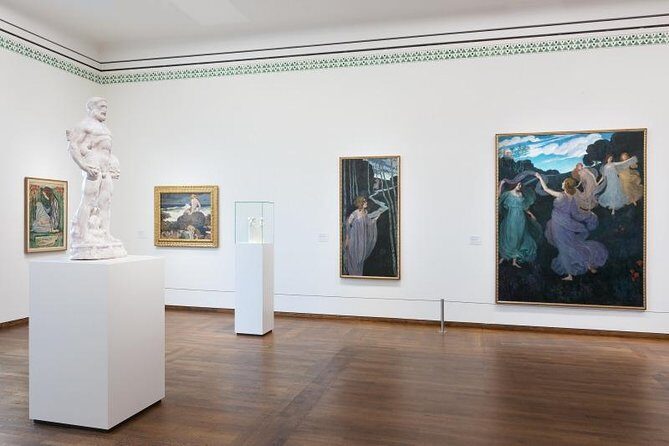
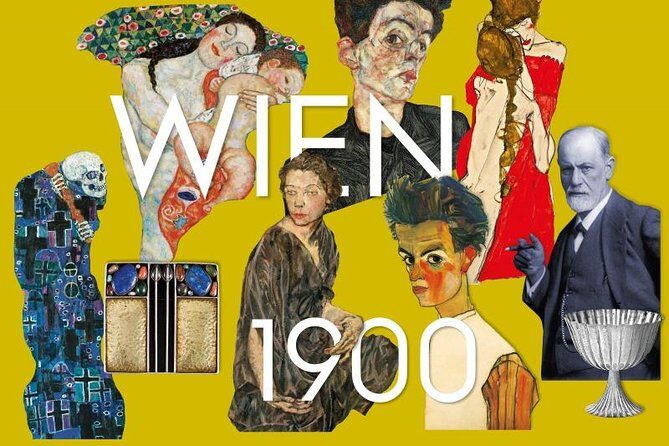
Once inside, the museum gives you a clear path into modern Austrian art—not just one style, but a whole shift in thinking. You’ll move through galleries that connect major movements like Viennese Jugendstil, the Wiener Werkstatte, and Expressionism, and you’ll see how ideas changed over a short stretch of time.
Here’s the value: instead of isolated masterpieces, you get a sense of how artists and designers were responding to modern life. The museum also includes modern Austrian work across the Habsburg-era changes, moving from Historicism and mood-focused impression ideas into the distinctive “Wiener Moderne” world that includes Klimt and Schiele.
If you like artists who are also thinkers, you’ll recognize names right away—Oskar Kokoschka, Richard Gerstl, Koloman Moser, Herbert Boeckl, Otto Wagner. Even when you don’t know every story, the collection’s lineup makes the bigger point: this was a creative ecosystem, not random talent.
Egon Schiele: the largest Schiele collection you can realistically plan around
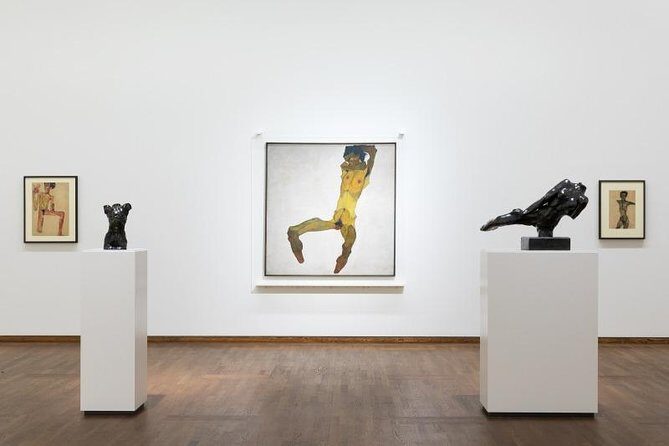
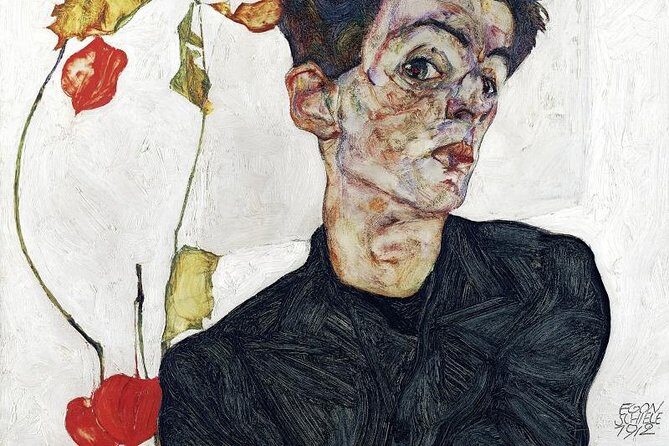
The highlight is the Egon Schiele collection, described as the largest of its kind in the world. This is where your 2 to 3 hours can turn into 2 to 3 hours plus a slow walk, because Schiele drawings and paintings reward time: you keep noticing new angles, lines, and intensity.
I like how the museum doesn’t just give you one famous work and move on. You can see a wide range of Schiele paintings and drawings, which helps you understand how his style can feel both sharp and personal. If Schiele is your main reason for coming, you’ll likely want to build your schedule around this room first.
Also, don’t treat this as a single “check the box” stop. Expressionism can be emotionally heavy, and the collection includes darker themes that aren’t meant to be background noise. If you’re in a “lighter art only” mood, go in with awareness and plan a calmer break afterward.
Klimt and the Secession movement: seeing Death and Life with context
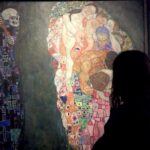
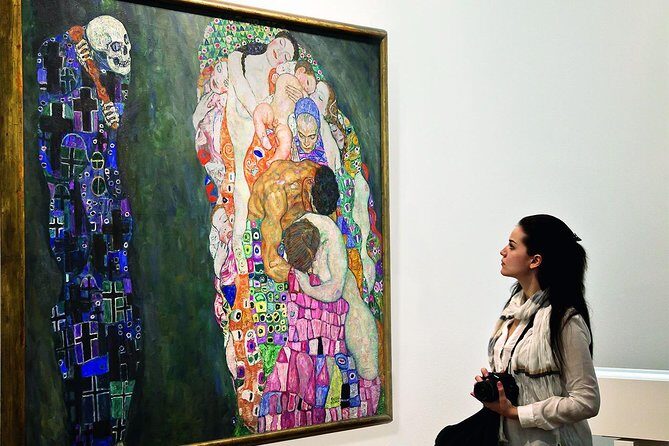
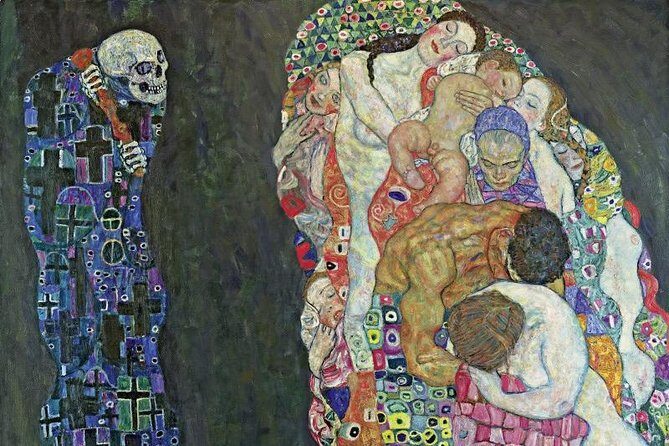
Klimt fans usually come for Death and Life, and it’s here. The museum includes major work by Gustav Klimt beyond price, including that figurative painting tied to the Vienna Secession movement.
One practical note: a few people hoped for more Klimt and felt the Klimt display was more limited than they expected. So if Klimt is your top priority, I’d treat the museum as a place to see key major works and then connect them to the broader modern scene around them—not as a Klimt-only destination.
The good news is that the museum’s layout supports this kind of viewing. When you shift from Schiele’s raw intensity toward Secession ideals, you can start to see the common thread: artists were trying to break older rules and invent new ways to show modern life.
You can also read our reviews of more museum experiences in Vienna


Museum life beyond painting: interwar art and design that you can spot instantly
After the major headline names, the collection expands into the Austrian interwar period, with artists like Albin Egger-Lienz, Anton Kolig, and Herbert Boeckl. This matters because it keeps the story moving forward instead of stopping at the turn of the century.
You’ll also find post-war directions hinted at through the way the museum presents later themes, plus a blend of works from the 19th century—Ferdinand Georg Waldmüller, Friedrich Gauermann, August von Pettenkofen, Anton Romako, Emil Jakob Schindler, Carl Schuch, and others. Even if you only skim these sections, they help you place the “Wiener Moderne” period within a longer artistic timeline.
One of my favorite types of moments here is when the museum shifts from painting to design and everyday objects from the Fin de Siècle era. The collection includes examples connected to Otto Wagner, Adolf Loos, Dagobert Peche, and founders of the Wiener Werkstätte such as Josef Hoffmann and Koloman Moser.
If you’re into architecture, interiors, or the way design affects daily life, you’ll likely enjoy noticing how this museum treats objects as serious art. It’s one of the ways Leopold Museum feels alive: ideas spill off the walls and into how you think about the world outside.
Coffee-house culture and the Café Leopold reset
Vienna’s coffee-house scene shows up in a very practical way: the museum includes its own coffee-house space, Café Leopold, so you can review what you just saw. I like this pairing because modern art visits can be a little intense on the eyes and brain—taking five minutes helps you come back with better focus.
If you want a drink or snack, café offerings are available, but food and drinks aren’t included in your ticket price. A number of people praised the café food, so it’s worth planning for a proper break rather than rushing straight to the exit.
The best viewpoint for your last 10 minutes: Maria Theresa Square and the Hofburg
Before you leave, plan a short stop at the museum windows for panoramic views toward Maria Theresa Square and the Hofburg Palace. You’ll get a city finish that helps modern art feel grounded in real streets and real history.
This is also a smart timing trick. If you start with Schiele, then move through Klimt and the broader modern collection, the window views work as a gentle landing—less dramatic than the gallery walls, but still unmistakably Vienna.
How long you’ll need and when to arrive
The museum is commonly paced as a 2 to 3 hour visit, which is ideal if you’re juggling multiple museums in one day. I’d treat it like a “main attraction” slot: go early or mid-morning if you want calmer viewing, then leave time for the café and the window views.
The best part of the ticket format is that you can steer your own timing. You don’t have to rush to keep up with a group, and you can choose where you pause. If you find a room you love, linger. If another gallery feels less relevant to your taste, move on without guilt.
Price and value: is $22.98 a fair deal?
For $22.98, you’re buying straightforward access to the museum experience: unlimited access to the permanent collection and exhibitions. There’s no guide included, and there’s an optional audio guide (EUR 4), so the main “extra cost” risk is deciding you want the audio after you’ve already started.
Is it good value? In my view, yes, because you’re paying for time with a world-class focus—especially the Schiele collection—plus strong context around Viennese modernism and design. It’s also a place you can revisit mentally later; even when you don’t memorize every detail, you come away with a clearer sense of how the artists changed how they saw the modern world.
Who should book this Leopold Museum entrance ticket?
This is a great fit if you:
- Want modern Austrian art with a strong concentration on Schiele and Secession-era ideas
- Like museum visits where you can set your own pace
- Prefer to spend your time in one focused museum rather than sprinting across multiple small stops
It’s less ideal if you only want a lot of Klimt paintings and nothing else. The museum can still deliver key works, but it’s built as a modern art story, not a Klimt showroom.
Most importantly, if you enjoy art that can feel emotionally intense—especially Expressionism—this museum will work well. If you’re sensitive to heavy themes, plan a break in the café and don’t overload your day with other dark-toned exhibitions.
Should you book this Leopold Museum entrance ticket?
Yes—book it if you want a high-impact museum visit with the freedom to explore at your own speed. The prebooked entry angle is genuinely useful in practice because it reduces the chance of arriving and spending extra time sorting out ticketing.
I’d book with a small checklist:
- Print your voucher and have it ready for the cashier exchange.
- Plan on 2 to 3 hours so you don’t feel rushed.
- If Schiele is your main draw, make that your first priority.
If your goal is a quick “art highlights” sprint, this might feel a bit long. If your goal is to experience Wiener Moderne with breathing room, it’s a smart use of a Vienna day.
FAQ
What’s included with the Leopold Museum entrance ticket?
Your ticket includes admission to the Leopold Museum, with unlimited access to the permanent collection and exhibitions.
How long should I plan to spend at the museum?
Plan on about 2 to 3 hours for a comfortable visit.
Is a guided tour included?
No. A guide is not included, and an audio guide also costs extra.
How much is the audio guide, and what languages are available?
The audio guide is available for an additional EUR 4 and is offered in German, English, French, and Italian.
Do I need to exchange a voucher at the cashier desk?
Yes. You’ll be asked to present your Viator voucher at the cashier desk to exchange it for the current ticket, and you should print your voucher.
What are the opening hours?
The provided schedule shows Monday from 10:00 AM to 6:00 PM. Opening hours can vary by day, so check the museum’s hours for your visit date.