Vienna has a knack for secrets, and this walk turns them into a game. You’ll follow CityRiddler through the city center with short stops and app-led riddles that keep history from feeling like homework. I especially like how you start solving right away at Blutgasse, then get straight, practical context for what you’re seeing.
A second thing I like: the route is packed with variety in only about 2 hours. You’ll go from medieval street stories to a major remembrance site, and the pacing is light enough that you can pause when you want a breather. You’re not stuck staring at plaques.
One thing to consider: it’s outdoors for most of the time, so plan for real weather. If conditions are poor, the tour may be switched to another date or refunded.
In This Review
- Key Highlights You’ll Actually Notice
- Why This Vienna Experience Works Better Than a Usual Walk
- Price and Logistics: What You’re Paying For
- Meeting Point to Finish Line: Where the Walk Starts and Ends
- How the App-Guided Pacing Keeps You From Rushing
- Stop 1: Blutgasse and the Blood Alley Riddle
- Stop 2: Basiliskenhaus and the Mystery of Who Killed the Basilisk
- Stop 3: St. Rupert’s Church (Ruprechtskirche) and the Not-Stephan’s Tip
- Stop 4: Anker Clock and the Symbol You’re Meant to Notice
- Stop 5: Rauhensteingasse and How Vienna Named Streets Centuries Ago
- Stop 6: Backerstrasse No. 2 and Medieval Legends
- Stop 7: Fleischmarkt District, an Old Restaurant Story, and Augustin
- Stop 8: Judenplatz Holocaust Memorial and the Jewish Community Story
- Value Check: Is $23.67 Worth It for a 2-Hour Puzzle Walk?
- Who This Tour Fits Best (And Who Might Prefer Something Else)
- Practical Tips So You Don’t Miss the Fun
- Should You Book CityRiddler’s Vienna Puzzle Walk?
- FAQ
- How long is the CityRiddler Vienna tour?
- Is the tour offered in English?
- Where do I start and where does it end?
- Do I need to pay admission at the stops?
- How does the tour work if it uses an app?
- What happens if the weather is bad?
- How large are the groups?
Key Highlights You’ll Actually Notice
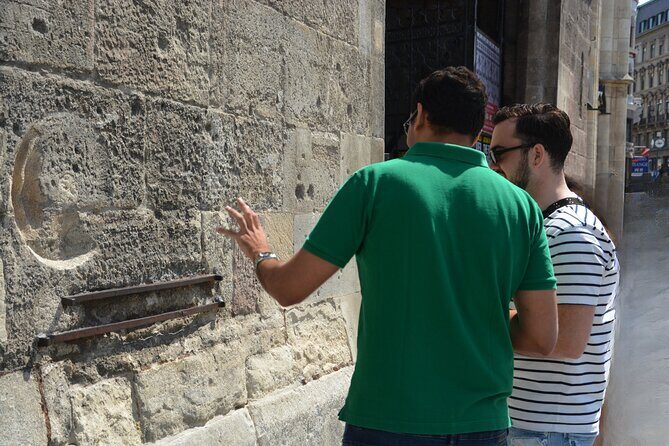
- App-guided riddle format that makes you slow down and read the details
- Blutgasse and Basiliskenhaus for dark-lore curiosity without getting lost
- Ruprechtskirche reminder that Vienna’s oldest church isn’t Stephan’s Cathedral
- Anker Clock and street-name history for ideas you can spot immediately on the walk
- Judenplatz Holocaust Memorial for a more grounded stop that doesn’t feel rushed
- Small-to-midsize groups (max 50), so the experience stays orderly
Why This Vienna Experience Works Better Than a Usual Walk
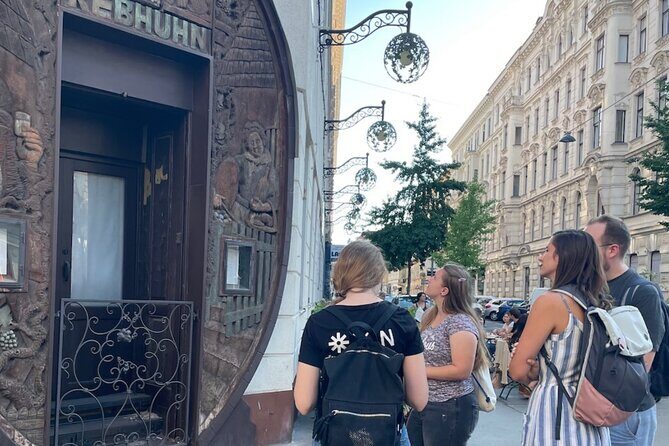
Vienna’s center can feel like a postcard that’s waiting for you to move on. This CityRiddler tour fights that urge. Instead of a “follow the guide” march, you get a puzzle-and-story rhythm: solve a clue, look closely, then learn what it means.
I like that the tour doesn’t ask you to be an expert. It guides you step by step, with short bursts of discovery. Each stop is built to be quick enough to keep momentum, but detailed enough that you don’t feel like you’re just passing through.
The other big win is variety. You’re not only chasing famous sights. You’re also given reasons to notice side streets, church details, clocks, and street names—things that many visitors walk past without a second thought.
You can also read our reviews of more tours and experiences in Vienna.


Price and Logistics: What You’re Paying For
At $23.67 per person for about 2 hours, you’re buying structure. The value isn’t just the route—it’s the app-led format that keeps you engaged for the full walk.
Here’s the cost reality: the first five stops have admission tickets listed as free. The last three stops mention that the admission ticket is not included, so you may need to pay separately if you want to enter those specific places. For planning, think of the tour as a guided scavenger hunt with optional paid entries at a few stops.
It’s also offered in English, and the group cap is 50. That matters because this kind of self-paced-but-guided experience works best when the crowd doesn’t swell.
Meeting Point to Finish Line: Where the Walk Starts and Ends
You’ll meet at Annagasse 10, 1010 Wien and the tour ends in the Freyung area (still in 1010 Wien). That “start/end in the same neighborhood” setup is handy: you’re not forced to cross town afterward just to feel finished.
The tour is available every day during the listed hours, and it runs year-round within the calendar window shown. In plain terms: you have flexibility, as long as the day’s weather behaves.
Also, the starting location is near public transportation, so you can get there without a complicated transit puzzle of your own. And service animals are allowed.
How the App-Guided Pacing Keeps You From Rushing
This isn’t a one-long-riddle slog. You’ll hit eight stops, with about 15 minutes at each one. That means you can maintain attention without burning out. It also makes the route feel manageable if you’ve only got a morning or afternoon to spend.
A key practical detail from the experience format: you’re guided through the app with puzzles. You can typically pause at any time, which is great if you need water, want to re-read a clue, or just want a few quiet minutes off the route.
If you like scavenger hunts, this style is a win. You’re moving, but you’re also forced to look.
Stop 1: Blutgasse and the Blood Alley Riddle
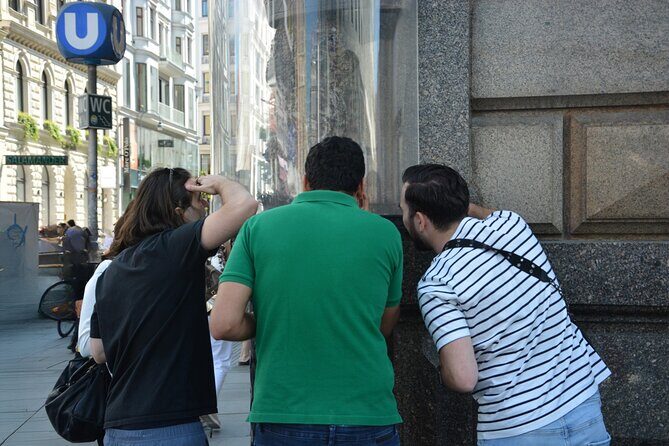
The tour kicks off at Blutgasse, tied to the idea of ancient Blood Alley and the maze-like feeling of the nearby alleys. What makes this stop smart is the order: you’re guided through the app to solve the riddle first, then you receive history and fun facts about the alley you just investigated.
This sequence matters. If you hear the story first, you might only skim. If you solve first, you naturally notice details in the street setting—doors, narrow lanes, and the way the area pulls you along.
Also, the ticket note is free here, so you’re not worrying about separate entry just to start the experience strong.



Stop 2: Basiliskenhaus and the Mystery of Who Killed the Basilisk
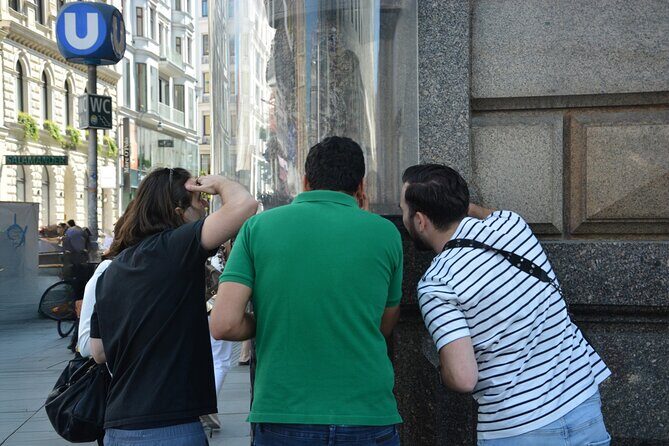
Next up is Basiliskenhaus, where the main question is who killed the Basilisk—and the history behind that story. Even if you’ve never heard the legend, the tour setup keeps it playful rather than dry.
This is one of the stops where you should slow down and look at the building context. When the story is tied to a location name like this, the street scene is part of the clue. The app format should help you connect what you see to what you’re being told.
As with the first stop, admission is listed as free, so you can focus on the narrative without opening your budget app.
Stop 3: St. Rupert’s Church (Ruprechtskirche) and the Not-Stephan’s Tip
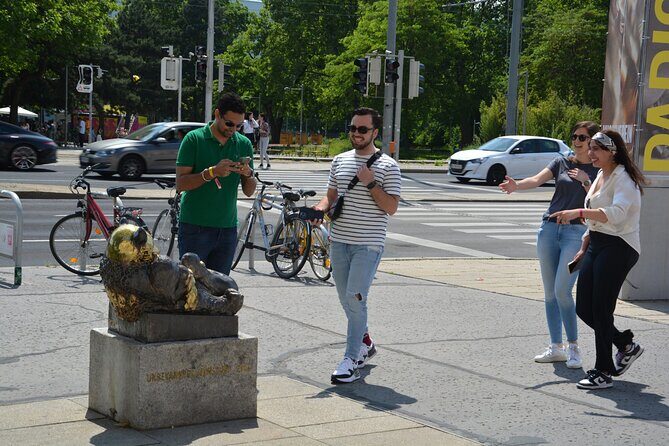
Then you get to St. Rupert’s Church, also known as Ruprechtskirche. Here’s a useful framing point: this is Vienna’s oldest church, and the tour explicitly nudges you not to assume it’s Stephan’s Cathedral.
That’s more than a trivia flex. It helps you recalibrate how you think about Vienna’s center. Stephan’s gets the spotlight; Ruprechtskirche quietly anchors earlier layers of the city.
If you’re the type who likes to understand why something feels important, this is a good stop. It gives you a reason to care about the church beyond the obvious postcard look.
Admission is listed as free here as well, which is a nice bonus in a tour that also has paid-entry possibilities later.
Stop 4: Anker Clock and the Symbol You’re Meant to Notice
At the Anker Clock, the tour focuses on what the clock represents and why it’s considered especially beautiful. Clocks sound like a “passive” sight, but this stop isn’t just about staring at a mechanism. You’re guided to understand the meaning behind what you’re seeing.
This is the kind of stop that pays off when you remember it later. Once you know what to look for, you’ll spot symbolism in other Vienna details too—even if they’re not clock-based.
Again, this stop lists free admission, so you don’t feel like you’re choosing between paying attention and paying money.
Stop 5: Rauhensteingasse and How Vienna Named Streets Centuries Ago
Next is Rauhensteingasse, centered on how Vienna named streets centuries ago. This kind of stop is subtle but powerful for two reasons.
First, street names are basically local history on a sign. When you learn the logic, the city becomes easier to navigate mentally. Second, it helps you read Vienna at street level, not just monument level.
If you enjoy walking through cities like you’re reading a book, this stop will feel satisfying. It’s short, but it gives you a new lens.
Admission is listed as free, so you can keep moving without extra costs.
Stop 6: Backerstrasse No. 2 and Medieval Legends
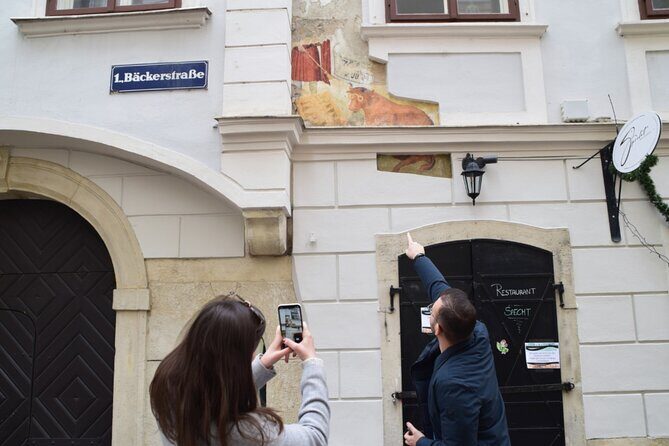
Now things get more story-forward. At Backerstrasse No. 2, you’ll hear one of the more interesting stories and legends from medieval ages. This stop lists admission as not included, so the tour keeps you in “see and learn” mode, but you may still face separate entry costs if you want full access.
This is also one of the stops where good walking shoes matter. Legacies and legends tend to live in architectural specifics—doorways, street geometry, and that slightly dramatic feel old corners have when you’re close enough.
If you’re trying to budget, plan for the possibility that you’ll pay at least something extra at stops like this one.
Stop 7: Fleischmarkt District, an Old Restaurant Story, and Augustin
Then you’ll reach the Fleischmarkt district, where the focus is on one of the older restaurant areas in Vienna and the story linked to Augustin.
This stop works well if you like city history that has human characters. It’s not just dates and styles. It’s a place plus a person-shaped legend, which makes the setting more memorable.
Admission is not included here, so treat this as another stop where you might decide on the spot how much entry you want. Even if you don’t go inside, you’ll still likely pick up the story’s connection to the neighborhood.
Stop 8: Judenplatz Holocaust Memorial and the Jewish Community Story
The final stop is Judenplatz Holocaust Memorial, with a focus on the important history of the Jewish community in Vienna. This is the moment where the tour’s tone should shift from puzzle-play into reflective context.
Even when a tour is fun, you should give a remembrance stop the respect it needs. The best use of your time here is not rushing to tick a box. Pause, read what you can, and let the location land.
Admission is listed as not included for this stop, so again, entry may require a separate ticket depending on how the memorial is presented during your visit. Either way, the learning goal stays clear: understand the community history that belongs here.
Value Check: Is $23.67 Worth It for a 2-Hour Puzzle Walk?
For $23.67 and around 2 hours, you’re getting four things that most standard tours don’t bundle as well:
- Engagement by design: riddles keep you paying attention.
- Concentration in one area: the route stays in the older center.
- Multiple story types: legends, churches, street naming, a clock with symbolism, and a memorial.
- Cost-control early on: stops 1–5 are free entry, so you can start without financial friction.
The tradeoff is that stops 6–8 may have separate admission, so the true “all-in” cost depends on whether you enter those locations. If you’re trying to keep expenses tight, you can still enjoy the storytelling and exterior focus, but that’s your call at each stop.
Also, the maximum group size of 50 helps preserve the vibe. Larger crowds can make puzzle tours feel loud and rushed. This size cap is a good sign for keeping the pace reasonable.
Who This Tour Fits Best (And Who Might Prefer Something Else)
This CityRiddler format is ideal if you like:
- puzzle-style walking games
- short, frequent stops over long lectures
- learning from street-level details (not only major monuments)
- doing a repeatable city activity (Vienna is a great place to revisit areas you’ve “learned” once)
It’s also a good pick for people who already know the big-name sites and want a different angle. The church choice alone does that. The street-name focus does it. The legends do it.
If you prefer silent museum-style travel or you dislike app-driven navigation, this might feel too active for your taste. Also, because it’s weather-dependent, if you’re visiting during unpredictable rain or cold snaps, you may want a flexible plan.
Practical Tips So You Don’t Miss the Fun
- Wear shoes you can walk in for the full 2 hours. The route is paced by stops, not by sitting.
- Bring your phone battery seriously. The tour is guided by the app, and you’ll be using it repeatedly.
- If you need breaks, use them. The format lets you pause, which keeps the experience comfortable rather than stressful.
- Arrive at the start area in time so you can begin without rushing into puzzles.
- If you’re doing this in English, keep your ear open for quick explanations at each stop; the tour is short at each location.
Should You Book CityRiddler’s Vienna Puzzle Walk?
I’d book it if you want a structured way to see more than just Vienna’s headline sights, without turning your day into a checklist. The app-led riddles add energy, and the route includes a smart mix: Blutgasse, Basiliskenhaus, Ruprechtskirche, the Anker Clock, street-name history, then legends and the Judenplatz Holocaust Memorial at the end.
I would skip or switch plans if the weather is likely to be miserable or if you strongly dislike app-based navigation. In good conditions, though, this is one of the easier ways to walk the center and actually remember what you learned.
If you’re curious, give it a go. It’s the kind of tour that can make you look at familiar streets like they’ve never been ordinary before.
FAQ
How long is the CityRiddler Vienna tour?
It lasts about 2 hours.
Is the tour offered in English?
Yes, it’s offered in English.
Where do I start and where does it end?
You start at Annagasse 10, 1010 Wien, Austria, and the tour ends in the Freyung area (also 1010 Wien).
Do I need to pay admission at the stops?
Admission tickets are listed as free for the first five stops. Admission tickets are not included for the last three stops.
How does the tour work if it uses an app?
You’re guided through the CityRiddler app, and you solve puzzles/enter codes as part of the experience. You can also pause at any time.
What happens if the weather is bad?
This experience requires good weather. If it’s canceled due to poor weather, you’ll be offered a different date or a full refund.
How large are the groups?
The tour has a maximum of 50 travelers.