REVIEW · VIENNA
What do Mozart and Henry Ford have in common? – The freemason in Vienna
Book on Viator →Operated by Sandra Blum - Safu - exklusiv Wien entdecken · Bookable on Viator
Freemasons in Vienna leave clues everywhere. This private, 1 hour 45 minute walk is built around the idea that famous names like Mozart and Henry Ford share a link to a centuries-old “union of men,” with Vienna’s stone and street details used as your evidence trail. I especially like how symbol-focused the stops are, and I like that the tour is led by Sandra Blum of Safu – exklusiv Wien entdecken. One consideration: you’ll get quick stops rather than long museum time, and the Albertina visit is outside-only with admission not included.
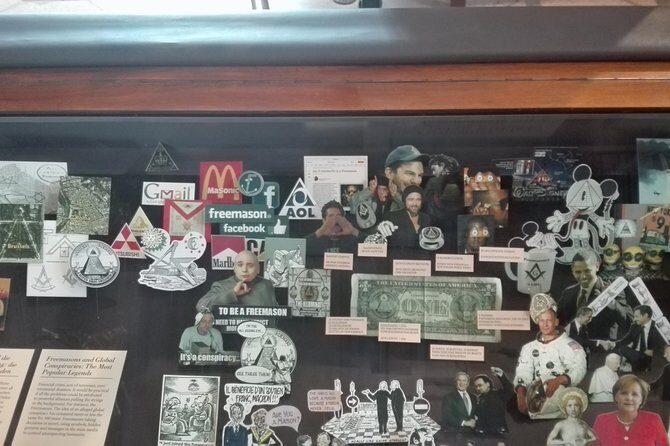
I also like the tone. You’ll hear how people have described Freemasonry as conspiratorial or connected to mystic activity, but the guide keeps it grounded in what you can actually see in Vienna. Along the way, you’ll connect the dots between the grand public sites and an address that matters for the group’s presence in the city, plus a church tied into the same story.
The route is compact, starting at Judenpl. 5 (near Judenplatz) and finishing at Josefsplatz, so it fits well even on a tight sightseeing day. It’s priced at $49.78 per person, and it runs only for your group (minimum 5, maximum 25), which is great for families and friend groups who want a calmer pace.
In This Review
- Key points to know before you go
- Following Freemasonry in Vienna: a city built for clues
- The price question: is $49.78 worth it?
- Stop 1: St. Stephen’s Cathedral and the Freemason emblem idea
- Stop 2: Rauhensteingasse and the address that matters
- Stop 3: St. Michael’s Church and another symbol read
- Stop 4: Albertina exterior time (and what it means for your schedule)
- The route flow: how this tour keeps Vienna manageable
- Who this is best for (and who might want something else)
- Booking reality checks: confirmation and time windows
- Should you book it?
- FAQ
- What is the price per person?
- How long is the tour?
- Is this a private tour?
- How many people are in a group?
- Where does the tour start and end?
- Which stops are included?
- Are admission tickets included?
- How do I receive my ticket?
- When will I get confirmation after booking?
- What’s the cancellation policy?
Key points to know before you go
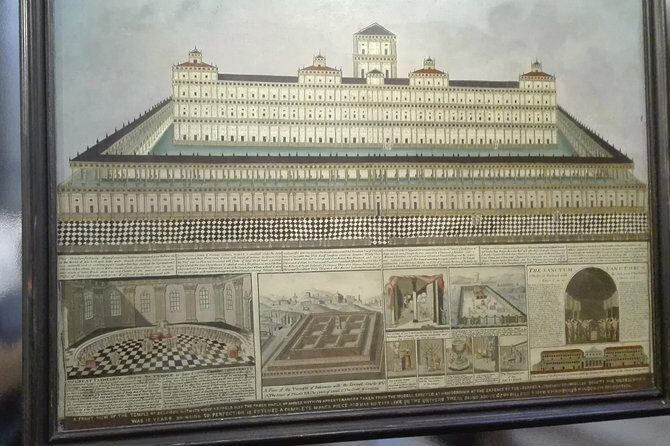
- A symbol-and-street approach to Freemasonry, using Vienna’s visible landmarks as your “text”
- Private group format with a minimum of 5 people, so you’re not stuck with random strangers
- Short, practical stop times that keep the tour moving without turning into a lecture marathon
- Albertina exterior only, with admission not included, so plan for that if you want inside time later
- Free admission at the first three stops, which helps the overall value
- Service and support praised in past reviews, including a note about wheelchair assistance being excellent
Following Freemasonry in Vienna: a city built for clues
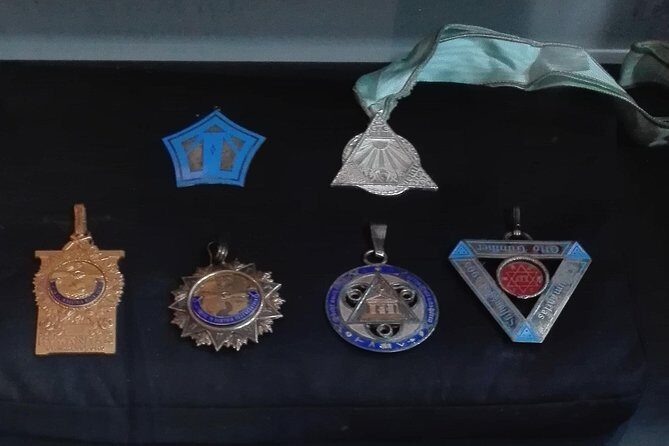
Vienna has a habit of making ideas feel physical. You look up at a cathedral facade, you spot a detail in stone, and suddenly history stops being a date list and starts being architecture. That’s the payoff here. This tour is built around reading the city like a message, with Freemasonry as the theme that connects places and famous figures people associate with the group.
The fun part is not just the theme. It’s how the tour frames it: it’s about traces that still exist, and about how a centuries-old network left marks in the city. The tour mentions that names like J.W. Goethe, George Washington, Henri Dunant, Giacomo Puccini, G.E. Lessing, Fritz Muliar, and of course Mozart and Henry Ford are part of the shared story people talk about. Whether you come in with a big interest in the topic or you’re just curious, you’ll get a sense of why Vienna attracts attention when Freemasonry comes up.
And yes, you’ll likely hear the edge-of-the-world chatter too—people have labeled it conspiratorial, mystical, even suspicious. A good tour doesn’t just repeat that. It helps you sort what’s rumor versus what’s visible. In this case, that means looking closely at emblems and references in major public spaces.
You can also read our reviews of more tours and experiences in Vienna.
The price question: is $49.78 worth it?
Let’s talk value in real terms. At $49.78 per person for about 1 hour 45 minutes, you’re paying for a guided, private experience focused on a specific theme. The good news: most major access costs on the route are low. The cathedral stop and the church stop both show as admission ticket free, and the key street-address stop is also free.
The one “watch this” detail is that Albertina is exterior only, and the admission is not included. So if you want to add a museum visit, you’ll need to budget extra.
For me, the value comes down to pacing. This tour doesn’t try to replace a day in a museum. It’s a concentrated route that helps you interpret what you’re already seeing around the historic center. If you like tours that help you notice, not tours that drag you through 10 hours of content, this price makes more sense.
Stop 1: St. Stephen’s Cathedral and the Freemason emblem idea
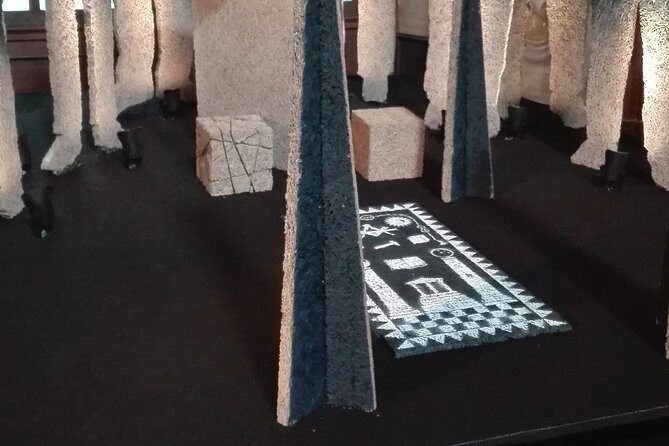
Your tour kicks off at St. Stephen’s Cathedral, where the focus is not the whole building. It’s on an emblem viewed through the Freemason lens—essentially, how Freemasonry can change what you notice in a familiar landmark.
Why this works for you: St. Stephen’s is one of those places where most people rush through photos. A focused theme turns your attention from “wow, big cathedral” into “what detail is the guide pointing to, and why does it matter in this story?”
Practical note: the time is short (about 10 minutes). That’s enough for meaning-making, but not enough for wandering. If you want to take your own photos or look around more, arrive with a plan for what you want to see outside the theme points.
Stop 2: Rauhensteingasse and the address that matters
Then you shift from a landmark to an address: Rauhensteingasse. This is where the tour leans into the idea that Freemasonry wasn’t just some abstract philosophy—it has a presence you can locate on a map.
This stop runs longer (about 20 minutes), which signals what the tour wants you to feel: this part is central to the story. An address visit is different from a building visit. You don’t just look at architecture; you’re placing the theme into a real urban setting—where people would have gathered, where institutions would have had an identity, and where traces could remain.
If you’re the type who likes “follow the paper trail” history, this part may click fast. If you prefer big interiors and museum objects, it might feel more like a guided street reading. Either way, it’s a useful contrast after the cathedral.
Stop 3: St. Michael’s Church and another symbol read
Next is St. Michael’s Church. Like the first stop, it’s framed as related to Freemasonry, with the guide connecting what you see to the theme.
The timing is about 10 minutes, so you’re not going for a full church tour. You’re going for the targeted look—the quick version that teaches you how to “spot the story.” This is one of the best styles of walking tour if you’re trying to see Vienna efficiently, because you’ll leave with specific things to watch for on your own later.
The potential downside: if you’re hoping for deep architectural analysis, 10 minutes won’t replace a book or a full guided visit. But that’s not the point of this experience. It’s themed orientation—how to read Vienna through a narrow lens.


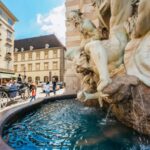
Stop 4: Albertina exterior time (and what it means for your schedule)
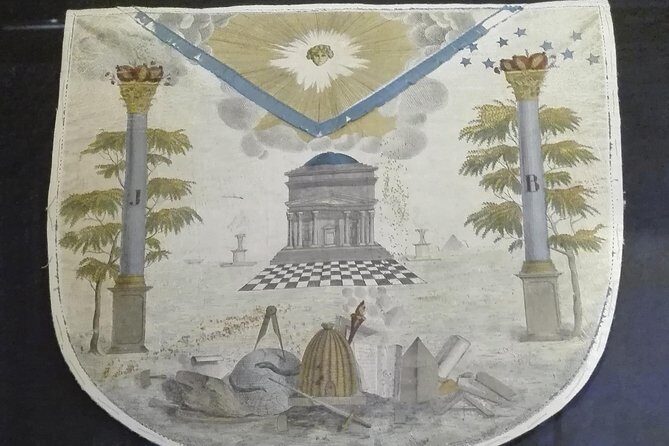
Finally, you get Albertina from the outside with about 10 minutes allocated, and admission is not included.
This is the tour’s biggest “planning” moment. Exterior-only time can still be valuable if you enjoy urban theater—facades, sight lines, and connecting what you’re seeing to earlier stops. But it means you can’t expect a museum experience inside the price.
So if Albertina is on your must-see list, treat this stop like a preview. You can do the guided walk first, then decide later whether to book a museum visit when you have more time.
The route flow: how this tour keeps Vienna manageable
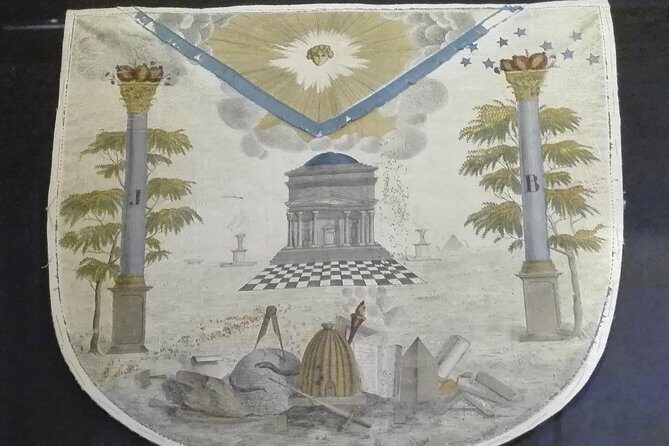
The tour is designed to be walkable and time-efficient. It starts at Judenpl. 5, 1010 Wien and ends at Josefsplatz, 1010 Wien. That matters because you finish in a central area where it’s easy to keep sightseeing without crossing town.
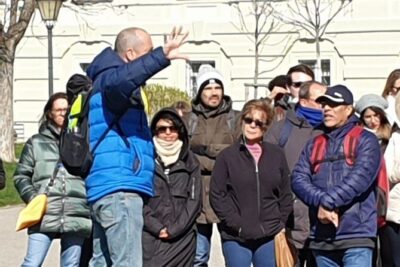
Also, the experience is private—only your group participates. The group size ranges from minimum 5 to maximum 25, which usually translates to a better chance at questions and a less chaotic pace than the huge group buses.
One more practical detail: it uses a mobile ticket, and you’re close to public transportation, which is handy in Vienna where you often hop between tram and foot.
Who this is best for (and who might want something else)
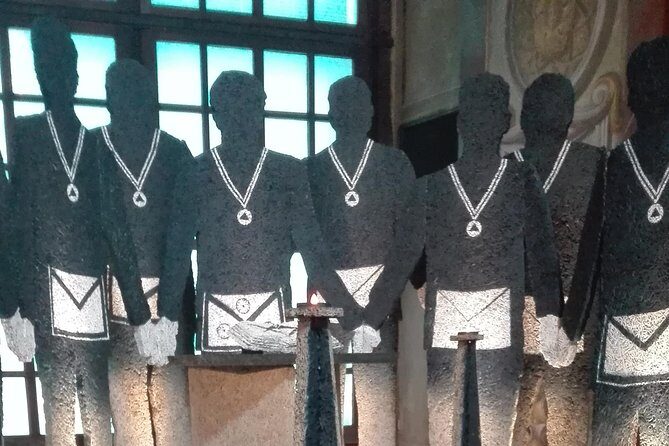
I think this tour fits best if you like:
- themed walking tours that teach you what to notice
- history that connects public monuments with real city locations
- learning in short bursts instead of long museum sessions
It’s also a decent choice for families and mixed-age groups because the stops are short and focused, and the tour runs at a reasonable length. It’s not the best match if you want a traditional, chronological lecture. This is more about reading the symbols and traces tied to a specific theme.
One thing to consider: if the topic of Freemasonry immediately makes you skeptical or uncomfortable, you might still enjoy the structure, because the tour is grounded in what’s visible in Vienna. But if you need purely “documented-only” history with zero room for rumor, you may prefer a different kind of tour.
Booking reality checks: confirmation and time windows
When you book, you should receive confirmation within 48 hours, depending on availability. The tour is scheduled within a stated operating window (Monday to Friday, 9:00 AM to 8:00 PM), so it’s usually easy to find a slot that fits a standard sightseeing day.
If you’re planning the rest of your itinerary, give yourself some breathing room after the tour. You’ll finish near Josefsplatz, which is convenient for wandering, but you might also want to return later for extra looking—especially if Albertina is now calling your name.
Should you book it?
Book it if you want a compact private Vienna experience that helps you notice symbols and story connections in major landmarks. The route is efficient, a lot of access costs are low (free entries at the first three stops), and it’s guided by Sandra Blum from Safu – exklusiv Wien entdecken.
Don’t book it if you’re hunting for a full museum day or long, slow architectural immersion. This is a walk-and-read tour, and Albertina is only viewed from outside—so plan any indoor time separately.
If your idea of a great trip day is learning how to see more in less time, this one is a strong fit.
FAQ
What is the price per person?
The price is $49.78 per person.
How long is the tour?
It lasts about 1 hour 45 minutes.
Is this a private tour?
Yes. It’s a private tour/activity, and only your group participates.
How many people are in a group?
There is a minimum of 5 and a maximum of 25 people.
Where does the tour start and end?
It starts at Judenpl. 5, 1010 Wien, Austria and ends at Josefsplatz, 1010 Wien, Austria.
Which stops are included?
The tour includes St. Stephen’s Cathedral, Rauhensteingasse, St. Michael’s Church, and an outside stop at Albertina.
Are admission tickets included?
Admission is listed as free for St. Stephen’s Cathedral, Rauhensteingasse, and St. Michael’s Church. Albertina admission is not included.
How do I receive my ticket?
You receive a mobile ticket.
When will I get confirmation after booking?
You’ll receive confirmation within 48 hours of booking, subject to availability.
What’s the cancellation policy?
You can cancel for a full refund if you cancel at least 24 hours before the experience starts. Changes within 24 hours are not accepted.