REVIEW · VIENNA
Vienna: Electric-Imperial Carriage Sightseeing Tour
Book on GetYourGuide →Operated by Royal E-Car Tours · Bookable on GetYourGuide
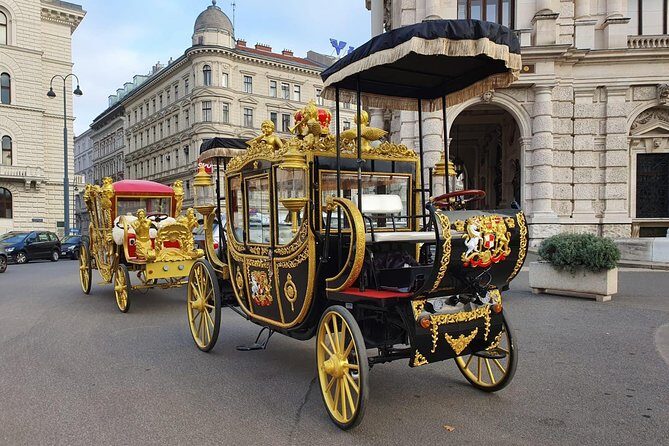
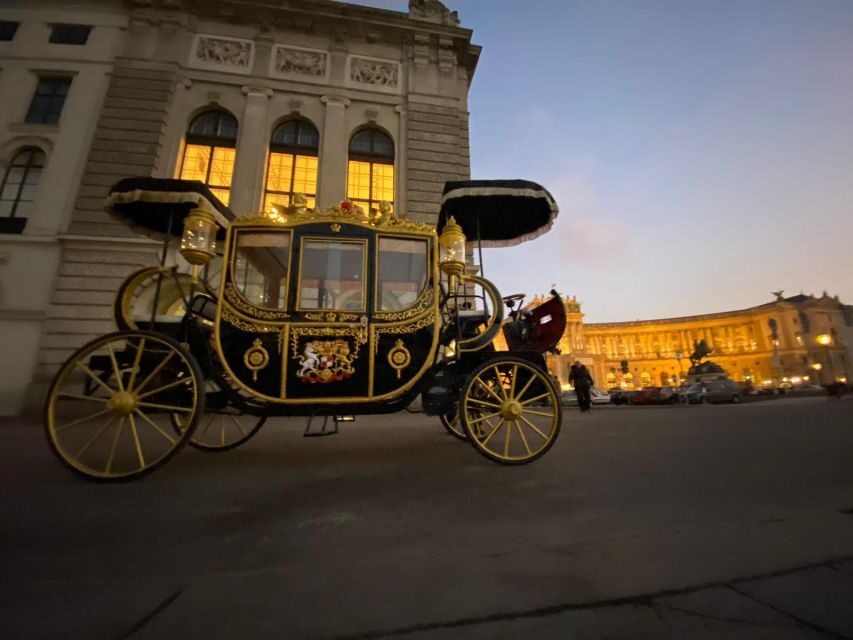
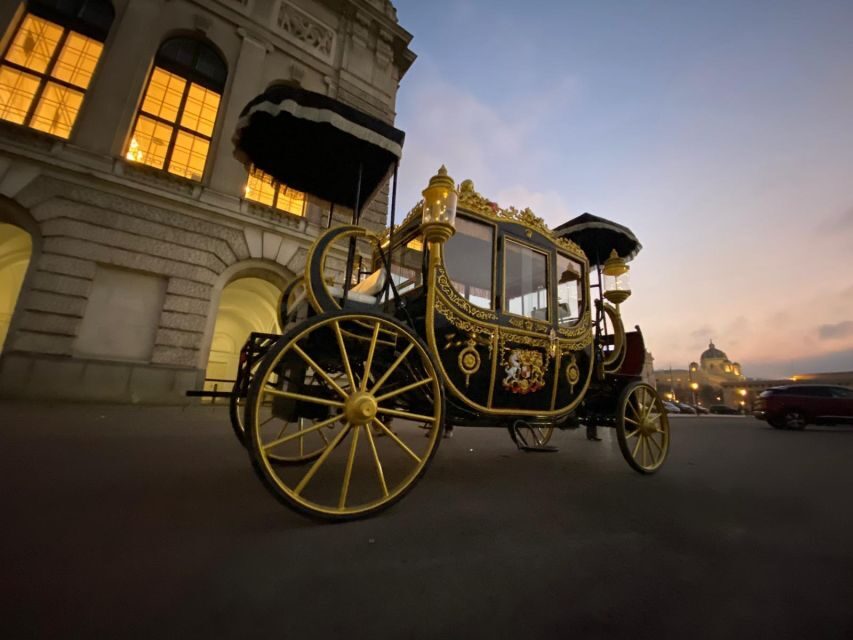
An electric carriage glides through Vienna’s past. In 60 minutes, you pass major Old Town icons in an Electric Imperial-style ride, with Wi‑Fi and plenty of chances to pull out your camera. If you want a fast, comfortable way to see Vienna’s highlights, this one is built for that.
I like the private format for up to five people. You get a live guide speaking your language, and the group stays small enough that the stories actually land. I also like the included Prosecco / beer / softdrinks, which turns a sightseeing drive into something that feels a bit more like an outing than a checklist.
The main thing to watch is the time. One hour is perfect for covering big sights, but you won’t spend long at any one landmark, so plan deeper stops separately if that’s your style.
In This Review
- Key highlights worth knowing
- Electric Imperial Carriage in Vienna: the vibe and what you really get
- Where you meet at Cafe Mozart and how pickup/drop-off affects your day
- The 60-minute Platinum route: passing the sights in smart order
- Hofburg Palace to Maria Theresia Monument: Vienna’s power center in one sweep
- Parliament and the cultural buildings: formality with style
- University and church spires: Old Vienna’s everyday skyline
- Cafe Central and Minoritenkirche: a pause for atmosphere
- President residence to Spanish Riding School: grandeur with discipline
- Cafe Mozart to Opera / Staatsoper: music sits in the street plan
- Hotel Sacher, Old Moulin Rouge, Schwarzenberg café: iconic names on a loop
- Soviet Memorial to Karlskirche: the contrast that makes Vienna feel real
- Wi‑Fi, drinks, and photo opportunities: small inclusions that matter
- Private group + live guide languages: how the commentary makes the route work
- Price and value: $340 per group of up to 5
- Who should book this Vienna electric carriage tour
- Should you book Royal E-Car Tours Vienna?
- FAQ
- How long is the Vienna Electric-Imperial Carriage Sightseeing Tour?
- How much does the tour cost?
- Where do we meet the driver?
- Is hotel pickup included?
- Is Wi‑Fi included?
- What drinks are included?
- Is the tour private?
- What languages are available for the live guide?
- Are there any rules about smoking?
- Which sights are on the 60-minute Platinum passing route?
Key highlights worth knowing
- Electric Imperial carriage comfort: Eco-friendly carriage sightseeing with a classic, elegant vibe.
- Private tour for up to 5: Small group means less waiting and more direct conversation with your guide.
- On-board Wi‑Fi: Useful for quick photos, directions, and sharing right away.
- Included drinks: Bottle of Prosecco, beer, or softdrinks is part of the tour experience.
- Photo-friendly route through top sights: A set Platinum route that loops past major Vienna landmarks.
Electric Imperial Carriage in Vienna: the vibe and what you really get
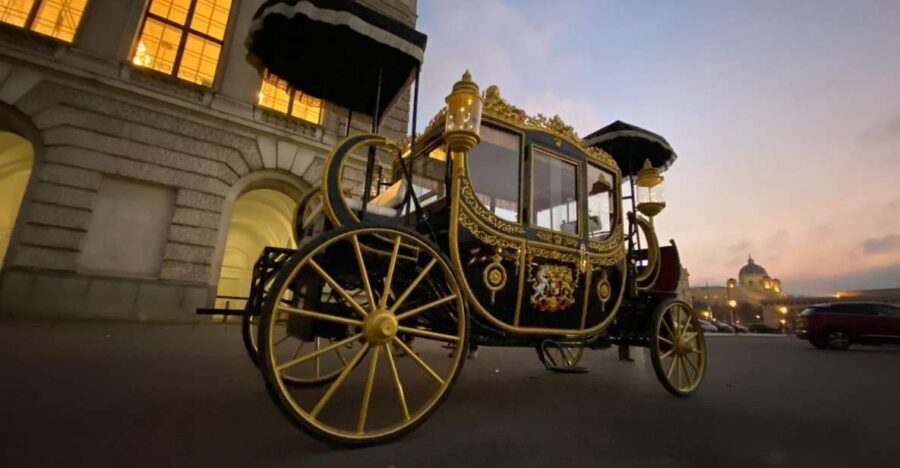
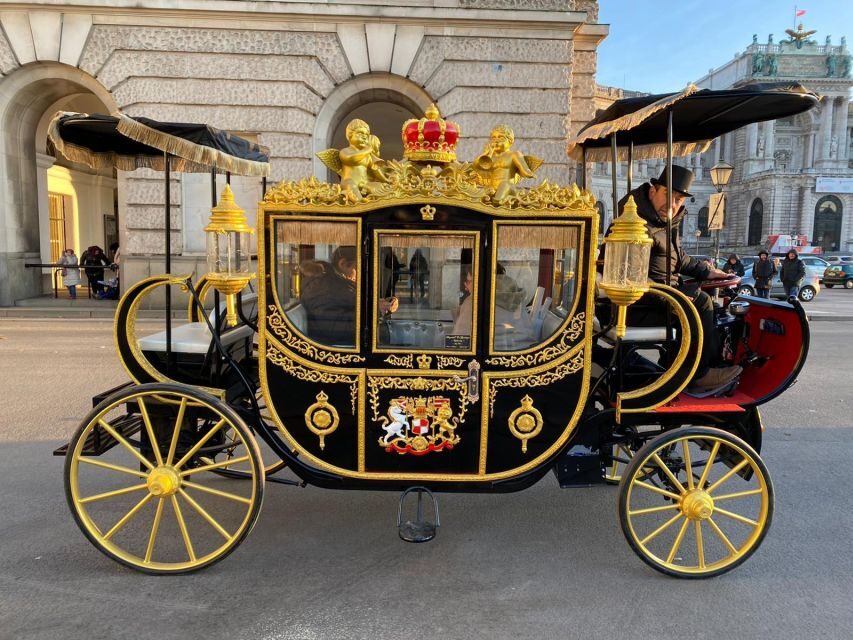
This is a Vienna electric carriage sightseeing tour built around two goals: motion and storytelling. You’re not just being transported from point A to point B. You’re guided along Vienna’s historic center while you catch views from the carriage that are hard to replicate on foot, especially when streets get busy.
The Electric Imperial Carriage setup gives you that slightly old-world feel—without the hassle of traditional horse-drawn logistics. And because the tour includes Wi‑Fi on board, it’s easy to keep your day organized: check what you want to see next, tag photos, and coordinate with your group while you’re still on the move.
The best part, in practical terms, is that this format helps you get your bearings fast. You’ll see the big-name structures that shape Vienna’s look, then you can decide which neighborhoods or buildings deserve more time later.
You can also read our reviews of more tours and experiences in Vienna.
Where you meet at Cafe Mozart and how pickup/drop-off affects your day
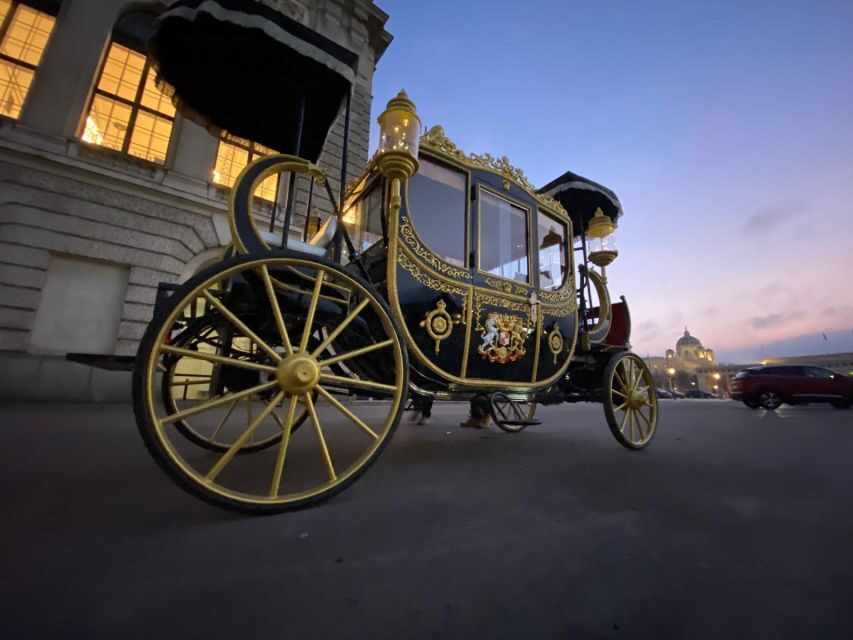
Start is very clear: the driver waits in front of Cafe Mozart at Albertinaplatz 2, 1010 Vienna. You’ll show your voucher to the driver, and the activity ends back at the same meeting point.
Hotel pickup is possible, but only if your hotel is in the city center / Old Town. The tour also mentions pickup/drop-off service within a service range. Translation: if you’re staying right in the core, you’ll likely get the convenience. If you’re farther out, you may be driving yourself to the meeting spot.
This matters because a one-hour tour doesn’t leave much time for detours. If you can do hotel pickup, you’ll protect that hour for sightseeing instead of transit.
The 60-minute Platinum route: passing the sights in smart order
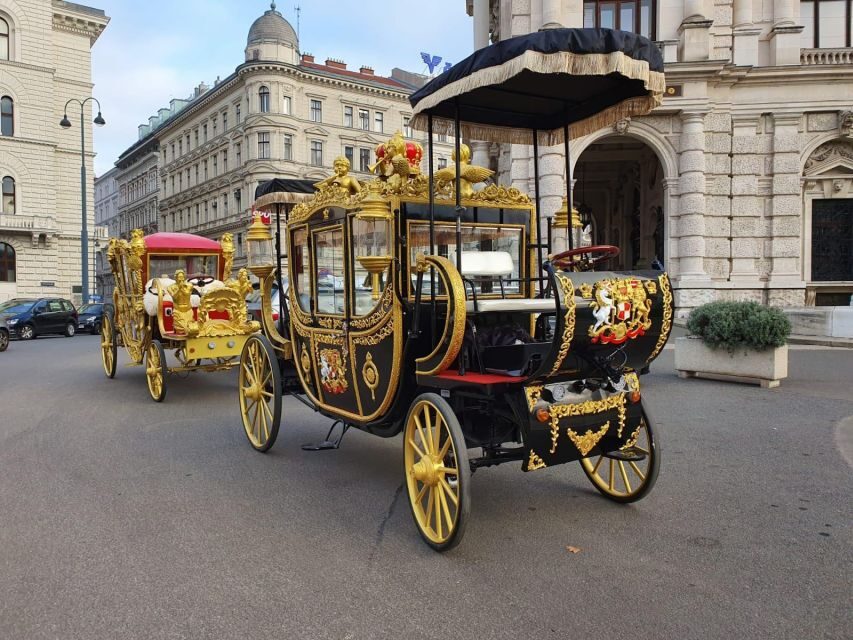
Think of this as a guided loop through Vienna’s headline locations. You’ll be shown iconic stops and landmarks, but your experience is about seeing them from the carriage while your guide connects them through stories. That makes it ideal for first-time visitors and for anyone who wants the city’s main “photo and architecture hits” without committing to long museum hours.
Here’s how the Platinum 60-minute route plays out, in the order you’ll pass:
Hofburg Palace to Maria Theresia Monument: Vienna’s power center in one sweep
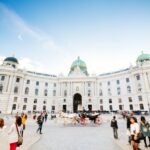
You start near the Hofburg Palace, Vienna’s former seat of imperial power. The Hofburg area is the kind of place where details matter, so even from the carriage it gives you a sense of scale. Next comes the Maria Theresia Monument, a striking anchor point that helps you orient yourself to central Vienna’s grand civic layout.
After that you pass the Kunsthistorisches Museum. Even if you don’t go inside, the building signals “museum district energy,” and it’s a useful landmark when you later want to plan a museum visit.
Parliament and the cultural buildings: formality with style
From there you move past Parlament and the Burgtheater. This is Vienna’s “official and cultural” mix—governance and arts close together. If you’re the kind of traveler who enjoys how buildings reflect national identity, these stops are excellent because you can read the city’s priorities just by what’s built where.
Then you pass the Rathaus / City Hall. Rathaus is one of those structures you recognize instantly once you’re close enough, and from the carriage you still get a good visual sense of its presence in the square system of the center.

University and church spires: Old Vienna’s everyday skyline
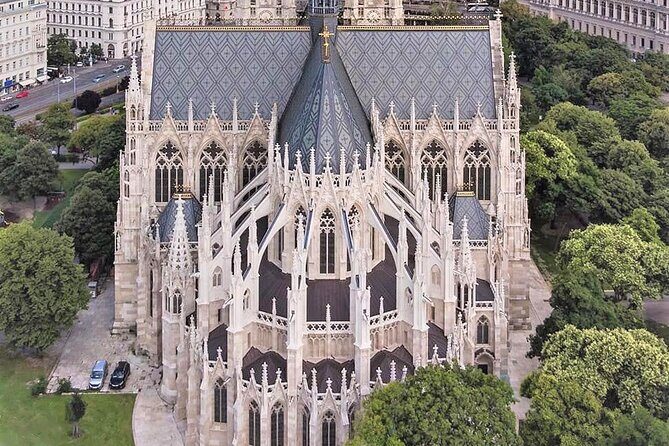
Next you pass the University of Vienna and Votivkirche. This is where Vienna’s “old meets ongoing life” shows up. A university building isn’t just architecture—it’s a living institution. And Votivkirche adds the dramatic vertical element that makes photos pop even if you’re moving.
You also pass Am Hof, which is a name you’ll hear again and again in Vienna travel planning. It’s the kind of area that feels older than the modern map around it, and it gives your guide a chance to connect the layers of the city.
Cafe Central and Minoritenkirche: a pause for atmosphere
You’ll pass Cafe central and Minoritenkirche. The cafe stop isn’t just about a place to drink coffee—it’s about seeing where Viennese café culture sits inside the city’s architecture world. Minoritenkirche brings that church-side perspective back in, balancing the civic and cultural big hitters.
This segment is also a good reminder that Vienna’s character isn’t only palaces and theaters. It’s the way daily life and ceremony share the same streets.
President residence to Spanish Riding School: grandeur with discipline
Passing points include the President residence, the Spanish Riding School, and the National library. This cluster works well because it takes you through different types of prestige: state leadership, equestrian tradition, and scholarship housed in major institutions.
If you love watching how a city organizes status—where it places its rituals—this route gives you plenty to notice without needing extra walking time.
Cafe Mozart to Opera / Staatsoper: music sits in the street plan
Then you pass Cafe Mozart and Opera / Staatsoper, and it’s one of the most satisfying stretches for people who associate Vienna with music on sight alone. Even if you don’t attend a performance, seeing the opera area helps you understand why the city’s cultural branding is so strong.
Next comes Albertina, a major name tied to art and exhibitions. From the carriage it’s a “you’re here” landmark that helps you connect with what you might want to see later.
Hotel Sacher, Old Moulin Rouge, Schwarzenberg café: iconic names on a loop
You’ll pass Hotel Sacher Vienna, The Old Moulin Rouge, and Schwarzenberg cafe. These stops are perfect for travelers who like recognizable signposts. They’re also great for photos because each has a distinct identity that’s easy to frame from a moving vehicle.
If you’re curious how the city mixes classic landmark status with more modern entertainment history, this segment is your payoff.
Soviet Memorial to Karlskirche: the contrast that makes Vienna feel real
The route then includes the Soviet Memorial, Schwarzenbergplatz, and Karlskirche. This part of the tour is especially valuable because it introduces contrast. Vienna isn’t only imperial romance; it also holds reminders of 20th-century history, placed right alongside older architectural traditions.
Finally, Karlskirche is one of the most visually memorable late-route sights. It’s the kind of structure that makes you understand why people plan whole afternoons around architecture and photos.
Wi‑Fi, drinks, and photo opportunities: small inclusions that matter
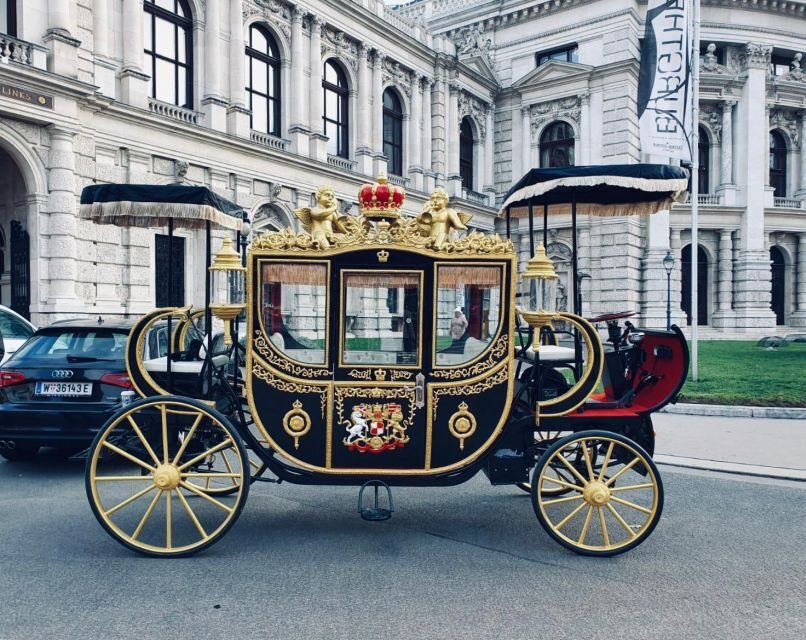
This tour includes a bottle of Prosecco, beer, or softdrinks, plus Wi‑Fi on board. Those two extras sound simple, but they change the experience in real ways.
The drink makes the one-hour ride feel more relaxed, especially if you’re traveling with a group or celebrating something minor. And the Wi‑Fi is practical: it helps you coordinate with your travel partner and instantly search what you’re seeing as the guide names landmarks.
Because you’ll have many photo opportunities, I’d treat the tour like a moving photo session with commentary. Keep your phone charged and ready. If you’re the type who cares about angles, save a moment for quick shots when you see the guide gesture toward a major façade.
Private group + live guide languages: how the commentary makes the route work
This is a private group tour. That matters because a private experience keeps you from getting lost in the logistics of larger group pacing. With a small group, your guide can tailor the tone of the stories and answer questions without a constant stop-start rhythm.
The tour also specifies live tour guide languages: Arabic, English, German, Hungarian, Italian, Persian, Russian, Spanish, Romanian. That’s useful if you want the stories to land clearly. Language access is more than comfort—it’s how you get meaning out of the architecture and landmarks you’re seeing.
The service level shows up in the overall feedback style people tend to leave for this kind of tour: clear communication, friendly guide energy, and an experience that feels special instead of rushed.
Price and value: $340 per group of up to 5
The price is $340 per group (up to 5 people). That’s a straight, group-based rate, so value depends heavily on how many people you split it with.
- If you fill it with 5 people, you’re effectively closer to a lower per-person figure.
- If it’s just 1 or 2 of you, the cost per person climbs fast, so you’ll want to be sure this format is your best use of time.
Where it becomes good value for the right traveler: you’re getting a private electric carriage ride, a 60-minute guided route through major sights, plus Wi‑Fi and an included bottle of drinks. If you’d otherwise book a standard tour and pay extra for comfort items and convenience, this “bundle” can feel more efficient.
Who should book this Vienna electric carriage tour
This is a strong fit if you want:
- A one-hour way to see Vienna’s top sights without planning a long day of walking
- A private tour format for up to five people
- Live commentary in a language you’re comfortable with
- A photo-friendly route that covers major names like Opera / Staatsoper, Albertina, and Karlskirche
It may be less ideal if you plan to spend most of your time going inside landmarks. This is a pass-and-see experience, so treat it as your “first pass” through the center, then choose a few places to revisit later under your own steam.
Should you book Royal E-Car Tours Vienna?
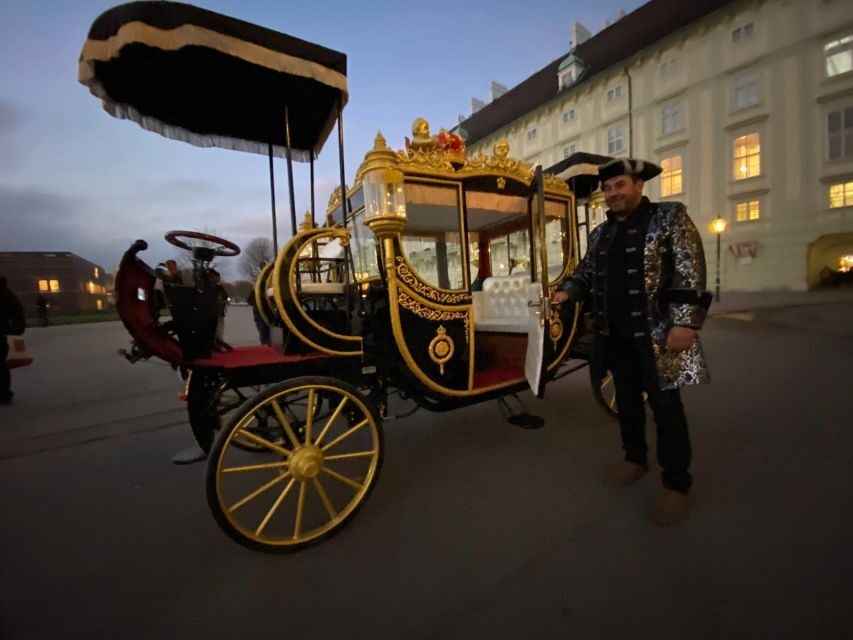
I’d book this if your goal is simple and smart: cover Vienna’s most recognizable sights in a short, guided, comfortable format. The private setup, the on-board Wi‑Fi, and the included drinks make it feel like a polished way to spend an hour in the historic center.
I wouldn’t book it if you hate the idea of moving through lots of landmarks quickly. If your travel style is long stops and deep indoor time, you’ll likely get more from a museum-focused afternoon and use this kind of carriage tour on a day you want an easy overview first.
If you can do hotel pickup in the Old Town area, that convenience also pushes it in favor of booking.
FAQ
How long is the Vienna Electric-Imperial Carriage Sightseeing Tour?
The tour duration is 1 hour. Starting times depend on availability.
How much does the tour cost?
The price is $340 per group, up to 5 people.
Where do we meet the driver?
Meet in front of Cafe Mozart at Albertinaplatz 2, 1010 Vienna. Show your voucher to the driver.
Is hotel pickup included?
Hotel pickup is included if your hotel is in the city center (Old Town). Pickup/drop-off is also offered within the service range.
Is Wi‑Fi included?
Yes. The tour includes Wi‑Fi on board.
What drinks are included?
You get a complimentary bottle of Prosecco or beer or softdrinks.
Is the tour private?
Yes. It’s a private group tour.
What languages are available for the live guide?
The live tour guide is available in Arabic, English, German, Hungarian, Italian, Persian, Russian, Spanish, Romanian.
Are there any rules about smoking?
Smoking is not allowed in the vehicle.
Which sights are on the 60-minute Platinum passing route?
The Platinum (60 min) route includes stops/passing points such as Hofburg Palace, Maria Theresia Monument, Kunsthistorisches Museum, Parlament, Burgtheater, Rathaus/City Hall, University of Vienna, Votivkirche, Am Hof, Cafe Central, Minoritenkirche, President residence, Spanish Riding School, National library, Cafe Mozart, Opera/Staatsoper, Albertina, Hotel Sacher Vienna, The Old Moulin Rouge, Schwarzenberg cafe, Soviet Memorial, Schwarzenbergplatz, and Karlskirche.