REVIEW · VIENNA
Vienna: Austrian Wine Tasting
Book on GetYourGuide →Operated by Weinrudi · Bookable on GetYourGuide
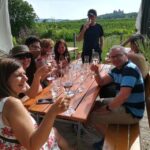
Vienna wine has a habit of turning simple sips into real understanding. In a small shop near the Prater, you’ll learn the why behind Austrian wine while tasting six carefully chosen bottles. I like that the experience is hands-on and practical, not just talk, and I also like the expert-led pacing that keeps you moving from region to glass with clarity.
You’ll start with a welcome glass of frizzante, then get a guided presentation on Austrian wine styles, flagship grape varieties, and regional differences. Expect a friendly atmosphere, a real focus on tasting technique, and plenty of food alongside the pours. The one possible drawback: it’s not a private tour, and you need to be okay with a shared, classroom-style flow in a compact space—especially if you’re sensitive to strong aromas or you’re unwell.
In This Review
- Key Things To Know Before You Go
- Inside Weinrudi: A Vienna Wine Tasting That Teaches You How to Taste
- Your 2-Hour Format: Welcome Frizzante, Then Guided Austrian Wine Styles
- The Star Wines You’ll Be Tasting (And What They Tell You)
- Food, Water, and the Pacing That Makes You Want More
- Who Leads the Tasting: Guidance You Can Ask Questions About
- The Weinrudi Location: Pair It With a Vienna Afternoon
- How Much It Costs—and Why It Feels Fair
- Small Group Means You Can Actually Engage
- Possible Downsides to Consider Before You Book
- Tips to Get More Out of Your Tasting
- Should You Book Weinrudi’s Austrian Wine Tasting in Vienna?
- FAQ
- How long is the Vienna Austrian Wine Tasting experience?
- Where is the meeting point?
- What’s included in the price?
- Is pickup included?
- How many wines will I taste?
- What wines or grape varieties are featured?
- What languages does the guide speak?
- What group size is this?
- Is it wheelchair accessible?
- Is it suitable for children or pregnant women?
- What’s the cancellation and payment flexibility?
Key Things To Know Before You Go
- Small-group size (up to 8) keeps the guide’s attention on you and your questions
- Six wine tastings plus a welcome frizzante makes the price feel more like a class with drinks, not just a sample flight
- A Wine Academy graduate leads the session, with a focus on tasting technique and how Austrian wine regions differ
- Vienna, Wachau, and Kremstal are built into the lineup through specific standout wines
- Bread, snacks, and water are included, so you’re not balancing wine on an empty stomach
- English and German options help you get the most out of the explanations
Inside Weinrudi: A Vienna Wine Tasting That Teaches You How to Taste
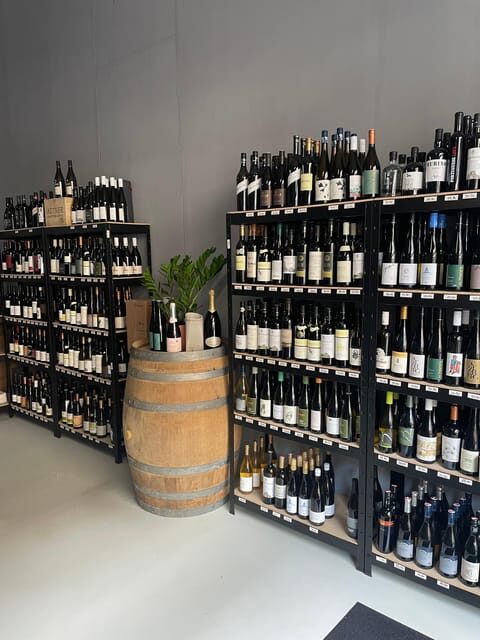
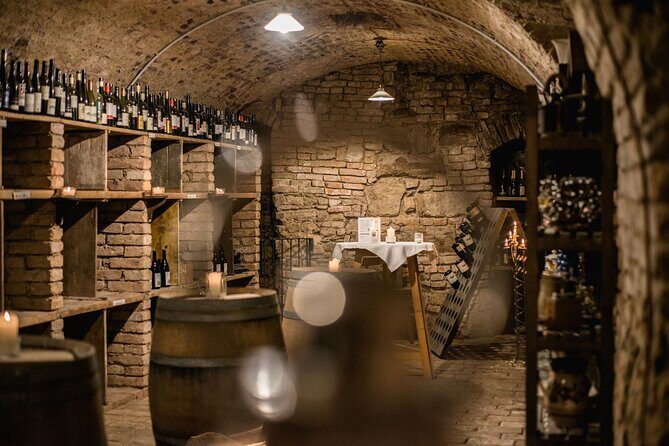
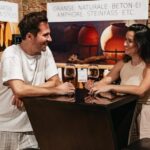
This is the kind of tour that makes you leave with a usable skill, not just a souvenir glass. At Weinrudi, the setting is simple: a wine shop in Vienna’s second district (Bruno-Marek-Allee 11), close enough to pair with a day of sightseeing around the Prater area. The vibe is relaxed, and the format is clear—welcome drink, tasting presentation, then structured pours so you can actually compare styles.
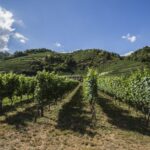
What makes it work so well is the balance between education and enjoyment. You’re tasting real Austrian wines while learning how to spot the differences that matter: acidity, aroma intensity, body, and finish. Even if Austrian wine isn’t your main focus today, you’ll start to notice the patterns—especially across Vienna’s local styles versus the cooler-and-elegant profiles from Wachau and Kremstal.
You can also read our reviews of more food & drink experiences in Vienna


Your 2-Hour Format: Welcome Frizzante, Then Guided Austrian Wine Styles
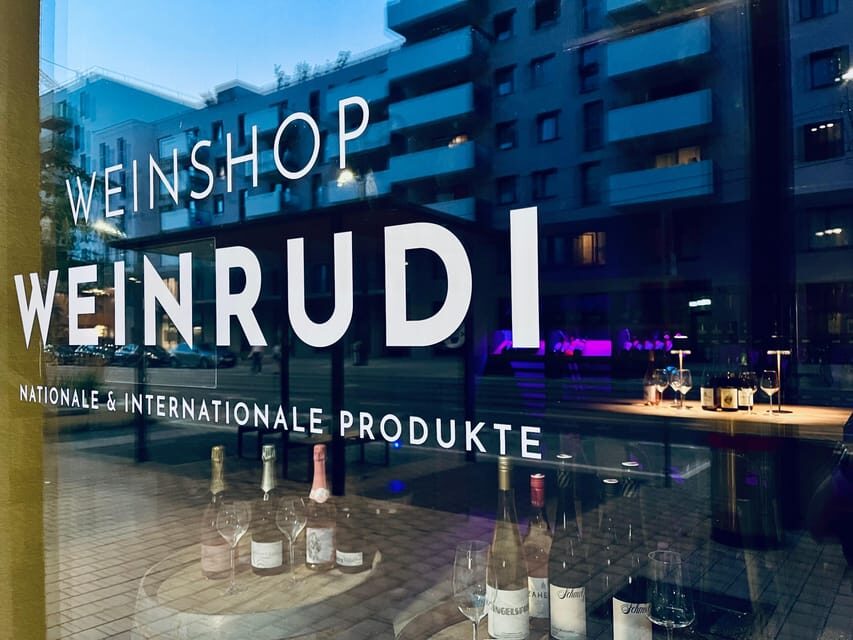
The experience runs as an approximately 2-hour presentation and tasting session. You’ll get a welcome glass of frizzante first, which is a smart opener because it gets your palate awake before the more structured still wines.
Then the guide walks you through Austrian wine in a way that doesn’t feel like a lecture. You’ll hear about flagship varieties and typical styles, along with a brief but helpful tour of major wine regions. The goal is to give you context fast—so each glass has a reason, not just a label. You’ll also get instruction in wine tasting techniques, which means you’re not only tasting for taste’s sake. You’re tasting to understand.
One practical perk: because the pours are organized, you can pace yourself. And since bread, snacks, and water are included, you’re less likely to feel overwhelmed by the volume of tasting.
The Star Wines You’ll Be Tasting (And What They Tell You)
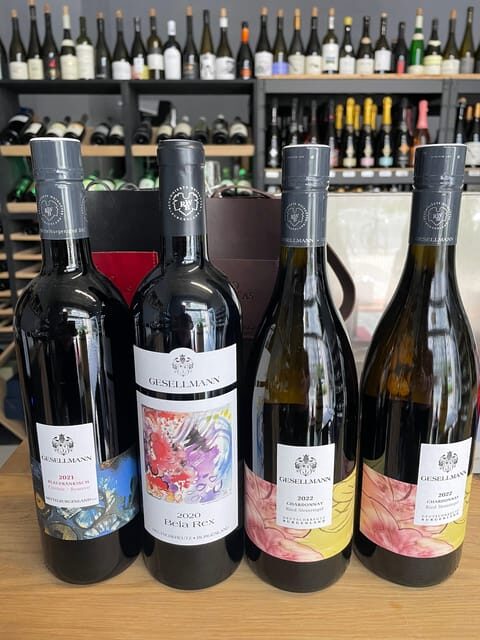
You’re tasting six quality wines from leading, award-winning winemakers, and the lineup is designed to represent Austria’s range. The session highlights a few standout styles that many people want to understand, but it also gives you structure for comparing them.
Here are the specific bottles mentioned for the tasting experience:
- Wiener Gemischter Satz DAC (Vienna): This is tied to Vienna itself, and it’s the kind of wine that helps you understand how “place” matters even within a single city. If you’ve ever assumed Austrian wine is only about the famous Grüner Veltliner, this is your corrective.
- Grüner Veltliner Ried Pichl Point (Wachau): Wachau is known for elegant whites, and this wine helps connect the dots between region and flavor—think freshness and a crisp structure that doesn’t feel heavy.
- Riesling Handwerk (Kremstal): Riesling in cooler regions is where you learn how acidity can be both sharp and graceful. This bottle adds contrast to the Grüner Veltliner and helps you practice tasting with more than one “reference point.”
Even if you don’t memorize everything, you’ll start to feel the differences. That’s the real value: once your brain has a few anchored examples (Vienna, Wachau, Kremstal), future Austrian bottles make more sense when you’re choosing a glass at dinner later.
Food, Water, and the Pacing That Makes You Want More
Wine tastings can go one of two ways: either you get overwhelmed and start rushing, or you settle in and actually taste. This experience uses included bread, snacks, and water to keep things comfortable. That matters because six tastings is plenty in a short window—especially if you’re new to comparing multiple styles.
The food pairing also helps you notice aromas and flavors more clearly. If you’ve ever tasted wine and thought, I can’t tell what I’m tasting, it’s often not the wine—it’s the lack of palate reset. Bread and snacks act like that reset.
Also, this isn’t a stiff, formal production. In the experience, you’re dealing with a real person leading the room, and that makes the flow feel natural. One review highlights that the guide was happy to slow down and adjust when there was another group coming in, and that you could keep going at your own pace. You’ll likely feel that same relaxed approach.
Who Leads the Tasting: Guidance You Can Ask Questions About
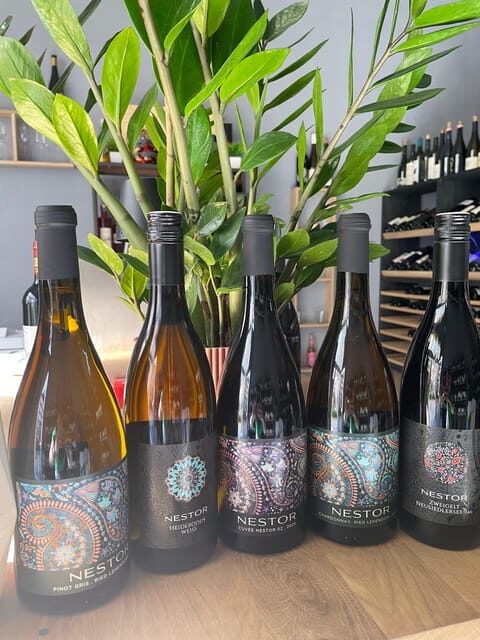
This session is led by a graduate of the Wine Academy, and that shows in how the explanations land. You’re not stuck with one-way information. The guide is set up for questions, comparisons, and real conversations.
One thing I like here is that the expertise isn’t trapped inside Austrian borders. If you mention wine you know—like Bordeaux styles—your guide can connect what you already understand to what you’re tasting in front of you. That kind of translation is what makes tasting technique click fast.
You’ll hear about wine-growing regions while you taste, and you’ll practice tasting steps rather than just reading the labels off a menu. The guide’s job is basically to turn each glass into a lesson you can reuse.
You can also read our reviews of more wine tours in Vienna

The Weinrudi Location: Pair It With a Vienna Afternoon
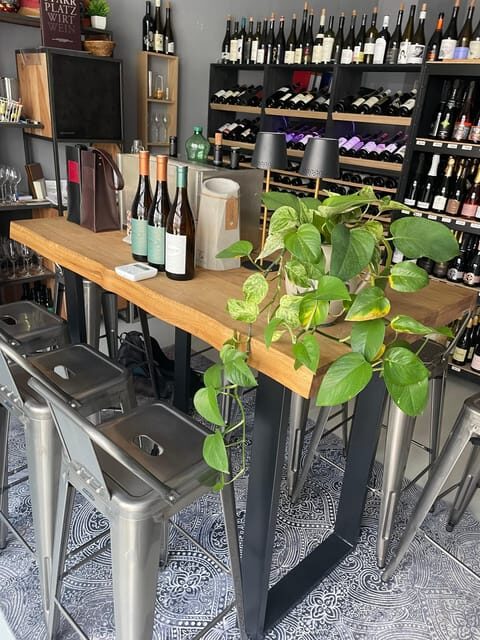
You meet directly at Weinrudi at Bruno-Marek-Allee 11 in Vienna’s second district. The practical win is timing: you can treat it as an anchor experience in your day and then head out afterward without complicated transit planning.
The second district is a handy base area. It’s close to the Prater and the Giant Ferris Wheel, so it’s easy to connect wine education with classic Vienna sights. If you’re spending time in the Prater anyway, this tasting slots in neatly as your “structured break” where you actually learn something.
And since the experience includes food and water, you won’t need to scramble for a meal right after. You can stay out longer, walk around, and keep your day moving.
How Much It Costs—and Why It Feels Fair
At $81 per person for a one-day activity, you’re paying for more than samples. You’re paying for:
- Six generous wine tastings
- A welcome glass of frizzante
- Bread, snacks, and water
- An approximately 2-hour guided presentation
- A small group (limited to 8 participants)
For Vienna, this pricing makes sense when you think of it as a class plus drinks, not just a “sip and go” tasting. If you tried to buy the same range of wines individually, you’d spend much more quickly—especially with award-winning bottles and the guided interpretation you receive.
Is it expensive compared with supermarket wine? Yes. Is it good value compared with typical guided tastings that don’t include food or that pour smaller amounts? In my view, it looks solid.
Small Group Means You Can Actually Engage
The group is limited to 8 participants, which changes the whole experience. In a small room, the guide can adjust explanations to your questions and pace. You also get a better chance to compare what you’re noticing with what others are noticing, which makes tasting feel less like guesswork.
If you’re the kind of person who likes to ask what a wine is doing—why it tastes crisp, why it feels dry, what to look for—small-group structure is a big plus.
Possible Downsides to Consider Before You Book
This is not a match for everyone.
First, it’s not suitable for children under 18, and it’s not suitable for pregnant women. Second, if you’re sick, it’s not suitable for people with a cold—so if you’re feeling run-down, postpone rather than showing up.
Then there’s the format reality: it’s a shop-based tasting with a set schedule. You should be comfortable with a guided rhythm and shared space, even though the group is small. Finally, there is at least one serious booking concern reported in the past—an abrupt cancellation without notice. You should plan to confirm details ahead of time and keep an eye on your message settings so you’re not stuck on a closed door.
Tips to Get More Out of Your Tasting
- Go in ready to compare: when you taste each bottle, focus on one thing at a time (acidity, aroma, or finish).
- Don’t worry about memorizing regions. Aim to connect each glass to a style and a place.
- Eat a bit before you arrive and be ready for the included bread and snacks to help you stay comfortable.
- If you already know French or other styles, mention it. A good guide will help you translate those comparisons into the Austrian wines in front of you.
- Wear something you can handle for a short while in a compact indoor shop—wine tasting rooms can have strong smells when windows are closed.
Should You Book Weinrudi’s Austrian Wine Tasting in Vienna?
If you want a Vienna experience that feels genuinely practical—something that gives you a skill and a clear understanding of Austrian wine—this is a strong yes. The mix of six tastings, food and water, and an expert-led presentation makes it feel like value for the time you spend.
Book it if you:
- like learning by doing, not just watching
- want a quick but meaningful tour of Austrian regions
- prefer small-group experiences where you can ask questions
Skip it (or consider alternatives) if you:
- need a totally private experience
- are sensitive to indoor smells or prefer a quieter setting
- are unwell, especially if you have a cold
- need it to be kid-friendly
FAQ
How long is the Vienna Austrian Wine Tasting experience?
It runs for about 1 day, with an approximately 2-hour wine presentation and tasting session.
Where is the meeting point?
You meet directly at the wine shop Weinrudi, located at Bruno-Marek-Allee 11 in the second district.
What’s included in the price?
The price includes a welcome drink, six glasses of wine, plus bread, snacks, and water.
Is pickup included?
No. Pickup is not included.
How many wines will I taste?
You’ll taste six wines during the session, plus you’ll receive a welcome glass of frizzante.
What wines or grape varieties are featured?
The tasting includes varieties such as Wiener Gemischter Satz DAC from Vienna, Grüner Veltliner Ried Pichl Point from the Wachau, and Riesling Handwerk from the Kremstal.
What languages does the guide speak?
The live guide is available in English and German.
What group size is this?
It’s a small group limited to 8 participants.
Is it wheelchair accessible?
Yes, the experience is wheelchair accessible.
Is it suitable for children or pregnant women?
No. It isn’t suitable for children under 18 years, and it isn’t suitable for pregnant women. It’s also not suitable for people with a cold.
What’s the cancellation and payment flexibility?
You can cancel up to 24 hours in advance for a full refund, and you can reserve now and pay later.