REVIEW · VIENNA
Vienna: 60 min. Imperial E-Carriage Sightseeing Tour with Drinks
Book on Viator →Operated by Royal e-car Tours · Bookable on Viator
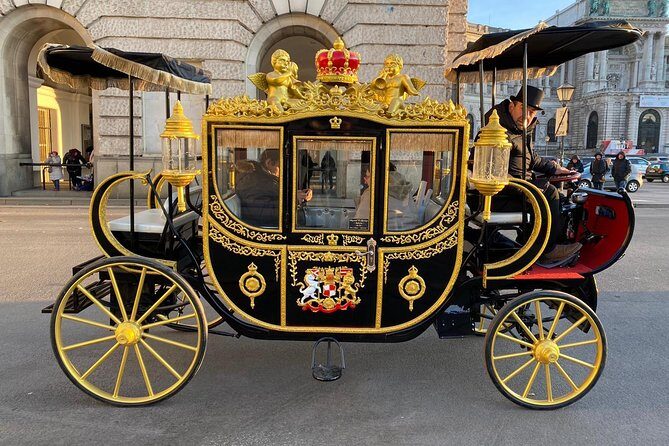
Vienna feels like a movie in an e-carriage. This private 60-minute Imperial E-Carriage Sightseeing Tour with drinks takes you past the big Ringstrasse sights with English narration and a bit of ceremony built in. I love the comfortable carriage feel and the fact that you get a toast-style start with drinks while you’re sightseeing.
One thing to consider: the audio level can vary. If you’re farther from the driver or sitting in a spot where sound carries poorly, you might struggle to catch every word of the commentary.
In This Review
- Key things that make this ride worth your time
- Imperial e-carriage comfort and the drinks factor
- Where you start at Albertinaplatz—and how to make the first minutes count
- Hofburg Palace to Maria Theresia Monument: the formal heart of Vienna
- Kunsthistorisches Museum to Parliament and Burgtheater: culture at city speed
- Rathaus, University, and Votivkirche: Vienna’s civic and academic identity
- Cafes on the route: Cafe Central, Cafe Mozart, and a taste of the Vienna mood
- Opera and Albertina: seeing the cultural spine without tickets or queues
- Spanish Riding School, National Library, and the elegant institutions you can’t miss
- Soviet Memorial to Schwarzenbergplatz: a surprising turn in tone
- Karlskirche: ending on a landmark that feels worth pausing for
- Price, value, and when paying $421.03 per group makes sense
- Getting the most from the driver when you’re on a moving e-carriage
- Who this private carriage ride is best for
- Should you book this 60-minute Imperial E-Carriage tour?
- FAQ
- How long is the Imperial E-Carriage sightseeing tour?
- Where does the tour start and end?
- How many people are in a group?
- Is the tour offered in English?
- Are drinks included?
- Is there a mobile ticket?
- Can I cancel for a full refund?
- What’s the booking lead time like?
Key things that make this ride worth your time
- A 1-hour, private loop designed to hit major Ringstrasse landmarks in one go
- Drinks in the carriage, with at least champagne and water mentioned by people who did it
- Photo magnet route: you’ll be waving while others snap pictures and videos
- Driver-led storytelling, with praise for drivers named Ali and Payton in the available feedback
- English is provided, but you’ll want a seat position where you can hear well
Imperial e-carriage comfort and the drinks factor
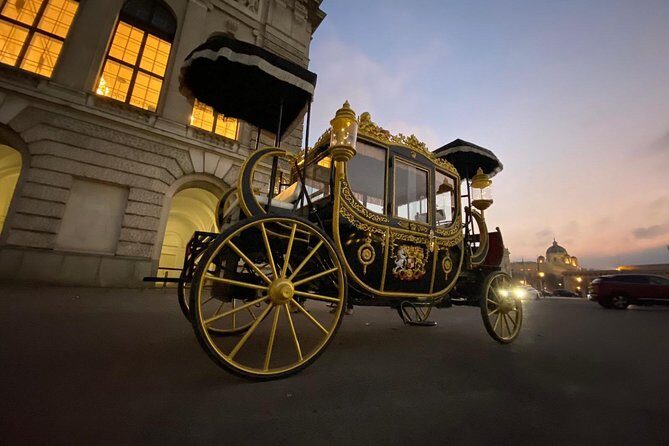
This isn’t a “bus tour where you watch Vienna go by” kind of experience. It’s a slower, more personal city loop where you’re sitting in an elegant carriage-like setup while the streets around you keep rolling. You’re out on the main sights corridor, which matters because Vienna’s top landmarks are spread across a few different zones. In one hour, you get a condensed overview without the stress of navigating traffic or stopping at every location.
The drink element adds a small but real layer of atmosphere. People reported champagne plus water waiting in the carriage, so you’re not just sightseeing—you’re doing it with a little celebration baked in. That’s especially nice if you’re coming from a long day of walking and want a calmer, seated “reset” that still feels special.
Because it’s private for your group (up to 4), the experience also has a more intimate pace. You can focus on the route and landmarks instead of tuning out other groups, and the driver can usually respond better when it’s just your party.
You can also read our reviews of more tours and experiences in Vienna.
Where you start at Albertinaplatz—and how to make the first minutes count
The ride starts and ends at Albertinaplatz 2, 1010 Wien. That location is convenient because it puts you near central sights and transit links, and it also tends to make it easier to connect the tour with coffee, museums, or a longer evening plan after.
Arriving a few minutes early helps. This is the kind of experience where the driver getting the carriage ready happens quickly, and you don’t want to be the one sprinting across the square. Once you’re seated, the first few minutes are where you set yourself up for success: find a spot where you can hear clearly, and be ready for the fact that your carriage will attract attention.
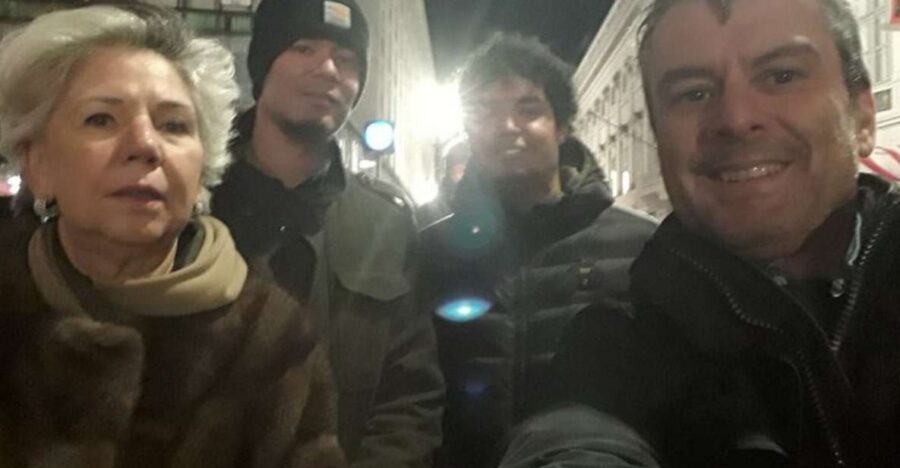
A recurring theme is how much people notice and photograph the carriage as you pass. That’s part of the fun. If you don’t like being the center of attention, you can still enjoy the ride, but expect that pedestrians will look up, point, and take pictures as you go by.
Hofburg Palace to Maria Theresia Monument: the formal heart of Vienna
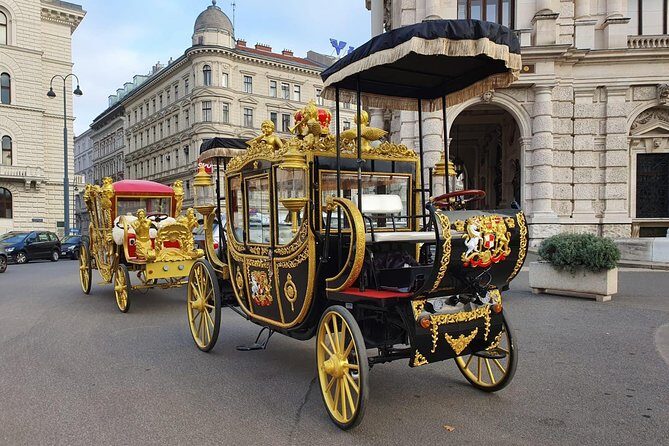
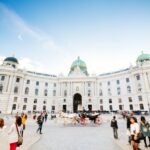
The route begins with a strong “Vienna power scene” stretch. You pass Hofburg Palace, one of the city’s most important historical centers, and it’s an easy starting point because it immediately signals what style Vienna does best: grand buildings, strong axes, and lots of stately public space.
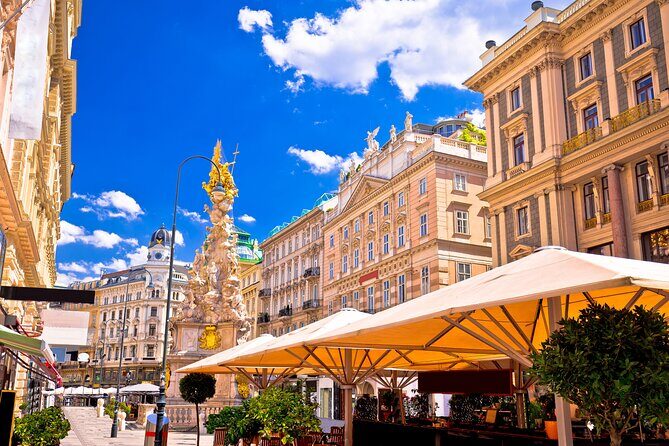
Next comes the Maria Theresia Monument. This is one of those landmark moments where your brain clicks into place. Even if you’ve never studied the building details, the scale and placement help you understand why people call Vienna imperial. It’s also close to the kind of grand squares where you’ll get a sense of ceremony—one highlight mentioned in the feedback was entering Hero’s square from the carriage.
If you like your sightseeing in a “big picture” order, this early section is a win. You’re learning how the city is designed before you move into the cultural and civic stops that follow.
Kunsthistorisches Museum to Parliament and Burgtheater: culture at city speed
After the imperial core, the tour shifts toward Vienna’s cultural and public institutions.
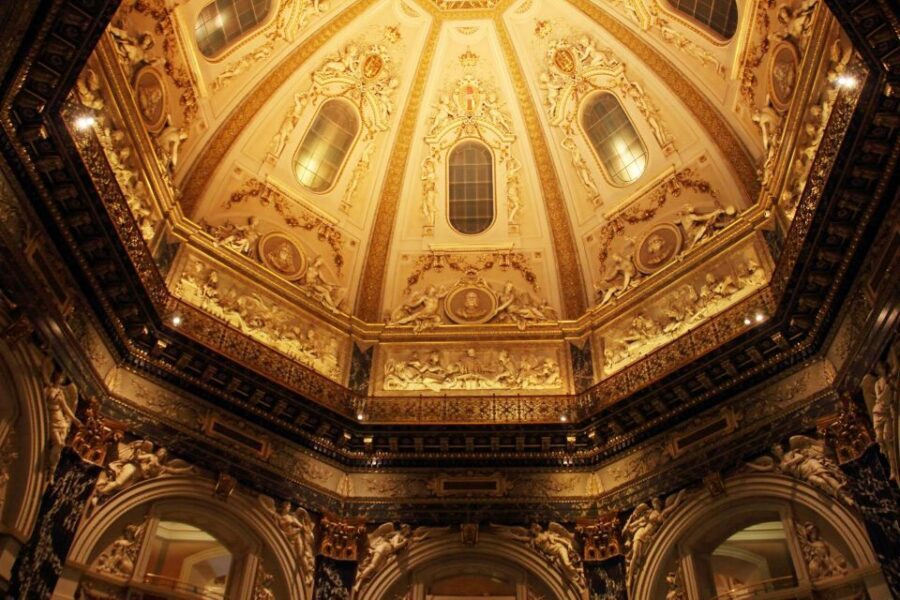
You pass the Kunsthistorisches Museum, which is the sort of building you might recognize from photos. From the carriage, you don’t need to stand in front of it for long to get the message: Vienna treats art as a major part of public life, not an afterthought.
Then comes Parlament. It’s a clear marker of how Vienna balances monarchy-era grandeur with a constitutional civic presence. You get a sense of the city’s evolution just by seeing the mix of styles along the route.
The Burgtheater is next. Even if theater isn’t your main interest, this stop helps you understand that Vienna’s big institutions often sit along the same grand corridors. It’s useful for orientation later, when you’re deciding what to visit on foot.
A potential drawback here is simple: you’re moving quickly. If you want long, stop-and-stare photo sessions at each building, this ride may feel like a “drive-by” at times. The tradeoff is that you compress a lot of famous architecture into a single hour.
Rathaus, University, and Votivkirche: Vienna’s civic and academic identity
One of the best parts of this tour is how it keeps switching Vienna’s “roles.” After cultural landmarks, you hit the city’s civic and learning institutions.
You pass the Rathaus / City Hall, a building that anchors Vienna’s official public life. It reads as formal and permanent, which is exactly what you want when you’re building your mental map of the city.
Then you’re riding past the University of Vienna and Votivkirche. These are powerful because they show Vienna’s blend of education, religion, and public space. Even from the road, it helps you understand why Vienna feels so “organized” visually—structures line up, and major buildings show up where you’d expect them to.
Also, the ride doesn’t just stick to the most famous names. Stops like AM Hof and Minoritenkirche appear on the route, which adds variety and helps you feel the city beyond only the headline monuments.

Cafes on the route: Cafe Central, Cafe Mozart, and a taste of the Vienna mood
The route includes cafe landmarks, and that’s not random. Vienna’s cafes are part of its identity, and seeing them from the carriage gives you a helpful next step: now you know what to circle back to later if you want the full sit-down experience.
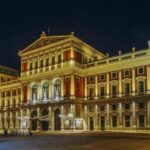
You pass Cafe Central and Cafe Mozart. If you’re planning your own itinerary after the ride, these stops are useful anchors. You can treat the carriage loop like a scouting pass: you spot where the cafe is, you note the vibe from the street, and you decide if it fits your timing and budget.
You’ll also notice the mix of tourist-famous classics and places locals associate with the city’s social life. The ride makes it easy to build that “Vienna mood” without spending an hour stuck in a waiting line before you even know if you want the inside.
Opera and Albertina: seeing the cultural spine without tickets or queues
Next comes a cluster that many people come to Vienna for: opera and major culture venues.
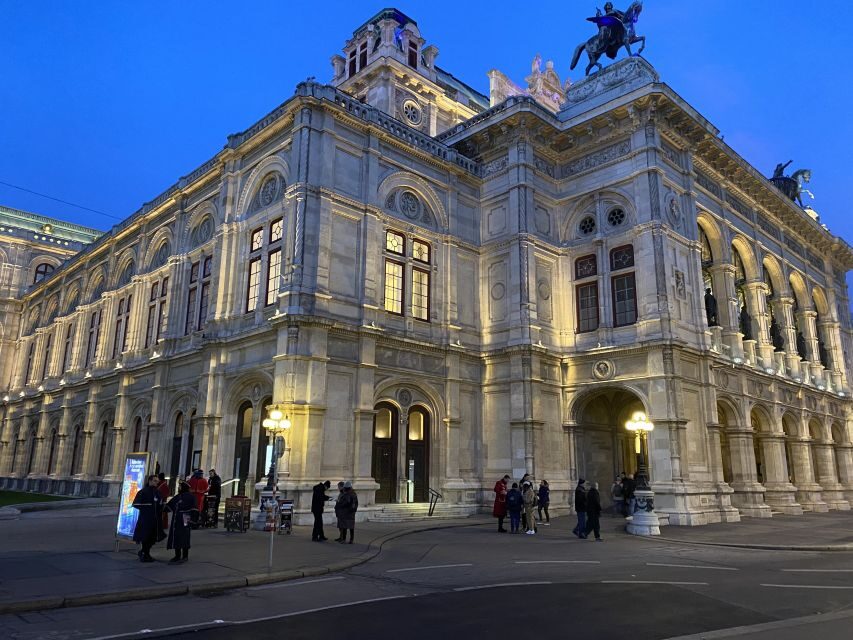
You pass Opera / Staatsoper and Albertina. Standing in front of these buildings can take time, especially if you’re trying to get photos without blocking pedestrians. From the carriage, you get the quick recognition and orientation benefit without having to weave through crowds for every shot.
This is where the 60-minute format really works. It’s not about doing everything. It’s about getting your bearings fast and seeing which places you’ll want to prioritize later. If opera is on your list, you’ll know roughly where it sits relative to everything else. If you’re more into art, the Albertina gives you that clear visual reference point.
Also, the route includes Hotel Sacher Vienna, which is one more “signature Vienna” marker. You get the sense of the landmarks that show up in postcards and menus—then you decide how much of the experience you want to convert into a real meal or dessert stop.
Spanish Riding School, National Library, and the elegant institutions you can’t miss
Vienna has a particular kind of tradition, and the tour hits it with stops like:
- Spanish Riding School
- National library
Even if you don’t plan a formal visit inside, seeing these from the route helps you understand why Vienna’s identity feels tied to ritual and learning. The Spanish Riding School stop is a visual cue that tradition is not just a museum label here—it’s a continuing part of city culture.
You also pass President residence, which adds another layer of civic formality to the loop. The mix keeps the ride from turning into only “pretty architecture.” It’s more like a guided walkthrough of what Vienna uses its most visible spaces for.
Soviet Memorial to Schwarzenbergplatz: a surprising turn in tone
Most Vienna sightseeing sticks to the imperial-and-classic story. This route adds variety with a stop at the Soviet Memorial, followed by Schwarzenbergplatz.
It’s a useful inclusion because it reminds you Vienna isn’t only about old-world glamour. It has modern-era memory too, and seeing this kind of monument along the same loop gives you a fuller sense of place without requiring you to plan a separate trip across town.
This is also a good reminder to keep your expectations realistic for a one-hour ride. You won’t get the kind of deep reading you might at a museum. But you’ll get recognition—and recognition is often the first step toward choosing what to research later.
Karlskirche: ending on a landmark that feels worth pausing for
The ride finishes with Karlskirche. It’s a strong way to close because this is the type of church that tends to make people stop talking and start looking. Even if you’re just passing, it’s visually satisfying, and it gives the last stretch a “wrap-up” feeling.
Karlskirche is a great final landmark because it’s memorable. When you step off the ride back at Albertinaplatz, you’ll likely have a clearer mental picture of where things were along the way—especially if you plan to do more walking afterward.
Price, value, and when paying $421.03 per group makes sense
The price is $421.03 per group (up to 4) for about one hour. That sounds high until you break it down by who’s in your group.
If you split it four ways, it’s roughly $105 each for an experience that includes a driver, narration in English, a private group setup, and drinks. If it’s just two of you, it’s closer to $210 each—less of a bargain, more of a treat.
So, here’s how I think about the value. This is not the cheapest way to see Vienna, but it’s a good value when you want:
- a seated break from walking
- a private, low-effort overview of major Ringstrasse landmarks
- drinks included with the ride
- the fun factor of being photographed as you move through the city
Also, it’s private. That changes the vibe. You’re not negotiating with strangers for space, and you can keep the pace focused on your group.
One more practical note: this tour is often booked well ahead—on average about 68 days in advance. If your dates are busy (weekends, holidays, Christmas season), booking early is smart because the private slots can fill.
Getting the most from the driver when you’re on a moving e-carriage
English narration is part of the experience, and the driver can make it feel lively and meaningful. Some rides were praised for being prompt and fully informative, with names like Payton mentioned for a strong, easy-to-follow highlight run. Another driver, Ali, got special praise for creating a memorable Christmas Day ride.
But there’s also a caution from the feedback: the commentary can be hard to understand if you can’t hear clearly. That’s a real thing on moving vehicles, especially with street noise and wind.
My practical advice:
- Pick the seat where you can hear best.
- Keep your attention on the driver for the first minutes so you can catch the route flow.
- If you’re sensitive to audio, don’t assume you’ll hear everything perfectly—think of it as guided highlights, not a recorded documentary.
If you’re hoping for very detailed explanations at each building, a longer walking tour might suit you better. This one is built for getting the highlights and the atmosphere fast.
Who this private carriage ride is best for
This tour fits best when you want the city highlights without turning it into a checklist.
It’s ideal for:
- couples celebrating something (champagne + “royal” feel is a common theme)
- families who want something comfortable for kids in a shorter time window
- people who want a private, photo-friendly experience without standing in line
It can also work well even if you’re traveling on a day with crowds, because the carriage movement lets you see a lot while staying seated.
If you’re traveling with kids, there’s a useful detail from the feedback: one family reported the driver was accommodating and allowed kids to join for an extra charge even though the reservation was for four. That suggests it’s worth asking if your situation is slightly outside the basic group size.
Should you book this 60-minute Imperial E-Carriage tour?
Book it if you want a private, stylish way to see Ringstrasse highlights fast, with drinks included and a real “we are part of the street scene” vibe. It’s a strong choice for first-time Vienna visitors who want orientation, or for returning visitors who still want an easy, fun highlight circuit.
Skip it or rethink it if audio clarity matters a lot to you, or if you hate being photographed while you pass. Also, if $421.03 per group feels too steep unless you’re filling all four spots, do the math first and compare it to what you’d rather spend that money on (museum tickets, a guided walking tour, or a sit-down meal).
If you’re on the fence, here’s the simple decision rule: if you’ll enjoy dressing up a bit, sitting back, and being chauffeured through Vienna’s main landmarks for an hour, this is a very fun way to spend it.
FAQ
How long is the Imperial E-Carriage sightseeing tour?
The tour is about 1 hour.
Where does the tour start and end?
It starts at Albertinaplatz 2, 1010 Wien, Austria, and ends back at the same meeting point.
How many people are in a group?
It’s a private tour/activity, limited to your group, up to 4 people.
Is the tour offered in English?
Yes, it’s offered in English.
Are drinks included?
Yes. The experience includes drinks during the ride.
Is there a mobile ticket?
Yes, it uses a mobile ticket.
Can I cancel for a full refund?
Yes. Free cancellation is available up to 24 hours in advance for a full refund.
What’s the booking lead time like?
On average, this experience is booked about 68 days in advance.