REVIEW · VIENNA
Small Group Tour; Europe &The Balkans – Vienna to Dubrovnik/Split
Book on Viator →Operated by Choose Balkans · Bookable on Viator
That first bend in the road changes everything. This small-group route strings together major cities and lesser-known corners, with a standout Albania add-on built around Lake Koman and Shala River.
I like that it stays organized without feeling scripted: hotel pickup in Vienna, a professional tour leader, and a vehicle that handles the harder driving so you can focus on the stops. I also really enjoy the mix of big “must-see” sights (Budapest, Sarajevo, Mostar) with time to wander and breathe between the main viewpoints.
One thing to consider: the trip asks for a moderate fitness level. In Sarajevo you’ll walk uneven terrain, and the Albania part can include active hiking up from the boat landing to viewpoint areas.
In This Review
- Key things you’ll notice right away
- Vienna warm-up: Lake Neusiedl views and the easy stroll in Rust
- Bratislava by foot: medieval gates, the castle hill, and café time
- Győr and Budapest: towers, bridges, and a night you can control
- Northern Serbia: Subotica’s Austro-Hungarian blend and Novi Sad’s fortress promise
- Wine town calm in Sremski Karlovci, then Belgrade fortress power
- Drina River to Sarajevo and Mostar: history you can see on stone
- Albania Alps side trip: Koman Lake, Shala River, and a night in a local B&B
- Small group size, real comfort, and why your guide matters
- Price and value: what $3,450.94 covers (and what you’ll plan for yourself)
- Who should book this route, and who should consider a different style
- Should you book this tour?
- FAQ
- What is the group size for this tour?
- Where does the tour start and what time does it start?
- What are the end options at the end of the tour?
- What’s included in the price?
- Are meals included?
- How fit do I need to be?
- Is kayaking included, and what about equipment?
- What happens if weather is bad?
- Is tipping required?
Key things you’ll notice right away
- A maximum group size of 10 means you’re not lost in a crowd.
- Pickup and drop-off: Vienna start, then shuttle to Dubrovnik or Split at the end.
- Boat + kayaking in Albania: remote areas you mostly reach by water.
- Comfortable vehicle over difficult roads keeps the travel more tolerable.
- Guided walking where it counts: castles, fortresses, old towns, and bridge areas.
Vienna warm-up: Lake Neusiedl views and the easy stroll in Rust
Day 1 is a smooth on-ramp. You don’t have to figure out buses or train changes. Your tour leader picks you up at your Vienna hotel, and the first stretch heads toward Lake Neusiedl in the Burgenland region, part of an UNESCO-listed area.
From the road, you’ll get those long, open lake views through rolling country—great for photos without needing a big plan. Then you reach Rust, a town known for its preserved historic center and that classic Austrian look: colorful facades with flower boxes and wine-town charm.
I like how Rust isn’t only a quick photo stop. You get real time to walk through the old streets, browse small shops, and even look toward vineyards for a meal and wine tasting on your own. That small freedom matters because everyone travels differently—some want a relaxed coffee, others want a quick glass and a walk.
If there’s a drawback, it’s that the day moves along. It’s not rushed, but it’s built to cover ground, so if you want a slow first day, you’ll need to lean into the downtime you get once you arrive.
You can also read our reviews of more tours and experiences in Vienna.
Bratislava by foot: medieval gates, the castle hill, and café time
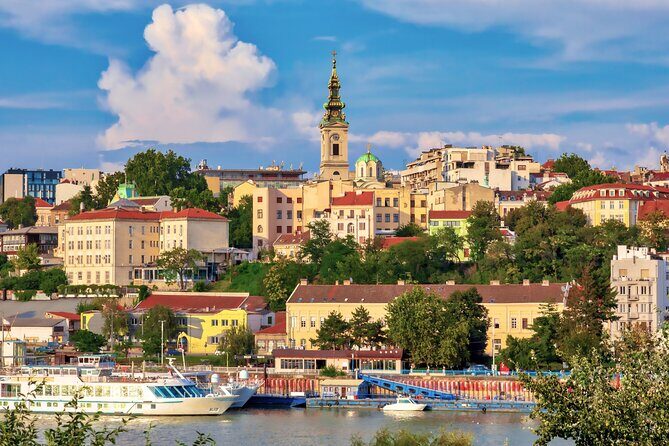
Bratislava shows up right after Rust, so you get a taste of Slovakia before you really slow down. You’ll pass by the capital briefly on Day 1, then return for a guided day on Day 2.
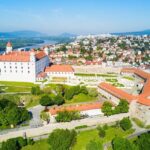
The center of the tour focuses on the Old Town area: medieval landmarks, churches and institutions, and the Danube-side atmosphere that makes the city feel calmer than some bigger European capitals. You’ll also visit Michael’s Gate, the only preserved gate from medieval fortifications.
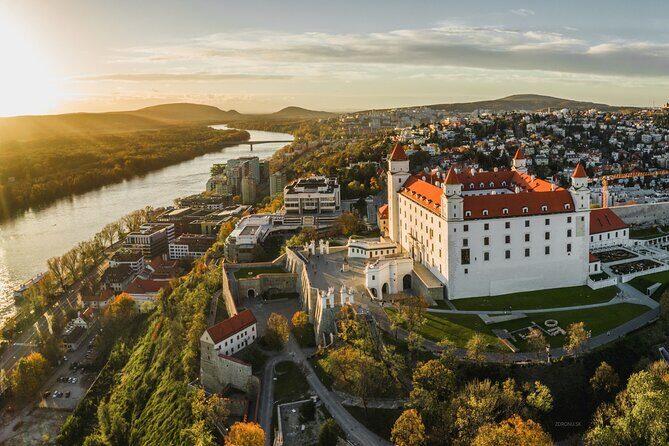
Then comes the big viewpoint payoff: Bratislava Castle. You’ll walk up after the Old Town exploring, and the view from the hill is the kind that makes you stop talking. It’s one of those moments that turns a list of stops into a memory.
After the castle, you return toward the city center and get an hour of free time for Bratislava-style café culture. This is a simple thing, but it works: instead of stacking one landmark after another, you get a chance to slow down, recharge, and try a local coffee shop.
One practical note: the castle walk is on a hill. Comfortable shoes are smart.
Győr and Budapest: towers, bridges, and a night you can control
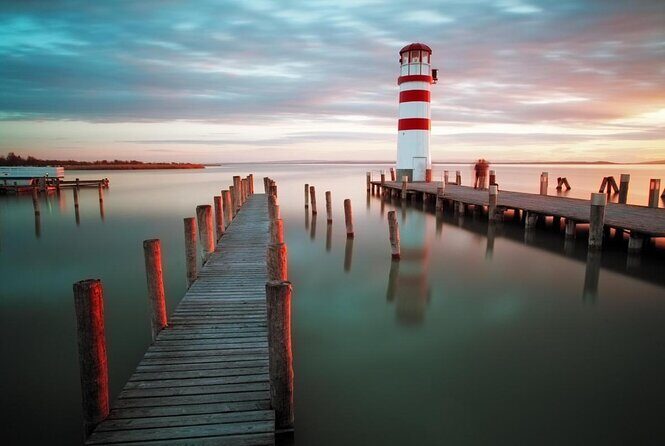
Day 3 starts in Hungary with Győr, often described as the city of rivers, and it’s easy to see why once you’re there. The center is surrounded by historic buildings and baroque architecture, and the walking feels compact and doable.
You’ll visit the Town Hall area, including a 59-meter tower with a green top, plus a look at major churches (including the Roman-style Cathedral of the Virgin Mary). You also stop near the Győr Synagogue, notable for the dome shape that influenced other synagogues across Central Europe.
Then there’s time on Baross Gábor Way, a pedestrian street lined with cafés and shops. I like this stop because it’s not about memorizing facts—it’s about experiencing the city’s everyday rhythm.
Day 4 is Budapest, the famous one, and the itinerary covers the big icons without turning it into a frantic checklist. You’ll pass St. Stephen’s Basilica, then roll through areas around the Opera, Parliament area, Heroes’ Square, and Fisherman’s Bastion for the famous city views.
You’ll also go to Buda Castle, which is included. That UNESCO setting gives the architecture context, and the surrounding viewpoints help you understand why Budapest has so many postcard angles.
The best part for me is that there’s free evening time. Budapest at night can be handled however you like: a slow dinner walk, photos by the Danube, or simply sitting somewhere warm with a view.
Northern Serbia: Subotica’s Austro-Hungarian blend and Novi Sad’s fortress promise
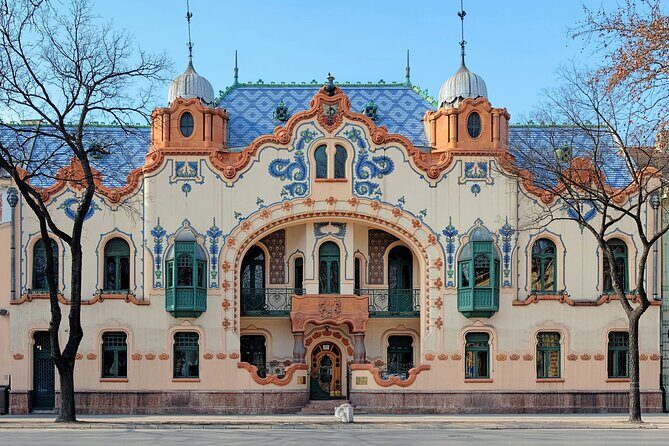
Day 5 heads into Serbia with Subotica. This is one of the most interesting “off the main track” stops on the route: it’s known for multicultural influences from the Austro-Hungarian era, which shows up in the architecture and the feel of the streets.
You’ll walk in the center where the City Hall is the star, not a cathedral. That’s a great change of pace. Subotica’s vibe comes through in small choices: a relaxed atmosphere, good local food options, and time to wander after the guided portion.
There’s also a synagogue stop, plus the cathedral visit timing is laid out as part of the same city block. Some entry costs may apply for specific religious sites, so if you’re trying to plan tightly, factor in that not every ticket is included.
Day 6 brings Novi Sad, described as the cultural capital of northern Serbia. The tour focuses on the walking areas around the old town, and the big named stop is Petrovaradin Fortress, sometimes called the Gibraltar on the Danube. Even if you’re not a fortress person, the views and the sheer setting make the walk worth it.
You’ll also have free time to explore Novi Sad on your own after the guide’s route. That’s a good setup for you to find a quiet corner, not just follow footsteps.
Wine town calm in Sremski Karlovci, then Belgrade fortress power
On Day 7 you head to Sremski Karlovci, a town tied to Serbian wine culture and the feel of an 18th-century “museum town.” The tour is built around walking and story-telling about wine production and the city’s reputation for refined cellars.
I especially like this stop because it gives you a slower pace after more urban walking. You also get time to taste wine specialties with vineyard views, which is a nice bonus if you enjoy that local tradition.
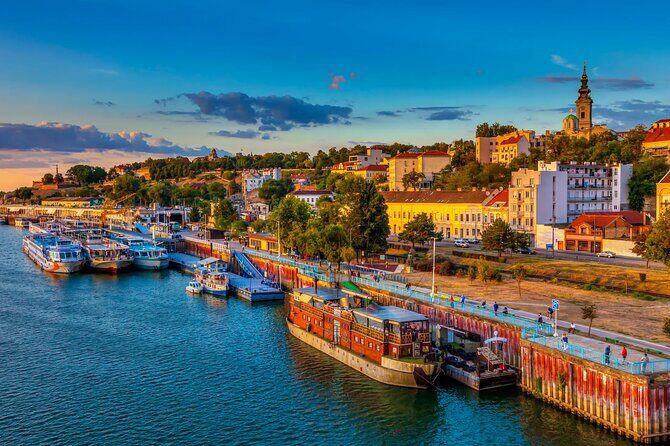
Later on Day 8, the route shifts to Belgrade. The program centers on Belgrade Fortress and Kalemegdan Park. The confluence of the Sava and Danube gives you a dramatic sense of where the city sits, and the fortress viewpoint is the kind that instantly tells you Belgrade’s scale.
You’ll visit key points like the Pobednik monument and then walk through Knez Mihailova toward Republic Square. This is a practical way to see Belgrade as both a green park city and a place with a strong street-life pulse.



Drina River to Sarajevo and Mostar: history you can see on stone
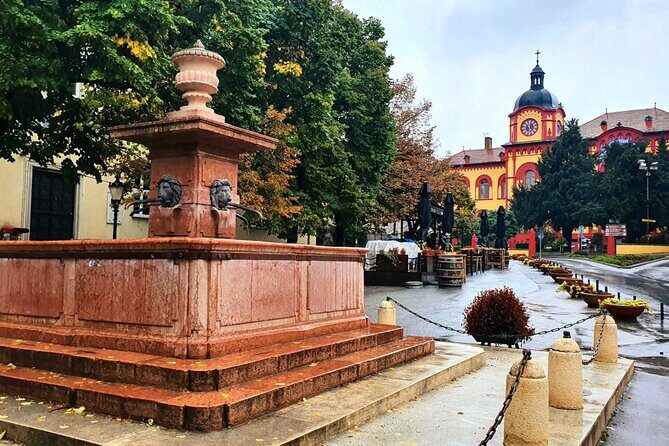
Day 8 continues beyond Serbia into Bosnia and Herzegovina with Zvornik, along the Drina River. This is less about landmark monuments and more about atmosphere: a chance to reset with a lunch stop, then walk the streets and take in the river setting.
Day 9 is Sarajevo, and the walking is described as on uneven terrain. The tour includes ruins and reminders from the Yugoslav War, visible through bullet holes and cannon marks. This is not a “pretty photos only” day, and it’s good to know that going in. You’ll also cover the stories connecting Ottoman and Austro-Hungarian influences in Sarajevo’s layout, markets, bazaars, and religious sites.
You’ll visit the Latin Bridge, tied to the WWI story. The stop explains why the bridge got its name and how it connected areas of the city.
Then you continue to Mostar for the iconic Old Bridge (Stari Most), a UNESCO site built in a typical Islamic architectural style in the 16th century. It’s a classic “I get why people come here” moment, especially once you’re close and can see the bridge’s role in the old town structure.
The itinerary also includes wandering the Old Bazaar area. This is where you’ll feel the city’s mix of old and new—cobbled lanes, shops, mosques, and those stone markers reminding you not to forget the city’s history.
If you’re sensitive to emotional historical reminders, go gently. This day can be heavy, but it’s also one of the most meaningful on the whole route.
Albania Alps side trip: Koman Lake, Shala River, and a night in a local B&B
Now for the part that many people remember most: a 2-day trip to the Albanian Alps north of Tirana, centered on Lake Koman and Shala River.
It starts with travel from Tirana with your small group, then the big change happens at Lake Koman: you cross by boat and admire the scenery from the water. This is one of those experiences where the mode of travel becomes part of the story. Instead of long hours looking at roads, you get time looking at cliffs, river bends, and water that feels like it goes on forever.
You then visit the Shala River area and go kayaking with provided equipment. This is the kind of active stop that turns sightseeing into doing. If you’re not an experienced paddler, don’t panic—the trip includes equipment, and the value here is more about the adventure and the setting than proving skills.
Overnight is in a local bed and breakfast, which is exactly the kind of switch that helps you understand the region at ground level. One past highlight includes heading to a remote village area (Merturi i Gurit) where you may walk uphill for a couple of hours with big views. That’s not listed as a guaranteed hike for everyone, but it shows the trip’s spirit: get off the main road, then earn the view.
Practical heads-up: this experience requires good weather. If conditions are bad, the tour may be canceled and you’ll be offered a different date or a full refund. For planning, it’s wise to keep your travel dates flexible if you can.
Small group size, real comfort, and why your guide matters
A tour can list a lot of sights and still feel tiring. Here, the small group size—maximum 10 travelers—changes the tone. You get enough attention to ask questions during walking stops, but it’s still social enough to feel like a shared journey.
The itinerary also mentions a comfortable vehicle built for difficult roads. That matters on Balkan routes, where the drive can be part of the day’s story. Instead of bouncing through every road with your own navigation, you can sit back and focus on what’s outside your window.
Your professional tour leader is also a big piece of value. One guest specifically praised a guide named Ani for being company and full of knowledge. Even if you don’t get the same person, the consistent point is the same: you’re not just shuttled; you’re explained to.
And yes, some days involve walking and uneven ground—Sarajevo in particular. The guidance is that you should have a moderate physical fitness level, so plan around that. If you can handle city stairs, short hikes, and a couple longer walks, you’ll be fine.
Price and value: what $3,450.94 covers (and what you’ll plan for yourself)
At $3,450.94 per person, you’re paying for a bundled mix of transport, guiding, and included logistics. The included items matter:
- 3-star accommodation with breakfast for the nights on the itinerary
- Professional tour leader
- Hotel pickup in Vienna and drop-off in Dubrovnik or Split
- Entry tickets for the sites visited
- Tourist and road taxes, plus international car insurance and petrol
- 9 breakfasts listed under breakfast included
That’s the part that turns money into time saved. You’re not booking nine hotel breakfasts, coordinating transfers, and paying for every single ticket separately.
What isn’t included is where you’ll feel the cost more personally: lunches, dinners, drinks, and snacks. That means you should budget daily meals on top of the package price, and you’ll want a bit of flexibility because meal time often depends on walking duration and how sites work that day.
Also note: the Albania part is weather dependent, and kayaking days require practical clothing choices. The tour provides equipment for kayaking, but you’re still the one bringing what you wear and what you pack.
Who should book this route, and who should consider a different style
This tour is a strong fit if you want:
- A guided route with built-in structure across Austria, Hungary, Serbia, Bosnia, and Croatia (plus the Albania side trip component)
- A mix of major sights and quieter towns like Rust, Subotica, and Zvornik
- To travel as a small group rather than a big bus experience
- Some active time, especially the kayaking on Shala River and potential walking in remote areas
It might be less ideal if:
- You want a totally relaxed pace with minimal walking
- You dislike history tied to visible war reminders (Sarajevo’s tour includes those specific reminders)
- You need flawless weather certainty; the Albania component requires it
Should you book this tour?
I’d book it if your idea of a great trip includes both iconic stops and the moments where a place feels slightly off the guidebook path. The value is in the organization: pickup and drop-off, a comfortable vehicle for long days, and guidance that keeps you from feeling lost in big cities.
If you do book, go in with realistic expectations: pack good walking shoes, plan for uneven terrain on at least one day, and keep a little buffer in your meal budget. And if the Albania weather cooperates, the Lake Koman boat ride and Shala River kayaking are exactly the kind of experience that changes how the whole trip feels.
FAQ
What is the group size for this tour?
The tour has a maximum of 10 travelers.
Where does the tour start and what time does it start?
It starts in Vienna, Austria, with a start time of 11:00 am.
What are the end options at the end of the tour?
The tour ends in a different location, with hotel drop-off in either Dubrovnik or Split.
What’s included in the price?
Included items include 3-star accommodation with breakfast for the overnight stays, a professional tour leader, Vienna hotel pickup, Dubrovnik or Split hotel drop-off, entry tickets for visited sites, tourist and road taxes, and vehicle-related costs like international insurance and petrol.
Are meals included?
Lunches, dinner, drinks, and snacks are not included.
How fit do I need to be?
The tour requires a moderate physical fitness level.
Is kayaking included, and what about equipment?
The experience includes kayaking on Shala River, and the kayaking equipment is provided.
What happens if weather is bad?
This experience requires good weather. If it’s canceled due to poor weather, you’ll be offered a different date or a full refund. It’s also noted that there is a minimum number of travelers, and if that isn’t met you may be offered a different date/experience or a full refund.
Is tipping required?
Tips are not a must in the Balkans, but it’s recommended as an international practice to tip the tour leader/driver for good service.