REVIEW · VIENNA
Schönbrunn Palace & Gardens Tour
Book on GetYourGuide →Operated by insightcities.com · Bookable on GetYourGuide
Schönbrunn feels like Vienna in costume. I like how a historian-led route turns the formal gardens and the Porcelain Room into a clear story, not a blur of rooms. You get the scale, the craft, and the politics behind it all in one efficient 150-minute visit.
One thing to watch: it covers a lot in a short time, so you’ll need to accept a faster pace if you like to linger. Also, the palace and park entrance fee is not included, though your guide helps you sort tickets.
In This Review
- Key highlights worth your attention
- A Two-and-a-Half Hour Palace and Garden Plan
- Formal Gardens First: Interlaced Nature and Architecture
- Gloriette Views and Maria Theresa’s Power on Display
- Inside the High Baroque Palace: Maria Theresa and the Porcelain Room
- Rococo Drama in the Millions Room
- Sisi’s Spiral Staircase and the Franz Joseph Apartments
- Jewish Quarter Stories in the Schönbrunn Area
- Price and Value of the 150-Minute Guided Experience
- Should you book the Schönbrunn Palace & Gardens Tour?
- FAQ
- Where do I meet the guide?
- How long is the tour?
- Is the palace and park entrance fee included?
- What language is the tour in?
- Can I get a pickup?
- Do I skip the ticket line?
Key highlights worth your attention
- Historian-guides with real credentials: professors, doctoral students, journalists, art critics, and published authors (in English).
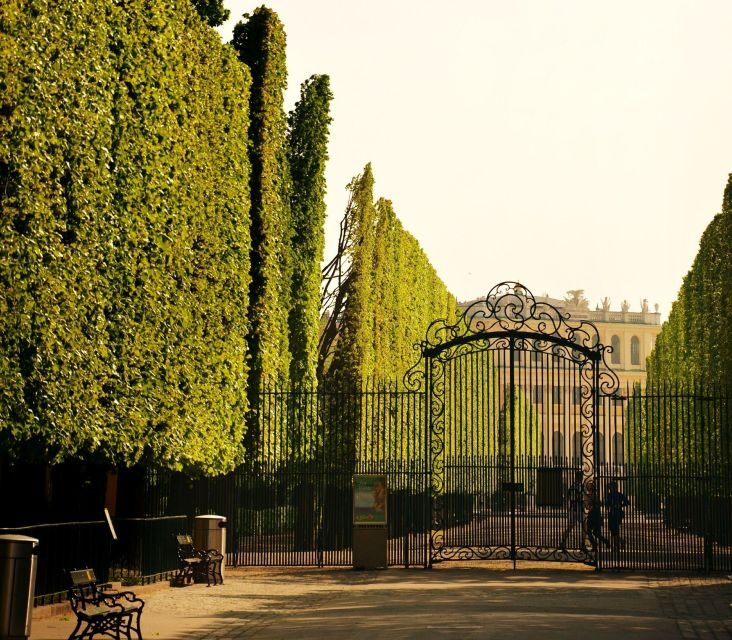
- Start outside with the right garden mindset: Baroque design principles show up in how you walk the grounds.
- Maria Theresa’s office space in the Porcelain Room: you’re not just looking at decoration; you’re seeing how power worked.
- The Millions Room’s price-based legend: Indo-Persian miniatures in Rococo framing plus carved rosewood hangings.
- Sisi’s escape design: the apartments connect her dislike of court ritual with a practical spiral staircase route.
- Jewish Quarter stories: learn ghetto-era context as your guide ties it back to the city.
A Two-and-a-Half Hour Palace and Garden Plan
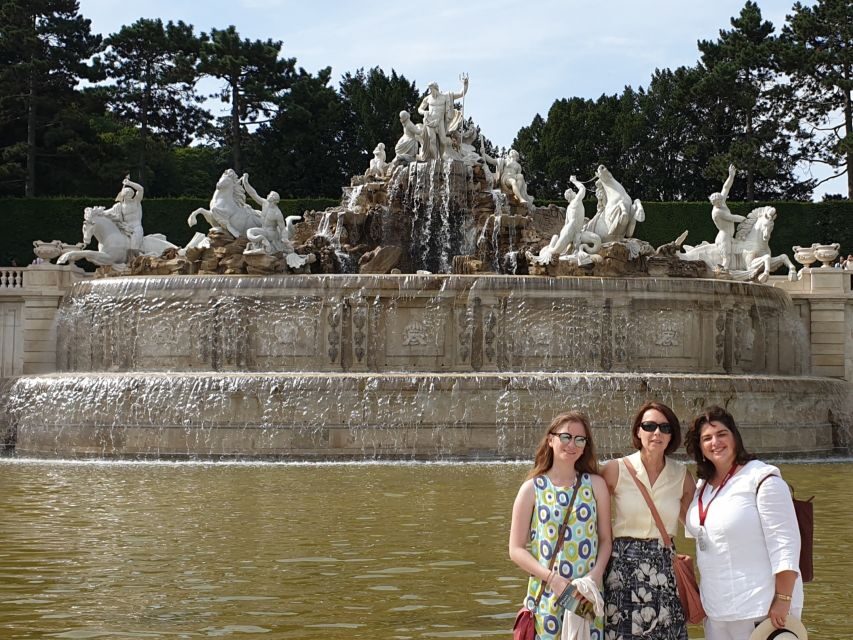
This is a smart-length tour if you want the big sights without spending your whole day in line. You’re in the gardens for about 30 minutes, then you get a guided palace tour for about 2 hours, with the tour finishing at the Group Center Schönbrunn across from the palace main entrance.
The pacing matters. You’ll move through impressive spaces quickly enough to keep momentum, but not so fast that you can’t stop for a moment of sense-making. Guides tend to keep the group flowing through crowds and still find spots to talk through what you’re seeing.
This also helps you avoid a common Vienna problem: you get to the palace, you’re overwhelmed, and you leave knowing what it looks like but not why it matters. Here, the guide connects the design and rooms to the Habsburg family and the forces shaping their court life.
You can also read our reviews of more tours and experiences in Vienna.
Formal Gardens First: Interlaced Nature and Architecture
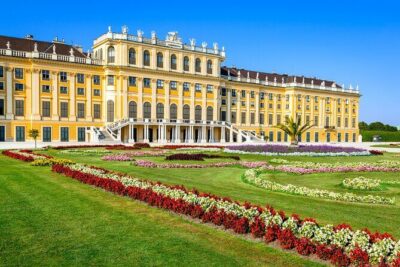
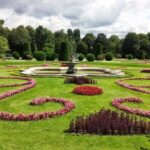
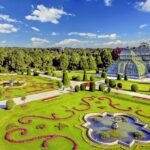
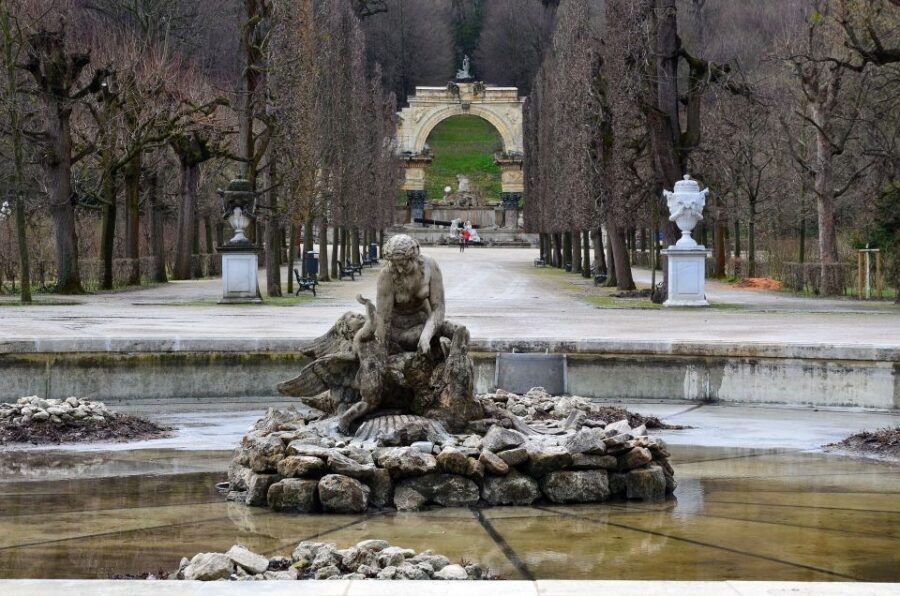
Starting in the gardens sets the tone. Schönbrunn’s outdoor layout is built on a Baroque idea: nature isn’t just scenery. It’s shaped, ordered, and positioned to frame the palace as the center of power.
As you walk, you’re basically learning how the Habsburg court wanted people to feel when they approached. There’s a reason the palace was designed to rival Versailles. This place wasn’t meant to be quiet. It was meant to impress, instruct, and signal control over both land and people.
Even if you’re not a formal-garden person, you’ll likely enjoy the way the guide points out the relationship between architecture lines and garden geometry. It makes what could be a pretty park feel like a planned stage set.
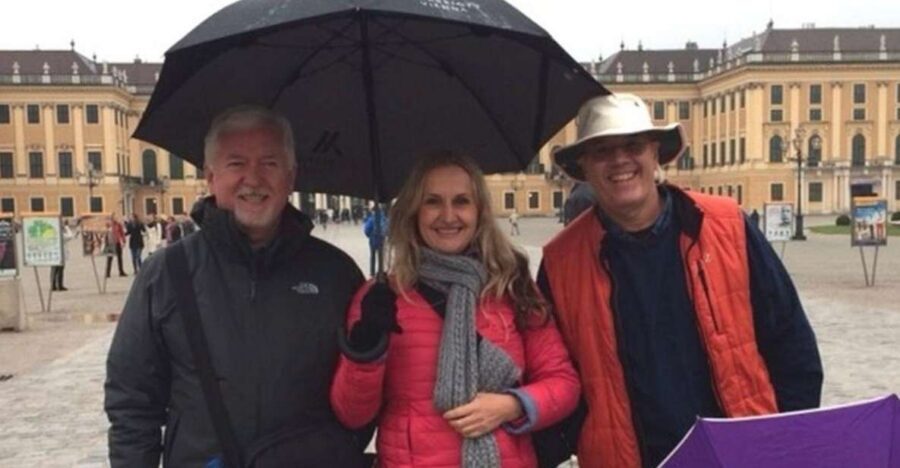
If the weather is bad, you’ll still get your garden time, but the tone will shift. So bring a rain layer if the forecast looks uncertain. And wear shoes you trust; you’ll be walking enough to make comfort matter.
Gloriette Views and Maria Theresa’s Power on Display
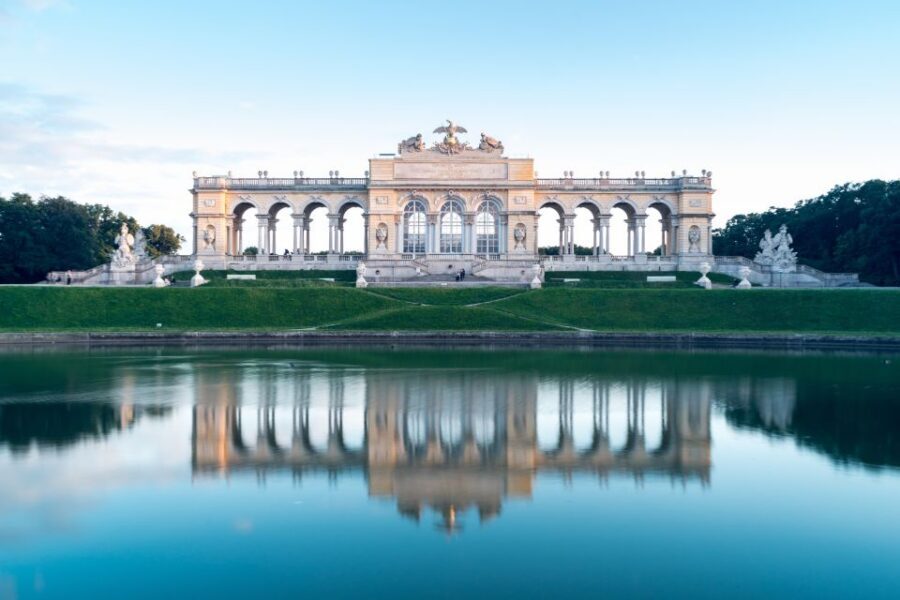
One of the most important moments in the garden experience is the approach toward the Gloriette—a huge triumphal arch on a hilltop. The payoff is the panoramic view over Vienna’s woods, and it’s not just a photo break.
Your guide connects those views to the story of Empress Maria Theresa and the political climate of her reign. The narrative includes how military victories helped shape her era into a high point of Habsburg dominance, both politically and culturally.
There’s also a practical twist to her story that makes the gardens more interesting than a royal outing. The park was opened to the general public in 1779. That’s a clever detail: it shows Maria Theresa playing both sides—court grandeur for the elites, plus a populist gesture for regular people.
And then there’s the human scale. The palace wasn’t only a museum of power. It functioned as the summer residence for a reigning family with 16 children. When you understand that, the grand spaces start to feel less like pure theater and more like a real (and very crowded) household at the center of European affairs.
Inside the High Baroque Palace: Maria Theresa and the Porcelain Room
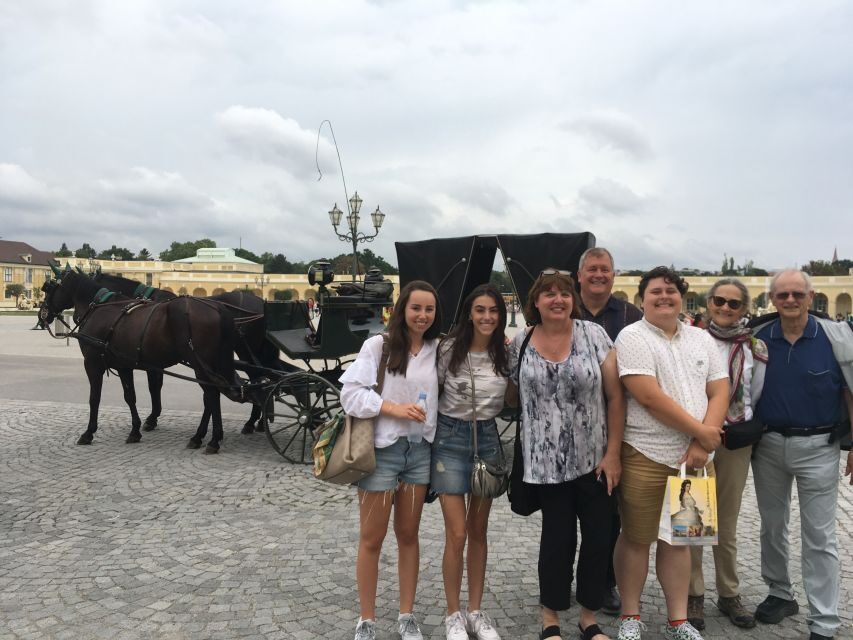
The guided palace portion is where you really feel the value of a good guide. Schönbrunn’s interior work can look like wall-to-wall luxury at first glance. A historian helps you read it like a system—who used what space, and why it mattered.
The Porcelain Room is a standout. It was the office of Maria Theresa, which changes how you look at it. Instead of treating it like decoration, you’re imagining an actual workspace—decisions, correspondence, and the daily machinery of rule—made in a room famous for its surface beauty.
If you care about the relationship between art and authority, this is a terrific stop. You see that court style wasn’t just about taste. It was a visual argument: elegance as legitimacy.
This is also the kind of room where you’ll appreciate a guide who explains the context in plain language. The tour description notes that guides often come from academic and publishing backgrounds, and that shows in how they turn facts into something you can picture.
Rococo Drama in the Millions Room
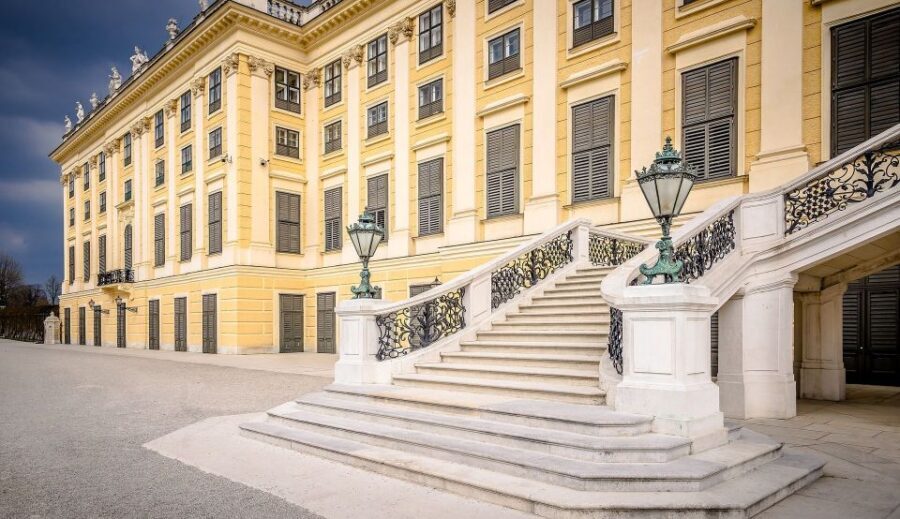
Then comes a room you’ll remember because of its reputation: the Millions Room. The name is tied to its price, and the room supports that myth with the kind of detail that makes you pause.
Here’s what makes it special: it features antique Indo-Persian miniatures set into Rococo frames, plus wall hangings of carved rosewood from the Antilles. That mix is what gives the Millions Room its specific personality—an intentional blend of decorative traditions rather than a single-style copy.
The room works on two levels. Visually, it’s a feast for the eyes. Story-wise, it’s a reminder that European courts were plugged into wider trade networks and global tastes. Even if you don’t know the technical terms, the guide’s explanations help you see why the designers went this far.
This is also a good place for questions. If your guide is comfortable, ask what the room was meant to signal socially, or how Rococo style functioned in a Habsburg setting. The tour format is set up for back-and-forth conversation, not just a one-way lecture.



Sisi’s Spiral Staircase and the Franz Joseph Apartments
Schönbrunn becomes even more human when you move through the apartments linked to Franz Joseph and Elisabeth (Sisi). The story is about a couple shaped—and sometimes torn—by the burdens of state.
In 1854, Emperor Franz Joseph married the Bavarian princess better known by the nickname Sisi, and she reportedly disliked court ritual and the ornate environment of the summer palace. Your route connects that emotional reality to a very physical design feature: she commissioned a spiral staircase that led from her official rooms to a private entry.
So the palace isn’t just a fancy backdrop here. It becomes a map of escape routes—literal and symbolic. When you walk through the apartments, the narrative helps you understand how architecture can act like privacy infrastructure in a life that offers very little of it.
This section is often the moment where many people stop treating the palace as a single era style box. Instead, you feel the change over time: family life, political pressure, and personal preferences evolving inside the same walls.
Jewish Quarter Stories in the Schönbrunn Area
One of the most meaningful inclusions is the Jewish Quarter component, where your guide shares stories connected to the time of the Jewish ghetto.
This isn’t just an add-on for variety. It places the palace story in the wider city story, and it helps you understand that Vienna’s grandeur existed alongside deep exclusion and hardship for communities within it.
Because the details in the tour format are guide-led rather than scripted museum labels, you should treat this portion as a learning moment. If the topic is new to you, ask your guide for context about what you’re hearing and how it connects to the city’s layout and policies.
If your goal is to visit Schönbrunn and understand Vienna beyond the royal surface, this is where the tour earns its spot.
Price and Value of the 150-Minute Guided Experience
The tour price is $176 per person for about 150 minutes, and the palace and park entrance fee is not included in that number. That sounds like a drawback on paper, but it’s also common for guided experiences at major attractions—what you’re really paying for is the guided interpretation and the time saved.
Here’s how I’d evaluate the value:
- You’re getting structured time (gardens + palace) rather than wandering.
- You get a guide who’s trained to explain, not just recite.
- You skip the ticket line, and the guide helps you purchase tickets, so you spend less of your limited time on logistics.
For a 150-minute outing, the cost can feel high if you only care about seeing rooms quickly. But if you want a guided thread that connects gardens, rooms, and palace politics—especially for highlights like the Porcelain Room and the Millions Room—it starts to look like efficient value.
Also, the tour offers private or small groups. That typically helps with the pace and gives you more room to ask questions, which makes a guided palace visit feel more personal instead of like a conveyor belt.
Should you book the Schönbrunn Palace & Gardens Tour?
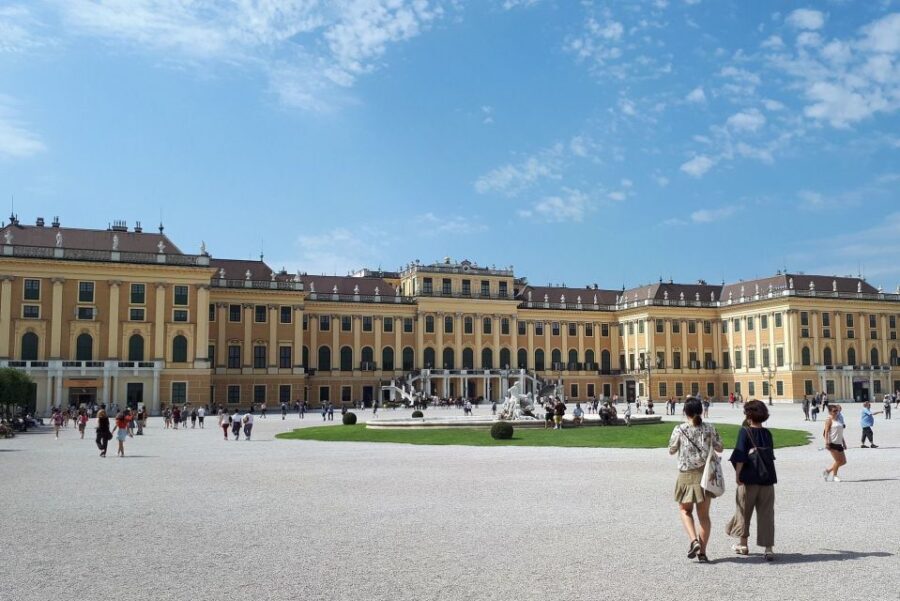
If you want the palace experience to make sense, I’d book it. This tour is built around explanation: why the gardens were designed the way they were, how Maria Theresa used the Porcelain Room, why the Millions Room is famous for its cross-cultural materials, and how Sisi’s apartments reflect her fight with court life.
I’d skip it only if you already know the backstory and plan to self-guide slowly through the grounds on your own timeline. At 150 minutes, it’s not designed for a leisurely wander through every corner. It’s designed to keep you moving with purpose.
Best match: first-timers who want core Schönbrunn highlights plus city context, and anyone who likes asking questions rather than passively walking.
FAQ
Where do I meet the guide?
Meet your guide at the Schönbrunn Arrival Centre at Schönbrunner Schloßstrasse 50. The guide waits in front of the Group Centre Building right across the street from the palace’s main entrance.
How long is the tour?
The duration is 150 minutes.
Is the palace and park entrance fee included?
No. Schönbrunn Palace and Park entrance fee is not included, but your guide will help you purchase your tickets.
What language is the tour in?
The live tour guide is in English.
Can I get a pickup?
Pickup is optional. For private tours, you can get a personal pickup from your central hotel, holiday flat, or another meeting point, then follow the guide to the palace using Vienna’s metro.
Do I skip the ticket line?
Yes, the tour includes skipping the ticket line.