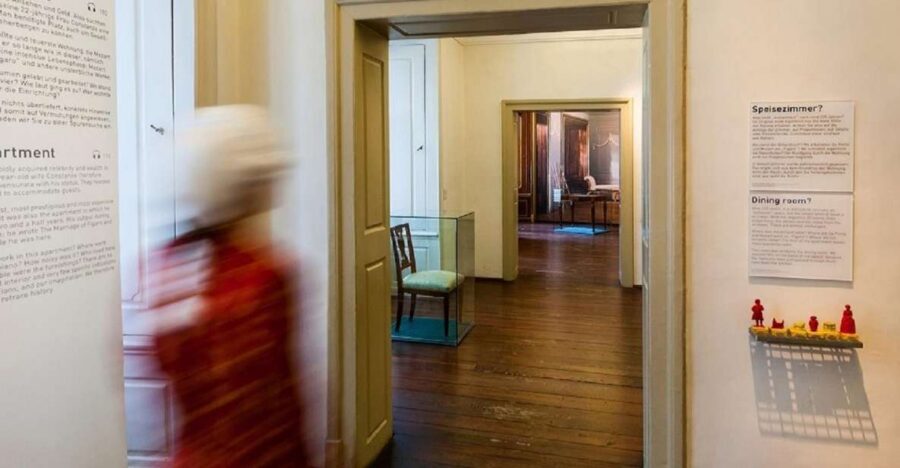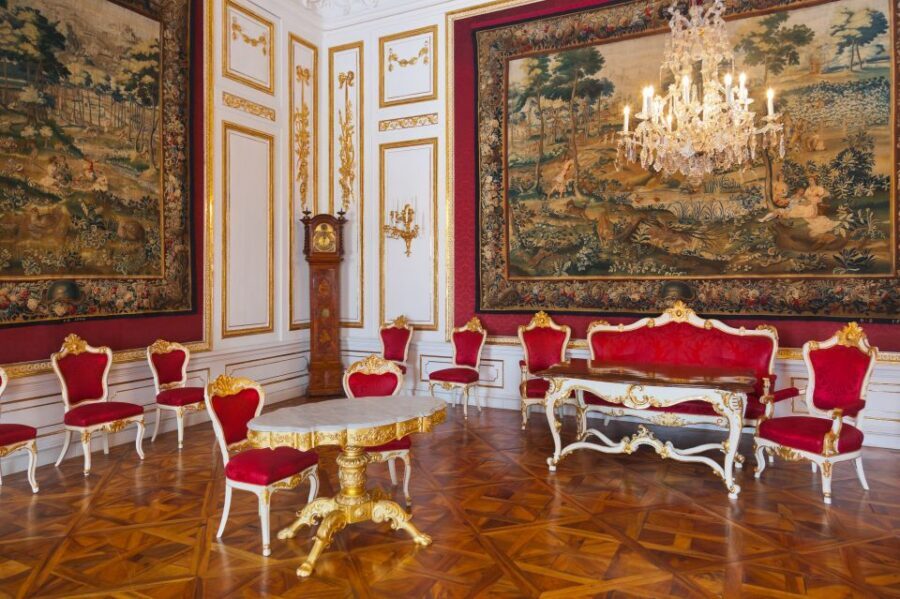
Mozart in a department-store basement? Mythos Mozart turns the composer’s life and music into a hands-on visit spread across five themed scenes in a huge 1,500-square-meter space. You walk through rooms designed to pair music with lights and visuals, so you don’t just read about Mozart—you experience the mood and storytelling through sound.
Two things I really like: the way the five rooms guide you from Mozart’s world to specific works (including a powerful candle-lit Requiem moment), and the fact that your admission is included in the price, so you’re not stacking add-ons. One consideration: the whole thing is about 55 minutes, so if you love very detailed, slow museum-style explanations, you may feel it’s over fast.
In This Review
- Key Highlights Before You Go
- Mythos Mozart in Steffl’s Basement: What the 1,500 m² Space Feels Like
- How the 55-Minute Experience Works: Five Scenes, One Story
- The Requiem-Style Candle Moment and Why Sound Matters
- Value for $27.63: What You’re Actually Buying
- Do Mozart House First? How to Get the Most Out of It
- Practical Tips for a Smooth Visit (Including Tech That Can Go Wrong)
- Is It Good for Kids, Non-Classical Fans, or Busy Schedules?
- Health Note: If You Have Epilepsy
- Should You Book Mythos Mozart?
- FAQ
- How long is Mythos Mozart?
- Where does the experience take place?
- Is the admission ticket included in the price?
- Do I get a mobile ticket?
- Is it near public transportation?
- How far in advance do people usually book?
- What happens after I book?
- Is everyone allowed to participate?
- Is free cancellation available?
- Until when can I cancel for a full refund?
Key Highlights Before You Go

- 1,500-square-meter setting under STEFFL: big space, clear layout, and easy to understand once you enter
- Five distinct rooms/scenes: sound and visuals do the teaching work for you
- Music you can hear differently: listening changes as you move between rooms
- Great for families and kids: even a 15-month-old can enjoy it, if you keep the pace short
- Do Mozart House first if you want context: it can make the experience click faster
- Watch for multimedia hiccups: a visitor reported an audio/auto issue in the first room
Mythos Mozart in Steffl’s Basement: What the 1,500 m² Space Feels Like
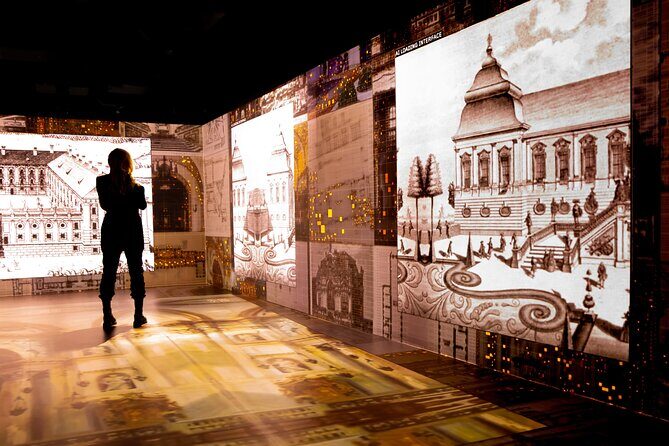
This is not a quiet, gallery-only museum stop. Mythos Mozart is staged in the basement of the STEFFL department store, and the scale matters: the experience covers about 1,500 square meters in that lower level. That size gives you room to move, pause, and take in the different “chapters” without feeling squeezed.
The setting also helps the tone. You’re in a modern commercial building, yet the attraction is built like a themed show. The result is a visit that feels approachable—even if you don’t know Mozart’s life story from memory. You’re guided by what you see and hear rather than needing to study a wall of text first.
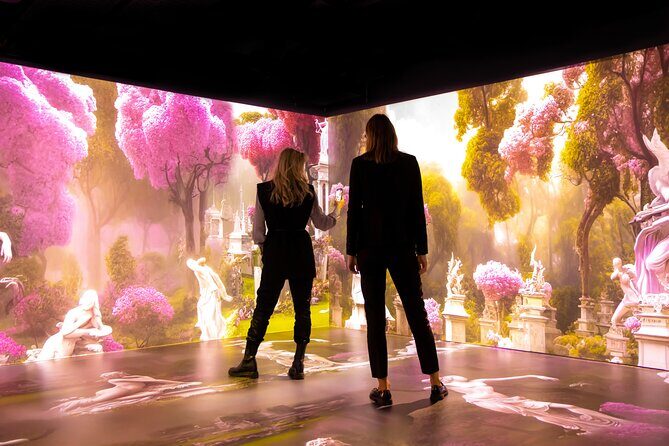
If you care about design and atmosphere, you’ll probably like how each scene changes the mood. Reviews mention the sound mixed with lights and photos, and that’s exactly the idea here: it’s a multi-sensory story. You’re basically moving through a sequence meant to make Mozart’s music feel present, not distant.
You can also read our reviews of more tours and experiences in Vienna.



How the 55-Minute Experience Works: Five Scenes, One Story
You’ve got about 55 minutes to go through everything, which is a sweet spot if you want something Mozart-related without spending half your day in a museum. The experience is organized around five different scenes/rooms, and the pacing is designed so you’re never waiting forever for the “next” part.
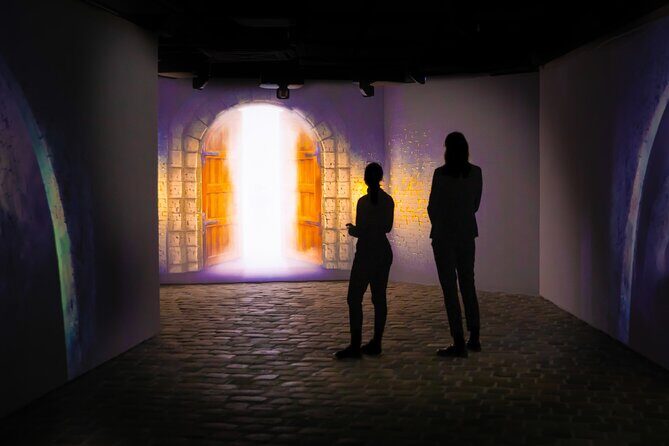
Here’s how to think about it while you’re there: each room is not just a backdrop for a single fact. It’s more like a mini-world. You listen, look, and follow the storyline as the technology and presentation shift around you. One review praised how the sound, lights, and photos made people feel like they were part of what’s happening—so aim to stay mentally engaged, not just pass through.
What you might notice right away is how the show mixes education with emotion. Some rooms lean more reflective. Others feel like they’re trying to get you to feel a piece of Mozart, not just recognize it. That’s why this works well for kids: it’s less “lecture,” more “experience.”
The downside is time. Since it runs under an hour, you won’t have long to replay details or linger in one room. If you’re the type who wants to read every line and slow-walk every exhibit, you may want to plan for faster walking and fewer stops—otherwise the pace can feel like it’s rushing you.
The Requiem-Style Candle Moment and Why Sound Matters
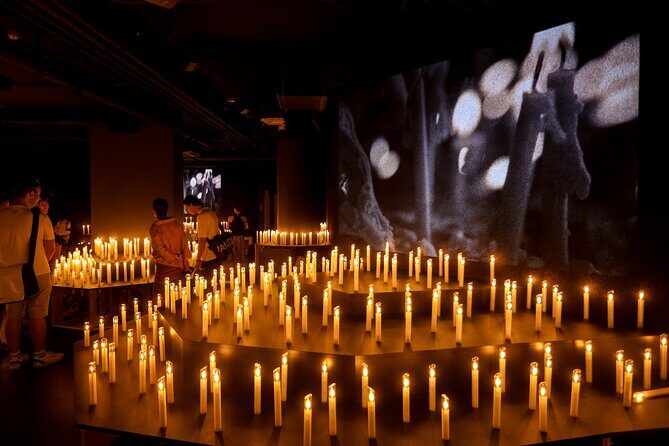
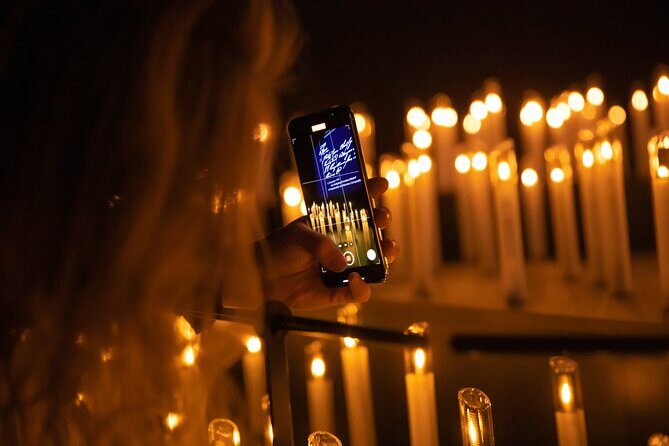
One of the most discussed parts is the first room, where the presentation includes Requiem imagery—described with many candles and included recordings that feel especially moving. Even if you’re not a hardcore classical listener, this is the kind of staging that lets you connect emotionally. Candles create instant gravity, and pairing that visual with Mozart recordings adds weight to the moment.
Why it works: Mozart’s music is emotional, but many people meet it through dry descriptions—dates, names, and short listening clips. Here, you’re hearing the music as part of a designed setting. The sound doesn’t sit alone; it’s timed and layered with the room’s visuals, so you’re getting a stronger sense of atmosphere.
A few reviews also point out how the experience mixes audio with lights and photos so you feel involved. You don’t need to be fluent in music theory to follow what’s happening. You just need to let your senses do some of the learning.
Do keep a realistic expectation, though: this isn’t a live concert with musicians performing in real time. It’s a crafted presentation. If you love hearing performers on stage, you’ll still want a concert someday. But if you want a quick, understandable way to meet Mozart through sound and story, this room (especially that candle-lit Requiem angle) is a standout.
Value for $27.63: What You’re Actually Buying
At $27.63 per person, the value depends on what you want from your Vienna time. If your goal is a short, memorable, music-themed activity that doesn’t require much prep, this price makes sense because the admission ticket is included.
You also get a smart practical touch: it’s a mobile ticket. That may not sound exciting, but it matters. In a city where you’re moving between sights, fewer steps to enter means less time fiddling and more time inside.
Here’s the honest way to judge value: you’re paying for staging, sound, lighting, and the chance to experience Mozart’s world quickly. You’re not paying for guided scholarship that goes on for hours. So if you want an ultra-detailed lecture, you’ll likely want something else. But for a focused 55-minute experience, the price lands in the “worth it” range—especially if you’re going with children or you want an easier cultural stop than a formal concert setting.
Do Mozart House First? How to Get the Most Out of It
One of the clearest pieces of advice from reviews is to do Mozart House first. The reasoning is simple: it gives you basic grounding, so the Mythos presentation won’t feel like it’s throwing you into the middle of Mozart’s story.
You don’t have to treat it like a rule, but I’d follow it if you’re the kind of person who likes to understand what you’re seeing. Starting with Mozart House can help you recognize names, time periods, and the general arc of his life. Then Mythos Mozart feels more rewarding, because the rooms build on what you already know.
On the other hand, if you’re short on time and you just want a fun, music-centered visit, you can still go without that prior context. The five rooms are designed to work even if you don’t come in with deep background. Just expect it to be more emotional and sensory than fact-heavy.
A practical tip: if you do Mozart House the day before or earlier in the same trip, don’t overstuff your schedule. Give yourself enough breathing room that you can connect the two experiences in your head.






Practical Tips for a Smooth Visit (Including Tech That Can Go Wrong)
This attraction is near public transportation, which is handy. You can slot it into a day without needing a car or a long transit plan. The STEFFL location is also easy to find because it’s tied to a major department store.
Because the ticket is mobile, make sure your phone is ready. Keep it charged and accessible. One review mentioned an auto/audio issue in the first room, and that it was connected to iPhones. I can’t promise the tech will behave perfectly every day, but you can handle it calmly: if anything seems off, alert the staff quickly so you’re not stuck waiting or missing parts of the presentation.
Also, go in with a realistic mindset about pacing. The show is under an hour, so it’s not the place for a slow stroll through each scene like you’re browsing a long museum wing. Treat it like a structured experience: let each room play its role, then move on.
If you’re visiting with kids, this is a good format. Reviews mention a very young child enjoyed it. The key is to keep expectations age-appropriate. Let them see the changing rooms, listen to the music, and don’t try to force long “museum focus” breaks.
Is It Good for Kids, Non-Classical Fans, or Busy Schedules?
Yes, and that’s one of its strengths. One review specifically highlighted it as a helpful alternative for a young child who might not enjoy (or sit through) a classical concert. That tells me this is built for attention that doesn’t require adult-style endurance.
For kids, five rooms are easier to handle than one long exhibit. The visuals and sound cues do some of the work for you, so kids don’t have to read explanations to stay interested. If you’re bringing a stroller, you’ll still want to be mindful of movement and turn-taking—but the multi-room layout generally supports a short, playful tour pace.
For non-classical fans, the selling point is that you’re not starting from scratch. You’ll hear Mozart’s music as part of the room’s storytelling, and you’ll leave with emotional impressions rather than only facts. You may not become a lifelong expert after 55 minutes, but you’ll likely come away with a stronger sense of what Mozart’s music can feel like.
For busy schedules, the timing is practical. It’s short enough to fit between bigger sights. And since it’s in the basement of STEFFL, it’s a convenient “cultural stop plus a break” kind of outing.
Health Note: If You Have Epilepsy
The experience includes epilepsy in its participation notes. That’s a clear signal that the attraction uses sensory presentation elements that may not be suitable for everyone. If you have epilepsy (or someone in your group does), I strongly recommend you check with the operator directly before you go so you can understand what kind of audiovisual effects are used.
Don’t treat this as small print. When a listing flags epilepsy, it means you should plan carefully.
Should You Book Mythos Mozart?
Book it if you want a short, structured, Mozart-themed experience that uses sound, lights, and room-by-room storytelling. At $27.63 with admission included and about 55 minutes on the clock, it’s a practical choice—especially for families, for people who don’t want a long concert, or for anyone who learns best through experience instead of reading.
Skip it (or swap it for something else) if you need a deep, slow, text-heavy museum presentation, or if you’re very sensitive to audiovisual effects and don’t want to risk an experience that’s on the sensory-stimulation side.
FAQ
How long is Mythos Mozart?
The experience lasts about 55 minutes.
Where does the experience take place?
It’s in Vienna, Austria, in the basement of the STEFFL department store.
Is the admission ticket included in the price?
Yes, admission is included.
Do I get a mobile ticket?
Yes, the ticket is a mobile ticket.
Is it near public transportation?
Yes, it’s near public transportation.
How far in advance do people usually book?
On average, it’s booked 13 days in advance.
What happens after I book?
You should receive confirmation at the time of booking.
Is everyone allowed to participate?
The listing says most travelers can participate, with epilepsy noted as a consideration.
Is free cancellation available?
Yes, free cancellation is available.
Until when can I cancel for a full refund?
You can cancel up to 24 hours in advance for a full refund. If you cancel less than 24 hours before the start time, no refund is provided.