You’ll start at Graben (1010 Wien) and finish back there, with game play taking about 2 hours. After you book, you get an email with instructions, you download the Loquiz app, and you can start at any time on your chosen date. It’s built for solo players or teams up to four per device, and the experience is private for your group.
Key Highlights You’ll Actually Notice
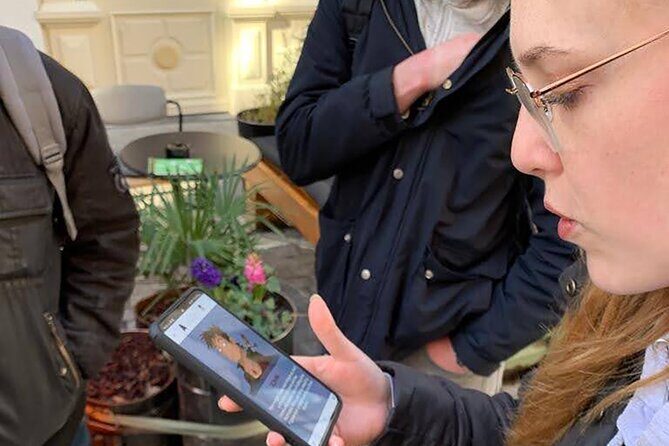
- Balthasar’s murder mystery with story-driven puzzles and plot twists
- Easy difficulty that works for families, kids, and non-puzzle people
- Loquiz app gameplay with digital characters, codes, and photo tasks
- Flexible start time: pick any time on your date and play at your pace
- Up to 4 people per device, with larger groups able to buy multiple tickets
- Start and end at Graben, right in central Vienna
Sherlock Holmes City Game: What Self-Guided Really Means in Vienna
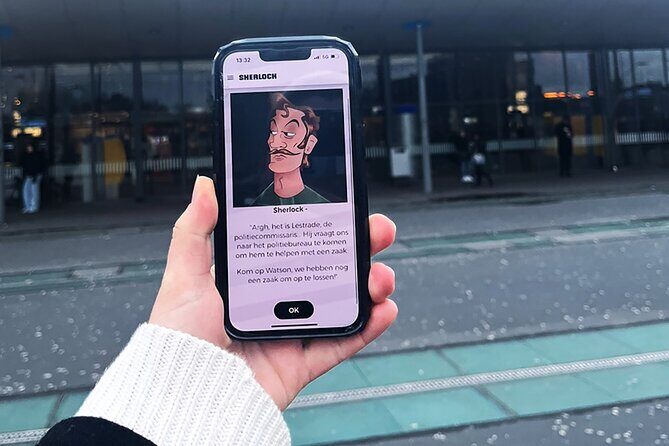
This isn’t a traditional guided tour where one person talks and you follow. It’s a mystery-solving game you play on your phone. The city becomes your set. You move through clue points, make choices, and solve tasks that keep the storyline moving forward—complete with surprises and unexpected turns.
That format is a big part of the fun. If you’ve ever been on a tour where the pace didn’t match your energy, this is the opposite. You can slow down to work out a puzzle, speed up when something clicks, or stop briefly if you want a quick coffee break. The game is also designed for solo play or small teams, which helps if you’re traveling with friends but don’t want everyone stuck in lockstep.
There’s also something practical here: because you’re solving the case yourself, you naturally notice places you’d normally walk past. One review in German captured it well—people enjoyed discovering corners of Vienna they hadn’t noticed before. That’s exactly what this kind of game tends to do. It nudges you into side streets and street-level details, instead of treating the city like a backdrop.
Getting Started at Graben and Planning Your 2-Hour Walk
Your adventure begins at Graben, 1010 Wien. You’ll also end back at the same starting point. That’s a comfort for planning: you’re not guessing where you’ll end up or trying to coordinate a late pickup somewhere far away.
The game’s estimated duration is about 2 hours, but your actual timeline depends on how long you spend on puzzles and how comfortable you are moving while reading instructions on your phone. Since the game is set up for your pace, you can make it a quick, focused mission or a slower, more relaxed exploration.
Here’s how I’d mentally frame the time:
- Expect a chunk of time for the early clues and learning the rhythm of the app tasks.
- Then you’ll hit puzzles/codes and some detective-style problem solving.
- Near the end, you’ll move toward the final resolution and a wrap-up that brings you back to the meeting point.
The practical win: because it’s roughly 2 hours, you can pair it with the rest of your Vienna day without needing a whole afternoon devoted to one booked activity.
Solving the Case on Your Phone: Codes, Digital Characters, and Photo Tasks
After booking, you’ll receive an instructions email. Then you’ll download the Loquiz app and start the mission.
Gameplay features include:
- Digital characters you encounter through the app
- Puzzles and codes that you solve as part of the story
- Photo tasks that add variety beyond pure word or logic puzzles
This mix matters. A lot of city games fall into one of two styles: either mostly trivia and reading, or mostly scavenger-hunt sightseeing. This one blends story + problem solving + small hands-on tasks. That keeps momentum. When puzzles get too heavy, a photo task or a new storyline beat can reset your brain.
It also helps that the game is described as easy difficulty. That doesn’t mean it’s meaningless. It means the tasks are approachable, so families can participate, and adults can still enjoy it without feeling like they’re trapped in a hard exam.
If you’re playing as a group, I’d set a simple team routine: one person reads instructions, one person tries the puzzle, and everyone else helps test ideas. If you’re solo, you’ll likely move a bit slower, but the app structure should keep you from feeling lost for long.
The Balthasar Murder Story: Why the Plot Keeps You Moving
The core storyline centers on the murder of Balthasar. The case is presented as suspenseful and story-driven, with twists and plot developments along the way. That matters because you’re not just collecting clues; you’re building an understanding of what happened as the game progresses.
This kind of narrative structure is especially good for Vienna, because the city has layers—old streets, grand buildings, and small everyday corners. A puzzle that’s tied to a storyline makes you pay attention to details you might otherwise ignore. You’re not just “doing tasks.” You’re trying to understand the case.
It’s also a good match for mixed groups. If you have kids, some tasks may be easier than others, but the overall experience is built for a broad range of ages. If you have adults who want more challenge, you can still take your time and focus on the codes and logic moments.
One more practical point: because the game uses the scenery of the city as the playground, you get a walking experience that feels like part of the plot. That’s often more memorable than checking off landmarks.
Price and Value: What $23.21 Per Group Buys You
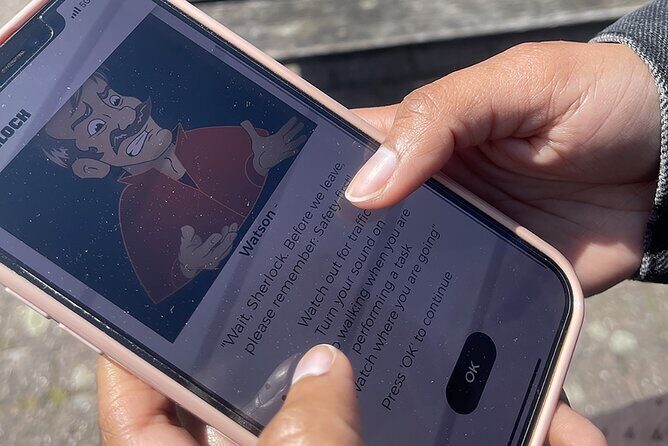
The price is $23.21 per group (up to 4 people). That’s not a per-person price—so the value improves when you’re traveling with at least one other person.
What you’re really paying for is not just access to a game, but the structure that turns an urban walk into a coordinated activity:
- You get a complete murder mystery game experience.
- You get self-guided flexibility (you choose your start time within your selected date).
- You get a format designed to last about 2 hours, which makes it easier to slot into a day.
If you’re traveling solo, it’s still a fair way to spend time because you’re basically buying one ticket worth of entertainment and interaction with the city. But the best deal is when you bring a group of two to four—because the per-group model turns the cost into something that feels more like a shared outing than a separate expense for each person.
Also, since it’s private to your group, you don’t have to deal with other teams crowding your pace or your puzzle-solving rhythm.
Who This Sherlock Holmes Game Suits Best (And Who Might Not Love It)
This game is a strong fit if you want:
- A light-to-moderate challenge (easy difficulty)
- An activity that works for families with kids
- A way to explore Vienna without booking a long guided itinerary
- Something social that still allows you to move at your own speed
It’s also a great choice for friends, colleagues, or any small group that wants a shared mission. The story format naturally gives you something to talk about—what you think is happening, how you solved a code, whether you trust the latest digital clue.
Who might find it less perfect:
- If you want a live human guide answering questions on the spot, this is not that kind of experience. You’re driving the pace with app prompts.
- If you dislike using your phone while walking or hate attention-splitting, you may find the format demanding.
That said, the game’s “easy” difficulty helps a lot. It’s built so you can solve it without needing advanced puzzle skills.
Practical Tips That Make the Game Smoother
These are the kinds of small choices that affect how enjoyable a self-guided mystery feels:
- Pick a start time when you’re not rushed. Because you can choose any start time on your date, it’s worth selecting a moment you can actually enjoy.
- Assign roles in a team. For up to four per device, a simple workflow reduces arguing and speeds up puzzle-solving.
- Treat photo tasks like part of the storyline. If you approach them like checkpoints, you’ll keep your momentum.
- Wear comfortable walking shoes. The experience ends back where it starts, but you’ll still be out and moving through the city streets during play.
- Read the instructions email right away. The email is your key to getting set up with the right app flow.
And yes, you’ll want to be ready for the fact that the game is played on your own phone, because a smartphone or other devices are not included.
Getting Around: Public Transit-Friendly Start
The start point is central—Graben—and the activity is noted as being near public transportation. That’s a real benefit in Vienna, where getting around is easy but walking from the wrong drop-off can waste time.
Because the game lasts about 2 hours, you can plan transit so you don’t arrive at the start point stressed. Aim to get there with a little buffer, so you can start the game smoothly once you’re at the meeting point.
Should You Book This Vienna Sherlock Holmes Murder Mystery Game?
If you want a fun, easy-to-join Sherlock Holmes-style mystery that helps you see Vienna in a more active way, this is a great booking. The combination of self-guided pacing, a story about Balthasar, and a mix of codes, puzzles, and photo tasks gives you a complete experience without needing a full guided tour schedule.
I’d especially recommend it if:
- You’re traveling with family or a mixed-age group
- You like puzzle games but don’t want something too hard
- You prefer activities you can start at your own chosen time
- You want your time in Vienna to feel like a mission, not just a checklist
If you strongly prefer a live guide, or you don’t want to use your phone during sightseeing, you might find the app-led format less satisfying. But for most people who want an entertaining walk with a clear structure, this one hits a nice balance.
FAQ
What is the Vienna Self Guided Sherlock Holmes Murder Mystery Game?
It’s a self-guided mystery-solving game in Vienna where you use your phone to follow clues, solve puzzles and codes, and work through a murder mystery story.
Where does the game start and end?
It starts at Graben, 1010 Wien, Austria, and ends back at the same meeting point.
How long does the game take?
The duration is approximately 2 hours.
How much does it cost?
The price is $23.21 per group, up to 4 people.
How many people can play per device?
The game supports teams of up to four people per device. Larger groups can buy multiple tickets.
Do I need to download an app?
Yes. After booking, you’ll receive instructions and you’ll download the Loquiz app to play.
What difficulty level is it?
It’s described as easy, and it’s a good option for families with kids.
Can I choose when to start on my date?
Yes. You can pick any start time on your selected date and play at your own pace.
Is a smartphone included?
No. A smartphone or other devices are not included.
What is the cancellation policy?
Free cancellation is available. You can cancel up to 24 hours in advance for a full refund. If you cancel less than 24 hours before the experience’s start time, the amount you paid will not be refunded.
]]>Another strong reason to go is the Beethoven angle. The tour’s focus on the Eroica Hall, named for Beethoven’s celebrated Eroica Symphony (performed there for the very first time), gives you a better sense of why this palace isn’t just pretty—it’s musically important. One possible drawback: since it’s an audio guide experience, you’ll want to be comfortable with learning on your own and moving at your pace.
Key highlights you’ll actually care about
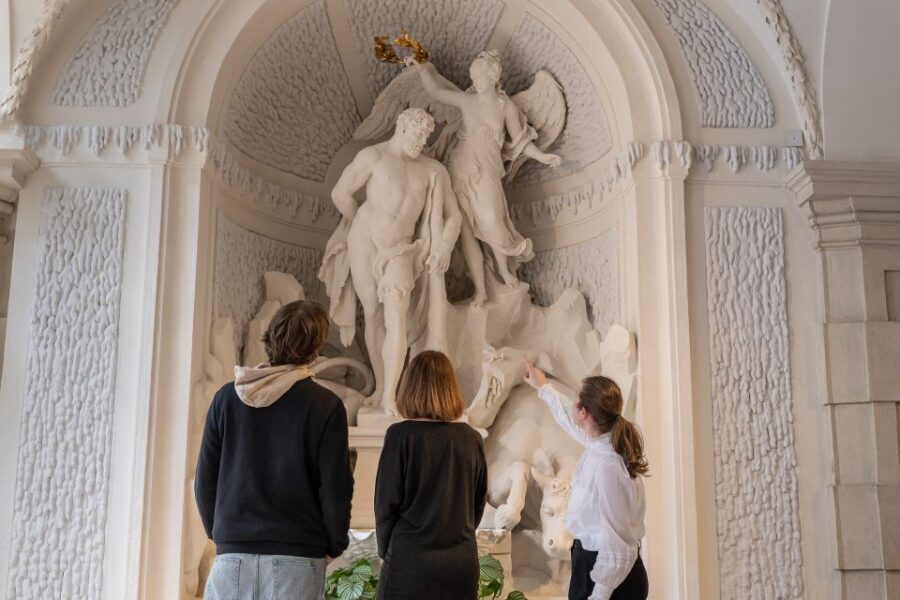
- Baroque architecture from the moment you enter: the building is the show, and the guide helps you notice it.
- Gustav Klimt’s Nuda Veritas: you’ll be pointed to this key Jugendstil work and its meaning and symbolism.
- Beethoven in the Eroica Hall: the tour explains why the hall matters through the Eroica Symphony.
- Eroica Hall history and musicological significance: the guide adds context rather than treating it like a random name.
- New Café im Lobkowitz: a built-in pause so you don’t have to rush out right after the art.
- English and German audio: you can choose the language that matches your comfort level.
Palais Lobkowitz: a Vienna city palace built for close-up looking

Palais Lobkowitz is the kind of destination that rewards slow walking and careful noticing. You’re not just touring a museum room by room. This is a palace experience—designed spaces, ornate surfaces, and the specific atmosphere of a Viennese private residence that has been opened to visitors.
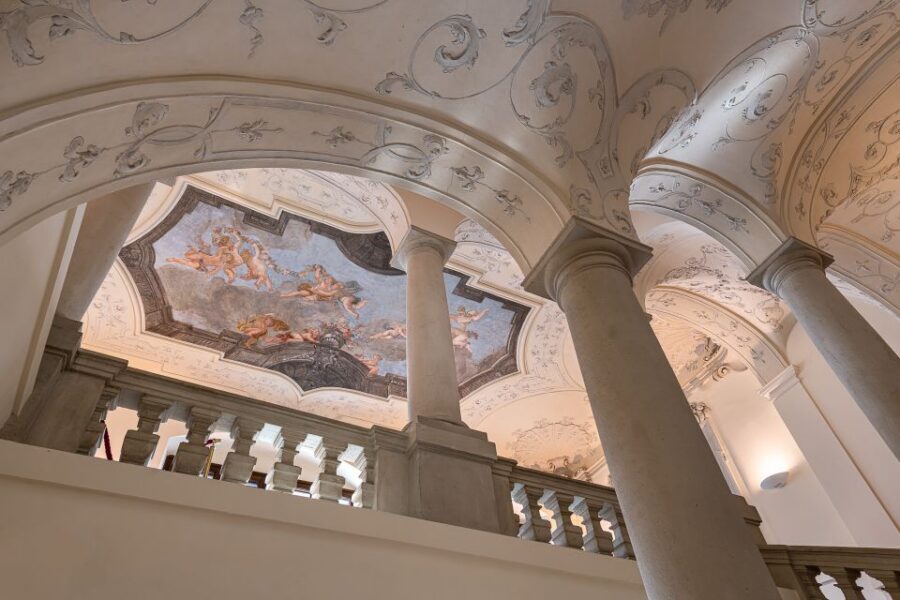
What I like most is that the tour treats the palace as more than a backdrop. The opulence of the baroque architecture hits you right away when you step inside. The audio guide doesn’t just say the walls are old and impressive. It’s meant to help you see what’s in front of you, so you get value even if you’re not an architecture expert.
And yes, the art highlights matter. Klimt’s Nuda Veritas is a major draw, but the best part is how it fits into the palace setting. You’re not dealing with a standalone painting behind glass in a generic gallery. You’re in the context that makes Viennese art history feel real: the building itself, the styling, and the way the tour links symbolism to place.
If you’re building a Vienna plan and you want one stop that mixes architecture and big-name culture without turning into a marathon, this is a strong choice.
The 7-day window: how to plan your visit without feeling rushed
This is an audio guide tour with entry included, priced at $20 per person. It’s valid for 7 days, and you should check availability for starting times. That matters because it gives you flexibility. Vienna tours can feel like a strict schedule city. A 7-day validity window lets you pick a moment that works with your day—especially if you’re juggling other museum visits.
Since it’s an audio guide tour, you’ll also want to think about your own style of touring. If you like to pause, rewind mentally, and spend extra time where you feel pulled in, audio is perfect. If you need a strict, timed group experience with constant pacing, you might find self-guided learning a bit less structured.
One detail I appreciate: the audio guide is offered in English and German. That’s useful because even if you choose English, you can still switch if something feels clearer in German. The tour is also run by the Kunsthistorisches Museum, so you’re not walking into a random side attraction. It’s tied to a major cultural institution, and it shows in the focus on major artworks and rooms.
In practice, I’d plan this for a day when you want a break from long lines or when you want something “high quality per hour.” Palais Lobkowitz can fit nicely between bigger, more exhausting museum blocks.
Baroque architecture: what to look for when the wow factor is immediate
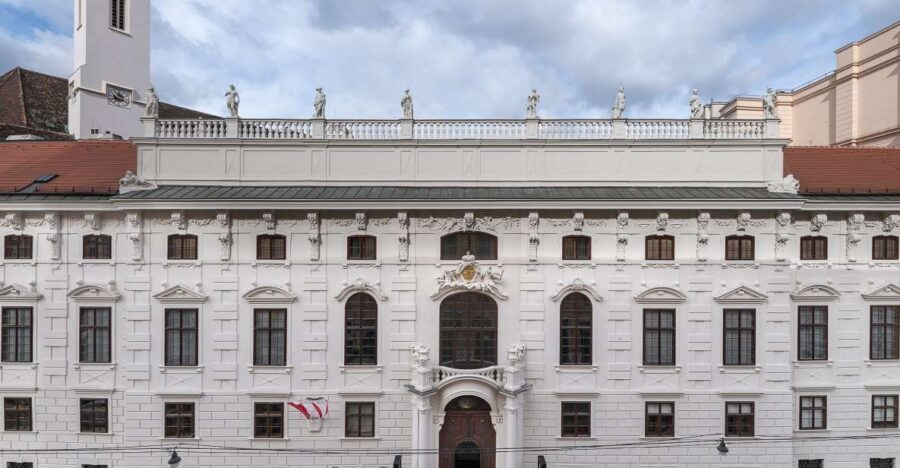
The tour’s first big promise is simple: you get a stunning visual experience from the moment you step into the building. Baroque architecture can be overwhelming if you’ve seen it only in photos. In person, it becomes physical—light bouncing off ornament, lines pulling your eye, and details you’d miss at speed.
The audio guide helps you slow down without forcing you. Instead of just roaming, you’ll have a guide voice steering you toward what matters in each space. Think of it as a pair of sensible glasses for your attention.
Here’s a practical way to use the experience:
- Spend a minute at each major room looking broadly first, then switch to small details.
- Don’t worry if you don’t know the terminology. Let the guide focus your eyes on what it’s describing.
- If you’re the type to take photos, do it after you’ve listened to the segment about that space. You’ll take better pictures because you’ll know what you’re capturing.
This is also where the palace setting boosts the tour. A baroque palace isn’t the same as a baroque church. You feel the difference in scale, use, and intimacy. That’s why this kind of palace tour can feel more personal than a large public building.
If you like Vienna for its layers—imperial style, art movements, and music history—this architecture section does real work. It sets the mood so the art stops feel like part of one story.
Klimt’s Nuda Veritas: meaning and symbolism with your own pace
Gustav Klimt’s Nuda Veritas is one of the best-known works connected to this tour, and it’s a genuine centerpiece. The guide specifically calls it out as a Jugendstil painting, and it doesn’t just list facts. It’s designed to help you understand the meaning and symbolism.
Now, I’m not going to pretend you’ll suddenly decode every symbol on the spot just because a voice tells you what it means. But that’s the value here: the audio guide gives you a framework so you can look again with new eyes.
When you reach the Nuda Veritas stop, I’d treat it like this:
- Listen first while you’re standing close enough to actually see the image.
- After the segment finishes, take 30 to 60 seconds to re-look without the audio.
- Then, if you want, start the audio again for the specific explanation you found most interesting.
That back-and-forth is where the painting turns from “pretty” into “I get why this mattered.”
Also, the tour’s emphasis on a palace setting matters. Klimt doesn’t feel like a random art-museum name here. He feels like part of a Viennese room where style, taste, and ideas lived side by side.
If you’re a Klimt fan, this is the kind of tour that makes the visit feel intentional. If you’re not, it still works because the guide’s focus on symbolism gives you something to engage with besides just the surface beauty.
Eroica Hall and Beethoven: why the first performance detail matters
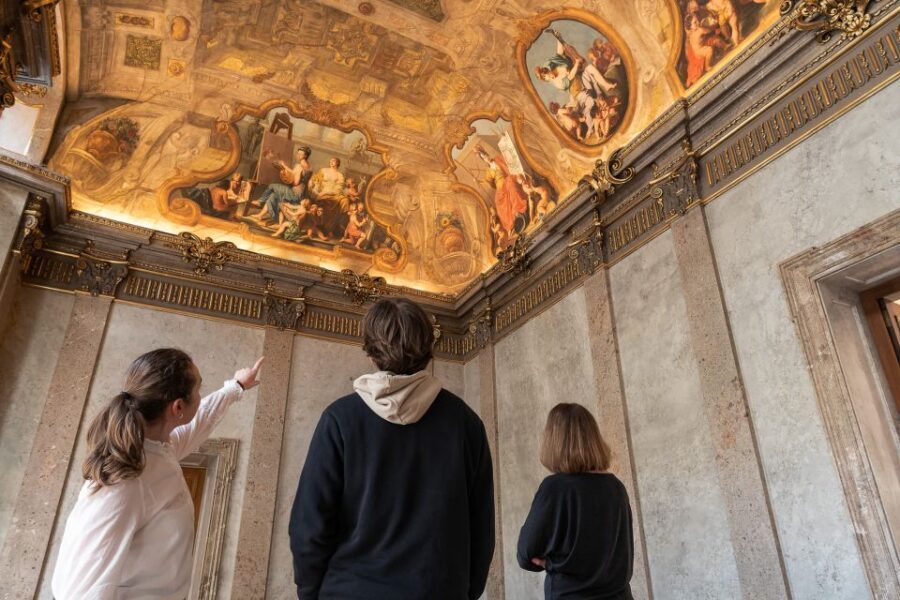
One of the tour’s standout lessons is Beethoven in the Eroica Hall. The hall is named after Beethoven’s famous Eroica Symphony, and the guide explains that the symphony was performed there for the very first time. That specific detail changes the way you look at the room.
Without context, a hall is just a room. With the context, it becomes a historical container. You’re not only seeing architecture. You’re connecting a space to a moment in music history. The audio guide also covers the musicological significance of the Eroica Symphony, which is exactly the sort of thing that turns a name into real understanding.
Practical tip: when you’re in the Eroica Hall area, resist multitasking. Don’t use this moment to send messages or hurry past to the next photo spot. The hall part of the tour is where your listening pays off most, because the guide is built around the link between music and place.
If you’re a classical music fan, you’ll probably feel this as “yes, I get why people care.” If you’re not, you can still come away with a feeling for the building’s importance in Vienna’s cultural life.
Either way, this section makes Palais Lobkowitz more than a visual stop. It becomes a “sound-and-place” experience, guided by audio explanations rather than long lectures.
Café im Lobkowitz: plan a breather so the art sticks
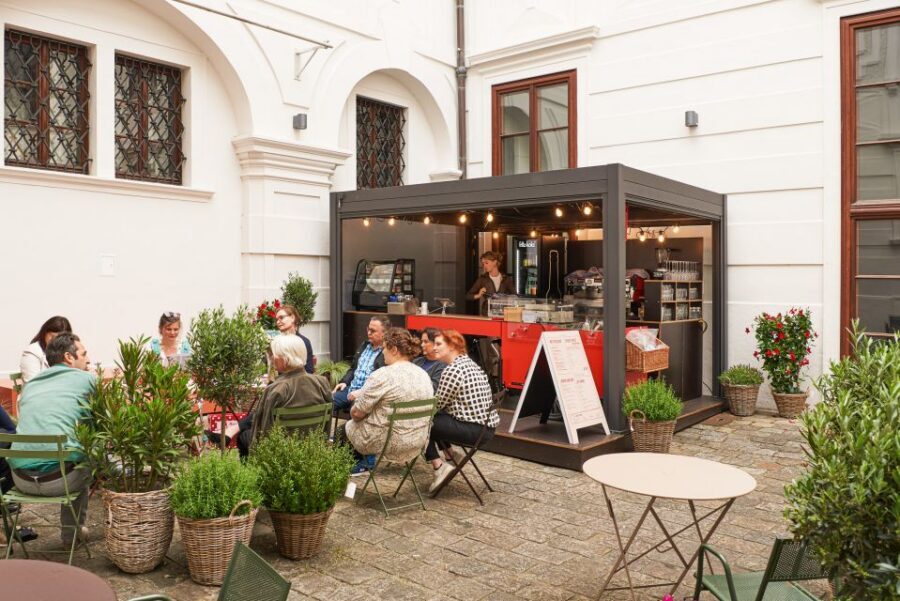
You finish with a chance to relax in the Café im Lobkowitz. The tour info calls it new, and even without knowing the exact menu details, a café break is often what makes palace visits feel satisfying instead of rushed.
This is a smart move because architecture and art can be mentally tiring. After you’ve focused on baroque details, then locked in on Klimt’s symbolism, and then listened to Beethoven’s hall context, you’ll want a pause that isn’t another museum room.
Use the café time strategically:
- Sit for a few minutes and let the tour segments settle in.
- If you’re traveling with someone who doesn’t want museums for hours, this is where you can negotiate a shorter outing.
- If you’ve been taking notes on your phone, review them here while it’s still fresh.
It’s also a nice end to a one-price, one-ticket experience. You don’t feel like you have to bolt the second you’re done with the final room.
Price and value: is $20 per person worth it?
At about $20 per person, the big value is that you’re paying for both entry and the audio guide. That matters because it’s not just a lecture you can get elsewhere. You’re buying access to Palais Lobkowitz plus the built-in explanations that make the experience more than “walk around and look.”
The 7-day validity window adds more value than you might think. Vienna schedules rarely cooperate. Being able to match your visit to your day is part of good travel value.
Also, the language options are practical. English and German audio are included, so you don’t have to squeeze your day around a specific tour language or feel stuck if you’re traveling with mixed fluency.
What you should weigh is your personal learning style. If you love self-paced experiences and can sit with audio for art context, you’ll likely feel you got your money’s worth quickly. If you want a highly interactive, live guided format, you might prefer a different type of tour. Still, for many visitors, audio guide tours are the sweet spot: informative, flexible, and focused.
Who this Palais Lobkowitz audio tour suits best
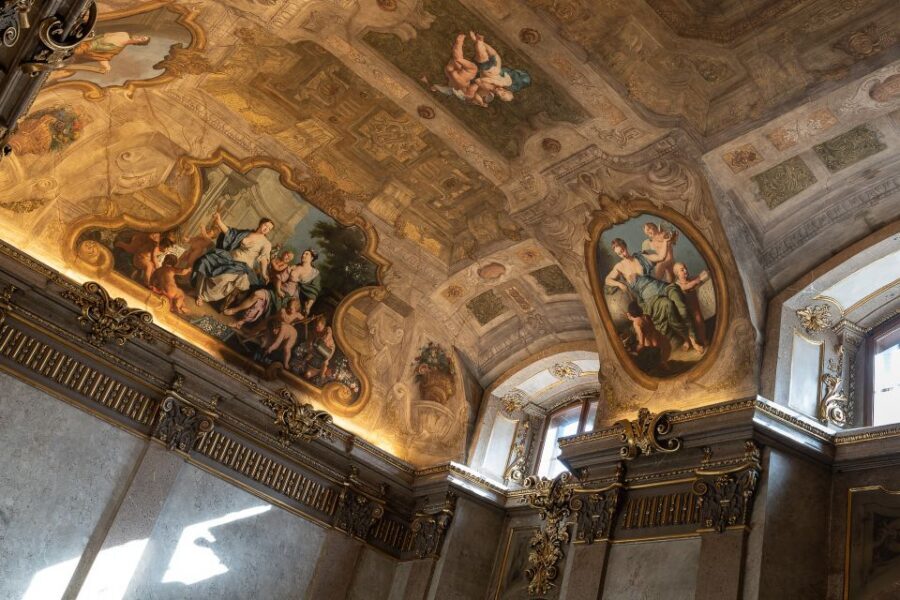
I’d recommend Palais Lobkowitz to you if you want:
- A Vienna palace visit that mixes baroque architecture with major art and music context.
- A self-guided format where you can spend extra time where you care most.
- A stop that isn’t a full-day commitment, but still feels culturally meaningful.
It’s also a good choice if you’re traveling with someone who likes different things. One person can focus on Klimt’s Nuda Veritas and symbolism. Another can zero in on Beethoven and the Eroica Hall first-performance detail. The audio guide is designed to support both interests in the same route.
The tour is listed as wheelchair accessible, which is a key practical point for many visitors. If mobility is a concern for you, it’s worth choosing places that explicitly support accessibility rather than forcing you to guess.
Should you book this audio guide tour at Palais Lobkowitz?
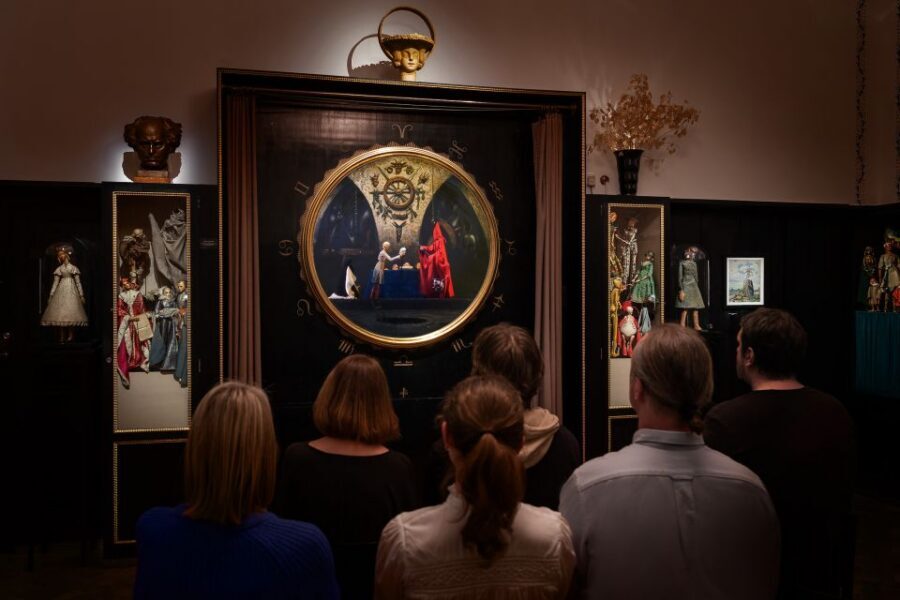
Book it if you like palace settings, want Klimt and Beethoven in one visit, and enjoy learning at your own pace through an audio guide. The combination of baroque architecture, Klimt’s Nuda Veritas (with meaning and symbolism explained), and the Eroica Hall connection to Beethoven’s Eroica Symphony makes the $20 price feel straightforward rather than inflated.
Skip it—or swap to a different style—if you only enjoy live narration, or if you find audio tours hard to concentrate on. Audio works best when you give it attention and don’t rush.
If you’re building a smart Vienna itinerary and want one stop that feels intimate, artsy, and genuinely tied to big cultural names, Palais Lobkowitz is a strong pick.
FAQ
Where is the Palais Lobkowitz audio guide tour located?
It’s in Vienna, Austria, at Palais Lobkowitz.
How much does the tour cost?
The price is $20 per person.
How long is the experience valid?
The offer is valid for 7 days, and you should check availability to see starting times.
What languages are available for the audio guide?
The audio guide is included in German and English.
What’s included in the $20 ticket?
Your ticket includes the audio guide tour, plus an entry ticket to Palais Lobkowitz Vienna.
Is the tour wheelchair accessible?
Yes, the tour is wheelchair accessible.
Can I cancel for a full refund?
Yes. You can cancel up to 24 hours in advance for a full refund.
Does the listing offer flexible payment options?
Yes. You can reserve now and pay later, keeping your travel plans flexible.
]]>If you’re the type who likes to wander, snack, and still feel organized, this works well. It’s only about three hours, and the “you choose when to eat” style means you can build it around your appetite and your sightseeing rhythm. The overall value is strongest if you’ll actually use the booklet’s restaurant-and-menu guidance instead of just treating it like a loose sightseeing map.
Key Things I’d Tell a Friend Before You Go

- A local food expert’s booklet: you get restaurant picks, suggested dishes, and practical planning notes in one place.
- 3 venue stops in Vienna’s Old Town: enough structure to guide you without locking you into a group schedule.
- Sight pairings along the way: highlights like St. Stephen’s Cathedral and the Anker Clock help turn snack stops into a real walking route.
- Decision power stays with you: you choose when to eat, and you control what you drink (the tour is described as self-guided and you plan your own refreshments).
- No food costs included: you pay for meals and drinks directly at the venues you pick.
- One small clarity issue: double-check which place expects reservations before you walk in.
Vienna in Three Hours: Food Stops That Don’t Feel Like a Checklist

This is a compact food-and-sightseeing plan for Vienna’s Old Town. The format is simple: you follow the route in your booklet, visit 3 recommended venues, and treat the walk between stops like part of the experience, not just transit.
You’re not herded into a tight timeline. The booklet is built for flexibility, so you decide when it’s snack time versus when you want a proper sit-down meal. That freedom is a big deal in a city where lunch hours, walking pace, and your hunger level can all throw off a rigid tour.
For me, the best part is that the structure helps you avoid the usual Vienna problem: you arrive excited, then spend too long searching and second-guessing menus. With this, you’re moving toward specific places and specific dishes instead of starting from zero.
The Booklet: Your Offline-Ready Map, Menus, and Planning Notes

Right after purchase, you get a direct link to a Google Drive folder with the booklet in PDF form. That access is unlimited, so you can download it to your phone, tablet, or laptop and use it without worrying about data coverage.
The booklet is prepared by a Local Food Expert, and it includes more than “go here for lunch” suggestions. You also get:
- information about Austrian cuisine and what to look for
- where each recommended venue is located
- contact numbers (useful if you want to call ahead)
- opening hours and practical notes
- food and drink recommendations, including desserts
- ticket-related planning information for attractions listed in the route (just keep in mind tickets themselves are not included)
You get it in 15 languages, including English, German, Spanish, French, Italian, Portuguese, Dutch, Polish, and more. If you’re traveling with someone who reads better in a different language, this can make decision-making much smoother.
How the 3 Venue Stops Work With Your Walking Day

The experience is designed around a walking route in Vienna’s Old Town. You start from your own accommodation and follow the route to the first stop. That matters because it lets you plug this into your existing Vienna day, rather than forcing you to meet at a distant central point and rush your morning.
Between the three venue stops, the booklet guides you through selected highlights. It specifically calls out major sights such as:
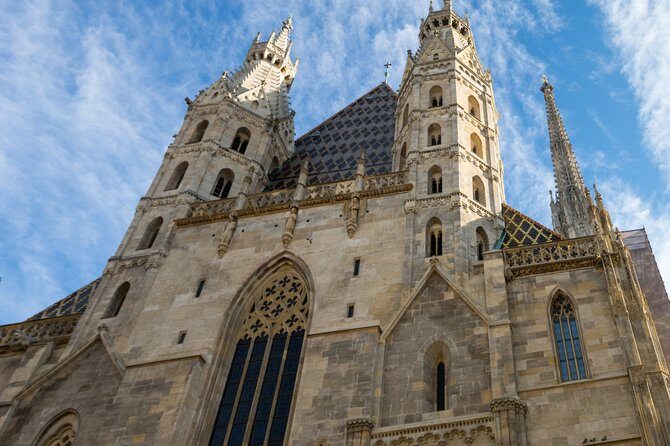
- St. Stephen’s Cathedral
- the Anker Clock
and additional attractions in the Old Town area.
So your day becomes a mix of “walk + look + taste.” You’re not expected to sprint to keep up. Instead, you get a sensible flow: arrive at each stop, use the menu suggestions to order with confidence, then continue the walk toward the next sight-marker and dining point.
A smart approach at each stop
Since the booklet provides suggested menus and dish ideas, use them as guardrails:
- Scan your options quickly once you sit down.
- Pick one traditional dish and add one sweet or drink suggestion if you want the full Austrian arc.
- If you’re unsure what to choose, follow the booklet’s recommendations rather than translating everything in your head.
This is especially helpful if you want Austrian classics but don’t want to gamble on unfamiliar dishes.
St. Stephen’s Cathedral and the Anker Clock: Why the Route Feels Like More Than Meals
Vienna’s Old Town sightseeing can get repetitive fast if you only see famous buildings from the sidewalk. This booklet helps by pairing your dining stops with recognizable landmarks you’ll likely want to see anyway.
St. Stephen’s Cathedral is one of the city’s most iconic sights, and it’s a natural anchor for a walking day. The cathedral works well because you can plan a realistic rhythm around it: take a moment to look, walk on, then settle into your next meal stop when hunger hits.
The Anker Clock is another great “check your route” landmark. It’s the kind of spot that makes you feel like you’re actually progressing through the city, not wandering randomly.
The practical value here: you get a built-in navigation structure. Even if you don’t care about every single attraction, landmarks give you confidence that you’re on track—and help you estimate walking time as you move between venues.
Choosing Austrian Dishes Like a Local (Without Getting Lost in the Menu)
The booklet focuses on traditional Austrian cuisine, and it’s not just generic advice. You’re given suggestions for what to try, including dishes, desserts, and drinks, based on the local style.
That’s useful for two reasons. First, you avoid the classic tourist move of ordering the safest, most international thing on the menu. Second, you’ll feel smarter while ordering—because you have a plan.
If you like a meal that tells a story, this is the right way to do it. Austrian food often rewards ordering more than one item: a main dish plus a dessert or a drink that fits the season and your mood. The booklet helps you think that way without overcomplicating it.
A note on drinks and the “wine tour” angle
The activity description refers to it as a self-guided wine tour as well. Practically, that means the booklet’s drink guidance is there, but you still choose what to drink and where. Treat it like food first, then add wine, beer, or other options if they fit the venue and the moment.
Avoiding Tourist Traps With Better Restaurant Filtering
Vienna can tempt you with restaurants that look great from the street but don’t always deliver good value. This experience is built to reduce that risk by steering you toward “top-rated” restaurants and recommended establishments rather than leaving you to pick randomly.
The key advantage is time. Instead of spending an hour reading reviews and then losing track of where you are, you follow the booklet’s route and use its practical notes to make quick decisions.
Also, because you’re planning your own timing, you can aim for a meal when you want it—not when a tour group decides it’s convenient. That usually leads to a calmer, more enjoyable eating experience.
Still, there’s one realistic caution. One confirmed issue in the feedback I saw: it wasn’t clear which stop requires reservations. So I recommend you treat every stop as “call or check notes first” unless the booklet explicitly tells you otherwise.
Price and Value: $11 for a 3-Hour Plan You Can Actually Use

The price is listed as $11 per group up to 25, which is unusually low for anything that combines planning help plus a digital guide. For most couples or small groups, that cost can feel almost symbolic, because the real value is the saved time and decision stress.
Here’s the value math in plain terms:
- You’re not paying for a live guide.
- You’re paying for research you can reuse (PDF, unlimited access).
- The meals and drinks are on you, but you’ll spend less time hunting and more time eating.
If you’re already the kind of traveler who likes to self-guide, this is a bargain. If you need strict scheduling and someone else to handle coordination, you’ll feel more independent than guided.
Practical Timing: How to Make the Most of a 3-Hour Window
This runs about 3 hours, and the booklet is flexible. That combination is perfect if you want a meaningful Old Town walk without committing your whole day to it.
To make it work smoothly:
- Don’t overstuff your day right before or after. Give yourself some breathing room so you’re not racing to fit meals and sightseeing.
- Build your pace around the longest ingredient: walking time plus time to sit and order.
- If you’re planning to sit down for a proper meal at one stop, aim for the other stops to be quicker bites or shorter breaks.
Because it’s self-guided, you can adjust on the fly. If you find a place you love, you can linger—then move at your own speed for the next item on the route.
Who This Is Best For (And Who Might Prefer Something Different)
This experience is ideal if you:
- want traditional Austrian food with structure
- enjoy walking and want major Old Town landmarks included
- like having restaurant addresses, contacts, and dish ideas in advance
- prefer flexible timing over a live-group schedule
- are comfortable paying for meals and tickets separately
It may be less ideal if you:
- need certainty that every stop is walk-in friendly
- want a full service guided tour with a live expert
- expect food and drinks to be included in the price
Should You Book the Austrian Food Vienna Restaurants Self-Guided Tour Booklet?
I’d book it if your goal is simple: eat well in Vienna’s Old Town without spending your valuable first hours Googling restaurants. The best reason to choose it is the blend of 3 curated dining stops plus sightseeing touchpoints like St. Stephen’s Cathedral and the Anker Clock, all wrapped into one easy-to-download PDF.
My only “hold on” is reservations clarity. So before you commit to a stop, use the booklet’s notes and contact details to confirm what’s needed. Once you do that, you’ll likely love how quickly the plan turns Vienna from overwhelming into delicious.
If you’re traveling solo or as a small group and you want an organized-but-free afternoon, this is a smart value pick.
FAQ
How long is the self-guided tour?
It lasts about 3 hours.
Where do I start the tour?
You start from your accommodation and reach the first place on the route.
What’s included in the price?
You get unlimited access to the self-guided tour booklet (PDF), practical information about restaurants and attractions in Vienna’s Old Town, a brief history of Austrian cuisine, and recommendations for dishes, desserts, and drinks (food and drinks are not included in the price). There’s also a 10% discount code for guided tours with Rosotravel.
Are food and drinks included?
No. Food and drinks are not included, and you pay for meals and refreshments directly at the venues.
Are attraction tickets included?
No. Attraction tickets are not included.
Is there a live guide?
No. This is self-guided and includes no live guide.
Do I need reservations?
The booklet recommends making table reservations in advance. It doesn’t explicitly say which stops require reservations in every case, so it’s smart to check the booklet notes for each venue.
How do I receive the booklet?
After purchasing, you receive a direct link to a Google Drive folder with the booklet in PDF format. You can download it anytime, and access is unlimited.
What languages is the booklet available in?
It’s available in 15 languages, including English, German, Spanish, French, Dutch, Polish, Italian, Portuguese, Norwegian, Swedish, Russian, Hindi, Japanese, and both Standard and Simplified Chinese.
Is the tour wheelchair accessible?
Yes, it’s listed as wheelchair accessible.
]]>One thing to plan for: the hunt relies on a mobile internet connection. If your cell signal is weak, you may hit moments where images or parts of the content don’t load well, and the in-app info can feel basic for some people.
Key Points You’ll Care About

- Self-guided, app-led route: You choose your pace and can pause whenever you want.
- Six languages supported: English, German, Italian, French, Dutch, and Spanish.
- Designed for groups (up to 3): The listed price is per group, not per person.
- Internet required: Vienna can mean spotty service in pockets, so plan for connectivity.
- Mobile ticket + simple setup: You use the app to move from clue to clue around top sights.
Vienna Highlights Scavenger Hunt: How This 2.5-Hour Walk Works
Think of this as Vienna, but with missions. You start at the University of Vienna, then the app sends you walking to the city’s most important sights using a string of riddles. Each time you reach a checkpoint, you use your phone to read the clue, follow the guidance to the next point, and pick up short background info along the way.
The big value here is control. A guided tour tells you when to look and when to move. This format flips that. You still get a structure—there are multiple riddles and a guided info system—but you can slow down for photos, stop to read longer, or take a breather when the streets feel like they’re doing laps around you.
You’ll also get bonding out of it. The hunt format works well for groups and families because you’re not just standing in front of a statue and listening. People actually talk. You’re comparing answers and trying to figure out what the next clue is asking. If you’re going with friends or a small group, it’s an easy way to turn “lets walk” into a shared activity.
Starting at the University of Vienna: A Friendly Jumping-Off Point
Your meeting point is the University of Vienna (Universitätsring 1, 1010 Wien). That’s a smart place to begin for a few reasons.
First, it’s a clear landmark. Even if you don’t know Vienna well, you can usually orient yourself faster when you’re starting at a recognizable hub. Second, it’s well placed for a walking loop through central areas—exactly what this hunt is built for. Third, the activity runs every day, with opening hours listed as essentially all day for the date range shown. So you’re not locked into one tiny time slot.
Practical tip: when you arrive, take a minute to get your app ready before you start walking. If your phone battery is low or your connection is unstable, those little problems can turn into bigger headaches once you’re moving between points.
The App-Led Route: Riddles, Directions, and Real Walking Time
The core experience is the rhythm: walk, solve, learn, repeat. The app guides you to the next location, and it includes an in-app info system so you’re not just guessing why a place matters.
Here’s what that feels like on the ground:
- You follow the clue logic to move from one attraction area to another, rather than wandering randomly.
- You read the on-phone information tied to what you’re seeing, which keeps the walk from turning into pure sightseeing.
- You solve several riddles rather than doing a single quick task. That added “game layer” is what makes this feel more fun than a traditional guidebook loop.
- You return to the meeting point when you finish the hunt.
Because it’s self-guided, you’ll naturally set your own pace. The listed duration is about 2 hours 30 minutes, but that’s a useful average, not a rule. If your group likes puzzles, you might take it slow. If you’re quick at solving, you could wrap up sooner, but I’d still plan a little buffer for stops, street crossings, and catching the vibe.
What You’ll Learn Along the Way (And When It Might Feel Too Short)
The hunt is built to be both entertaining and informative. The app provides directions plus background info about what you’re looking at while you work the riddles.
In practice, that means you’re not relying on a live guide who can answer every question on the spot. Instead, you’re getting short, on-demand explanations designed for scanning while walking. That can be great if you want quick context and momentum. It’s also ideal if you’re traveling with people who get restless during long lectures.
At the same time, not everyone will love the depth. One low-score review complained the app’s information was basic and uninteresting. Another noted spotty mobile service made images fail to load a few times. So if you’re the type who expects rich, detailed storytelling, treat this as a light-and-fun learning format—not a deep encyclopedia experience.
My advice: go in expecting short, usable facts that help you understand what you’re seeing. Then, if a place grabs you, you can always spend extra time on your own afterward.
Languages and Group Setup: Why This Works for Families, Students, and Teams
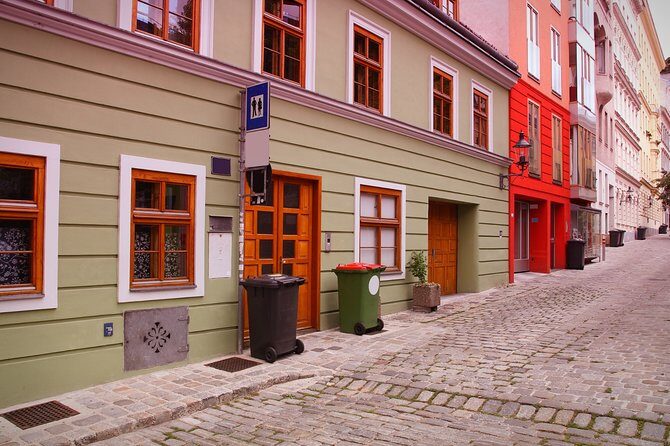
This hunt supports English, German, Italian, French, Dutch, and Spanish. That matters more than it sounds. Vienna is easy to enjoy, but language friction can still drain energy—especially when you’re trying to decode clues while also navigating streets.
When multiple languages are available, you can keep the game moving without constant translation. That’s a real win for mixed groups. It also makes it easier for students and company teams to participate without one person carrying the whole experience.
The other practical advantage is the group pricing model: $12.72 per group (up to 3). That changes the math. With a group of three, the per-person cost stays low. Even if you’re just two people, you’re often paying less than you would for many guided walking tours.
If you’re traveling solo, it can still work, but you’ll get less value out of the “group” pricing. Still, if you enjoy puzzles and self-directed exploring, the format can still be fun even when you’re playing the game by yourself.
Mobile Ticket + Your Phone as the Guide: What to Expect Day-of
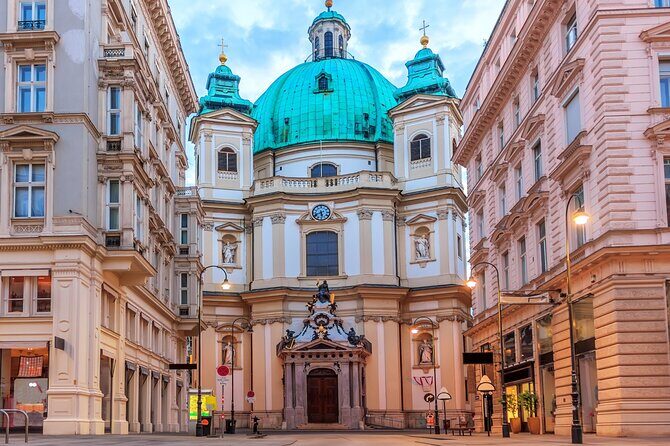
You’ll use a mobile ticket and your phone as your “guidebook.” The app is what drives the experience: it tells you where to go next, gives the clue content, and provides the info.
This setup creates two kinds of travelers:
- People who love planning-free flexibility.
- People who don’t want to manage apps while walking.
If you’re in the first group, you’ll probably enjoy the low-friction style. If you’re in the second group, you might find it slightly fiddly, especially if the phone screen is competing with bright daylight and you’re trying to read text while crossing streets.
Also, remember the requirement: all players will need an internet connection. That’s not a small detail. In one review, cell service in Vienna was described as spotty and images wouldn’t load at times. So don’t treat the Wi-Fi “maybe” as a plan. Think: what will you do if you lose connection for 10 or 15 minutes?
I recommend you carry:
- A charged phone battery
- A backup way to check your orientation (like offline maps)
- Patience for slow loading moments
If your phone goes offline mid-hunt, you might still be able to keep walking using your best guess, but you’ll lose some of the experience that the app provides.
Walking Comfort, Timing, and the Real-World Pace
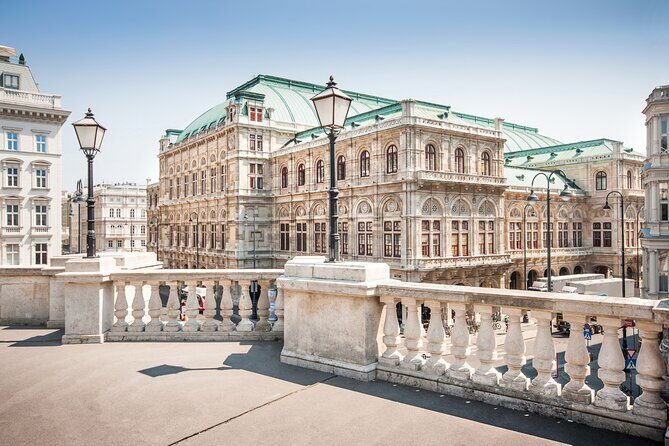
A scavenger hunt means you’ll be walking a lot more than you would in a short museum stop. Vienna’s central areas are very walkable, but you should still plan like this is a true stroll, not just a light sightseeing loop.
The listed time is about 2 hours 30 minutes, but that’s a starting point. Your actual time will depend on:
- How often you stop to read the on-screen info
- How quickly you solve riddles
- Whether your phone content loads smoothly
A key advantage is that you can take breaks whenever you want. If you need a coffee stop or want a photo break, the format won’t punish you. That flexibility is often the difference between an enjoyable self-walk and a cranky “why am I still walking” situation.
One caution: since the experience ends back at the starting meeting point, you should avoid scheduling it right before another timed activity unless you’re okay with some uncertainty.
Included vs Not Included: Keeping Expectations Straight
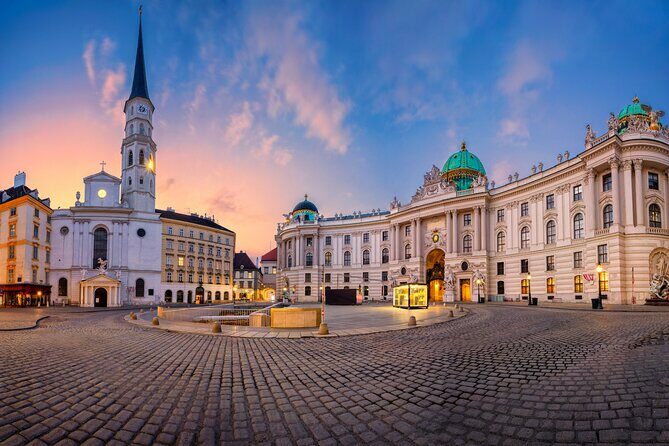
Here’s what you should expect to be handled for you: in-app guiding is included. That’s it. There’s no mention of a separate guide escort, and the experience is clearly designed around the app.
What’s not included: lunch. So if you’re doing this as part of a longer day, plan food separately. This is especially important if you’re traveling with kids or hungry students, because a scavenger hunt can trick you into thinking you’ll eat “after one more clue.”
Also, the listing notes service animals are allowed and the experience is near public transportation. And it’s described as suitable for most travelers. In other words, this is built to be accessible as an activity, not a hardcore athletic challenge.
Best Fit: Who This Vienna Hunt Works For
This experience is a great match if you want:
- A flexible way to see major sights without being herded on a fixed schedule
- A fun activity that naturally gets people talking
- A structured walk that still feels like exploring
It’s especially good for:
- Families looking for a way to make walking more engaging for kids
- Students who want something interactive rather than a straight lecture
- Small teams that like a shared challenge (perfect for bonding without extra planning)
If you’re the type who hates puzzles, prefers a slow and quiet pace, or expects deep historical storytelling, you might find the app format too lightweight. In that case, you may enjoy a traditional guided tour more.
Practical Tips to Make the App Work Smoothly in Vienna
Based on the issues hinted in the reviews, your success will depend on your phone setup and your patience with loading. Here are smart, low-effort moves:
- Start with strong signal: When you begin at the University of Vienna, take the first minute to confirm your app content is loading.
- Don’t rely on images: If images fail, keep going with text clues and directions when possible.
- Bring a charger or power bank: A phone used for navigation and riddles drains fast.
- Wear comfortable walking shoes: The experience is built around moving between points.
- Assign roles in a group: One person reads clues, one person checks directions, one person thinks through the answer. It saves time.
And if you hit a glitch, don’t treat it as a disaster. The scavenger hunt format is still a fun route even if one screen loads slowly.
Price and Value: Is $12.72 per Group a Good Deal?
$12.72 per group (up to 3) is one of the most compelling parts of this activity. The price is low compared to many guided walking tours, and you’re not paying per person. That means the hunt becomes more affordable as you add companions.
You’re also getting a 2.5-hour activity that combines walking, problem-solving, and short learning moments. If you’re already planning a day of sightseeing, the incremental cost can make sense because you’re essentially buying a structured route and a game-like way to experience it.
Where value may drop: if your phone connection is poor and the info doesn’t load well, you could feel like you paid for something that didn’t fully function. So treat connectivity as part of the “value equation,” not a side detail.
Should You Book This Vienna Highlights Scavenger Hunt?
If you want a flexible, puzzle-driven way to cover major sights in Vienna, I think this is a strong pick. The format works for groups, it keeps things moving, and the multilingual support makes it easier for everyone to participate.
I’d only hesitate if you hate app-based navigation, you’re traveling without a reliable internet plan, or you’re expecting deep, story-rich history. In those cases, you might prefer a human guide or a tour that doesn’t depend so heavily on your phone connection.
Bottom line: if you’re ready to treat Vienna like a walkable game—and you can keep your phone online—this one is worth booking.
FAQ
How long is the Vienna Highlights self-guided scavenger hunt?
It takes about 2 hours 30 minutes (approx.).
Where do you start and end the hunt?
You start at University of Vienna, Universitätsring 1, 1010 Wien, Austria, and the activity ends back at the meeting point.
How much does it cost, and how many people can join per group?
It costs $12.72 per group, up to 3 people.
Do I need internet access?
Yes. All players will need an internet connection for the app.
What languages are available in the app?
The hunt supports English, German, Italian, French, Dutch, and Spanish.
What’s included, and what’s not included?
Included: in-app guiding. Not included: lunch.
What is the cancellation policy?
Free cancellation is offered. You can cancel up to 24 hours in advance for a full refund. If you cancel less than 24 hours before the start time, the amount paid is not refunded.
]]>If you want a low-stress way to sample Austrian beer styles—from Märzen to IPA—this is a smart format. You get a map, a booklet with venue info, and enough structure to make the day feel like a mini tour, not a scavenger hunt.
Key Things I’d Bet You’ll Like
- Instant access to a local-expert PDF booklet via Google Drive, with unlimited downloads on any device
- Six Austrian beers across three selected beer halls, so you can compare styles instead of sampling randomly
- A mapped Old Town route that saves you time once you are already out walking
- Matchups for beer and food, including appetizers and snacks that pair well
- Flexible order and timing, since you decide where to drink and when to move on
- A 10% discount code for a future guided tour with Rosotravel Austria
Why Vienna’s Beer Halls Work So Well for a Self-Guided Day

Vienna is the kind of city where you can walk a few blocks and feel like you changed eras. Beer halls and breweries fit that vibe perfectly. You’re not just drinking something cold. You’re stepping into rooms built for conversation, local rituals, and long traditions.
What makes this plan click is that it is not trying to cram everything into one hour. It is a full day format where the route stays in Vienna Old Town, but the pace stays yours. That matters because beer tasting is partly about taste and partly about timing—when a beer hits, how hungry you are, how long you want to sit.
I also like that the tasting is set up to compare Austrian styles rather than tossing you into one place and calling it a day. You get to sample a range that includes popular, regional, and craft options, which helps you learn what you personally like.
The PDF Booklet: Your Real-World Shortcut in 15 Languages

Right after you buy, you get a direct link to a Google Drive folder with a PDF booklet. You can download it anytime, and access is unlimited. That is huge on a travel day, because you do not want your plan to live only on your phone’s internet connection.
The booklet is built by local beer experts and includes the stuff that usually slows people down:
- Venue names and locations
- Contact numbers
- Beer recommendations
- A map of the best beer halls and breweries in Vienna Old Town
- Opening hours and practical planning notes
It’s also offered in 15 languages (including English, German, Spanish, Italian, French, and more). Even if you speak English, it is reassuring when the booklet works cleanly in multiple languages. Less confusion. Less time spent translating in your head while you are outside a door wondering if you’re in the right place.
One practical note that you’ll want to take seriously: the booklet points you toward recommended places and gives planning info like addresses and opening hours. Since this is self-guided, that info is your itinerary skeleton.
How the Tasting Works: Six Austrian Beers and Three Stops

This experience is built around six different Austrian beers across three selected beer halls in Vienna Old Town. That structure is the sweet spot. It is enough variety to learn something, but it is not so many stops that you feel like you are sprinting from place to place.
You’ll sample a range that includes beers such as Märzen and also options that can run toward IPA, plus styles in between. The point is to compare flavors side by side. You’ll start picking up patterns—how malty beers feel heavier and rounder, how hoppier beers can read more bitter or aromatic, and how seasonal craft beers can show up with their own twist.
Here’s the key mindset I recommend: treat each stop like a mini decision. Before you pour, glance at the beer and think about what you want from it today—something smooth, something strong, something hop-forward. Then try it, compare it to the next one, and let your taste preferences guide your next choice.
Also, the tour covers the world of Austrian beer brewing, including a history that goes back about 700 years. That gives you context as you taste. You do not need to become a beer scholar to enjoy it, but a little background makes the flavors feel more intentional.
Stop 1 in Old Town: Get Oriented in a Real Beer Hall Setting

The tour starts from your accommodation. You reach the first place in the route on your own, then follow the booklet’s map for the rest of the day.
For Stop 1, you’re aiming for the classic “arrival moment.” This is where you settle into the beer-hall rhythm. Expect a traditional atmosphere where ordering is part of the experience, not an obstacle.
What to do at Stop 1:
- Ask what they’re serving that matches the booklet recommendations (or choose a beer listed in your tasting plan).
- Start with a beer that feels safe and familiar to your palate, so you have an anchor flavor for comparisons later.
- If you see an appetizer menu, pick something meant for beer—not just food you happen to find.
A small drawback here: beer halls are popular, and the tour guide format expects you to make table reservations in advance when needed. If you show up at prime time without a plan, you might wait—or you might need to change your timing.
Stop 2: Family-Run Hospitality and Vienna Character in the Room
One of the stops is described as a traditional tenement restaurant maintained by three generations of family. That detail matters because it signals how the place operates: it’s less about novelty and more about habits. In a setting like this, you tend to get that steady, practiced hospitality that makes tasting feel relaxed.
This stop also gets specific mention for its interior—humoristic decorations and authentic elements related to brewing. That kind of decor sounds like a small thing, but it changes your whole mood. You’ll feel less like you are “consuming beer” and more like you are visiting a place with personality.
What you’ll likely notice during Stop 2:
- The beer tastes can shift in style, so pay attention to how the second and third samples change your impression.
- The environment encourages slower sipping, which is good. Taste improves when you’re not rushing.
A practical tip: due to local customs, you may be asked to order food with your beer. So have a snack mindset, not only a beer mindset.
Stop 3: Brewing Equipment Near the Table (That’s the Fun Part)
The last stop is set up for a different kind of beer experience. It’s described as a fantastic place where people are passionate about brewing, and you can see brewing equipment right next to your table.
This is where the day earns its keep. You’re not only tasting beer; you are watching the brewing story happen in your direct line of sight. That turns the final tastings into more than flavors. It adds a visual layer that helps you remember what you liked and why.
How to make the most of the end stop:
- Compare your favorite beer from earlier with what they have on offer now.
- If the booklet suggests seasonal craft beers, consider trying at least one. Seasonal styles can be a fun “souvenir” even if you are not a craft-constant person at home.
- Give yourself time to sit. The equipment is the kind of detail you want to look at while you talk and taste, not while you stand up and rush out.
What to Eat With Austrian Beer (And How Snacks Change the Flavor)
The experience includes recommendations for appetizers and snacks that match the beers. Even though drinks and food are not included in the price, these pairings are valuable because they solve a common problem: beer can taste flat if you pair it with the wrong thing.
Here’s the practical rule that works in most beer halls: if the beer is malty and heavy, you often do better with salty or savory bites that cut through. If the beer is hoppier or more aromatic, snacks with some fat or texture can keep the bitterness from taking over.
You’ll also likely be balancing hunger after you’ve walked around Old Town. So treat food as part of the tasting rhythm. Order enough to keep going, but not so much that you feel stuffed before your last beer.
If the staff asks you to order food with your beer, that’s not a random demand. It’s part of how these places expect you to enjoy the evening. Following that makes the experience smoother.
Price and Value: $11 per Group Is Cheap—But Read the Fine Print

The price is listed as $11 per group (up to 25) for a 1-day self-guided experience. On its face, that feels almost too low for anything involving multiple beer recommendations.
Here’s the value math that actually matters:
- You are paying for the self-guided structure: unlimited access to the expert PDF booklet, map, beer and food recommendations, and background info.
- Your actual drinks and food are not included.
So the cost is not “beer for $11.” It’s more like: pay a small amount for a well-built plan so you can taste your way through Austria without doing hours of research.
If you like the idea of creating your own beer route with minimal effort, this is a good deal. If you wanted all drinks included in the ticket price, you’ll need a different kind of tour.
My advice: budget separately for beer and snacks, and treat the $11 as the planning tool fee that saves you time.
Flexibility: You’re Your Own Guide (Use It)

This is a self-guided tour, which means the order is flexible. You decide what to do and where to drink. That can be a huge win in Vienna, because opening hours and crowds can shift based on the day.
To use this flexibility well:
- Pick a starting point that matches where you are located, since the “meeting point” is your accommodation.
- Use the booklet’s map and opening hours to avoid dead ends.
- If a place looks packed, don’t panic. Switch timing. Keep moving within the Old Town route the booklet suggests.
One caution: the more popular beer halls are exactly the places where reservations matter. The experience specifically recommends making table reservations in advance, because some places may be fully booked. That is the one place your “flexibility” can hit reality.
Practical Tips That Make the Day Feel Easy
A few things I’d do before you leave your hotel:
- Download the PDF to your device in advance, so you’re not reliant on spotty internet.
- Decide what time of day you want to start so you can aim for the best chance of seating.
- Bring ID—Austria’s legal drinking age is 18.
During the day:
- Take notes as you taste. Write one quick line per beer: what you liked, what you didn’t, and what you want to try again later.
- Don’t underestimate the benefit of using the appetizer suggestions. Those pairings are there for a reason.
- If you’re planning to share the day with friends, agree on a pace. In beer halls, pacing affects everything.
Also, keep an eye out for the discount code in your booklet. You’ll get a 10% discount code for any future guided tour with Rosotravel to use on your next adventure. If you’re the kind of traveler who likes structured guiding sometimes, it’s a nice bonus.
Who This Beer Tasting Works Best For
This experience fits best if you want:
- A self-guided plan that still feels structured
- A chance to compare six Austrian beers
- Historic Vienna beer-hall atmosphere without hiring a live guide
- A local expert booklet that removes guesswork
It’s also a good fit for couples, small groups, and solo travelers who like control. You can slow down when a room grabs your attention, and speed up when you’re feeling restless.
If you hate planning, or you strongly prefer an included drinks-and-food package with zero ordering decisions, you might find this format more work than you want—because your food and drinks are not included and you’ll be handling choices at each stop.
Should You Book This Austrian Beer Tasting and Self-Guided Tour?
Yes, I’d book it if your goal is a low-cost way to taste Austrian beer styles in Vienna Old Town with a real expert guide in your pocket. The standout value is the PDF booklet with venue info, the map, and the structured tastings that go beyond one generic beer hall visit.
I would hesitate only if you want everything included (drinks and food), or if you know you will avoid reservations and planning at all costs. In that case, you may spend energy managing logistics instead of enjoying the tasting.
If you’re comfortable downloading a guide, ordering at beer halls, and using the booklet’s recommendations, this is a smart, practical way to spend a day in Vienna—learning the beer story while you walk, sip, and compare.
FAQ
Where does the self-guided tour start?
It starts from your accommodation. You begin the self-guided tour from there and make your way to the first place on the route.
How long is the experience?
It is valid for 1 day.
What is included in the price?
You get unlimited access to a self-guided tour booklet (PDF) with a map, history and facts, beer and appetizer recommendations, and other practical venue info.
Are drinks and food included?
No. Food and drinks are not included.
How many beers are part of the tasting?
The tour includes a tasting of 6 different Austrian beers.
Are there live guides?
No. This is self-guided, and there is no live guide included.
How do I get the booklet after booking?
After purchasing, you receive a direct link to a Google Drive folder containing the booklet as a PDF. The link is provided on your voucher after booking.
In how many languages is the booklet available?
It is available in 15 languages, including English, German, Spanish, Italian, French, Dutch, Polish, Portuguese, Norwegian, Swedish, Russian, Hindi, Japanese, Standard Chinese, and Simplified Chinese.
What should I know about drinking age and ordering?
The legal drinking age in Austria is 18. Also, due to local customs, you may be asked to order food with your beer, and it is recommended to reserve a table in advance because some places can fill up.
]]>You’ll see big names like St. Stephen’s Cathedral and Vienna’s grand opera house along the way, with quick stops built into the flow. The main thing to watch is phone navigation: in dense city-center areas, GPS can get a little confusing, so have a backup plan and keep your screen brightness handy.
Key Things to Know Before You Play
- Self-guided by design: no live tour guide, so you control the timing.
- 15 puzzle challenges: each stop feeds the next clue and keeps your brain engaged.
- Pauses and resume: you can stop mid-walk and come back to it later.
- Mobile access code: you use your phone to play, and it works even without a connection.
- Big landmarks on the route: Rathaus, Hofburg, St. Stephen’s Cathedral, and more.
- Admission varies by stop: some stops note ticket-free access, others are not included.
A Spy Mission Walk Through Vienna’s Center
This is the kind of experience that changes how you look at a familiar city. Instead of following a standard walking route, you follow clues and riddle-style prompts that lead you from one landmark area to the next.
It’s also built for real-world group energy. When you’re traveling with people who have different interests—one wants photos, one wants history, one wants snacks—puzzles give everyone a job.
And for the practical-minded: it takes about 1 hour 20 minutes. That’s long enough to feel like you did something substantial, but short enough to fit into a busy Vienna day without stealing your whole afternoon.
Price and Value: What $7.14 Buys You
At $7.14 per person, this is a budget-friendly way to get structure while you explore. The value isn’t just the walking—it’s the built-in entertainment plus the “how do I get there?” direction that comes from the phone-based clues.
The mission includes:
- a mobile access code for the quest
- 15 puzzle challenges
- storyline content inspired by Vienna’s secrets and history
- flexibility to pause and resume anytime
One word of caution about value: some of the landmark stops come with an admission note. At several points, the experience specifically says admission tickets are not included, so you might want to budget for any museum or inside-entry choices you make.
Starting at Rathaus, Ending at Karlskirche
You start at Rathaus, 1080 Vienna and finish at Karlskirche, Karlsplatz 10, 1040 Wien. That start-to-finish setup is great because it creates momentum; you’re not spending time figuring out how to loop back.
The experience is offered in English, and it’s a private activity for your group. That matters if you want a more relaxed pace. You can spread out just enough for photos and still regroup to solve the next clue.
You’ll also find it runs daily during the window listed: 5:00 AM to 9:00 PM. So you can play it early, late, or mid-day depending on your sightseeing plan.
How the Clues Work (and Why That’s the Point)
This is a self-guided quest with a clear rhythm: follow the clue, solve the puzzle, arrive at the next stop, and then get directions on where to go next.
Each location is designed to be a short, concentrated moment. You’re not expected to spend hours at every single stop. The puzzle format turns what could be passive sightseeing into an active scavenger hunt.
Also, the experience is flexible in a very real way: you can pause and resume. If someone needs a bathroom break, or you want to grab coffee and reset the team, you won’t feel like you’re falling behind.
Stop-by-Stop: What You’ll See and How to Use Each Moment
Think of the mission as a sequence of “landmark chapters.” Some stops are quicker look-and-learn moments; others are places where you’ll likely want to linger if you’re curious.
Stop 1: Rathaus
Rathaus is your opening act—town-hall grandeur in Vienna’s center. The mission gets you there by following a clue and solving an early puzzle, so the start feels like you’ve already stepped into the story.
Admission here is marked free, which is nice because it keeps your start from turning into an extra-pay decision.
Tip: use this first stop to test your phone workflow. Once you’re sure the quest is loading smoothly, the rest of the route feels easier.
Stop 2: Burgtheater
Burgtheater is a big, classic cultural landmark. The mission sends you here the same way—clue, puzzle, then direction onward—so you’re not just wandering until you spot it.
Admission for this stop is not included. That doesn’t mean you can’t enjoy it from the outside. It just means if you want to go in, plan for separate entry.
Stop 3: The Hofburg
The Hofburg is the kind of place that rewards slow looking: formal, historic, and tied to Vienna’s imperial story. In the mission, it’s another puzzle-driven arrival point with guidance for what comes next.
Admission is marked not included here as well. If your group is split—some want inside views, some just want the exterior—this stop is where you can quickly regroup after a fast lap around.
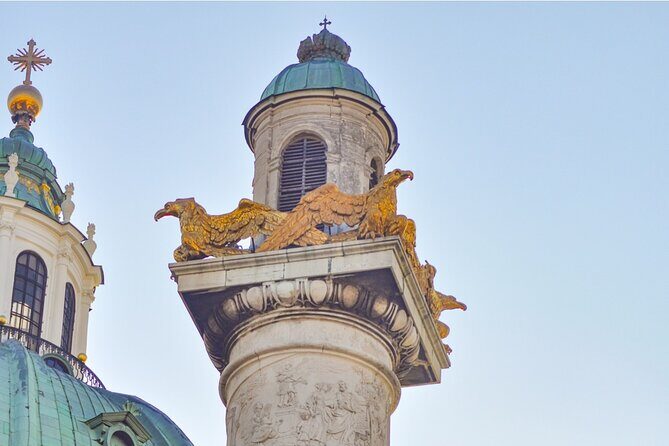
Stop 4: Column of Pest
This is a great mid-route moment because it gives you something specific to study. The Column of Pest is a recognizable monument, and the quest approach pushes you to pay attention rather than just pass by.
Admission is marked free, so it’s one of the stops that’s easiest on your wallet.
Stop 5: St. Stephen’s Cathedral
St. Stephen’s Cathedral is one of Vienna’s absolute must-see landmarks. The mission guides you here through another clue and puzzle, and then you’re free to spend a few minutes absorbing the setting.
Admission is marked free for this stop. That’s a win because you get access to the most famous scenery without making it a big ticket decision.
Tip: if your group is photo-heavy, assign a “puzzle lead” and a “photo lead.” You’ll keep the mission moving without losing the fun.
Stop 6: Albertina
Albertina is a name most people recognize, especially if you like art museums. In the mission, it’s another clue destination where the phone prompts you and then hands off to the next stage.
Admission is marked not included here. If the museum is a must-do for your group, you might want to decide up front whether you’ll pay separately or just use the exterior/area time and keep going.
Stop 7: Vienna State Opera
The Vienna State Opera is pure Vienna spectacle. Even from outside, it’s hard not to stare.
Admission is marked not included for this stop. Again, you’re not stuck—your mission still works as a walking quest—but inside access may be extra.
Practical note: if your group wants to tour the opera house, it may take you off the mission rhythm. The quest is timed in short stop windows, so be realistic about how many “inside” detours you want.
Stop 8: Karlskirche (Finish)
Karlskirche is a strong final payoff. The mission ends here, so once you arrive, you’ve completed the full arc—from Rathaus to one of Vienna’s standout church exteriors.
Admission is marked free for this stop. Since it’s the finish, it’s a great spot to slow down, take a last set of pictures, and toast the team for solving the final clue.
Pace: 1 Hour 20 Minutes, But Not a Rush
The route is built from short segments: several stops are listed around 5 minutes, a few are 10 minutes. In real life, your pace depends on how often you stop for photos and how quickly your group solves puzzles.
If you want to keep it close to 1 hour 20 minutes, decide before you start:
- How many photos per stop?
- Who carries the phone?
- Are you solving as a group, or splitting roles?
One nice thing is that the experience is meant for movement. You’re not waiting for a guide. You’re also not stuck at one location while everyone debates what to do next.
Who This Works Best For
This mission is especially good for:
- families who want a structured walk that keeps kids engaged
- friend groups that like team challenges more than lectures
- workplace teams looking for something light and memorable
It’s also a smart choice for couples who don’t want a strict guided tour but still want a plan. The puzzle element turns “wandering” into “progress.”
If your group only wants quiet, uninterrupted museum time, this might feel a bit game-y. But if you want a playful Vienna city-center loop, it’s a fun fit.
Navigation Tips: Avoid the Most Common Friction
The mission uses your phone, and GPS in city centers can sometimes be spotty. Here’s how I’d reduce stress:
- Start with a fully charged phone.
- Keep screen brightness up so clues don’t vanish into glare.
- If you get turned around, use the landmark itself as your anchor, not just the moving dot on the map.
If you’re traveling with kids, this kind of quest can be a hit, but it helps to prepare them for tiny moments of confusion. Solve together first, then let them take turns leading the clue reading.
The overall goal is simple: make the puzzles the main event, not the technology.
Admission Reality Check: What’s Included vs. Not Included
This is the one part you should pay attention to before you go in. The experience clearly labels some stops as admission ticket free and others as admission ticket not included.
From the stops listed:
- Marked free: Rathaus, Column of Pest, St. Stephen’s Cathedral, Karlskirche
- Marked not included: Burgtheater, The Hofburg, Albertina, Vienna State Opera
So you can do the mission as a walking and viewing experience without feeling forced into extra ticket purchases. If you want inside visits, just plan for separate entry where the mission indicates it’s not included.
Should You Book the Vienna Spy Mission?
I’d book it if you want a light, memorable way to explore central Vienna without waiting for a guide. For $7.14, you’re buying structure, puzzles, and a smart route that hits major sights in a natural walking order.
Skip it (or rethink it) if your ideal Vienna day is slow museum time with no phone involvement. Also, if your group hates navigation apps or struggles with phone-based tasks, you’ll need a patience plan.
If you’re the kind of traveler who likes turning directions into a game, this is a strong option. You get a fun city-center walk, clear stops, and a finish that feels earned.
FAQ
How long is the Vienna Spy Mission?
It takes about 1 hour 20 minutes (approx.).
What does the tour cost?
The price is $7.14 per person.
Is there a live tour guide?
No. This is self-guided, so there’s no live tour guide.
What language is it in?
The experience is offered in English.
What do I need to start the quest on my phone?
You get a mobile access code for the quest.
Can I pause and resume while playing?
Yes. The experience lets you pause and resume anytime.
Where does the experience start and end?
It starts at Rathaus, 1080 Vienna and ends at Karlskirche, Karlsplatz 10, 1040 Wien.
Are tickets for the sights included?
Admission varies by stop. Some stops note admission ticket free, while others say admission ticket not included (like Burgtheater, Hofburg, Albertina, and the Vienna State Opera).
]]>You’re basically buying a small library of audio you can play whenever you’re ready. The app includes 43 audio tracks totaling 129 minutes, plus a quiz section to keep things from feeling like one long lecture. For me, the biggest “nice surprise” is that you can use it online or offline, so you’re not stuck waiting for signal.
My main caution is simple: if you’re the type who needs a perfect, planned route with timed stops, you’ll have to do a little deciding yourself. The app helps you with content, but you still choose your order and pace.
Key highlights at a glance
- No meeting point: download, activate, and start where you are
- Own-device comfort: you use your phone (no shared gadgets)
- Repeat listening: use it again and again during its validity period
- Offline option: download so you can keep going with less signal stress
- More than audio: text from the audio files is available in the app
- Quick quiz: short questions to reinforce what you just heard
What this Vienna audioguide really feels like on the ground
This isn’t a bus tour with one fixed storyline. It’s an audio companion designed for street-level exploring. You press play, walk, and absorb the city in small chunks that fit your schedule.
That autonomy matters in Vienna. Schedules can get tight. Weather can change your walking plans. And sometimes you just want to pause at a viewpoint, then keep going later. With TravelMate, you’re not tied to a specific start time or a paper ticket you must retrieve at a counter.
I also like how this respects your space. You listen on your own smartphone with your own earphones. That means you control the volume, you control the listening comfort, and you’re not sharing anything with strangers. One of the best points from user feedback is how easy the setup is and how quickly you get an overview of the city and its history—especially at a price that doesn’t ask you to commit to a full guided day.
The guide is professional in production style. The audio content is described as professionally created by high-level authors and interpreted by professionals from TV and radio. Translation is available in multiple languages, so it’s not locked to just one voice or one audience.
Price and value: $7 for 129 minutes of guidance

$7 for a smartphone audioguide is cheap in a way that feels almost too good to be true. But here’s the useful way to think about value: you’re not buying “a guided day,” you’re buying structured learning time that you can spread across your trip.
The app includes 43 audio content pieces for 129 minutes total. That breaks down to roughly a bit over two hours of listening. If you walk for 2–3 hours on one day and only catch part of it, you still get value. If you stretch it over several walks, you end up feeling like you’ve got a plan—even if you keep full flexibility.
You also get a quiz section. That’s small, but it helps the experience feel less passive. And since it’s usable online and offline, you can keep your pace without constantly changing plans based on connectivity.
If you’re the kind of person who normally pays a lot for tours, this isn’t trying to compete with the best live guides. It’s trying to be a smart “base layer” so you see and understand more than you would with just instinct and a map.
How the TravelMate setup works (and why it matters)
There’s no meeting point. That means you don’t have to coordinate check-in times or wait for a group to form. Your “start” is basically: download the app, activate, and begin listening.
Getting your activation code
Your activation code is provided in your email. Look for a link area such as Show activity details or Show your tickets here, then open the barcode area. The 10-digit small number under the barcode is the activation code you’ll use.
If you use the GetYourGuide app, you can open Show ticket in the app, then access the barcode view the same way. If the GetYourGuide app isn’t installed, you may be redirected to download it first.
The “just download and go” benefit
A user review specifically called out how easy installation feels and how the app gives you an overview of Vienna and its history fast. That matters because the first 10 minutes of any self-guided experience can make or break your motivation. With TravelMate, the workflow is straightforward enough that you can spend your limited holiday time walking, not troubleshooting.
Offline and online listening: pick the strategy that fits your phone
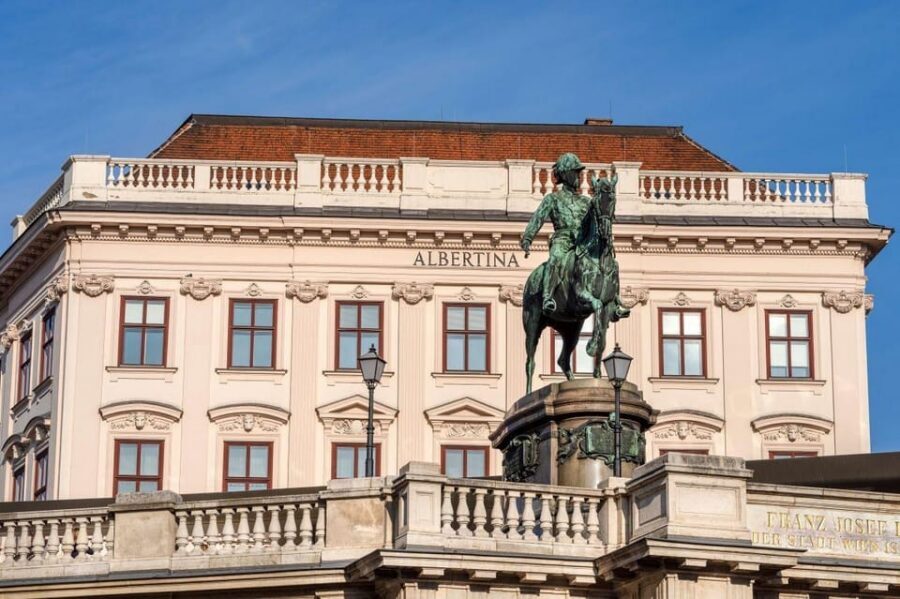
TravelMate lets you listen to the audio guide online or offline. For you, that means two good options:
- If you’re on strong data most of the day, streaming is fine.
- If you’re trying to avoid roaming headaches or spotty signal, offline mode is the safer play.
I’d treat offline as your default plan. Vienna is full of streets, corners, and small pockets where your signal can be unpredictable. Offline gives you continuity: press play, keep walking, don’t think about it.
You can read the audio text too
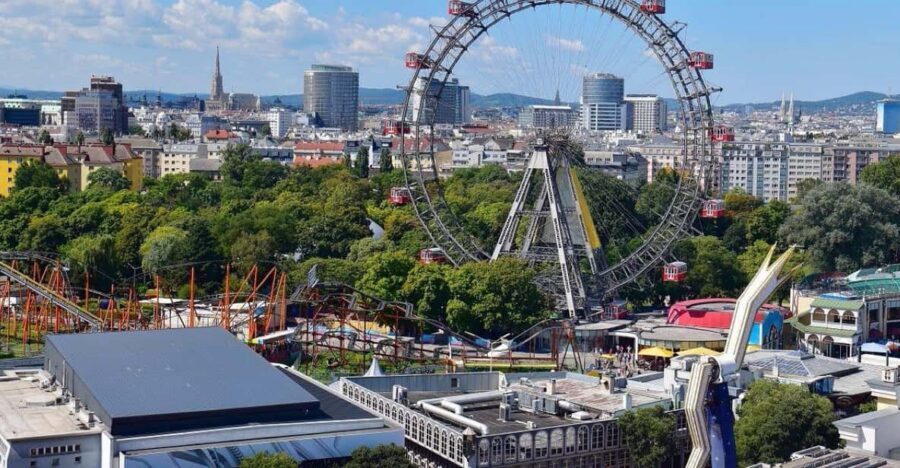
Not everyone likes listening with earphones all the time. The app lets you read the text of the audio files in addition to listening.
That’s a practical feature when:
- you want to skim quickly after hearing something,
- you prefer reading at a slower pace,
- or you’re in a moment where audio would be inconvenient.
The quiz section: learning without turning it into homework

The included quiz section is made of short questions about the city. It’s not a huge “game mode,” but it’s enough to help you lock in what you just heard.
This is especially helpful because a Vienna audioguide can otherwise blend into background noise. A quiz gives you a reason to pay attention beyond simply walking from stop to stop.
Vienna intro and local cuisine: get your bearings, then start eating (mentally)
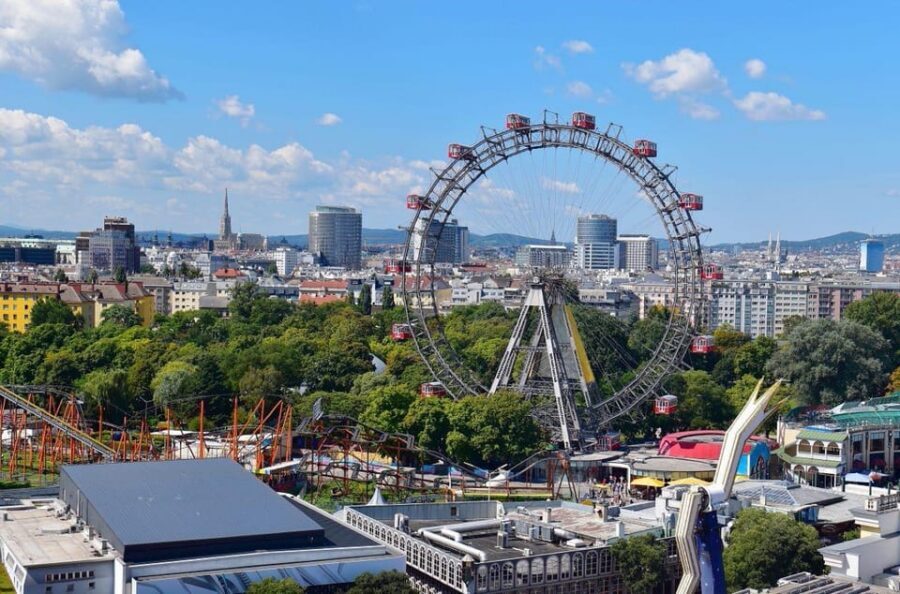
The guide begins with Vienna Introduction. This is useful because it sets expectations and helps you understand what you’re looking at as you move through the city.
Then it includes The Wonders of Local Cuisine. Even if you don’t follow a food tour route, having a cuisine section in your pocket makes restaurant choices feel more informed. You’re not just picking based on smell and menu photos—you have some context for what makes local dishes and food culture worth noticing.
A good strategy: start the introduction early in your trip, ideally on your first major walk. Then keep the cuisine track in mind when you’re hungry later.
St. Stephen’s Cathedral (Stephansdom): a landmark you’ll revisit with better eyes
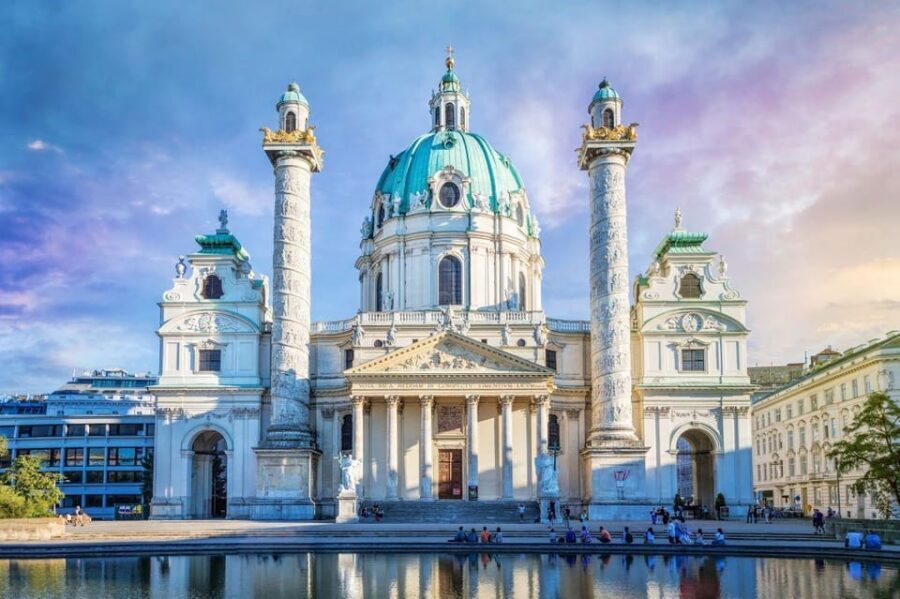
Stephansdom is one of Vienna’s core sights. In this guide, you’ll get the audio-style version of why it matters, plus points of interest and curiosities to look for while you’re there.
Here’s the practical benefit: instead of treating the cathedral as a quick photo stop, you can slow down and use the audio to structure your viewing. Even if you only catch part of the track, you’ll probably walk away noticing more than you would with a simple exterior glance.
Hofburg: when “imperial Vienna” becomes a walk you can understand

The guide includes Hofburg, which is ideal for self-guided exploring because it’s the kind of area where people can feel lost. The audio keeps you oriented: it ties the setting to history and gives you curiosity hooks you can spot as you move.
I like that this is audio you can pause and resume. Vienna sight-seeing often involves short detours: a staircase you didn’t notice, a side gate, a view you want to hold. With an audioguide you can adapt without losing the thread.
Maria-Theresien-Platz: a great “pause and look” stop
Maria-Theresien-Platz is a spot that works well with an audio track because you can stop, listen, and then look around with fresh context.
This kind of square is the perfect place to do something a lot of people skip: stand still for 3–5 minutes and really scan. The guide helps you do that by explaining what’s around you and why it’s worth your attention.
Kunsthistorisches Museum: art culture with an audio-shaped route
The guide includes Kunsthistorisches Museum. You won’t be listening to an audio version of an exhibition tour, because the listing doesn’t promise a full in-museum program—but you will get an audio guide perspective connected to the museum as a point of interest.
For you, the value is simple: it helps you connect what you see (and what you’re likely to notice inside, if you go) to the bigger story of Vienna’s cultural life.
Belvedere: palace-and-gardens awareness while you wander
The guide includes Belvedere. Even when you don’t spend hours inside, a palace setting is easier to enjoy when you understand the context behind what you’re standing in.
Audio works well here because Belvedere is the kind of place where you’ll be moving between views. Listening in short segments helps you stay connected rather than tuning out.
Vienna State Opera: an iconic stop that pays off with context
Vienna State Opera is an obvious photo and landmark. The audio content adds the “why” so it feels less like a checklist item.
If you’re planning to do just one major “big-name” stop, this kind of context helps you appreciate the building as part of Vienna’s identity—not just as a pretty facade.
Schönbrunn: the guide makes palace time less random
The guide includes Schönbrunn. This is one of those places where visitors often feel pulled in many directions. With an audioguide, you can choose to follow the audio’s lead rather than only following crowds.
The practical advantage: you can spend more time at the parts that speak to you and less time on the stuff you’d otherwise rush through.
Volksgarten: quieter walking breaks between major sights
Volksgarten is included in the audioguide. Parks and gardens are perfect for audio because you can take it slow. You don’t have the same pressure to “finish” as you might in a museum room.
I find this kind of segment helps the trip feel less frantic. Instead of going sight-to-sight without breathing, you get moments to reset with a story and then walk again.
Parliament and Rathaus: civic Vienna with an audio lens
The guide includes Parliament and Rathaus. These are powerful because they connect architecture and public life. An audio companion gives you a way to look at civic buildings without needing to already know the background.
Use this time to slow down. If you’re the type who normally reads plaques only briefly, listening to an overview can make the area feel more meaningful and easier to remember later.
Prater: when Vienna becomes fun, not just formal
The guide includes Prater. Even though the listing doesn’t promise a ride-by-ride script, having an audio section here helps balance the more formal parts of the city. You get a different tone, and that variety matters on a multi-stop day.
Secession building: a smart contrast stop
Secession building is listed as its own audio point. That’s good because it gives you a shift in style and thinking. Contrast is one of the best ways to understand a city’s evolution, and the audio structure helps you make that jump without needing to research first.
Karlskirche: a landmark that’s easier to enjoy when you’re not guessing
Karlskirche is included with its own audio content. Churches can become “just another” stop if you don’t know where to look. The audioguide structure gives you a direction for what to notice and why it’s part of Vienna’s story.
Albertina Museum: art and memory, explained at walking speed
The guide includes Albertina Museum. Even if you don’t go inside, this track can make the museum’s role feel clearer. If you do visit, you’ll likely appreciate seeing the place as more than an address on a map.
Audio here is best used as you approach and decide how long to stay. It helps you gauge what to prioritize.
MuseumsQuartier: artsy Vienna, guided by audio rather than crowds
MuseumsQuartier is also included. That’s a good choice for a self-guided experience because it’s the kind of area where people wander. Having audio content ready gives your wandering a framework.
If your day is filled with major monuments, MuseumsQuartier can be a mental reset. Use the audio to stay oriented while still letting yourself enjoy the atmosphere.
Languages: choose what lets you enjoy the day
The audio guide is available in Chinese, English, French, German, Italian, Russian, and Spanish. That’s a big deal because it means you can pick the language that lets you relax.
If you’re not fully fluent in German or English, having multiple options makes the experience feel like it was made for you rather than like you’re forcing your way through.
Who this Vienna audioguide is best for
This fits you best if you want:
- flexibility and no fixed meeting point,
- an affordable way to learn city context while you walk,
- a format you can replay across days,
- offline-friendly audio for real street exploring,
- and an app that supports both listening and reading.
It’s also a nice “starter guide.” Even if you later hire a live guide for a special walking tour, this audiobook-style overview can help you understand what you’re seeing and get more out of the guided time.
Should you book the Vienna Audioguide on TravelMate?
Book it if you want an easy, low-cost way to add structure to your Vienna days. At $7, getting 43 audio tracks (129 minutes) that you can use online or offline, with text support and a quiz, is strong value. You’ll likely appreciate it most on days where you’re mixing major sights with spontaneous detours.
Skip it if you want a tightly planned route, guaranteed group pacing, or a lot of interaction and Q&A. This is an audio tool, not a live guide replacement.
FAQ
FAQ
Is there a meeting point for this activity?
No. There is no meeting point. You start right away wherever you prefer after downloading and activating the app.
How do I get the activation code?
You can find it in the email by opening Show activity details or Show your tickets here, then viewing the barcode. The activation code is the 10-digit number just under the barcode. You can also access it in the GetYourGuide app under Show ticket in the app.
How many audio tracks are included?
The audioguide includes 43 audio content items.
How long is the total audio time?
The total audio content time is 129 minutes.
Can I listen offline?
Yes. You may listen to the audio guide online, or offline.
Does it expire quickly?
It is valid for 1035 days from the first activation.
What languages are available?
The audio guide is available in Chinese, English, French, German, Italian, Russian, and Spanish.
Can I read the audio content in the app?
Yes. You can read the text of the audio files in the app.
Is it wheelchair accessible?
Yes. The activity is listed as wheelchair accessible.
Do I need earphones?
Earphones are recommended for a better listening experience.
]]>I like the built-in flexibility: it’s a 3.5 km route (about 43 minutes of walking) with lots of room to pause for breaks and photos. One thing to consider is technical readiness—you’ll need a charged smartphone plus mobile data, and the app can be affected by VPNs or city Wi‑Fi.
Key highlights you’ll actually feel on the street

- Start 24/7 with no one meeting you, so you can fit this around your day
- GPS + audio scavenger hunt built for looking closely, not just passing by
- Pause and resume whenever you stop to eat, shop, or slow down
- Outdoor-only puzzles, so you should avoid entrance fees
- 3.5 km walking loop through classic Vienna landmarks
- Chat support 24/7 if your phone or app acts up
How the Vienna Scavenger Hunt Works (and why it feels lighter than tours)
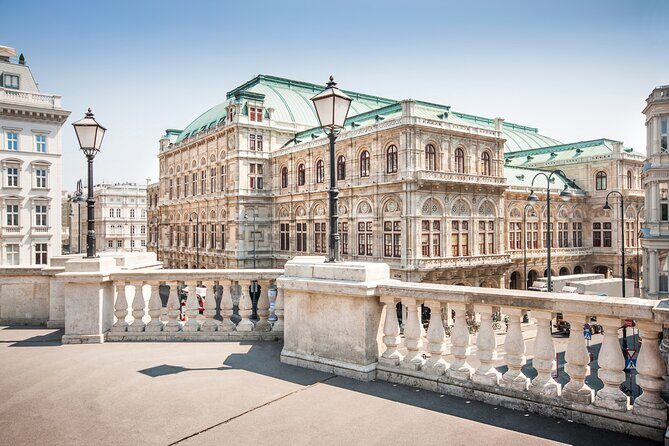
This is not a sit-and-listen tour. It’s a self-guided game you run from your phone. After you download the World City Trail app, you log in using your 10-digit booking reference. Then you select Create to start, and you’re good to go—no fixed departure time, and no guide waiting on the sidewalk.
What makes this different from a basic audio walk is the pacing. Instead of walking from one “point of interest” to the next, you’re solving riddles and following directions that lead you to the next spot. The app uses GPS navigation, plus text and audio cues at key locations (like the Vienna State Opera area), so you’re doing two jobs at once: sightseeing and problem-solving.
Two practical wins here:
- You control your speed. If a street is more interesting than expected, you can linger.
- You can stop mid-tour and come back later without losing your place.
The best part for many people is that it turns “big-name Vienna” into something you notice. You look up. You read small details. You notice how sights relate to streets and corners instead of just ticking off landmarks.
Choosing the best start: University of Vienna as your anchor point
The experience is designed to start at the University of Vienna (Universitätsring 1, 1010 Wien). It’s a very workable neighborhood base: it’s near public transportation, and it’s open for activity essentially all day (the listed hours cover 12:00 AM to 11:30 PM).
Even if you start at a different time than the ideal, don’t stress. The app is built for start anytime 24/7. Still, the route suggestion matters because it can affect how smooth your walk feels.
Also note the ending setup. The activity includes a custom finish option in the app, but the activity details say it ends back at the meeting point. Real-world takeaway: plan for your route to come back toward the University of Vienna area even if the app gives you flexibility with your finish.
The 10-stop walk: what you’ll do at each landmark
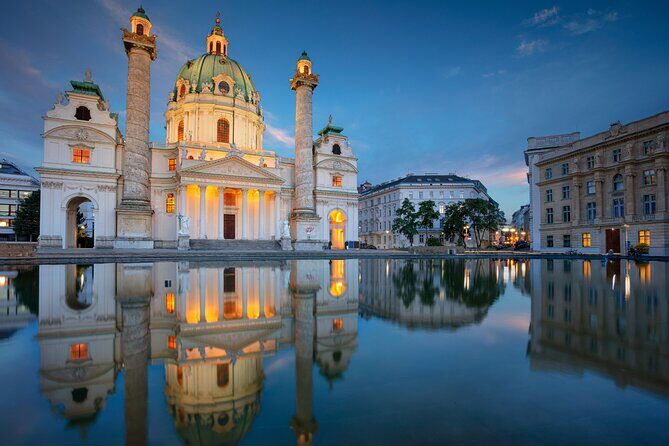
The route covers about 3.5 km of walking (roughly 43 minutes on foot) and typically takes around 2.5 hours total when you include puzzle time and breaks. Your actual timeline depends on how long you linger at each site and how often you pause.
Here’s how the day plays out stop by stop, in the order provided:
Stop 1: Old University Quarter
You kick things off in the Old University Quarter, where the atmosphere is more “city streets” than “museum visit.” This is a good warm-up zone for the hunt because you’re learning how the puzzles work while still in a walkable area.
Stop 2: Johann Strauss Monument
From here, you jump to a landmark tied to Johann Strauss. In practice, the hunt format means you won’t just glance at a statue—you’ll use it as a puzzle checkpoint, then follow the app to the next location.
Stop 3: Ankeruhr Clock
The Ankeruhr Clock area is a visual-feast kind of stop. For the hunt, expect to use observation (details around you) and the app’s cues to move forward. This is one of those places where you can easily spend extra time if you enjoy looking closely.
Stop 4: Peterskirche
Peterskirche is another “slow down” moment. Since the puzzles relate to outdoor areas of attractions, you’ll be focused on what you can see from the street, not on entering the building.
Stop 5: The Hofburg
The Hofburg stop is where the walk starts to feel like classic Vienna—big presence, lots of sightlines, and good navigation moments for GPS. It’s also a good point to mentally shift from hunt mode to sightseeing mode, because the Hofburg area tends to invite lingering.
Stop 6: Naturhistorisches Museum Wien
This stop keeps you moving through Vienna’s cultural corridor. The hunt format helps you pay attention to what’s around you, even if you’ve seen museum exteriors in other cities before.
Stop 7: Albertina
Albertina fits naturally into the route because it’s well known on the Vienna map. Again, the hunt stays outside: your goal is to solve, move, and connect the next direction dots with what you’re seeing nearby.
Stop 8: St. Stephen’s Cathedral
This is the “big one.” St. Stephen’s Cathedral is a magnet for good reasons, and here it becomes a checkpoint for your puzzle-solving. It’s also a place where you might want to pause longer—just remember you don’t have a strict time limit, so you can take your time without feeling like you’re late.
Stop 9: Vienna State Opera
The Vienna State Opera stop is one of the better places to use headphones if you can. The tour includes legends/history content via text or audio at stops like this, so it’s a strong moment to slow down and let the audio layer add context.
Stop 10: Johann Strauss Monument (again)
You loop back to Johann Strauss Monument at the end. That return can actually help you feel like the walk is a circuit, not a random point-to-point trek. If you take notes, you’ll also likely notice how the streets and sightlines shifted on the way back.
One nice detail from the experience design: you don’t need to be locked into solving everything perfectly. If you only finish some clues because your day interrupts you, you’re still walking a high-value Vienna route.
Audio, riddles, and GPS: the “self-guided” part that actually works
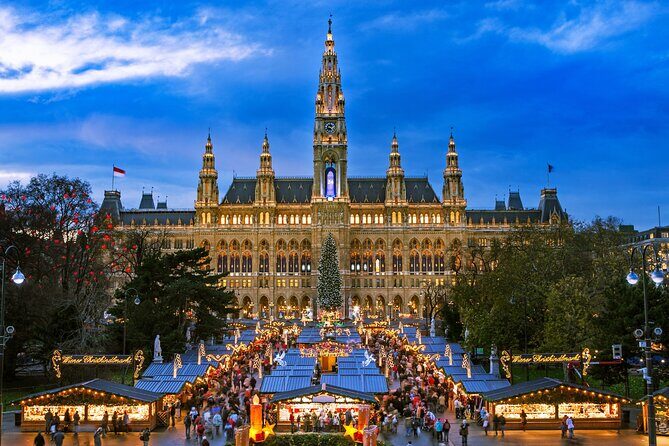
The app combines three elements:
- Audio guide and navigation (through the app)
- Riddles that use imagination and observation
- Stories and tips presented as text or audio at certain stops
You’re not relying on your own guessing skills for navigation. GPS is doing the steering, and the clues are giving you the next destination. This is important because Vienna is not a tiny village; a normal “wander around” day can turn into backtracking.
What I like about this setup: it keeps the hunt from becoming random walking. Even if you decide to slow down for a break, you can resume exactly where you left off.
Language coverage is solid too: the experience is available in EN, DE, FR, NL, IT, ES. If you’re not comfortable in English, you have options.
Price and value: $9.61 for a full 1-year access window
At $9.61 per person, this is priced like an activity, not a full private guide. The value angle comes from the combination of:
- A self-guided format (no guide cost baked in)
- A multi-stop walk through major sights
- Audio + navigation via the app
- Insider tips for local restaurants and shops
Also, this tour is designed as outdoor-only. The puzzles relate to outdoor areas of the attractions, and you won’t need to pay extra entrance fees for the activity. That matters in Vienna, where costs can add up quickly if you decide to add on lots of paid entries.
There’s also a practical value booster: you get access that lasts for a full year, and you don’t have to finish in one single day. That’s great if you want a flexible backup plan for a busy itinerary.
One fair caution: a lower price doesn’t always remove frustration. If you’re expecting an in-person guiding experience with lots of deep explanation, you might find the app-based text and audio format a bit lighter than you hoped—some people even felt the written parts could be longer. Still, for the cost, it’s a fun way to get your bearings fast.
Practicalities that decide whether you have a good day
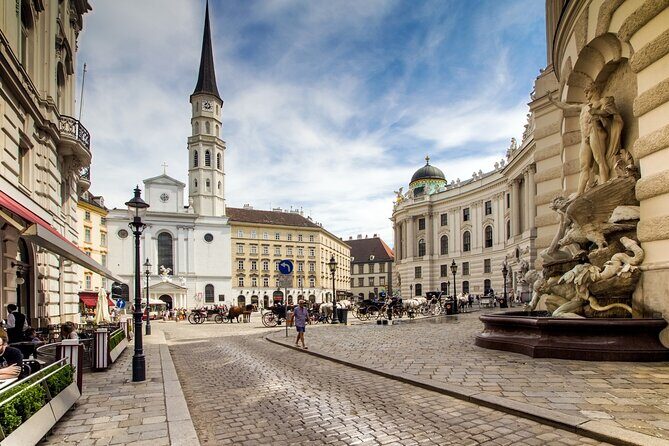
This experience is simple in concept, but your phone setup can make or break it.
What you must have
- A fully charged smartphone
- Active mobile data (internet required)
- Headphones are optional, but fine if you prefer private audio
What to avoid
- Disable any VPN
- Avoid city Wi‑Fi, since it may cause the app to disconnect or malfunction
If you’re the type who hates tech fiddling on vacation, I’d still encourage you—but treat this like part of your day plan. Before you start walking, do a quick check: app open, login successful, and audio working.
Support when things go wrong
There is 24/7 live support via chat at worldcitytrail.com/chat, and there’s no phone support. That matters because your first instinct might be to call a number. Instead, keep the chat option handy.
A downside shows up in at least one real-world account: someone had trouble logging in and bounced between messages without a quick fix. The lesson for you: if login fails, don’t waste hours guessing. Use the app’s support chat right away and keep your confirmation details accessible.
Gear and comfort
Wear weather-appropriate clothes and comfortable shoes. Expect normal walking. This is not a ride, and the success of the hunt depends on being willing to walk.
Animals and transport
Service animals are allowed, and the start area is near public transportation. That’s helpful if you’re mixing this with other Vienna stops.
What I think makes this a great fit (and who might not love it)
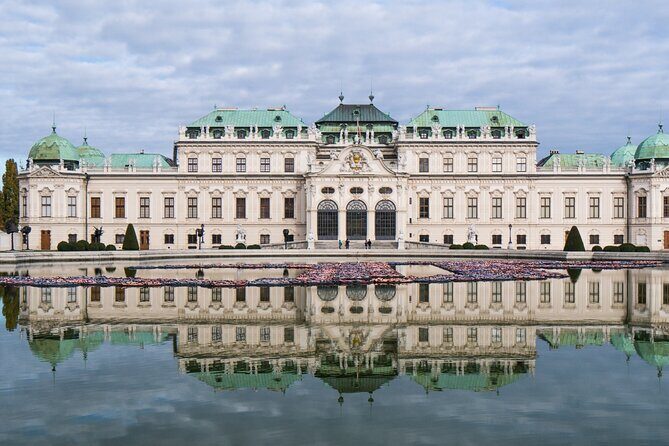
This hunt works best if you like:
- walking at a comfortable pace
- a light challenge (riddles, observation)
- choosing when to pause for breaks
- learning in smaller bursts instead of a full lecture
It’s especially good when you want an easy intro day. One of the strongest impressions from the experience is that it’s a fun, casual way to get acquainted with Vienna’s most famous outdoor landmarks.
You might want to skip (or at least approach with realistic expectations) if:
- you strongly prefer a human guide with long explanations
- you hate app-based navigation and audio
- you’re traveling with unreliable mobile coverage
- you expect the puzzles to involve paid museum interiors (they don’t)
Also, if you’re a detail person, bring a pen and paper. Some people found it makes the scavenger element easier, especially when clues ask you to notice specifics and you want to jot them down.
Your “do this day” strategy: how to make it enjoyable

If you want this to feel like fun, not homework, here’s a strategy that fits the structure of the tour.
- Start when you’re least rushed. The tour runs 24/7, so pick a time you’re not sprinting to your next reservation.
- Give yourself buffer time at St. Stephen’s Cathedral and the Vienna State Opera area. Those are likely to pull you in.
- Plan to stop for food or a coffee mid-route. The format lets you pause and resume, so you won’t feel like you’re ruining a schedule.
One more thing: the activity includes hand-picked restaurant and shop tips inside the app. Don’t treat them like marketing. Use them as prompts for where you might eat nearby so your walk stays convenient.
Should you book the Vienna Scavenger Hunt?
Book it if you want an inexpensive, flexible way to see major Vienna sights while turning the day into a game. At $9.61, the value comes from the multi-stop route, the audio + GPS, and the fact that you’re not paying entrance fees for the activity.
I would hesitate if you’re traveling with low confidence in your phone setup or you know mobile data is unreliable. The app works best with a charged phone, mobile internet, and no VPN. If that’s you, bring your patience and be ready to use the chat support quickly.
If you’re looking for a human guided deep-dive, choose a guided tour instead. But if you want a light, entertaining way to get your bearings and learn as you go, this is a strong pick.
FAQ
Do I need to join a group or meet someone in person?
No. This is 100% self-guided. No one is waiting for you at the start, and you can begin anytime.
How long does the Vienna scavenger hunt take?
The walking portion is about 3.5 km (around 43 minutes), and the whole activity usually takes about 2.5 hours depending on your pace and breaks.
Where do I start, and do I return to the same area?
You start at the University of Vienna (Universitätsring 1, 1010 Wien). The experience ends back at the meeting point, though the app offers a custom finish choice.
What do I need on my phone to use the tour?
You need a fully charged smartphone and an active mobile data connection. You should also disable any VPN and avoid city Wi‑Fi because it can cause the app to disconnect.
Are entrance fees required for the attractions on this route?
No. The puzzles are tied to outdoor areas, and you do not need to enter the attractions or pay extra entrance fees for the activity.
Is there an audio guide, and how does it work?
Yes. The app includes an audio guide and GPS navigation. You can listen through your phone’s speaker or use headphones.
What if the weather is bad or I get sick?
If bad weather or illness prevents you from going, you can do the tour another day. You can also contact support to change to a different city.
]]>Two things I really like: first, the route is clearly mapped and designed to hit 14 attractions in about 2 to 3 hours (around 3 km). Second, the booklet doesn’t just name places. It gives short descriptions, addresses, opening times, and ticket info, plus recommendations for what to order at popular coffee stops.
One drawback to consider: this is mostly reading-first, not audio-first. If you prefer listening while you walk, you may find yourself stopping often—especially in a tight old-city flow where you’d rather keep moving.
Key things you’ll notice on this walk

- A 3 km, 2–3 hour Old Town circuit designed around 14 specific sights
- Start at St. Stephen’s Square and finish at St. Stephen’s Cathedral
- One downloadable booklet with short history, practical addresses, opening times, and ticket guidance
- Optional entry everywhere (tickets aren’t included, and you choose what to go inside)
- Coffee stop recommendations to help you order without overthinking it
- Wheelchair accessible, with the route planned for walking through the center
A self-guided Old Town that keeps you oriented
The biggest win here is simple: you’re not left to wander with a vague plan. The booklet comes with a simple map and a route clearly marked, and it’s built to take you from St. Stephen’s Square to St. Stephen’s Cathedral. That matters in Vienna’s center, where streets can look similar and your feet can easily outpace your sense of direction.
What you get feels like a walking “cheat sheet,” but not in a lazy way. The booklet includes a short history of Vienna’s Old Town and brief notes for each attraction—so when you reach a landmark, you know what you’re looking at and why it’s there.
You’ll also have flexibility. The tour is self-guided, so you can pause longer at a church façade, speed through a museum exterior, or stop for coffee when the moment hits.
Price and value: why $11 makes sense for a planning tool

At $11 per group (up to 25 people), you’re not paying for a live guide’s time. You’re buying a time-saver: a route, a set of 14 stop explanations, and the practical details that help you avoid wasting half a day on logistics.
Think of it like this: in Vienna, the cost of getting “ready to go” can add up—maps, guesswork, and last-minute searching for opening hours. This booklet is designed to be that planning backbone for a 3 km walk. And if you do want to add guided time later, there’s a 10% discount code in the booklet for Rosotravel guided tours.
So the value isn’t just the sights. It’s the reduction in decision fatigue. You spend your brain power on what you want to see inside (if anything), and on what you want to order at coffee stops.
Getting the booklet fast: how the PDF works in real life
After you book, you receive a direct link to a Google Drive folder containing your booklet as a PDF. The access is unlimited, and you can download it anytime on any device. This is handy because you can keep your phone charged, switch devices if needed, or print key pages if that’s your style.
The booklet also comes in 15 languages, including English, German, Spanish, French, Dutch, Polish, Italian, Portuguese, Norwegian, Swedish, Russian, Hindi, Japanese, and Standard and Simplified Chinese. That’s a strong plus if you’re traveling with someone who doesn’t want to rely on translations or apps mid-walk.
One practical note: because it’s self-guided, you’ll be using the map and text while moving around. That’s great for independence. It also explains why some people may find it annoying to stop and read—especially if you’re used to audio tours.
Stop-by-stop: from St. Stephen’s Square to the Cathedral

This route is built around a classic Vienna spine. You start at St. Stephen’s Square, then continue through the Old Town with 14 listed attractions, ending at St. Stephen’s Cathedral. Total walking distance is about 3 km, and the time is set for 2–3 hours depending on how long you pause.
Below is how each stop functions on the walk, and what it means for your choices.
1) St. Stephen’s Square: your orientation point
You begin at St. Stephen’s Square, which is a smart choice. It gives you a recognizable starting landmark so you can quickly confirm you’re on the right track.
From here, the booklet helps you move into the Old Town flow. You’ll be able to use the map immediately, instead of spending your first 10 minutes getting “un-lost.”
2) Mozart’s Former Residence: a name that acts like a compass
Next is Mozart’s Former Residence. Even if you don’t go inside, having this stop in the route helps you connect Vienna’s famous figures to the streets you’re walking.
Because entries aren’t included, your main job here is deciding if you want to take a ticket and step in. The booklet provides ticket information to help you plan.
3) Haas House: architecture you can notice without buying a ticket
Haas House shows up early as a contrast point—architecture you can view from the outside as you keep walking. This is the kind of stop that works well if you like to look, not just read.
You can treat it like a breather: quick photos, then back on route.
4) Karntner Street: the shopping-and-stroll corridor
Then you hit Karntner Street. Streets like this are about rhythm. You’ll use the map to stay on track, and the booklet’s short descriptions to avoid feeling like you’re just passing shops.
If you want to break the walk into chunks, this corridor is a good place to do it—because it’s walkable and easy to pause.
5) Sacher Café: a coffee stop with built-in guidance
Sacher Café is one of the two famous coffee stops on the list. The standout part for me is that the booklet includes recommendations on what to order at popular coffee shops.
That’s more useful than it sounds. Vienna café menus can be intimidating when you’re tired and walking. Having a suggestion ready means you can order confidently and get back to your route without a long debate with yourself.
6) Albertina Museum: decide if you want inside-time
Next is Albertina Museum. This is one of those “your call” stops, since entry isn’t included in the tour. The booklet’s ticket and opening time info helps you decide whether the museum fits your day.
If you’re doing the full walk without additional ticketed visits, you can still enjoy the stop as a notable cultural landmark and keep your energy for later sights.
7) Imperial Crypt: a serious pause point
Imperial Crypt is included because it’s a historically important site name in the center. Like the museum, it’s not automatically included—you choose whether you want to go inside.
In terms of pacing, it’s a good checkpoint. If you’ve been moving steadily, this can be the moment to slow down and decide how much indoor time you want.
8) Spanish Riding School: famous even from outside
Spanish Riding School comes up next. Even if you don’t plan any timed show or ticketed visit (not included), the name gives the stop instant identity.
Use the booklet here to help you understand what you’re looking at and why it’s part of the Old Town story.
9) Saint Michael Square: a calm pocket within the walk
Saint Michael Square helps break the route up. Squares in the center act like natural regroup points: you check the map, adjust your timing, and reset before the more “imperial” names come in.
This stop is also useful if you’re traveling with someone who wants a quick sit-down moment before continuing.
10) Hofburg Imperial Palace: big-site energy on foot
Then you reach Hofburg Imperial Palace. This is one of the larger-scope attractions on your list. Because the tour doesn’t include entries, you’ll need to decide how much time you want to spend at this stop versus keeping the walk smooth.
Either way, the booklet’s addresses and opening times help you plan—especially if you’re trying to avoid arriving when something is closed.
11) Demel: second coffee choice, same planning support
Demel is your other major coffee and pastry stop on the route. Again, the booklet includes advice on what to order, which helps you make a quick, satisfying choice without turning your afternoon into a menu study session.
If you did Sacher Café earlier, Demel is a nice way to compare vibes: two iconic places, one walk, and you get to decide what you loved most.
12) St. Peter’s Church: the “admire it” stop
St. Peter’s Church is called out for admiration, and that’s a good way to think about it on a walking tour. Even without an interior visit, churches like this can be worthwhile as you pass—because your angle and the streets around them shape what you notice.
If you do go inside, the booklet will help with planning basics like opening times and ticket info. If you don’t, you still get the architectural payoff.
13) Graben Street: your final stretch through the center
Graben Street is where the walk starts to feel like momentum. This is a good time to keep your eyes up and your pace steady, because it’s easy to drift into sightseeing mode and accidentally run out of time.
Use the map to confirm you’re nearing the final segment.
14) St. Stephen’s Cathedral: the walk’s finish line
Finally, you end at St. Stephen’s Cathedral. Finishing here is satisfying because it’s a clear destination, not just another stop.
This is also the best moment to decide if you want to spend extra time lingering, or if you’d rather stay on the “walk-only” plan. Since entry is optional and not included, your time control is in your hands.
When tickets make sense (and when they don’t)

Because this experience does not include tickets or entry, you’re choosing your own depth. That can be a benefit. Some days you want a museum. Other days you just want to walk and look.
Here’s how to think about the ticketed-style stops on this route:
- Museums and palace/crypt sites (like Albertina Museum, Imperial Crypt, and Hofburg Imperial Palace) are best if you want structured indoor time.
- Cultural institutions (like Spanish Riding School) can be worth extra time if your interests align, but the tour won’t automatically take you inside.
- Churches like St. Peter’s Church and St. Stephen’s Cathedral can work both ways: outside viewing fits well if you want to keep moving, and interior visits can be added if you plan for opening times and tickets.
The key advantage is that the booklet includes practical planning details for each listed attraction. So you can decide on the fly without losing your bearings.
Coffee stops: how to use the recommendations without turning it into homework
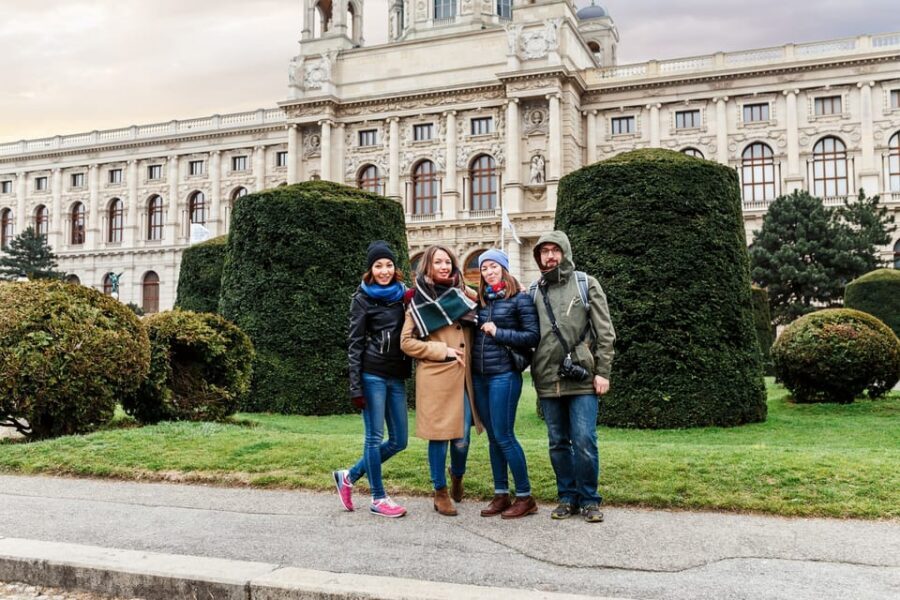
Sacher Café and Demel are placed on the route on purpose. On a walk around 3 km, coffee breaks are not just comfort. They’re also timing tools.
The booklet includes recommendations on what to order, which helps you avoid the trap of standing there deciding while the clock quietly eats your afternoon. You can pick, taste, pay, and get back to the route with minimal fuss.
If you’re traveling with someone who doesn’t want a long sit-down, you can keep the break short and treat it like a refresh checkpoint.
Pacing a 2–3 hour Old Town walk without rushing
The tour is designed for about 2–3 hours. That’s enough time to enjoy the architecture, take photos, and still have energy for a second activity.
A simple strategy that works well with this kind of self-guided route:
- Move steadily between stops where you mostly admire (street and architectural names).
- Slow down at the bigger decision points where you might add tickets.
- Use the coffee stops as natural mid-walk breaks.
Also, because you start from your accommodation and need to reach the first stop yourself, plan a little buffer at the beginning so the route doesn’t feel like a scramble.
Who this walk is best for (and who may want more structure)
This experience fits best if you like control. You decide how long you stay at St. Peter’s Church, whether you add indoor time at Albertina Museum, and how you pace St. Stephen’s Cathedral at the end.
It also works well if you’re comfortable reading on a phone or carrying a device with the PDF. The booklet is downloadable and available in many languages, which makes it easy to share.
If you hate stopping to read while walking, keep in mind it’s text-based. One review-style concern you might relate to is that it would be easier with a way to listen instead of reading constantly. And since there’s no live guide, you won’t get on-the-spot explanations.
Wheelchair accessibility is listed, which is a plus for planning. Still, since you’ll be walking through Old Town streets, you’ll want to keep your own mobility needs in mind and move at a comfortable pace.
Should you book this Vienna Old Town self-guided booklet tour?

I’d book it if you want a well-marked Old Town walking route with practical planning built in—14 attractions, clear start and finish points, and a downloadable booklet you can use anytime. It’s especially good value because it helps you organize your day without paying for guided entry or tickets you may not even want.
I’d think twice if you prefer listening tours, because you’ll likely be reading while moving. Also, if you want a guided explanation at every step with no decisions on tickets, you’ll probably feel better with a live guided option.
If you’re the kind of traveler who likes to walk, pause, and choose your own depth, this is a solid way to get oriented fast in Vienna’s center—and keep the rest of your day for whatever you discover next.
FAQ
How long is the Vienna Old Town and Attractions self-guided tour?
It takes approximately 2–3 hours, with the experience listed as a 3-hour duration.
How far will I walk?
The tour covers about 3 km.
Where does the tour start and where does it end?
It starts at St. Stephen’s Square and ends at St. Stephen’s Cathedral.
What attractions are included in the route?
The booklet covers 14 attractions: St Stephen’s Square, Mozart’s Former Residence, Haas House, Karntner Street, Sacher Cafe, Albertina Museum, Imperial Crypt, Spanish Riding School, Saint Michael Square, Hofburg Imperial Palace, Demel, St Peter’s Church, Graben Street, and St Stephen’s Cathedral.
Are attraction tickets included?
No. Entrance tickets are not included, and visiting inside any attraction depends on your own choices.
Is there a live guide?
No live guide is included. You’ll explore using the self-guided booklet and marked route.
How do I receive the booklet after booking?
After purchase, you get a direct link to a Google Drive folder with the booklet as a PDF. Access is unlimited, and you can download it on any device.
What languages are available for the booklet?
The booklet is available in 15 languages: English, German, Spanish, French, Dutch, Polish, Italian, Portuguese, Norwegian, Swedish, Russian, Hindi, Japanese, Standard Chinese, and Simplified Chinese.
What does cancellation or flexible payment look like?
It offers free cancellation up to 24 hours in advance for a full refund, and it also lists a reserve now & pay later option (you pay nothing today).
]]>My second favorite part is how it nudges you into areas many first-timers skip, using problem-solving instead of a checklist. One drawback to plan for: the route can keep you in busy central areas, and bright sun can make phone reading harder if you’re there during peak hours.
Key things to know before you play
- Start on your schedule: you can begin at any hour and take breaks, then resume later
- Offline gameplay: you don’t need internet once the game is ready on your phone
- Private, no-contact experience: only your group plays, with no human interaction
- Puzzle-based walking: you move clue to clue to reach each next stop
- A real museum finish: the journey ends at the Sigmund Freud Museum
- A Sisi Museum checkpoint: one stop includes Sisi Museum, but the admission ticket isn’t included
A self-guided Vienna puzzle game that fits your day
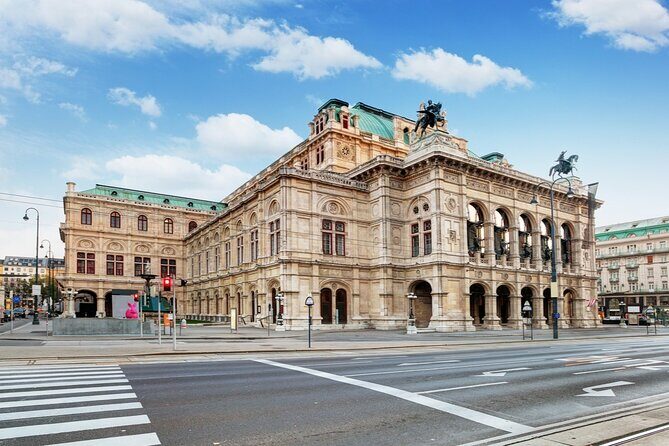
This is not a typical guided tour with a script and a crowd. It’s an exploration game that asks you to follow hints, solve puzzles, and then get directions to your next location. You’re using your phone as the brains of the operation, which is a surprisingly good match for Vienna. Old streets, street signs, façades—everything rewards slow looking.
You also get flexibility that you usually don’t with fixed tours. You can start whenever your day allows, pause when you want, and jump back in later. That matters if you’re juggling museum hours, meals, or a kid who suddenly needs a break.
The theme—Freud, Mozart & Beethoven—is carried through the story and the site stops. You’re not just walking. You’re piecing together ideas from place to place, which makes the city feel like it has a thread.
Price and what you really get for $7.21
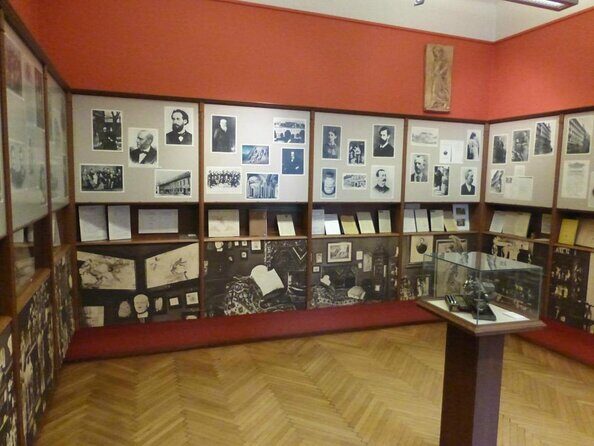
At $7.21 per person, this is a low-cost way to add structure to a sightseeing day. You’re basically paying for a phone-based “route plus story” that you control. If you’ve ever spent more than that on one coffee line snack while doing nothing else, you’ll see why this price point works.
Also, the setup is designed for minimal friction. You get a mobile ticket, and the game is built so you can play offline after download. For a short outing of about 1 to 2 hours, that’s solid value—especially if you’re traveling with family or you want something that doesn’t require another person’s schedule.
One thing to note: the Sisi Museum admission ticket is not included. So think of your payment as covering the game experience, not the museum entries.
From St. Stephen’s Cathedral to your next clue
You start at St. Stephen’s Cathedral (Stephansplatz 3, 1010 Wien). It’s a smart starting point because it’s central, easy to find, and visually loud in the best way. Even if you’ve already seen the cathedral exterior, starting the game here gives you a clear “begin now” landmark.
From that first point, you don’t get a long briefing or a lecture. You get sent to a next stop via clue and puzzle. Each checkpoint works like a mini “choose-your-own-adventure,” where solving the current step tells you where to go next.
Because you’re not tied to a group walking pace, you can also do quick detours for photos or to confirm street names. It’s still a game, but it behaves more like a self-paced city walk than a rigid route.
How the puzzle checkpoints work in real life
The itinerary is built from multiple stops that follow the same pattern: follow a clue, solve a puzzle, then receive instructions for the next location. At each stop, you also learn about the place you’ve arrived at. That “puzzle first, facts second” rhythm is key. It keeps you active instead of just reading.
What I’d watch for is how long you end up spending on each puzzle. If a step is unclear, you might lose time in the street instead of enjoying the scenery. The game is meant to keep you moving, but if you’re expecting a laid-back stroll the whole way, you should treat this more like “walk and think” than “walk and drift.”
The best time to play is when your phone is easiest to use. If the sun is harsh, take a moment to adjust brightness and angle your screen. Vienna can throw glare off glass storefronts and pale stone, and it can make clue-reading slower.
Sisi Museum stop: a worthwhile detour if you time it well

One confirmed museum stop is the Sisi Museum, and it runs about 10 minutes in the flow of the game. The important practical detail: the admission ticket isn’t included, so you’ll want to decide whether you’ll pay for entry once you reach it.
This stop is a nice contrast in tone. The Freud-and-composers theme is intellectual and psychological. Sisi’s world is more courtly and visual, which can make the game feel varied instead of repetitive. If you like museum rooms with display-heavy storytelling, this is likely to be a good pause.
Drawback: if you don’t plan museum entry time well, the museum stop can slow your timeline. This isn’t a long tour, so budgeting your time matters.
Ending at the Sigmund Freud Museum
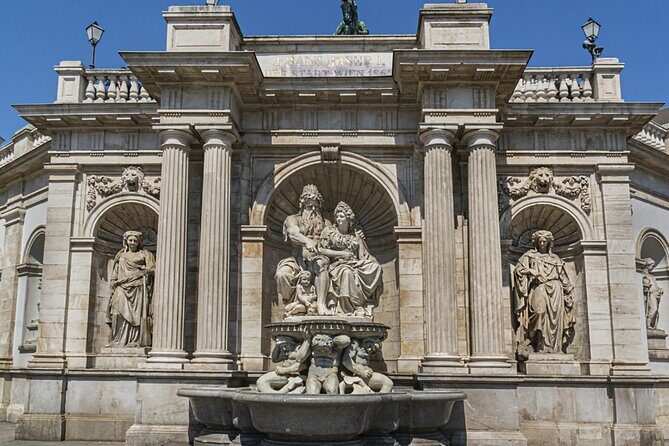
Your final stop is the Sigmund Freud Museum at Berggasse 19, 1090 Wien. That ending point gives the game a satisfying payoff. You finish in the exact place where Freud’s ideas are centered, not just somewhere “nearby.”
It’s also a strong way to connect theme to location. When you reach the museum, the earlier clues start to feel like preparation. Even if you only do a quick look inside (depending on what you choose to view), you’ll likely feel like the game has pointed you in the right direction.
The tour’s end location is also useful for planning your next move. Berggasse sits in a neighborhood that’s easy to extend from—coffee, snacks, and transit are typically straightforward in that part of Vienna.
Why this no-guide format can be a real advantage
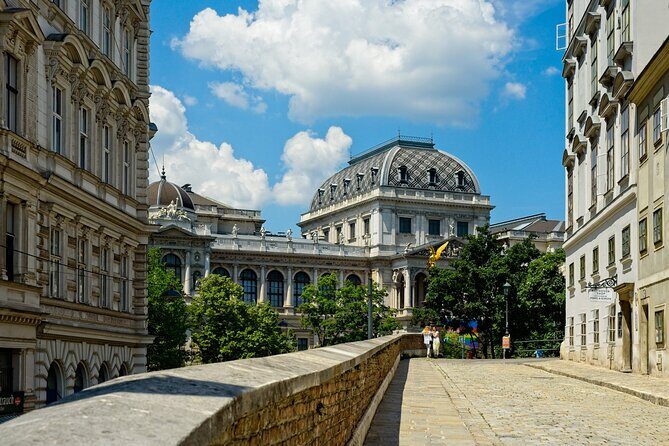
This is private, meaning only your group plays. There’s no physical tour guide, and you avoid human contact. In crowded cities, that’s not just convenient—it can protect your attention span. You don’t have to hear over other people or wait for stragglers to catch up.
For solo travelers, it can feel like a guided experience without the awkwardness of speaking to strangers. For families, it can turn walking into a game kids actually want to do. One of the common wins here is puzzle difficulty that often works for a wide range of ages.
The trade-off is you’re responsible for pacing. If you hit a confusing clue, you have to figure it out. There’s no person standing beside you to say, Look this way.
Practical tips: downloads, sun glare, and walking comfort
The game is designed to work offline, but you still need to download it first. If you’re already out and about, make sure you have Wi‑Fi access for that initial setup. The most frustrating situation is starting, getting stuck at download time, and wasting your prime walking window.
Next, protect your phone readability. In a sunny city center, glare can make clues hard to read. I recommend lowering the reflection by changing your screen angle and using a brightness setting that lets you see without burning battery.
Bring comfortable shoes. Even at 1–2 hours, you’re doing a walk between multiple locations. The route can include busy pedestrian zones, so plan for that with patience and water.
If you’re traveling with a service animal, it’s allowed. And the start area is near public transportation, which helps if you want to arrive early, play a bit, then go straight to another stop.
Who should book this Vienna exploration game
You’ll probably love this if you want a structured way to see Vienna without committing to a fixed guided schedule. It’s especially good when you like puzzles, enjoy reading your phone on the go, and want the day to feel “yours.”
It’s also a smart pick for families who want to keep kids engaged while still getting cultural stops. Many people like that the game keeps moving and doesn’t drag like some audio tours.
However, consider your group’s preferences. The story tone can include surprises, and one family shared that the ending felt too intense for kids in their group. If you’re traveling with younger children, you may want to think about whether a dramatic storyline will be a good fit for your family.
Also, if you dislike crowds or hate phone-based reading, choose timing carefully. This can put you in central areas where foot traffic is heavy.
Should you book this Vienna: Freud, Mozart & Beethoven Exploration Game?
I think this is a good booking when you want value, flexibility, and a playful way to reach places like St. Stephen’s Cathedral and the Sigmund Freud Museum. For $7.21, the offline, no-guide format is a strong deal, as long as you’re okay with puzzle-solving and walking.
I would book it if you plan to download the game ahead of time and you’re willing to slow down just enough to read clues. If you’re very crowd-averse or you don’t want phone glare or mystery-solving, you might have a tougher time. But for many visitors, it turns a standard sightseeing day into something more memorable and personally paced.
FAQ
How long does the Vienna puzzle game take?
The game is listed as about 1 to 2 hours.
Can I play offline?
Yes. You can play offline and you don’t need an internet connection to play the city game.
What language is it offered in?
It’s offered in English.
Where do I start and where does it end?
You start at St. Stephen’s Cathedral (Stephansplatz 3, 1010 Wien) and end at the Sigmund Freud Museum (Berggasse 19, 1090 Wien).
What’s included and what’s not included?
The included items are the game/ticket experience features, while Sisi Museum admission ticket is not included.
Is this a guided tour with a person?
No. It’s private and there is no physical tour guide. Only your group participates.
Can I start at any time and take breaks?
Yes. You get full flexibility to start at any hour, take a break, and resume later.
Is there free cancellation?
Yes. You can cancel for a full refund up to 24 hours in advance. After that window, the amount paid isn’t refunded.
]]>You start at Oper, Karlsplatz and finish right by Saint Stephen’s Cathedral. The route is about 1 km and takes around an hour without long stops, and you can pause any time for photos or a quick Würstelstand snack. Best of all, you’re not buying a ticket for this experience itself, and you get lifetime access to the audio for repeat visits.
Key highlights you’ll actually feel on the walk

- Offline maps, geodata, and audio mean you can keep moving through Vienna without relying on mobile data
- A tight ~1 km route from the Opera area to Stephansdom makes this a great fit even on a packed day
- Stories with atmosphere using sound effects and music help the city feel like it has a pulse
- Capuchin Church stop with Hapsburg hearts brings a darker, human side to imperial history
- A practical, self-paced structure lets you pause for photos, snacks, or just slowing down
- Free admission ticket included for the experience (but it’s still an audio walk, not a guided entry tour)
Opera to Stephansdom in 1 km: the big idea
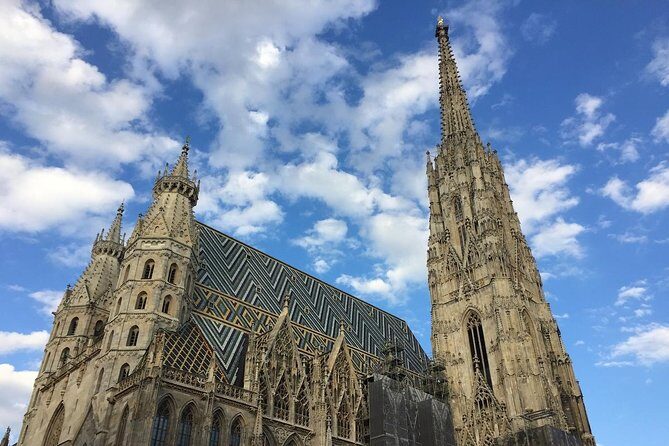
This is built for people who want a useful walk through central Vienna without signing up for a traditional guided tour. The concept is simple: you follow the audio and go stop to stop across the historic center, with the whole experience taking about an hour on foot. It’s short enough that you won’t feel trapped by timing, but it’s long enough to connect several landmarks into one satisfying loop.
The walking distance is listed as about 1 km, and that matches the feel of a “core sights” stroll. Most people won’t just keep marching straight through; it’s easy to slow down for pictures and the kind of quick Vienna street-food break you can grab without derailing the plan.
Price and value: what $11.99 buys you (and what it doesn’t)
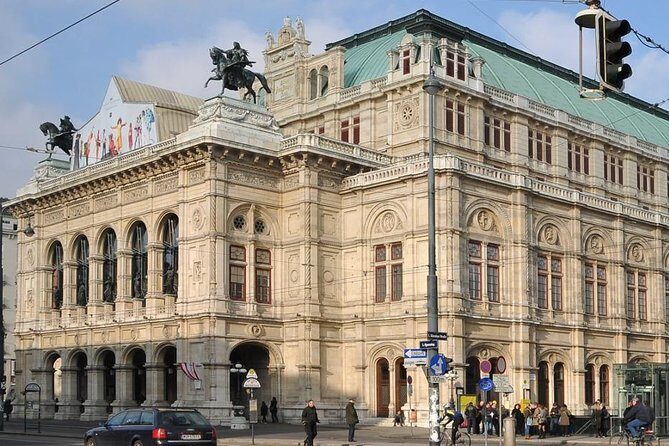
At $11.99 per person, the value comes from two things: lifetime access and low-stress logistics. You’re paying for a self-guided route with professional narration plus the VoiceMap app access, and you can replay the audio later without paying again.
The tour also includes an admission ticket free note, which is helpful for budget planning. Still, it’s smart to understand the fine print of expectations: this tour is an audio walk past sights, and it does not automatically include entry into places like the inside of the opera. If you want to go in somewhere, you’d handle any admission yourself as a personal expense.
So the real question is whether you want help turning Vienna landmarks into a story you can follow. If yes, $11.99 feels reasonable. If you prefer wandering with no phone at all, you might decide to spend that money on a café stop instead.
Getting started at Oper, Karlsplatz: using the VoiceMap app offline
The route begins at Oper, Karlsplatz 1010 Vienna, Austria, and the experience ends at Dom zu St. Stephan, 1010 Wien—right at the Stephansdom area. Because it’s self-guided, you’re not waiting on anyone to start you off; the app handles the pacing.
A key practical win is that the tour works offline. You can download first, then put your phone in your pocket and follow along as you walk. The audio can be listened to anytime later too, which makes this useful even if you don’t finish the whole route in one go.
If you’re the type who likes to check the plan before you leave, you can preview the exact route in the app or view it after downloading. That matters because Vienna street corners can look similar when you’re tired, and having a visual sense of the route reduces friction.
Stop 1: Vienna State Opera House and the pride of the city
Your first anchor point is the Vienna State Opera House area. The narration frames the opera as a source of pride for Viennese people, and it sets a confident, music-forward tone for the walk.
This is the part where the tour helps you get oriented. Even if you already know the opera from photos or classical music, having a spoken guide give you a starting story makes it easier to connect the next stops, because you’re not just looking at buildings—you’re tracking why people care about them.
One consideration: the tour is not positioned as an inside-visit to the opera. You should think of it as a walk that talks about major sites as you pass them, not a replacement for buying an opera-house tour ticket if you specifically want to see interior spaces.
Albertina Art Museum: seeing a landmark with meaning, not just location
After the opera area, the route includes a stop by the Albertina Art Museum. Even though the tour stays walk-focused, hearing commentary as you’re near it can help you spot what makes the building and its surroundings significant within the city center.
This is the kind of stop that works best when you’re ready to do “light attention.” You don’t need to be planning an entire museum day to enjoy it. The audio approach is designed for that middle ground: enough context to appreciate what you’re seeing, without forcing you into a long ticketed detour.
If you’re traveling with kids or anyone who gets restless, this stop also helps break up the walking stretch with a moment of story before the walk turns toward more somber themes.
Monument Against War and Fascism: shifting tone on purpose
Next comes the Monument Against War and Fascism. This is a noticeable tonal shift from music and pride at the opera. The audio guides you through the site’s meaning and gives you a way to interpret the statues before you move on.
That’s a smart design choice. Vienna is full of statues and monuments, and it’s easy to walk right past them without understanding what you’re looking at. With narration in your ear, you don’t have to become a scholar on the spot—you just follow the clues the audio provides.
If you dislike heavy memorial stops, you can treat this as a quick read-and-move moment. The tour structure is flexible, and the ability to pause anytime means you don’t have to rush the emotion either.
Capuchin Church: the imperial crypt and the hearts of the Habsburgs
Then you hit Capuchin Church, originally built in the early 1600s, and it’s one of the most intriguing stops on the route. The tour explanation centers on the imperial crypt and the hearts of the Hapsburg dynasty, with stories that add a more personal, chilling dimension to imperial power.
This is exactly the kind of stop where an audio guide adds real value. Even if you’ve heard the name Capuchin Church before, the narration helps you connect the building to the idea of legacy—how families, politics, and ritual can show up in a physical place.
Practical thought: if you’re sensitive to dark historical themes, you may want to take a slower pace here. The experience is self-guided and flexible, so you can pause longer to digest what you’re hearing without feeling rushed by a group schedule.
St. Stephan’s Cathedral: your fun lap around the crown jewel
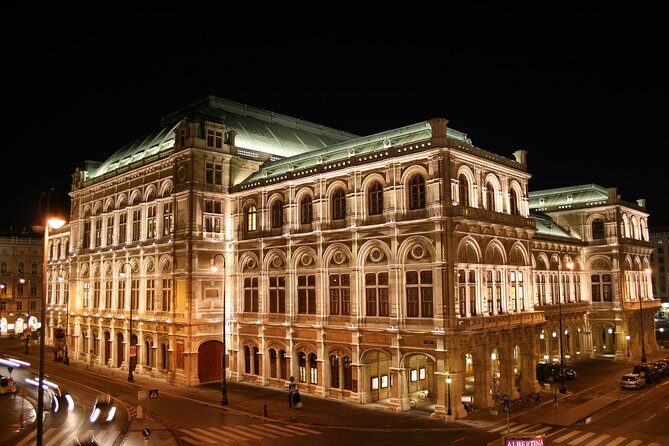
The final act is the big one: Stephansdom. The audio sets it up as Vienna’s crown jewel and promises a dramatic, fun-filled lap around the cathedral, with the best stories along the way.
What you get here is a structured ending to an unstructured walk. The tour guides you through the cathedral area so you don’t just stand in one spot taking photos. Instead, you get a loop-like experience that helps you see the cathedral from multiple angles and pick up context for what you notice.
This is also the stop that turns the whole tour into something memorable. You start at the opera—music and civic pride—then pass through memorial meaning and imperial tales, and you finish at the cathedral. That arc makes the route feel like more than a checklist.
How long it really takes (and when to schedule it)
The listed duration is about 1 hour, with the walking distance about 1 km, and you can pause anytime. Without long stops, you’ll likely finish in that window. If you stop for photography often or want a snack at a Würstelstand, you can stretch it without breaking the plan.
This tour fits best when you want a “core Vienna” experience that doesn’t eat your whole morning or afternoon. It’s also a good option if you’re planning other activities near the city center, because the starting and ending points keep you in a tight geography.
It’s offered throughout the day in the app’s availability window, so you’re not locked into a morning-only or late-afternoon-only slot. Still, sights may have their own hours on the ground, so it’s worth checking right before you go if you plan to enter anything.
Who this is for (and who might skip it)
This works great for you if:
- You want a self-guided experience with a clear route and stop-by-stop storytelling
- You like having a plan but still want freedom to pause for photos and street snacks
- You prefer offline audio so you’re not stressing about phone data
It might not be the best fit if:
- You’re expecting a guided, in-person tour experience with a person leading you through the stops
- You specifically want to go inside major attractions as part of the itinerary, because this is set up as an audio walk rather than an included entry tour
- You hate any chance of audio playback issues, since the narration can cut out occasionally
Little logistics that can save you time
Before you start, download the route so you can use the offline features. Then do a quick audio check standing still for a few seconds to make sure your ear buds and volume are working before you begin walking.
Also, because the tour is sold through online booking channels, pay attention to your confirmation and payment emails. One common mistake is getting charged twice if an order is duplicated across platforms—so verify what you actually bought.
Finally, plan for a phone-in-pocket experience. The tour encourages you to put your phone away and follow directions, which is part of the charm. Just make sure your battery can handle about an hour plus any browsing you want before and after.
Should you book The Heart of Vienna?
I’d book this if you want a practical way to turn a short walk through central Vienna into a story-driven route. The value is strong for the price because you’re getting lifetime access to the audio plus offline support, and the route connects the Vienna State Opera House, Albertina Art Museum, Monument Against War and Fascism, Capuchin Church, and Stephansdom into one coherent loop.
Skip it or reconsider if you’re looking for an interior-heavy sightseeing day, especially if you expect the opera to be included as an inside visit. Also skip it if you dislike app-based tours and want zero tech.
If you’re on the fence, here’s the deciding question: do you like the idea of walking 1 km with ear buds while the city explains itself? If yes, this is a solid buy for a first-timer day—or a quick refresher when you come back.
]]>I especially like that everything you need sits in your smartphone: offline text, audio, and maps means you’re not stuck hunting for Wi‑Fi between stops. I also like the focus on major landmarks that most first-time visitors want to see, including Karlskirche and the classic finish at St. Stephen’s Cathedral.
One consideration: this is technology-first. At some sites, cell signal can be weak, and at least a few users reported app glitches or navigation/map problems, so it helps to download fully before you arrive and keep a backup map ready on your phone.
Key things I’d plan around
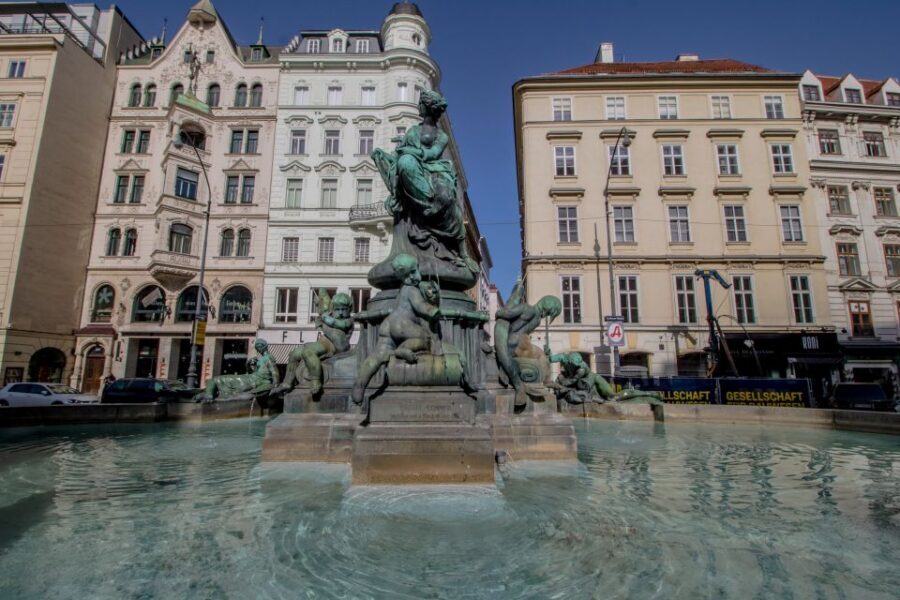
- Start at Palais Schwarzenberg: it’s your clean entry point, and the palace is just across the street from the tram stop you’ll likely use.
- Offline content is the real win: audio, text, and maps are designed to work without roaming.
- Baroque architecture is a major theme: Karlskirche is one of the big story anchors on the route.
- Several stops involve entry tickets: Hofburg Palace and St. Stephen’s Cathedral are not automatically included.
- App navigation quality can vary: if the in-app map feels off, Google Maps can save your day.
Starting at Palais Schwarzenberg: your easy launch point
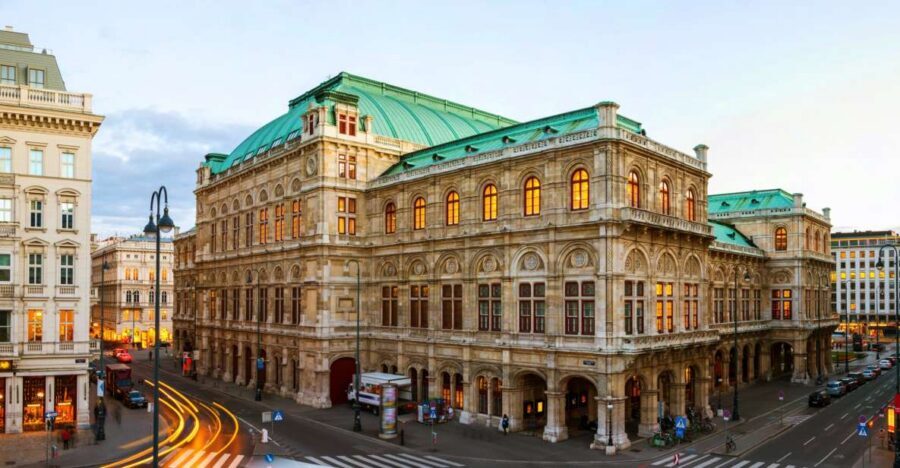
The tour begins at the entrance of Palais Schwarzenberg. That matters because you get a specific starting spot instead of wandering around a big area hoping to find the first pin.
Getting there is straightforward by tram. Aim for the station Gußhausstraße, then walk about two minutes across the street to Schwarzenberg Palace. If you’ve been to Vienna before, you’ll recognize this kind of setup: quick public transit access and major sights close enough to connect on foot.
Also, treat this start like your “download checkpoint.” The tour notes that mobile signals may be weak at some sites, so don’t wait until you’re standing there to start the audio. In practice, that means: arrive with the tour already downloaded and ready to play, and you’ll avoid the frustrating moment of a spinning app while you’re trying to start a walk.
How the offline audio tour works on your phone

This is a self-guided route, but it’s not just audio playing in the background. You get offline content on your phone: narration, text, and maps, built to keep you oriented without relying on roaming data.
The biggest practical advantage is cost control. Because the tour is designed for offline use, you’re not constantly feeding your phone data just to find the next stop or keep the route moving. One tip from real-world use cases: keep your phone charged. Offline maps and audio both use battery, and Vienna walking adds up.
You also need to plan storage. The download requires about 100–150 MB of space, so check you have room before you leave home. And if you’re traveling with friends, remember the rule: it’s booked per device, not per participant. So if you want multiple people listening on different phones, each phone needs its own booking.
Device compatibility is important. The audio tour requires an Android (version 5.0 and later) or iOS smartphone. It’s not compatible with Windows Phones, older iPhone models (including iPhone 5/5C and older), and some older iPad/iPod versions. If you’re unsure about your exact model, check before you arrive—nothing ruins a first stop like realizing the app won’t run.
Finally, language is set to English. If you want English narration but you’re traveling with someone who needs a different language, you’ll want to confirm that before you rely on this as your main plan.
Karlskirche and Baroque Vienna: the walk that sets the tone
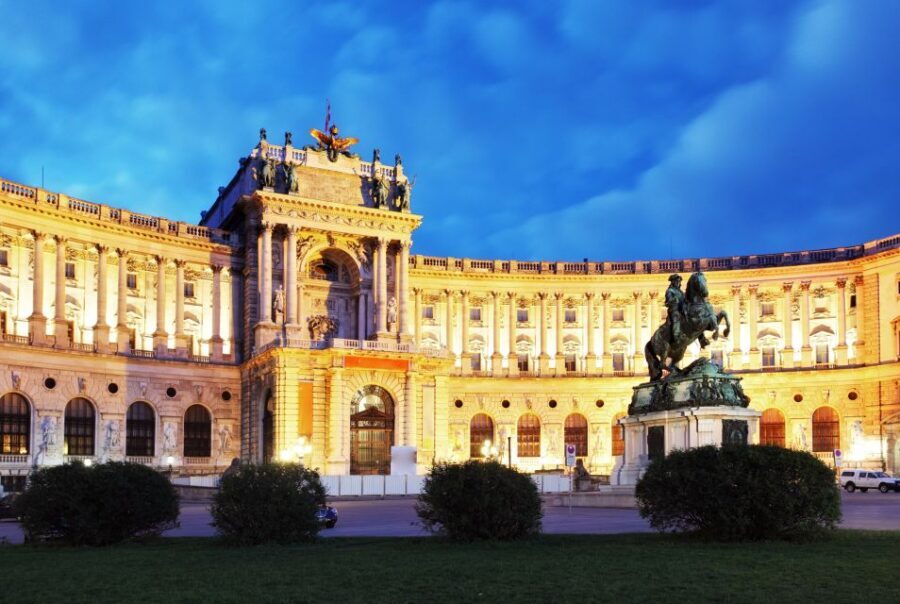
After Palais Schwarzenberg, the route moves toward Karlskirche, and this is where the tour really earns its keep. Karlskirche is one of Vienna’s most recognizable Baroque landmarks, and the narration is built to help you look past the obvious exterior and understand why the building matters.
Why that’s valuable for you: Vienna can feel like a lot of stone and street corners. The audio approach gives you a reason to slow down at the right moment—so you’re not just snapping photos while rushing to the next “must-see.” With the Karlskirche segment, the tour’s Baroque architecture focus gives context, and context makes the sights feel more connected instead of random.
You’ll also keep walking through a string of major city nodes rather than turning it into a museum crawl. That’s a smart match for a self-guided format. Audio works best when you’re moving on foot and you want a steady flow: stop, listen, look, then move on.
One more practical note: Karlskirche and nearby areas can be busy. If you want photos without shoulder-to-shoulder crowding, consider starting earlier in the day or adjusting your pace so you’re not hitting every landmark at the same time as tour groups.
Opera, Maria-Theresien-Platz, and the imperial skyline
From Karlskirche, you continue to the Vienna State Opera and then to Maria-Theresien-Platz. Even if you don’t go inside any venue, these stops help you read the city. They’re the kind of places where the street layout, the architecture scale, and the open squares combine into that unmistakable “Vienna” feeling.
The tour’s format helps here. When you arrive at a large, iconic building like the Vienna State Opera, it’s easy to feel like you’re just looking at a façade. The audio narration adds the “why this place is important” layer, so you get more from standing there for 5 minutes than you would from a quick photo and a walk-by.
Maria-Theresien-Platz is useful as a pacing tool too. It’s a point where you can reset: check the next segment on your offline map, take a breath, and decide how long to linger. Self-guided works best when you treat each stop as an option, not an obligation.
If you’re the type who hates strict schedules, you’ll likely enjoy this section. The goal isn’t to rush you through. It’s to keep you moving with structure, while still letting you choose your viewing time.
And yes, you may be tempted to go inside places along the way. Just remember: entry fees are not included for certain stops (more on that in the pricing section), so if you plan to enter, budget for tickets separately.
Hofburg Palace and St. Stephen’s Cathedral: the big finale you’ll remember
The route continues to Hofburg Palace and then to St. Stephen’s Cathedral, described as the mother church of the Roman Catholic Archdiocese of Vienna. This is the kind of end-of-walk finish that works even if you’re tired. The cathedral stop, in particular, tends to feel like it resets your sense of scale because it’s such a central religious and historic anchor.
Hofburg Palace also deserves special mention. It’s not just one building. It’s the center of a larger palace complex vibe, and the narration helps you connect why it belongs at the heart of the city’s story.
Important practical detail: admission fees are not included for Hofburg Palace and St. Stephen’s Cathedral. That doesn’t make the stops pointless. You can still enjoy the sights from outside with the narration guiding your attention. But if you want to step inside, treat ticketing as an add-on rather than something covered by the $11.
St. Stephen’s Cathedral is a strong finish point because it’s the last “big name” on the route. The structure of the walk matters here. If you hit cathedral at the end, you’re more likely to slow down, listen, and take a proper look instead of trying to see everything at a rushed pace while your phone battery is dying.
If weather turns rough, you might find yourself stopping early. One user mentioned giving up halfway due to inclement weather, which is a good reminder: this is a walking tour, and conditions affect how much you enjoy it.
Price and logistics: does $11 hold up?
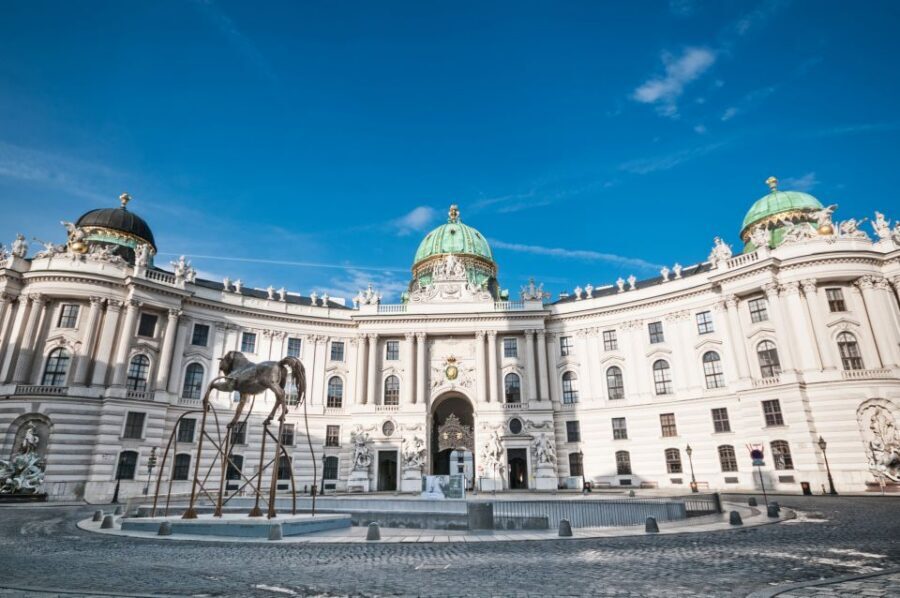
At $11 per person with 365-day validity, this tour is priced like a budget-smart add-on rather than a premium guide experience. The value comes from what you get for that price: an English self-guided route, offline narration, and offline maps.
Here’s how I’d judge the value for you:
- If you like flexible pacing and you’d rather spend money on food and transit than a live guide, $11 can feel like a steal.
- If you’re the type who wants high-touch navigation and guaranteed smooth app performance, this may feel frustrating—especially if the in-app map or navigation doesn’t behave as expected.
- If you’re visiting mostly the big exterior landmarks, you’ll get more value because you won’t be paying extra entry tickets for every stop.
Now the trade-off. Some users noted bugs and map/navigation issues. Another concern: the in-app map may not be the clearest. If your confidence depends on perfect directions inside an app, you’ll want a backup plan. Keep a general map app installed and be ready to cross-check your location.
Also, consider what’s not included. Admission fees for Secession Hall, Hofburg Palace, St. Stephen’s Cathedral, and the Sigmund Freud Museum are not included. That doesn’t mean you can’t visit these areas—it means your total cost could rise if you decide to go inside.
Still, for many visitors, the offline narration is worth the money even without entry tickets. It turns what could be a simple walk between famous addresses into a guided experience without booking a timed tour.
Who this phone tour suits best (and who should skip it)
This is best for you if you want:
- A self-guided Vienna route with a defined starting point and a sensible walking flow.
- A plan that works even when you don’t want to commit to a specific time slot.
- Offline support so you can avoid roaming hassles.
- English narration and short, direct explanations you can follow while walking.
It might be a poor fit if:
- You rely heavily on map navigation working perfectly in-app.
- Your phone has limited storage or your device is close to the supported cutoff versions.
- You travel with multiple people who don’t want to manage one booking per device.
- You hate walking when weather turns sour. This is a route meant to be done on foot, and the experience depends on you keeping the pace.
Wheelchair accessibility is listed, which is good to know. Still, for any mobility needs, walking routes in city centers can vary depending on sidewalks and crowds, so it’s smart to be realistic about comfort and stop frequency.
Should you book this Vienna audio walk?
I’d book it if you’re doing Vienna for the first time and you want a guided-feeling route without the cost and rigidity of a live tour. The combination of offline audio, offline maps, and famous sights makes it a practical way to get more out of your walking time.
Skip it or think twice if you know you get frustrated by tech glitches or if you expect turn-by-turn navigation to be flawless. In that case, plan to use your phone’s backup mapping, download everything ahead of time, and keep your expectations focused on narration and sights—not perfect on-screen routing.
If you want a low-stress Vienna day that you can start whenever you like within a full year of validity, this $11 audio walk is a good match—especially for Karlskirche and the cathedral finale.
FAQ
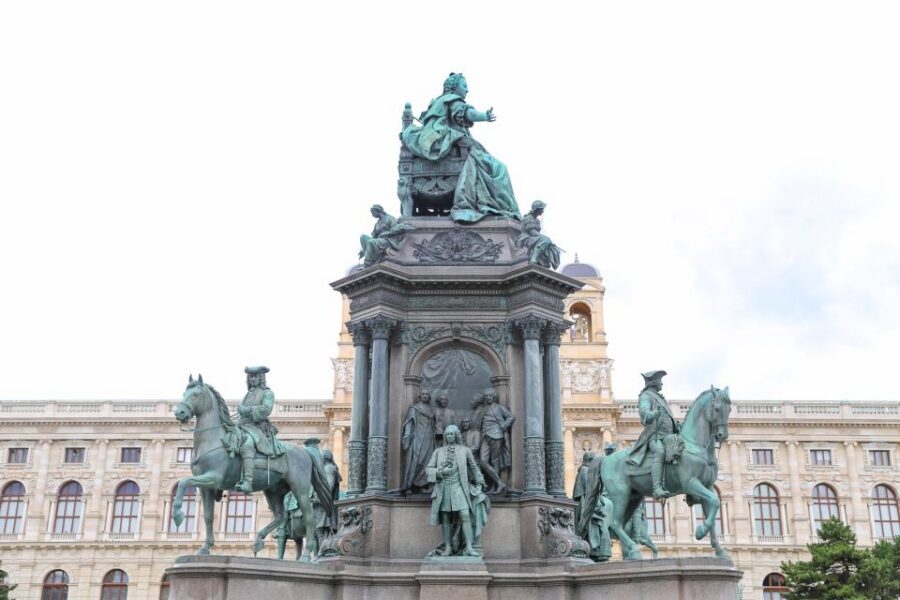
Where does the tour start?
The tour is designed to start at the entrance of Palais Schwarzenberg. The easiest way to reach it is by tram to Gußhausstraße, then walk about two minutes across the street.
Do I need mobile data during the walk?
No. The tour includes offline content, including text, audio narration, and maps, designed to help you avoid roaming charges. Also note that mobile signals may be weak at some sites, so download the tour before you go.
What devices does this audio tour work on?
It requires an Android smartphone (version 5.0 and later) or an iOS smartphone. It is not compatible with Windows Phones, older iPhone models (including iPhone 5/5C or older), and certain older iPod/iPad models.
What language is the audio available in?
The audio guide is available in English.
Are entrance tickets included for attractions?
No. Admission fees for the Secession Hall, Hofburg Palace, St. Stephen’s Cathedral, and the Sigmund Freud Museum are not included.
How long is the tour available after booking?
The tour is valid for 365 days, so you can choose a day within that window to download and use it.
]]>I especially like the self-paced format and the chance to linger over details, like cathedral carvings and café culture, without waiting for a group.
Two things I really like: the offline route map with landmark icons makes navigation practical, and the stories are built around what you’re actually looking at.
One possible drawback: a self-guided app tour depends on your phone and GPS, and some people find the app direction-to-next-stop experience uneven. If your phone GPS is moody, plan to use the on-screen map and be ready to slow down.
Key things that make this Vienna smartphone tour work
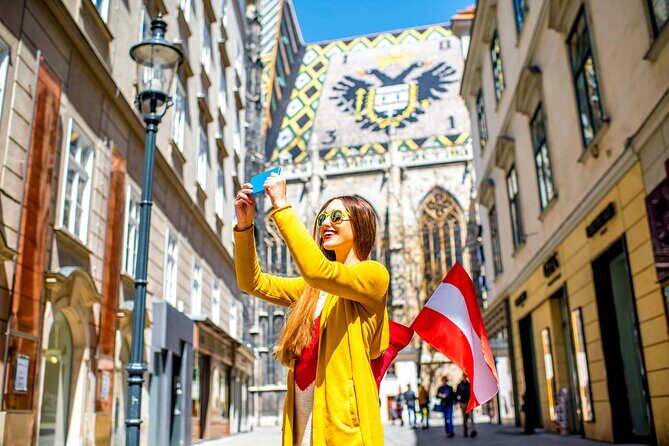
- Offline map + route line help you find each stop without a live guide
- 29 narrated recordings cover major landmarks plus smaller context points
- Flexible pacing means you can pause for photos or coffee and keep going later
- Café stops are included so the walk doesn’t feel like only monuments
- Headphones are required, so bring your own and charge your battery
Price and what you’re really paying for
At $8.40 per person, this is priced like an intro tool, not a guided replacement. The big value is that you’re buying narration plus a working route plan, delivered through an iPhone/Android app with offline GPS navigation.
Also key: the tour is self-guided. That’s cheaper than hiring a human guide, but it means you’ll do the timing. For me, that trade-off makes sense when you want freedom and you’re comfortable using your phone outdoors.
One more value point: you get 1 year access to the audio in your chosen language. So if you get tired on day one or the weather turns, you can spread the route out instead of treating it like a one-shot deal.
The walking route: timing, distance, and pacing reality
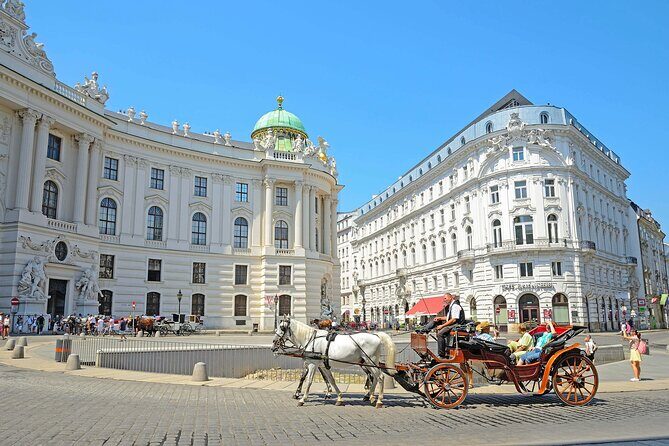
The itinerary is listed around 2 hours 30 minutes, but plan for more. Based on the way the route is described in practice, it’s roughly a 7 km walk to complete the full circuit, with many stops designed for short visits.
Here’s how to make it feel good: treat each stop as a “scan and choose.” Look for the feature the narration highlights, then decide if you want extra time inside or nearby. If your legs are ready for only part of it, skip ahead using the app map and come back later.
The tour starts and ends at Stephansplatz (Stephansplatz, 1010 Wien), which is handy because it’s a central hub. And since it’s near public transportation, you can bail out without feeling like you failed at sightseeing.
How the app tour works in real life (and what to do first)
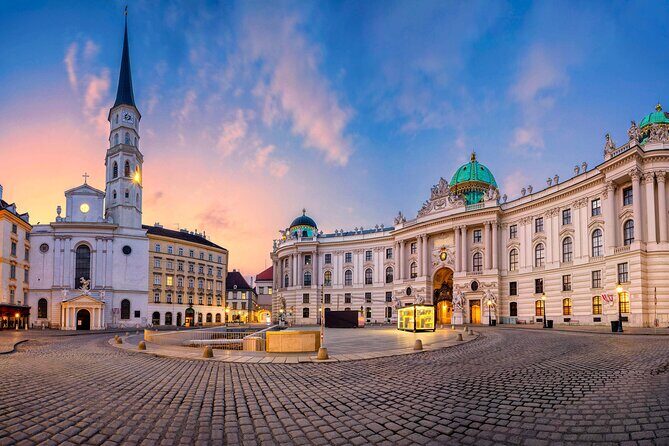
This is not a guided group walk. You download the audio guide app, activate your purchase, and follow the route on the mobile map. There’s no human guide, so your success depends on setup.
Before you start, do these three things:
1) Download the tour and use the map screen so you’re not fighting connection outdoors.
2) Bring your own headphones (they’re not included).
3) Turn on GPS so the map can show your position on the route line.
If you’ve used other audio apps before, you’ll probably get the hang fast. But if your GPS drifts around corners (it happens), slow down at junctions and use the on-screen indicator rather than trying to follow directions that aren’t spoken between stops.
Stop-by-stop: what you’ll see and what’s worth extra time
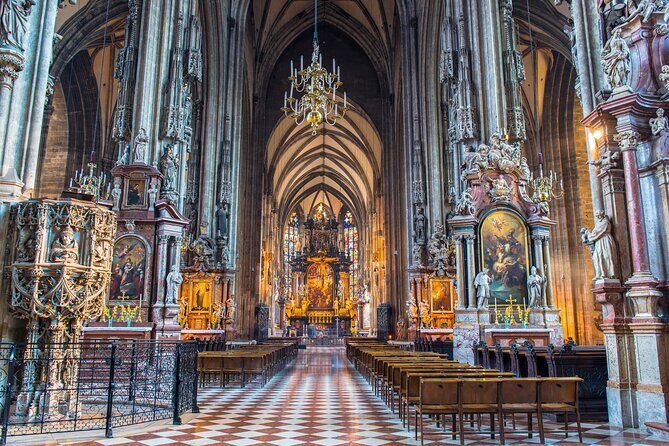
St. Stephen’s Cathedral (Stephansdom)
This is Vienna’s Gothic headline act. Look up at the soaring spires and the detailed stonework on the façade, then step inside for big interior drama like the ornate High Altar.
If you want the best views, the narration points you to the South Tower climb, plus the cathedral’s catacombs. That’s the kind of “optional upgrade” that turns a quick stop into a highlight—just remember entrance rules can vary, and the tour doesn’t include tickets.
Church of the Teutonic Order
Next you’ll hit a Baroque surprise tied to the Teutonic Order story. The key here is the architecture and ornament inside, including fresco-like artwork and carved details.
This is a good stop when you want something calmer. It’s also a nice contrast after the cathedral’s scale.
Colonna della Peste (Pestsäule)
The Plague Column is one of those Vienna landmarks that’s easier to appreciate when you understand what it represents. Expect Baroque sculpture details that tell survival and gratitude as much as they show off craft.
Take a minute to look at the figures rather than rushing past. The column’s power is in the message wrapped in stone.
Peterskirche
St. Peter’s Church is another Baroque stop where the big visual is the dome and the interior artwork. If you like ceilings and fresco work, this is one of the more satisfying churches on the route.
If you’re also interested in concerts, the narration calls out the chance to attend classical music in this setting. (If you want a concert, check scheduling once you’re in Vienna, since the tour itself doesn’t include access.)
Café Demel
Now you trade church bells for pastry steam. Café Demel, established in 1786, is built for a proper coffee break—chandeliers, marble tables, and plenty of cake culture.
The narration nudges you toward Sachertorte, a classic Viennese choice. Even if you don’t do that specific cake, you’ll leave refreshed instead of just hungry.
Michaelerplatz
Michaelerplatz is a square that connects imperial looks with a hint of archaeology. You’ll see Hofburg Palace nearby, plus the Michaelerkirche, and the narration also points to ruins under the square area.
This is an easy stop to keep short. If the weather is good, linger outside and then move on quickly.
Emperor Joseph II Monument (Josefsplatz)
Joseph II gets a bronze tribute in this public space tied to Hofburg views. The storytelling focuses on his Enlightenment-style reforms, which gives the statue more meaning than a simple photo backdrop.
It’s a good “reset” point—big enough to spot instantly, not so time-intensive that it breaks your rhythm.
Donnerbrunnen
Vienna’s fountains can be more storybook than splashy. The Donnerbrunnen is described as a fountain with mythological sculpture scenes, set in the Neuer Markt area.
If you like architecture and symbolism, pause here. It’s also a nice place to catch your breath before the route swings back toward the more famous imperial sites.
Imperial Crypt (Habsburgs underground)
This stop shifts tone. You’ll go underground to learn about Habsburg final resting places, with opulent tombs and detailed artwork.
Because entrance tickets aren’t included, treat this as a “plan ahead” interior. If you want it, build time for it and check what’s needed once you arrive.
Memorial Against War and Fascism
This memorial is the route’s moral checkpoint. The sculpture is described as a shattered column, meant to represent destruction tied to war.
If you want a balanced day, this is where it happens. Spend a minute thinking, then move on—don’t turn it into a doom spiral.
Albertina Gallery
Albertina is a major art stop in central Vienna. The narration highlights the collection range from Renaissance to contemporary, and it names artists like Dürer, Monet, and Picasso.
If you want to go inside and not just read the exterior from the street, you’ll need to handle any museum tickets separately. The audio makes this stop feel more purposeful even if you only do a quick look.
Vienna State Opera
The Opera is a “you know it when you see it” building. Expect grand architecture and opulent interiors, with world-class performances referenced by the narration.
For most people, this stop is about atmosphere and maybe timing your visit to something on the schedule. The audio helps you look with more context, even if you don’t catch a performance.
Mozart Monument (Burggarten Park)
The Mozart Monument is a bronze statue set by the gardens. The narration frames it as a tribute to his legacy, and the setting makes it a pleasant pause.
Do this one slowly if you’re also into strolling. It’s not just a statue stop—it’s a tiny change of pace.
Maria Theresien Square
This wide plaza centers on Empress Maria Theresa. You’ll get the statue framed as a symbol of her influence, plus the square’s mix of historic buildings and open walking space.
It’s an ideal spot to regroup because it’s open and legible compared with tight church lanes.
Hofburg Palace
Hofburg is the big imperial complex, and the narration points you to the types of experiences inside. You’ll hear about areas like the Sisi Museum and Imperial Apartments, plus the Spanish Riding School and the National Library.
Again, interiors typically mean ticket planning since entrance fees aren’t included. Even a quick exterior-to-courtyard walk around Hofburg gives you a sense of Vienna’s power geography.
Monument to Empress Elisabeth (Sisi)
In Volksgarten, the Elisabeth monument gives you a softer, more human scale after the palace grandeur. The narration describes it as a tribute to her grace and presence.
This is a nice one if you like royal stories that focus on personality, not just politics.
Vienna City Hall (Rathaus)
Vienna City Hall is Gothic Revival with towering spires and an ornate façade. The narration also calls out the Rathausmann statue as a symbol of civic pride.
If your feet are starting to complain, this stop is still worth it because it’s quick to appreciate from outside. It’s also a great landmark for finding your place on the route.
University of Vienna
The University of Vienna is presented as an academic institution dating back to 1365. The narration also points you toward the Main Building and the University Library as parts you can focus on.
If you like old institutions, this is a satisfying change from the palace-and-church cycle.
Beethoven’s House
This is a music-history stop with a clear timeline: Beethoven lived here from 1804 to 1815. The narration frames the museum-style experience around his life and work, including original manuscripts and personal items.
If you want the full indoor visit, plan for ticket logistics on the day. Even just stepping into the area after hearing the timeline can make Beethoven feel less abstract.
Café Central
Café Central is another “pause on purpose” stop. The narration describes it as a historic café since 1876, tied to where intellectuals and artists once gathered.
It’s a great spot to review what you saw so far and pick your pace for the last stretch. Order something small, sit down, and let Vienna go quiet for ten minutes.
Collalto Palace
Collalto Palace is positioned as a Baroque stop with 17th-century roots. The narration emphasizes its architecture and interior details.
This one is most satisfying if you enjoy ornate interiors and want to see a palace that’s not only about being famous. If you can’t go inside, treat it as a look-and-learn moment from the street.
Vermahlungsbrunnen (Marriage Fountain)
The Marriage Fountain is described as Baroque and symbolic: it portrays the union of two rivers. You’ll find it in the courtyard connected with Schönbrunn Palace, and the narration frames it as romantic and serene.
Even if you keep it short, the symbolic theme makes it more than a pretty photo. It’s a nice change from statues and grand buildings.
Ankeruhr Clock
The Ankeruhr is the route’s quirky machine. The narration describes it as an Art Nouveau clock with whimsical figures that you can see every hour.
If you’re timing it right, this is a fun way to punctuate the walk. Even if you’re early or late, the clock itself is a memorable Vienna detail.
The best parts (and why they matter to you)
This tour’s strongest feature is that it turns sightseeing into a sequence you can control. With the offline map and landmark icons, you’re not constantly checking directions in a panic, which makes the day feel calmer.
I also like that the narration doesn’t just name places. It tells you what to look for—cathedral spires, plague-column sculpture, mythological fountain figures—so your photos come out more meaningful than random “I was there” shots.
Finally, the café timing is practical. You can’t maintain a 7 km walk on monuments alone. The built-in break stops keep the route from feeling like a nonstop sprint.
Common hiccups to plan for before you trust the GPS
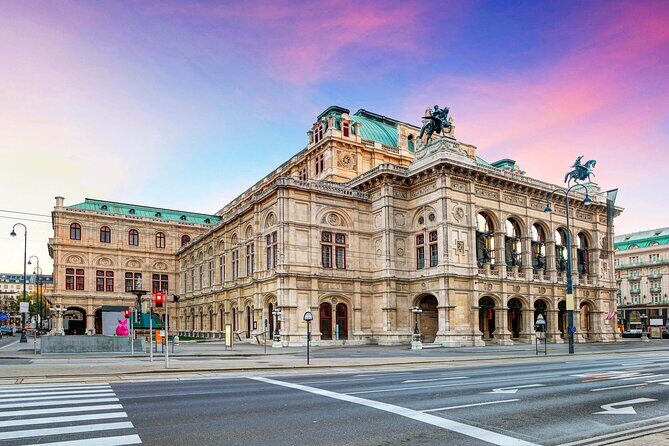
A self-guided route can be wonderful or annoying depending on your phone. Some people report needing to restart the app or that the tour didn’t clearly recognize where they were.
Here’s how to reduce those problems:
- Start with GPS on, and give it a moment before you begin walking.
- Use the app map often, especially at intersections.
- If you lose the next stop, don’t wander in circles; check the route line and your position dot.
- Keep your battery topped up. Long outdoor walks eat power.
If you’re the type who hates apps mid-walk, consider this a sign to bring a backup plan—public transport nearby makes that easier here.
Who this tour is for (and who should skip it)
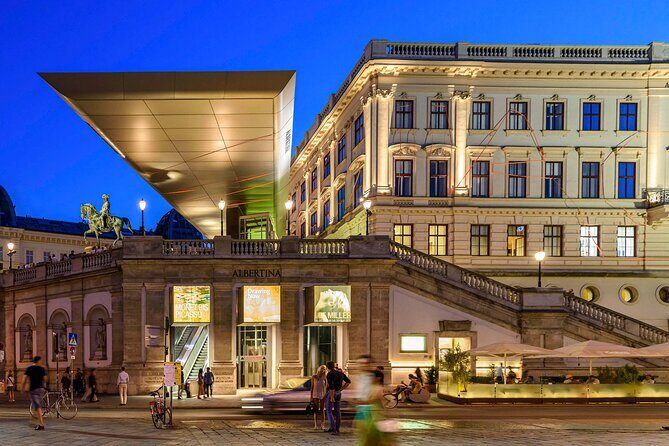
This is ideal for you if you want an audio-led orientation to central Vienna without a big group pace. It’s also a good fit if you’re the type to stop for photos, duck into a café, then move on when you’re ready.
It’s less ideal if you depend on perfect step-by-step directions and you hate getting your bearings from a phone screen. Because there’s no human guide, you’ll be solving little navigation puzzles yourself.
Also, if you have knee or mobility issues, don’t treat the route like a single session. The design supports pausing and continuing—many people stretch it across more than one day.
Should you book this Vienna smartphone audio walking tour?
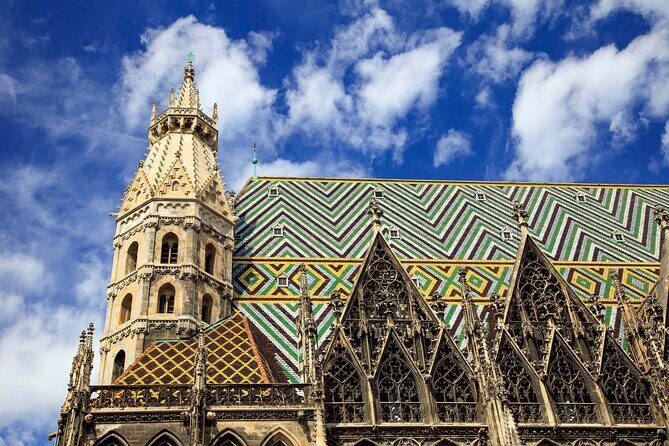
I think you should book it if you want a low-cost way to cover a lot of central Vienna with narration and an offline map. At $8.40, it’s a strong value when you’re comfortable walking around and using your phone outdoors.
Skip it if you expect a fully guided experience with clear, spoken-to-the-next-door instructions at every step. Also skip it if you don’t want to bring headphones or you know your GPS tends to drift badly.
If you’re on the fence, my advice is simple: charge your phone, download everything ahead, and plan the day around breaks. Get your bearings at Stephansplatz, then let the stories guide your looking—not the other way around.
]]>My other favorite part is how the stops mix big-name places with small details you’d normally skip, like the nails ritual at Stock im Eisen and that quirky medieval mural on Bäckerstrasse. The one thing to consider is that the whole experience depends on your phone and the app setup, and a couple of people found it a bit tricky at first or wanted more straight-up history facts.
Quick hits before you start
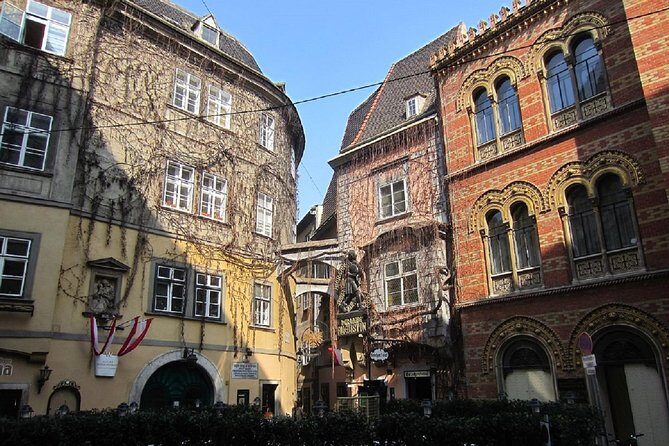
- Self-paced walking: you can play anytime after booking, pause for coffee, and restart when you’re ready
- No physical guide: you rely on audio stories and clues on your own device
- Puzzle-driven viewing: you’re forced to look closely at places like Ruprechtskirche and Stephansdom
- Value-heavy price: $7.23 per person with many stops free, while paid entries are your choice
- Family-friendly structure: built for kids who need something to do besides stare at stones
- Ends at Hofburg: the game finishes in the heart of Vienna, not out in the suburbs
A smartphone quest that makes Vienna feel like a city game
This isn’t a guided tour where you follow someone’s script. It’s more like Vienna turns into a map you play. You start at Ruprechtskirche (Ruprechtspl. 1), then work your way across central landmarks—churches, courtyards, a famous tavern, a cathedral area, and into the Hofburg complex.
The big idea is simple: you solve a question or puzzle at each stop, then the next clue tells you where to go. That format has two real benefits. First, you walk with purpose, so you cover ground efficiently without feeling herded. Second, you notice details because you need them to answer the next prompt.
You also get audio stories, which helps if you’re pausing at a bench or waiting for a museum moment. And because it’s private for your party, you don’t need to fit into anyone else’s group rhythm. That matters in Vienna, where people can swarm the same photo spots all at once.
From Ruprechtskirche to the first puzzle: oldest bells, Roman stone, and a reason to look up
Your adventure kicks off at St. Rupert’s Church (Ruprechtskirche), one of Vienna’s oldest churches. It’s said to be about 13 centuries old, built with stone taken from an ancient Roman settlement. That Roman-Vienna link is one of those details that sounds like trivia—until you’re standing somewhere that actually carries that past.
The church is dedicated to St. Rupert of Salzburg, patron saint of the Danube salt merchants. And it’s home to some Vienna firsts: the oldest stained-glass window and the oldest bells in Vienna. One stained-glass scene—Christ on the cross with the Madonna and Child—dates to the 13th century and has remained in the vaulted apse through renovations.
Here’s where the game trick works. You don’t just admire and move on. You look around for the answer to a question to advance—and that nudges you to actually scan the space. It’s also a nice fit if you’re traveling with kids or anyone who gets distracted easily. Instead of wrestling with attention, you give it a job.
Practical note: this stop is listed as free for admission, so you can spend your time here without budgeting extra tickets.
Griechenbeisl: Mozart, Beethoven, and the tavern you find by playing
Next you’ll reach Griechenbeisl, a tavern with legendary musical connections. The standout angle here is that Mozart, Beethoven, and Schubert are associated with dining there. The place keeps that fame visible with framed signatures and a dedicated Mark Twain room. (Other famous names connected to the tavern’s history include Luciano Pavarotti and Johnny Cash.)
It’s also tied to the neighborhood’s roots: the name comes from Greek tradesmen and Levant travelers who settled in the area. The tavern sits near the Holy Trinity Greek Orthodox Church, so the whole area feels like Vienna’s cultural layers are right next to each other.
Again, the game structure matters. You’ll search the space to answer a question/challenge before continuing. That pushes you to slow down, not just walk past a famous façade.
This stop is also marked as free for admission, which makes it a smart, low-cost win early in your route.
Bäckerstrasse and the Wolf vs. Cow mural: the kind of detail tours miss
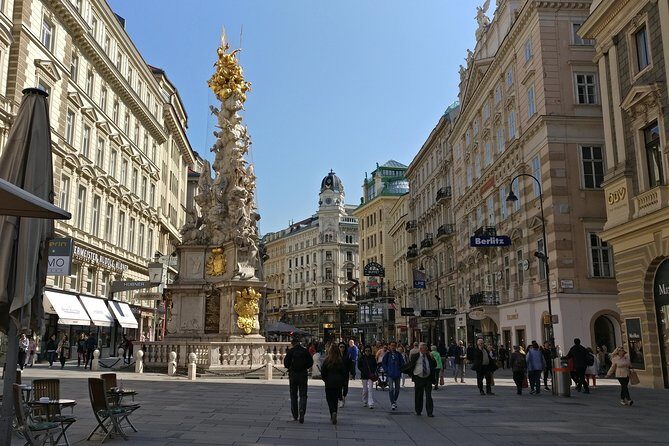
On Bäckerstrasse, you’ll work through a quieter stretch that feels like you’re peeking behind the city’s curtain. The highlight is a peculiar medieval mural on the façade connected with the Hasenaus (the game describes it around a building referred to as the Hare House).
The mural shows a wolf and a cow wearing spectacles playing a game of backgammon. Stories disagree on what you’re looking at: some say it’s part of an earlier painting depicting medieval life, while others interpret it as an allegory related to conflict between Protestants and Catholics.
I like this stop because it proves the game isn’t only chasing famous monuments. It gives you a reason to slow down in courtyards and side streets where the big tour buses don’t usually linger.
Most of Bäckerstrasse is open wandering time, and the mural stop itself is listed as free.
Stephansplatz: a clue-led moment before you hit St. Stephen’s Cathedral
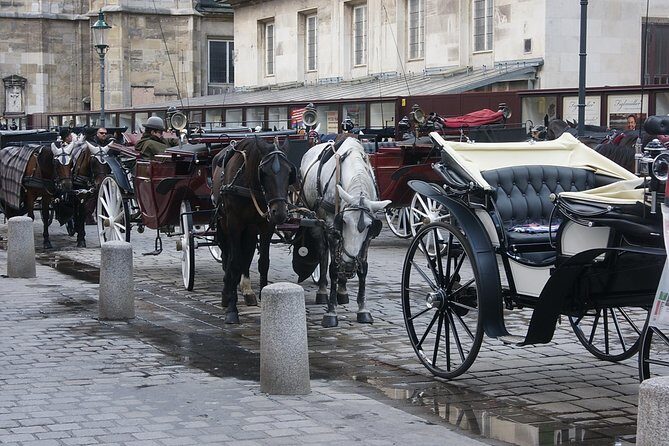
From Bäckerstrasse you move into the Stephansplatz area. The game uses a clue and puzzle step here, so you’re not just arriving at a square to take in the view—you’re actively solving the path forward.
That matters because the Stephansplatz area can feel visually overwhelming. Many people see a cathedral spire and then get stuck in a photo-queue. The game gives you a small mission, so you look around more intentionally and keep moving.
You’ll get indications on how to continue while learning about what you’ve found. This is one of those “small structure, big payoff” parts of the experience.
Stock im Eisen (Nails Tree): the luck ritual that changes how you see a street corner
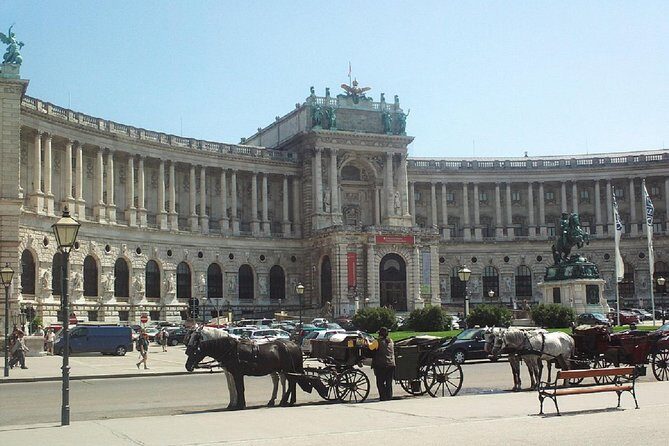
Then comes one of Vienna’s best oddities: the Stock im Eisen (often called the Nails Tree). It’s on the corner of Karntner Strasse. At first glance, it looks like a spooky object. Historically, people even thought it was the work of Satan—until the tradition explained it.
Now you know the practical story: over generations, people hammered nails into the tree’s trunk for good luck. The mid-section of the old trunk sits on a 1.5-meter high pedestal, surrounded by an iron ring with a lock dummy.
Here’s a detail I really appreciate: the game lets you spend as much time as you wish at this stop, as long as you’re ready to follow the next clue when you’re done. In other words, this is your chance to linger, take photos, and read the atmosphere without feeling rushed.
Admission here is listed as free, so it’s a great stop if you want “character” without ticket costs.
St. Stephen’s Cathedral: Gothics, bells, and 230,000 tiles
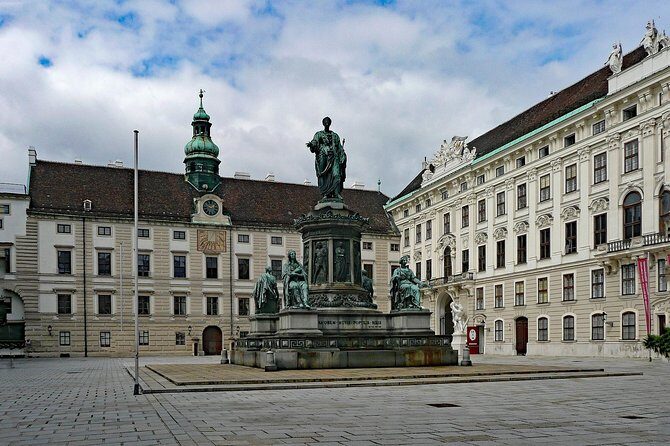
Your route brings you to St. Stephen’s Cathedral (Stephansdom), one of the city’s true anchors. It’s been standing since the 12th century and is described as one of Austria’s most important Gothic buildings.
If you only do the exterior, you’ll still get the cathedral’s drama. But the game pushes you toward the tower room and the roof story. The tower room offers views over Vienna and includes 13 bells. And the roof is where the facts get eye-opening: it’s about 38 meters high and made of 230,000 glazed tiles forming different patterns.
The mosaics show a double-headed eagle, historically tied to the Austrian empire during Habsburg rule. On the north side roof, there are two other eagles with coats of arms representing the City of Vienna and the Republic of Austria.
One key consideration: the cathedral stop notes admission not included. So you should treat any paid climb/view option as optional, not assumed. If you’re going for the tower, plan for that extra cost and extra time.
Café Frauenhuber: Mozart and Beethoven table music while you regroup
Right around this cathedral-and-square intensity, the experience gives you a breather at Café Frauenhuber on Rauhensteingasse. This is a classic Viennese coffeehouse stop, and it’s not a random pit stop—it’s one of the oldest coffeehouses in Vienna, dating back to 1746.
The reason it’s special is the famous music connection: Mozart and Beethoven are associated with playing table music for dining guests between 1782 and 1791. And the café’s reputation includes being peaceful and unpretentious, meaning it’s not designed to feel like a museum shop.
The game doesn’t put you in a rush here. This is where I’d recommend you reset. Get a coffee, take a bathroom break, and let your brain catch up after puzzle-solving and careful looking.
Also, you’re in good shape here because this is the kind of stop families often appreciate. The kids can sit, the adults get the atmosphere, and nobody feels like they’re dragging through another big landmark.
Albertina at the end: art, prints, and a palace setting
After the cathedral area, the route leads you to Albertina, an art museum in the Hofburg Palace complex. This is one of Vienna’s big cultural names, and it’s easy to spend time here if you like graphic art and drawings.
The experience describes a big collection: over 50,000 drawings and over 1 million master prints shown on a rotating display. Since 1805, the museum has featured multiple collections, including modern art, graphic art, architecture, and photography.
One specific highlight you can keep in mind is Monet’s The Water Lily Pond. The setting also helps: you’re in the largest Habsburg residential palace, so even walking between rooms can feel like you’re stepping into imperial spaces.
Admission is noted as not included, so again treat this as your optional spend. If you love museum time, you’ll probably want longer than the game’s basic pacing. If you don’t, you can use this as an ending landmark and keep moving at your own speed after the game finishes.
The Hofburg finish: power center history without rushing out
The last stop is the Hofburg, the former center of Habsburg power and still linked to the Austrian state today. The experience notes it as the home and workplace of the President of Austria, with roots back to the 13th century.
You also get context for why this place matters: it served as a residence and seat of government for the Habsburg emperors until 1918. The palace reflects its imperial past through richly decorated imperial apartments (24 rooms), the Sisi Museum dedicated to Empress Elizabeth, and lavish silver collections. The National Library is also located in the Hofburg complex, and the Hall of Ceremonies (built in the 19th century) is still used for Viennese balls.
Game-wise, this is where the city quest ends. After that, you can continue exploring at your own pace, which is a smart way to avoid that awkward scramble some group tours force at the finish.
Admission is listed as not included here, which is totally normal for a massive complex—you choose how deep you want to go.
Price and timing: why $7.23 feels fair
Let’s talk value. At $7.23 per person, you’re paying for a smartphone-driven experience: audio stories, puzzles, and a structured walking route from central old Vienna sites to the Hofburg.
Compare that to the cost of a traditional guided walk. You’re not paying for a live guide’s time. Instead, you’re paying for the content and the game mechanics that turn “just walking” into purposeful sightseeing.
What makes it even more reasonable is the mix of free and paid elements:
- Several stops are listed with admission free, including the churches/tavern/mural-style streetside sights.
- The cathedral and Albertina are marked as admission not included, so you control costs by choosing what to pay for.
Timing is flexible too. The experience can be played any hour after you book it, and you don’t need to reschedule. That matters because Vienna weather can change fast. It also helps you sync the walk with your museum plan.
Duration is roughly 1 hour 30 minutes, but in real life you might stretch it—especially at Stock im Eisen, where the game explicitly gives you freedom to linger.
Who this Vienna plague game is best for
This is one of those rare city activities that works for mixed travel groups.
- Families: it’s built for kids who get bored looking at signs. The puzzles keep attention active.
- Friends: if you like walking plus light competition, the clue format hits the sweet spot.
- Solo travelers: you get a structured route without the pressure of social conversation with strangers.
- Anyone who prefers control: there’s no guide pacing you, and you can stop for coffee whenever you want.
It’s also practical if you like using transit. The starting area is near public transportation, and your route keeps you in central walking territory.
In terms of comfort, most travelers can participate, and service animals are allowed.
Small risks: the app, the puzzles, and getting unstuck
A couple of real-world issues show up in feedback. The most common is that app setup and unlocking the game can be a little tricky. One person said they solved their problems in about 15 minutes thanks to support. If you get stuck, emailing [email protected] is the contact listed in the experience’s support responses.
Another small risk: puzzle answers can be picky. One report complained about names not matching formatting rules, like capitalization or joining names correctly. So if a puzzle won’t validate, re-check what you type in—spelling, capitalization, and any required conjunctions.
Finally, watch your phone battery. The whole route lives in your screen and audio. Carry a small charger if you tend to run low.
If you’d rather have a live human narrating every fact, this might feel lighter on straight lectures. One feedback comment was basically: it’s a good way to see sights, but you’ll want more history details than the game prompts provide. The fix is simple—use your own curiosity. If you spot something you want to know more about, look it up during breaks at cafés.
Should you book the Great Plague Exploration Game in Vienna?
Book it if you want:
- a smartphone quest that forces you to look closely instead of just pass by
- an efficient route from Ruprechtskirche to Hofburg
- a family-friendly walk with built-in momentum and plenty of chances to pause
Skip or reconsider if:
- you hate apps and prefer a live guide
- you want a heavier dose of spoken historical explanation at every stop
- you’re going during a time when you can’t comfortably stop, read, and solve prompts
If you’re deciding between this and a traditional sightseeing tour, I’d frame it like this: this game is a walking experience that teaches through discovery. Vienna is ideal for that style because the city rewards attention to small details.
If you do book it, give yourself time to wander. The best moments come when you’re not trying to rush the clues and you notice what’s around you.
FAQ
FAQ
What is the duration of the Great Plague Exploration Game in Vienna?
It’s listed at about 1 hour 30 minutes (approximately).
How much does it cost?
The price is listed as $7.23 per person.
Do I need a physical guide?
No. The experience is designed to be played with your smartphone, using audio stories and puzzles rather than a live guide.
What language is it offered in?
It’s offered in English.
Are admission tickets included for the sites?
Some stops are listed as admission free, while others note admission not included, including St. Stephen’s Cathedral and Albertina.
Can I play at any time after booking?
Yes. The experience can be played anytime after booking without rescheduling, and you can take breaks (like for coffee) and continue later.
Where does the experience start and end?
It starts at Ruprechtskirche (Ruprechtspl. 1, 1010 Wien) and ends at Hofburg (1010 Vienna).
What if the app setup is tricky?
If you have trouble unlocking or using the app, support is available; the provided support contact is [email protected].
Can I cancel for a full refund?
Free cancellation is available, with a full refund if you cancel at least 24 hours before the experience’s start time. Within 24 hours, refunds are not available.
]]>This is a smart way to see Vienna at street level. You get a fixed route feel, but you control the pace—pause for photos or take a break whenever you want. If you’re the type who enjoys wandering with a mission, it’s a fun format that helps you notice details you’d normally speed past.
Key Takeaways for Your Vienna Scavenger Hunt
- Start any date, any time once your box arrives, so you can match Vienna to your schedule.
- 16 numbered envelopes keep the experience structured without feeling like a rigid tour.
- Pause or continue later—you can take breaks and even resume another day.
- A built-in emergency envelope means you’re not stuck forever if a clue is confusing.
- Mostly walkable sights bring you past iconic stops like Graben, City Hall, and Burgtheater.
- Great for groups up to 10 with one price covering the whole team.
The Format: How the Envelope Scavenger Hunt Really Works
The experience is built around a scavenger hunt box that’s mailed to you before you go. Inside, you’ll find 16 sealed, numbered envelopes—each one contains a small task, directions, and facts that help you connect what you’re seeing with what the riddle is asking.
Here’s why this format feels good in Vienna: it turns big landmarks into a series of short, solvable moments. Instead of staring at a building and hoping you know what to look for, you’re guided step-by-step toward the next place—almost like a friendly GPS for your feet.
You’ll also get an emergency envelope with all solutions. That matters because it keeps the game from turning into a frustrating dead end when you’re tired, distracted, or traveling with mixed puzzle skills.
The tour is listed at 270 minutes, but that’s a helpful guideline, not a rule. With pauses, photos, and how carefully you work through each envelope, your timing can shift quite a bit.
Vienna’s Best Walkable Route: From St. Stephen’s to the Hofburg Area
This scavenger hunt starts at St. Stephen’s Cathedral. That’s a strong opening move—big, central, and instantly recognizable—so you get oriented quickly before the riddles begin.
From there, the game guides you through a classic Vienna core:
- Graben: a famous shopping street you’ll actually walk through, with the kind of street energy that’s easy to enjoy even on a self-guided day.
- Votiv Church: a standout stop where the game turns sightseeing into something you actively investigate.
- Vienna City Hall: a major landmark that can look even more impressive when you’re approaching it for a specific reason.
- Burgtheater: because Vienna theater is part of the city’s identity, not just a building to pass by.
- Heldenplatz: a historic square where the wider urban space feels like it belongs in a bigger story.
- Vienna Hofburg: the palace area that ties several of these stops together.
- Michaelerplatz: another key square in the same orbit, helping you finish the loop with a satisfying sense of place.
What I like about this lineup is the balance. You’re not only seeing ornate facades; you’re moving through street segments, squares, and major civic areas. That’s where you feel Vienna as a walking city rather than a checklist.
Coffee House Culture and Albertina: The Clues That Make It Make Sense
The hunt doesn’t stay purely visual. It also includes learning prompts about Vienna’s coffee house culture and the Albertina.
This is valuable because Vienna is famous for long conversations over coffee and cake, and those rituals shape the city’s rhythm. When your game includes these cultural notes, the day starts to feel more connected—like you’re not just collecting photos, you’re picking up context that helps the sights land.
The Albertina reference is also a smart nudge. Even if you don’t go inside (entrance fees aren’t included), you’ll know to pay attention to what the museum represents in the broader cultural map of Vienna.
The Pace Game: When 270 Minutes Feels Short (or Long)
The duration is listed as 270 minutes. In real life, your pace will depend on how you play.
If you like solving clues steadily—and you take time to stop for photos—you might land close to the full block. If you’re quick with puzzles and keep moving, you can finish sooner. Some groups work through fewer stations faster, while other teams take their time and stretch the hunt out with breaks.
A good way to plan: treat it like a 3.5-hour window, then build in extra time for your coffee-and-cake ending.
Breaks, Photos, and the Joy of Not Rushing
One of the best parts is that you can pause the game at any time. That means you’re not trapped in a rigid timeline, and you don’t have to sprint between monuments like a school trip.
This flexibility helps in Vienna because street conditions change. You might want extra time for:
- a photo angle you didn’t expect
- a short rest break
- a moment when you realize you want to read the details on a facade
You can also continue later if your day changes—so the scavenger hunt doesn’t force an all-or-nothing schedule. That’s a real advantage if you’re juggling transport, jet lag, or a separate museum plan.
Price and Value: $52 for Up to 10 People
The cost is $52 per group up to 10. That’s the part that makes the format feel practical. You’re paying for the box and the puzzle system, not for a separate ticket per person.
So this can be strong value if:
- you’re traveling with family or a mixed-age group
- you’re a small group of friends sharing one “team”
- you want an organized walking activity without paying for a private guide
It may feel less worth it if you’re solo and would rather hire a local guide. But if you’re even 2–4 people, this format often becomes a bargain way to stay productive while sightseeing.
What’s Included (and What You’ll Need to Handle Yourself)
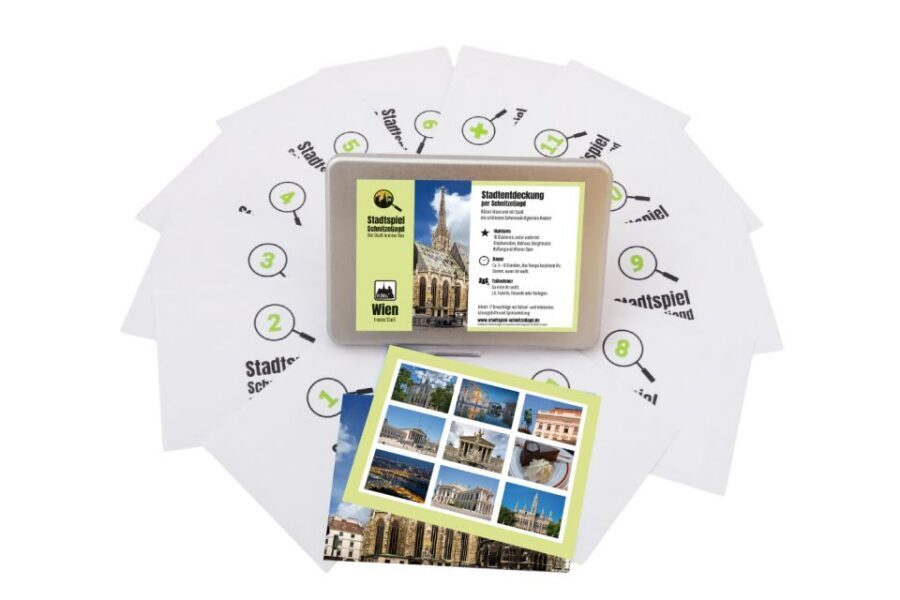
Included:
- the scavenger hunt box, mailed to you (shipping time matters)
- 16 envelopes with riddles, directions, information, and facts
- an emergency envelope with solutions
Not included:
- a tour guide (you’re fully self-guided)
- food and beverages
- transport to and from the start/finish
- entrance fees for the sights
- transportation tickets
That last point matters. Vienna has great public transit, but this hunt isn’t priced as a transit-inclusive outing. You’ll likely be walking most of the time, and you’ll plan transit separately if needed.
Getting the Box to Vienna: Shipping Timing That Can Change Your Plans
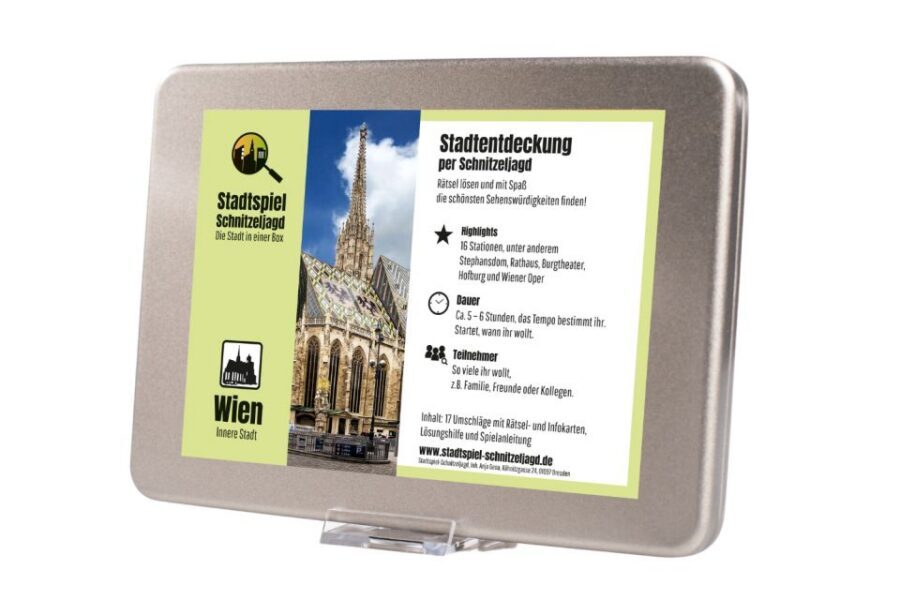
You’ll receive the box by mail and there’s no option to pick it up in Vienna. Shipping takes about:
- 4 working days within Germany
- 5 working days worldwide
The box is shipped at the earliest 2 weeks before your selected date. The hunt itself can be experienced after you receive the box, even if your scheduled time changes.
Practical tip: if you’re arriving in Vienna soon, don’t leave this until the last minute. Plan your shipping buffer so you don’t end up with a box arriving after your sightseeing days.
What to Bring and How to Set Yourself Up for Success
Bring comfortable shoes. This is a walking-based city game, and Vienna’s sidewalks are best enjoyed when your feet are happy.
Also bring the game box with you. There’s no guide to hand off anything at the meeting point, so you’ll start with the materials you received in advance.
You’ll have a meeting point where the hunt begins, but the experience runs without a guide at that location. So your success depends on following the instructions in the box and taking your time to read the directions carefully.
Is It Challenging? The Puzzle Level and Who It Fits Best

The puzzles are solvable and the directions are set up to be clear, which is one reason the experience works well for groups with different comfort levels. If you want a sightseeing day that still has fun mental moments, this is a good match.
That said, if you’re used to very hard puzzle hunts, you might find it less challenging. Some people prefer hunts that are trickier or more “clever” in the clue mechanics, so keep your expectations realistic.
This scavenger hunt fits best for:
- couples, friends, and families who like interactive walking days
- travelers who want structure without a strict tour guide schedule
- visitors who enjoy learning through small facts as they go
- groups that want one shared activity to keep everyone together
Ending Like a Viennese: Sacher Cake and Coffee
The day naturally lands with a classic finish: Viennese Sacher cake and a cup of coffee. Since food isn’t included, treat this as part of your personal plan at the end of the hunt.
This ending works for two reasons. First, it celebrates Vienna’s coffee house culture in a tangible way. Second, it gives you a satisfying reset after hours of walking and solving.
Should You Book This Vienna Scavenger Hunt?
Book it if you want a flexible self-guided walk with structure, learning prompts, and a playful way to cover major sights in the central Vienna core. The envelope format is especially good if you like having a reason to slow down and look closely.
Skip it or think twice if:
- you want a live expert to answer questions on the fly
- you’re traveling with someone who dislikes riddles
- you’re short on time and can’t comfortably wait for box shipping
If you’re looking for a fun way to see Vienna without feeling locked into a tour timetable, this one is a strong value—especially for groups up to 10.
FAQ
Where does the scavenger hunt start?
It starts at St. Stephen’s Cathedral.
Is there a guide at the meeting point?
No. There will be no guide at the meeting point. You start on your own using the scavenger hunt box you received by mail.
How does the scavenger hunt box work?
The box contains 16 sealed, numbered envelopes with riddles, directions, information, and interesting facts. You solve the tasks to figure out where to go next.
Can we take breaks or pause the hunt?
Yes. You can pause the game at any time to take a break or take photos.
Can we spread the scavenger hunt over more than one day?
Yes. You can take a break and continue on another day of your choice.
What sights are included in the route?
You’ll be guided through key places including Graben, Votiv Church, Vienna City Hall, Burgtheater, Heldenplatz, Vienna Hofburg, and Michaelerplatz.
How long does the hunt take?
The duration is listed as 270 minutes. Your actual time may vary depending on how you pace the envelopes and breaks.
What does the price include?
The price includes the scavenger hunt box and the 16 envelopes (plus an emergency envelope with solutions). Food, beverages, entrance fees, and transportation tickets are not included.
How long does shipping take, and can I pick up the box in Vienna?
Shipping takes about 4 working days within Germany and 5 working days worldwide. Pickup in Vienna isn’t possible—it ships to your address.
Can I cancel for a refund?
Yes. You can cancel up to 24 hours in advance for a full refund.
]]>