I especially like that the tour lists admission ticket free, so you avoid surprise add-on costs for the stops in the route. One drawback to keep in mind: private tours live or die by the guide. One past account specifically complained about a guide named Olga for moving too fast and brushing off questions near St. Stephen’s Cathedral.
Key Things You’ll Notice Right Away
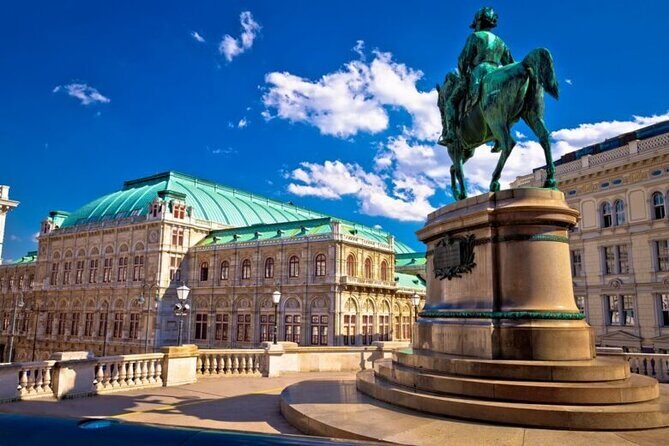
- Meeting at Stephansplatz keeps things simple and central from the start
- Private format means you can ask questions and adjust pace for your group
- Admission ticket free for included stops cuts the usual Vienna sightseeing math
- Pickup offered helps if you want to start without hunting transit connections
- A shortlist of big monuments covers the city’s imperial and religious highlights
Where the Tour Starts: Stephansplatz and a Smooth Way In
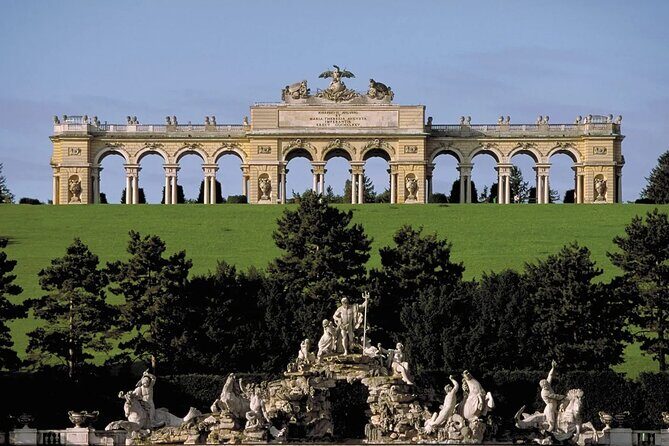
Most Vienna sightseeing starts with a maze of options. This one starts with a clear address: Stephansplatz (1010 Wien). That matters because you’ll spend less time figuring out where you are and more time looking around like a local.
Stephansplatz is also a smart launch pad. You’re in the core of the old city, close to where walking routes naturally “snap” into place. If you’re staying anywhere in central Vienna, you’ll likely find public transport nearby, which helps when you’re juggling luggage, jet lag, or a tight day plan.
And because the tour is private, you won’t be stuck marching at someone else’s speed. If your group has slower walkers, people who want time to read plaques, or you’ve got kids who need breaks, you can usually manage it better than with a big group tour.
A 3-Hour Walk That Actually Fits a Real Day
Three hours sounds short. In practice, that’s the sweet spot for Vienna—just enough time to hit major landmarks without turning your day into a full-time project.
This experience is built as a private tour/activity, meaning only your group participates. That’s a big deal in a place like Vienna where the highlights are popular and lines can eat up your schedule. Even if you still encounter crowds around famous buildings, a guide can keep you moving and pointed the right direction at the right moment.
The tour also uses a mobile ticket, which is handy if you’d rather not print anything. And with confirmation provided at booking, you’re not left guessing on the day-of details.
One more practical note: the format is described as a walking tour, so comfortable shoes are non-negotiable. Vienna rewards slow, but you still need to cover ground.
Historic Centre of Vienna and St. Stephen’s Cathedral: The Heart Beat
The core of the experience centers on Vienna’s most recognizable landmarks. The “must-see” energy starts with the Historic Centre of Vienna, then quickly focuses on St. Stephen’s Cathedral.
St. Stephen’s is more than a pretty postcard. It’s one of those places where the details matter—materials, scale, and the way the building anchors the surrounding streets. If you like architecture, you’ll enjoy how the guide can frame what you’re looking at so it feels less like random decoration and more like intentional design.
It’s also the kind of stop where your questions can shape the experience. A positive account praised a guide named Luis for giving plenty of information about Vienna. A different past account criticized a guide named Olga for dismissing questions about the church and rushing the visit.
So here’s your practical takeaway: if you care about the religious art, the building’s story, or why certain features look the way they do, ask early and ask clearly. If your guide is responsive, this stop becomes a highlight. If you feel shut down, you can at least shift your focus to observing on your own and capturing the views without burning time.
Schönbrunn Palace: Imperial Scale Without the Whole Day Commitment
Vienna’s palaces can eat up a day if you treat them like a standalone excursion. This tour includes Schönbrunn Palace as part of a compact route, which is great if you want the imperial wow-factor but you’re not trying to plan a full separate trip.
Schönbrunn is all about scale and symbolism. Even without spending hours inside museums, you’ll get the palace’s role in Vienna’s identity. The best part of pairing a palace stop with walking time around other major sights is that it lets you connect the dots between power, culture, and the city’s layout.
Since the tour is only about three hours, you should think of Schönbrunn here as a curated highlight moment rather than a full palace deep-dive. That’s not a flaw—it’s the point. You’ll leave with a mental snapshot you can build on later if you want to return.
Also note the tour lists admission ticket free, which suggests you won’t face separate entrance fees for the included stops. That can make the value feel better, especially if you were budgeting separately for palace entry.
Belvedere Palace and the View Factor
Another big name included is Belvedere Palace. This is the kind of stop that rewards your camera, but also rewards your patience. Belvedere is linked to the way Vienna treats beauty like a public resource—meant to be seen from multiple angles.
Even if you’re not an art-nerd, the palace grounds and the city views tend to land well on short itineraries. The guide’s job is to make sure you’re not just standing in one place, looking at one facade. You’ll want at least a couple of viewpoints where the setting clicks and you start to understand the visual logic of the area.
If your group cares most about photos, this is where I’d prioritize having your guide lead you to the best angles and not letting the group wander into the “wrong” side of the view. With a private tour, you can usually steer that plan quickly.
Best Views and How a Guide Improves What You See
Vienna is easy to like, but not always easy to interpret. That’s where a good guide pays off—especially in a short format.
The tour is described as covering important monuments and best views. In practical terms, that means you’re not just moving past landmarks like a checklist. You’re being pointed toward the angles and sight lines that make Vienna feel coherent: how one area frames another, how the skyline and streets work together, and why certain buildings feel so dominant even from a distance.
There’s also a timing element. The experience is about 3 hours, so the guide’s pacing matters. If you’re running into “we’ll stop here for five minutes then sprint” energy, you’ll feel it fast. If your guide slows down when something matters—like a cathedral viewpoint or a palace angle—you’ll feel like you got more than you paid for.
Based on past comments tied to guide names, responsiveness varies. Some guides, like Luis and Mrs. Ritz, were described as very helpful and informative. Another complaint centered on Olga being dismissive and not answering church questions. That tells me you should watch for engagement early.
Price and Value: What $151.26 Buys in Vienna
Let’s talk money without sugarcoating it. At $151.26 per person for about 3 hours, this is not the cheapest way to see Vienna. But private tours can still be good value when they reduce friction.
Here’s what helps this tour’s value story:
- Private format: you’re paying for flexibility, not just a route
- Pickup offered: fewer transit headaches, especially if you start from outside the core
- Admission ticket free: you’re not stacking entry fees on top of the guide fee
- Mobile ticket: small thing, but it keeps the day simple
Also, this is commonly booked about 61 days in advance. If you’re planning in peak season or you want a specific time window, earlier booking can help you avoid late-day scrambling.
If you’re traveling with someone who hates waiting in lines, or your group wants a guided explanation instead of staring at a map, this price can feel fair. If you’re fine exploring solo and you don’t care about interpretation, self-guided might be cheaper. But you’ll trade guidance for cost savings.
Who This Private Vienna Walk Is Best For
This experience fits best if you want a “greatest hits” overview with local context, but you don’t want to spend the whole day on transportation and ticketing.
I’d point you toward it if:
- You’re on a first visit and want top monuments stitched into one plan
- Your group includes different pacing needs and you want a flexible route
- You prefer asking questions instead of reading everything on signs
- You want pickup help and a start anchored at Stephansplatz
It’s also described as most travelers can participate, which suggests it’s not an ultra-technical walking challenge. Still, it’s a walking tour, so stamina matters.
And because service animals are allowed, this is friendlier for some travelers than tours that get strict about pets or animal policies.
Should You Book This Vienna Private Walking Tour?
Yes, if you want a compact, high-impact Vienna overview and you value having someone point out what matters. The combination of major monuments, best-view stops, and admission ticket free makes it easier to budget than many sightseeing days.
I’d book with extra care if your group’s priority is deep historical answers during the cathedral or palace stops. The tour’s private nature is your advantage—so use it. Ask questions early. If you feel your guide is brushing you off, you’ll notice quickly. And if you end up with a guide who engages well—names like Luis and Mrs. Ritz show up in positive feedback—this kind of tour can turn Vienna from pretty to meaningful fast.
If you’re the type who likes structure but still wants room to breathe, this is a strong match.
FAQ
How long is the Vienna private walking tour?
The tour lasts about 3 hours.
Where does the tour start?
The meeting point is Stephansplatz, 1010 Wien, Austria.
Is this tour private?
Yes. It’s a private tour/activity, so only your group participates.
Is pickup included?
Pickup is offered.
Is there an admission fee for the included sights?
The tour information lists admission ticket free for the included stops.
Do I need to print tickets?
No. The tour uses a mobile ticket.
Are service animals allowed?
Yes, service animals are allowed.
What is the cancellation policy?
You can cancel for a full refund up to 24 hours in advance of the experience’s start time.
]]>I especially like how personal it feels for such a short ride. A private professional guide can steer the focus toward what you care about, whether that’s art, architecture, or the Habsburg world. I also like the pace: you see the major sights without spending your whole day in transit and lines.
The one thing to keep in mind is that 3 hours is fast. You’ll get big-view snapshots and a garden walk, but you’re not buying time for long stays or deep museum-level ticket time since entry fees aren’t included.
Key points to know before you go

- Ring Street landmarks with context: Opera House, City Hall, Parliament, Imperial Palace, and more—explained, not just pointed at.
- Schönbrunn Palace area + gardens: enough time to experience the Baroque-style pleasure gardens mood and walk there.
- A real neighborhood detour: you’ll drive by Hundertwasserhaus, the famous apartment building known for breaking straight-line rules.
- Private van comfort: hotel pickup/drop-off plus an air-conditioned Mercedes with a chauffeur to keep the tour moving.
- Guides that make the facts click: past guests praised guides like Horst and Jan for being attentive and easy to learn from.
A 3-hour private van tour: what you actually cover

This is a “get your bearings fast” kind of tour, and that’s a good thing in Vienna. In three hours, you’re not trying to see everything. You’re trying to see the right things in a smart order, so the city makes sense once you step out and keep exploring on your own.
The format is simple: you’re picked up from your hotel, you ride in a private Mercedes van, and you stop/experience key sights along the way. Because it’s private, your guide isn’t juggling a large group’s timing, so the explanations can match your energy level.
If you’re the type who hates sightseeing that feels like a checklist, this tour leans more toward story and design. You’ll learn what you’re looking at while still getting the big Vienna photographs everyone wants.
Hotel pickup and riding in a Mercedes with chauffeur

I like that this experience starts at your door. Hotel pickup and drop-off saves you from the Vienna transportation math, and it’s especially helpful if you’re staying a bit outside the most central areas.
The van is air-conditioned, and you’ll have a chauffeur doing the driving. That matters because Vienna traffic and parking can eat into your time. Here, you stay focused on the sights instead of negotiating streets.
One practical consideration: the tour doesn’t allow luggage or large bags. If you’re arriving mid-trip and you’ve got extra gear, plan to travel light for this day.
Schönbrunn Palace and pleasure gardens: where the Habsburg story starts

A big part of why this tour works is the choice to begin with the Schönbrunn Palace area. It isn’t just about seeing a building. It’s about meeting the Habsburg world and the Baroque-style confidence that shaped how Vienna wanted to look and feel.
You’ll also experience the Baroque pleasure gardens vibe around the palace. The tour includes time for a walk through the gardens, which is a nice break from a purely vehicle-based route. Gardens are where you can slow down, look around, and let the city change gears from street noise to “royal leisure” atmosphere.
What’s valuable here is the way your guide can connect the dots: who the Habsburgs were, why Schönbrunn mattered as a summer home, and how the palace and gardens communicate power without needing to say it out loud.
The trade-off is time. You’ll see and walk, but you’re not doing a long palace interior visit. If you want ticketed time inside specific rooms, you’ll need to plan that separately (entry fees aren’t included).
Vienna Ring Street in motion: Opera, City Hall, Parliament, Imperial Palace
After Schönbrunn, the tour shifts into the heart of Vienna’s iconic “who’s-who” architecture: the Ring Street. This is the grand boulevard packed with landmarks, and the best part of touring it with a guide is the context. Otherwise it can look like pretty buildings in a row. With explanations, it turns into a timeline.
You’ll see major sights such as:
- the Vienna Opera House
- City Hall
- the Austrian Parliament
- the Imperial Palace
- and additional cultural landmarks along the way
Your guide is also there to help you understand what each building represents in Vienna’s public life—culture, government, monarchy—so you’re not just collecting photos.
One smart bonus is that you don’t have to spend the entire time standing on the sidewalk. You drive through the corridor and you get views from the van. That’s a real time-saver on a short tour, and it also keeps your feet from getting angry before lunch.
If you’re also planning other palace visits later—like Belvedere or more time at Schönbrunn—this Ring Street introduction helps you recognize the city’s “why” behind the “wow.”
Hundertwasserhaus: Vienna’s playful break from straight lines

Vienna can be very formal. That’s part of the charm. Then you hit Hundertwasserhaus, and the city reminds you it can be quirky too.
This tour includes driving through neighborhoods to show you the Hundertwasserhaus—designed by an artist known for work that isn’t bound by straight lines. If you’ve seen photos of its colorful irregular style, it’s the kind of place where a guide’s explanation makes the design choices feel intentional rather than random.
Even without a long stop, seeing it on the route is valuable. It gives Vienna more balance. You get the grand civic and imperial look from the Ring, and then you get a contrast: creativity that looks like it grew rather than got planned in a spreadsheet.
The real secret sauce: a private guide who tailors the story
The tour is private, and that’s not just a comfort perk—it’s a learning advantage. Your guide can tailor the tour according to your interests, which is perfect when you care about only a subset of Vienna.
For example:
- If you love architecture, you can spend extra time on what buildings were meant to communicate.
- If you care about art and culture, you can steer the guide toward the creative side of Vienna’s story.
- If you’d rather spend your “walking energy” on gardens instead of dense city streets, you can ask for that rhythm.
Past guest feedback also highlights guides who know how to explain without being stiff. People specifically praised guides like Horst for being wonderful, and Jan for being attentive and genuinely friendly while sharing city history and knowledge.
That combination—good facts and an easy tone—makes a short tour feel longer in the brain. You leave with more than a list of stops.
Timing and pacing: how to keep the 3 hours from feeling rushed
Three hours can feel tight in any city, so this tour’s pacing matters. The structure you can expect is a mix of riding, viewpoint moments, and a garden walk, rather than nonstop standing.
Because entry fees aren’t included, you should assume the plan is mostly sightseeing outside and around key areas. If you’re hoping to do a ticketed interior at multiple places, you’ll likely need a different tour or extra time added on your own.
My practical advice: treat this as your setup day. After the van tour, pick one or two sights you want to see in more detail later, and save the deeper time for those.
Value for money: is $894 per group worth it?
The price is $894 per group, up to 7 people, for a 3-hour private experience. That sounds high until you do the simple math: if you fill the van with 7 people, you’re roughly around $128 per person.
But value isn’t only about dividing the price. It’s about what you buy:
- hotel pickup and drop-off
- a private air-conditioned Mercedes with a chauffeur
- a professional guide who can customize your route within the tour concept
- a tight introduction to Vienna’s biggest landmarks plus the Hundertwasserhaus contrast
- a garden walk in the Schönbrunn area
If you’re a couple or a small group, it can still be worth it if you value convenience and a smarter use of limited time. Vienna is big on wandering, and spending half a day commuting or figuring out routes can be the hidden cost.
If you’re traveling solo with no one to share the group price, this is still a great “first Vienna day” choice, but you may want to weigh it against other options like a smaller-group tour.
Who this tour fits best (and who should choose something else)
This tour is a great match if you:
- want a quick, guided orientation before exploring on your own
- prefer private comfort over crowded group logistics
- love architecture, city planning, and cultural storytelling
- want to see both the grand ceremonial Vienna and a more playful design like Hundertwasserhaus
- don’t want to spend your whole day on public transit
It’s less ideal if you:
- want multiple paid interior visits in one go
- need lots of time for shopping or long café breaks during the tour window
- plan to bring bulky luggage (it isn’t allowed)
Should you book this Vienna Explorer 3-hour highlights van tour?
I’d book it if your top goal is to understand Vienna quickly and get inspired for the next day. The combination of Ring Street landmarks, the Schönbrunn gardens walk, and the switch to Hundertwasserhaus gives you a surprisingly rounded picture of the city for only 3 hours.
You should also feel good about the “people factor.” The strongest praise in guide feedback centers on guides who are attentive, friendly, and clear about history and culture—like Horst and Jan. That’s exactly what you want when time is short.
The main reason not to book is if you’re chasing long interior visits or you’ve got heavy bags and strict packing needs. If you’re flexible and travel light, this is one of the most practical ways to kick off a Vienna stay.
FAQ
How long is the Vienna city highlights van tour?
It’s 3 hours.
Is this a private tour?
Yes, it’s a private group tour.
What is the group size limit?
Due to van seating, it’s a maximum of 7 people.
What’s included in the price?
Hotel pickup and drop-off, a private air-conditioned Mercedes van and chauffeur, and a private professional guide are included.
What is not included?
Food and drinks and entry fees are not included.
Where does the tour start?
It includes pickup from your hotel. You’ll provide your hotel details.
What sights will I see?
You’ll see highlights such as the Ring Street landmarks including the Opera House, City Hall, the Austrian Parliament, and the Imperial Palace, plus the Schönbrunn Palace area and gardens, and you’ll drive by the Hundertwasserhaus.
Are there walking parts?
Yes, there’s a walk through the beautiful gardens in the Schönbrunn area.
What languages is the live guide available in?
The guide is available in English and German.
Are luggage or large bags allowed?
No, luggage or large bags are not allowed.
What’s the cancellation policy?
You can cancel up to 24 hours in advance for a full refund.
Can I book and pay later?
Yes, it’s reserve now & pay later.
]]>This is set up as a “see the city fast, understand what you’re seeing” kind of tour. You’ll ride through Vienna’s key central areas (including the Ring), get guided walkthroughs at major landmarks, and finish with Danube-area highlights and a grand baroque-style finale. If your group has different language comfort levels, ask what language will be used before you lock it in.
Key Highlights at a Glance

- Private door-to-door pickup across Vienna, then a planned route that hits the center fast
- Ring Road focus, with narration that explains what each landmark meant to Vienna
- Short guided stops at major buildings, plus a couple longer looks like Hundertwasserhaus
- Danube segment with viewpoints and architecture stops beyond the classic center
- Up to 6 people means you can keep the conversation tailored to your interests
- AC vehicle + Wi‑Fi + bottled water, so you’re not stuck roasting on a short timeline
A Ring-Road Crash Course in 3 Hours

The real charm of this tour is the balance: it’s not just sightseeing from a bus window. You’re in a private vehicle, so your guide can slow down for what matters to you and steer you toward the right stops as you go. In a tight three-hour window, that matters.
You’ll start where you’re staying in Vienna, then head toward the historic center. From there, the tour leans hard into Vienna’s Ring Road corridor, which is where a lot of the city’s most recognizable power buildings line up like a timeline of empire, culture, and civic identity.
You’ll also get the fun “stretch” beyond the usual center: the Danube area, plus stops like Donauturm and Hundertwasserhaus. That’s a big reason this feels more like a guided city orientation than a checklist tour.
Price and What You Get in a Vienna Private Car Tour

For $695 per group (up to 6 people), the price is less about per-person cost and more about paying for convenience plus real-time guidance. With a private car, hotel pickup, and a certified guide, you’re effectively buying time back—time you’d otherwise spend figuring out transit routes, ticket lines, and what to prioritize.
Here’s how I’d think about value. If you’re traveling as a small group (like 2–6 people), you often come out ahead versus coordinating multiple taxis or DIY train hops plus separate guide time. If you’re solo or a couple, it’s pricier on a per-person basis, but the private format can still be worth it because you can ask questions as you pass each landmark.
Also note the trade-off: because the tour is only three hours, it’s built for breadth and clarity, not deep museum time. Entrance fees aren’t included, so plan to spend time looking and learning at stops, then decide on any inside visits separately.
How Pickup and the 3-Hour Schedule Really Work

Pickup is included from your Vienna address or hotel. You’ll wait in the lobby about 15 minutes before your scheduled time, which keeps things smooth and prevents the classic “everyone is standing outside wondering where the car is” problem.
Once you’re in the car, the rhythm becomes simple: drive the corridor, park or slow down near the sights, then do short guided sections. The itinerary includes a couple of “bus/coach” intervals (around 10 minutes each), which is basically the tour’s way of moving you between clusters efficiently.
Wear comfortable shoes anyway. Even in a car tour, you’ll do enough walking around landmark areas—especially near the historic center and St. Stephen’s Cathedral area—that you’ll be glad you can move easily.
Karlsplatz to Karlskirche: Getting Oriented Fast

The tour begins with a guided stop around Karlsplatz and then heads to Karlskirche. This part is useful because it gives you an early visual anchor: once you understand the skyline and the architectural mood around these areas, the Ring Road later makes more sense.
At Karlskirche, you’ll get the kind of context a guide can explain quickly: what you’re looking at, why it matters, and how it fits into Vienna’s bigger story. This is the moment where the tour earns its “private guide” badge—because without explanation, you’d mainly just be taking photos.
Potential drawback here is tempo. Early stops are short, so if you’re the type who wants to linger for 45 minutes just to absorb one building, you’ll need to adjust expectations. This tour is about seeing the set of highlights and leaving with a workable map in your head.
Schwarzenbergplatz, the Opera Area, and the Ring Road’s Star Power
Next comes Schwarzenbergplatz, then you roll into some of Vienna’s most iconic cultural landmarks: Vienna State Opera and the Augustinian Church.
This stretch is where the Ring Road focus becomes very real. You’re not just driving past buildings—you’re learning how the city’s major institutions look and why they were placed and built where they are. The Ring is often described as a grand stage, but the guide’s job is explaining what that “stage” was for.
At the State Opera area, you’ll get a guided look that helps you understand why this building sits at the cultural center of the city’s identity. Then the Augustinian Church stop adds a different feel—more spiritual and historic—so your mental image of Vienna doesn’t become only “grand facades and monuments.”
From a practical standpoint, this is also a good time to ask your guide what you should pay attention to next. Since you’re already seeing multiple major structures in one flow, your questions tend to make the later stops click faster.
Spanish Riding School, Albertina, and Museum-Block Stops

You’ll pass by or stop near the Spanish Riding School, then Albertina Museum, and continue into the wider Historic Center of Vienna area.
The Spanish Riding School is a classic Vienna symbol, but what makes this stop valuable is that the guide can translate the landmark into an actual sense of place. You’ll hear the kind of story that turns “I saw a famous building” into “I understand what it represents in Vienna.”
The Albertina Museum stop works best if you treat it as orientation. Entrance fees are not included, so you’ll likely get guided viewing and explanation of what the area is known for—rather than a full timed museum visit. If you do want to go inside later, you’ll have a better sense of whether it matches your interests.
This is also one reason I like the private format: if your group has strong preferences (art, architecture, imperial Vienna), you can often guide the guide—asking for more detail at the next museum stop and less at the one after.
Heldenplatz to Hofburg: Where Vienna’s Power Shows
At Heldenplatz, you’ll get a short guided highlight (about 10 minutes), then continue to the Hofburg Palace (also about 10 minutes). These aren’t just random palace stops; they’re central to understanding how Vienna projected authority.
Heldenplatz is the kind of place where the square layout and the surrounding buildings do a lot of storytelling. Hofburg is huge, and a short stop can feel limiting—so here’s the trick: use the guide’s explanation to focus on one or two key aspects rather than trying to memorize everything.
This is one of the best sections for first-time visitors because it gives you a quick framework for the rest of the city. Once you’ve got the idea of imperial planning and ceremonial space, landmarks like the parliament and city hall later stop feeling disconnected.
Civic Vienna: Parliament, Rathausplatz, Burgtheater, and More

The tour continues with Naturhistorisches Museum, Austrian Parliament Building, Rathausplatz, Burgtheater, and Votivkirche.
This stretch is especially helpful if you want to understand Vienna beyond palaces. The parliament and Rathausplatz areas show the civic identity side of the city: public buildings, formality, and the way architecture signals governance and public life.
Burgtheater adds the culture layer—Vienna as a performance capital, not only a ruling capital. And Votivkirche helps pivot your eyes from civic structures back toward religious architecture, so the city feels whole rather than one-note.
A practical note: because multiple big landmarks are packed into a short time, don’t plan to read every plaque or climb for long photo sessions. Instead, pick a few favorites and let your guide’s explanations do the heavy lifting.
From St. Rupert’s to St. Stephen’s Cathedral

You’ll get guided stops at St. Rupert’s Church and then St. Stephen’s Cathedral. This portion is a great contrast because it shifts from grand institutional Vienna to the “old city” atmosphere people associate with walking and lingering.
St. Stephen’s Cathedral is a must-see anchor. In a quick guided look, you’ll get the key context that helps you see more than just the exterior. The guide’s job here is to show you what makes the cathedral important historically and architecturally, and why it’s become one of Vienna’s signature symbols.
If you’re the type who wants more time, this is the stop where you’re most likely to think, I wish we had another hour. The good news is you’ll know what you loved, and you can plan a return on your own later.
Prater and the Danube: Beyond the Classic Center
After the cathedral area, the tour moves toward Prater, then to Danube and the Donau City Church. It also includes The Vienna Donauturm, then Old Danube, and later Hundertwasserhaus.
This segment is smart because it gives you a different Vienna picture. Prater is where the city feels more playful and local, while the Danube stops bring you views and architecture that aren’t the same “Ring Road grand facade” story.
Vienna Donauturm is especially useful as a viewpoint stop, even if you only take in the surroundings from the ground level. It helps you understand the city’s relationship to the river. Then Old Danube and Donau City Church keep the focus on how people live and build along the water.
You’ll also spend about 15 minutes at Hundertwasserhaus. That extra time matters because this building rewards attention. Even in a quick visit, you’ll have enough time to look at details and understand why it’s so associated with an artistic, unconventional Vienna vibe.
Belvedere Palace Area: Ending on a Big Impression
The tour wraps with Belvedere Palace and then returns toward the Historic Center of Vienna for arrival back at your pickup point.
The Belvedere area is a strong ending because it provides that “okay, now I get it” feeling. It’s a landmark people recognize instantly, and your guide can connect it to what came before: imperial planning, cultural ambition, and Vienna’s ability to turn power into art.
Because the tour is only three hours total, think of this as a guided introduction to the Belvedere area. If you want a full inside experience, you’ll likely need a separate visit. But you’ll arrive with better context for what to focus on.
What the Guide Brings (and Why Language Can Make or Break It)
This is a tour where the guide’s explanation is half the product. You’ll have a certified tour guide, and the tour offers multiple languages including Russian, Romanian, German, English, Korean, Spanish, and Portuguese.
Here’s the practical takeaway: confirm language fit with your group. Even a great guide can lose the room if the language level doesn’t match what people can comfortably follow. One review highlighted that the guide was passionate, but the English comprehension in the group didn’t line up well, and that tension showed.
So if your group includes people who speak English comfortably, choose English. If you have mixed language comfort, it can be worth asking whether the guide can comfortably deliver explanations at your group’s level in the selected language. For a short, high-density tour, clarity matters.
Inside Visits vs. Guided Viewing: Entrance Fees Not Included
You’ll get guided touring at many named stops, including major institutions like the Albertina Museum, Kunsthistorisches Museum, Naturhistorisches Museum, and the Belvedere Palace area. However, entrance fees to museums are not included.
What this usually means in practice is that you’ll get guided orientation and narration around what you’re seeing, then you’ll have to decide separately if you want to pay for any inside access. The tour still aims to be useful without entry tickets, but don’t assume you’ll do full museum time during the 3 hours.
If you’re museum-driven, you can treat this tour as your “primer.” You’ll learn what each place represents, then follow up with deeper museum visits on another day.
Comfort and On-the-Road Extras That Actually Help
The vehicle includes air conditioning, Wi‑Fi on board, and bottled water. Those are the kind of small comforts that make a short tour feel smoother, especially if you’re traveling during warm months.
There’s also private transportation throughout and wheelchair accessibility. Because this is private, it’s easier to move at a pace that suits your group rather than syncing with a large bus.
One more detail that matters: you’ll also have skip-ticket-line capability listed. Since entrance fees aren’t included, treat that as a benefit for any parts where you do choose to enter paid attractions.
Who This Vienna Private Tour Is Best For
This tour is a strong fit if you want your first day in Vienna to feel organized and meaningful. It’s ideal for couples and families who want the major sights without sorting transit and without reading every sign alone.
It’s also a good choice if you like a “guided walk, then drive, then guided walk” structure. The tour hits a lot of major architecture in a short time, and you’ll come away with a clearer map of how central Vienna is laid out.
You might want to skip (or upgrade) if you’re a hardcore museum lover. With only three hours, the experience is designed for breadth: seeing many landmark areas and understanding them, not spending long hours inside multiple museums.
Should You Book This 3-Hour Private Vienna Tour?
Book it if you fall into one of these groups:
- You have limited time in Vienna and want a fast, guided highlights route
- You’re traveling with up to 6 people and want a private format with hotel pickup
- You want both the Ring Road highlights and a taste of the Danube area
- You prefer to learn as you go, rather than piecing things together on your own
Think twice if:
- Your group needs slow, detailed museum time (this is a quick-view tour by design)
- Your group’s chosen tour language may be hard to follow for everyone
- You want lots of unstructured wandering without a set sequence
If you book, I’d make one move that pays off: pick your priority landmarks before the tour starts. Then when the car rolls along the Ring Road, your guide can steer the narration to your top interests, and the whole three hours feels way more personal.
FAQ
How many people can join this private Vienna tour?
It’s a private group for up to 6 people.
How long is the tour?
The duration is 3 hours.
Is pickup included?
Yes. Pickup is included from your desired address in Vienna or your hotel.
When should we be ready for pickup?
You should wait in the hotel lobby about 15 minutes before your scheduled pickup time.
Which languages are available for the live guide?
The guide language options include Russian, Romanian, German, English, Korean, Spanish, and Portuguese.
Is the tour wheelchair accessible?
Yes, the tour is listed as wheelchair accessible.
Are museum or attraction entrance fees included?
No. Entrance fees to museums are not included.
What’s included in the vehicle and comfort?
The vehicle includes air conditioning, Wi‑Fi on board, and bottled water.
Do we need to buy tickets in advance?
The tour offers skip-the-ticket-line capability, but entrance fees are not included, so paid entries may require separate tickets.
What’s the cancellation window?
Free cancellation is available up to 24 hours in advance for a full refund.
]]>I like that your guide (Michael) sets a pace that fits your group and keeps the story moving, from grape growing to the old stones you’ll see at the ruin. One thing to keep in mind: even though it’s labeled an easy route, there’s still a 200-meter height difference and it’s a long day overall, so plan for hills and the fact that food and drinks aren’t included.
Key things to know before you go

- Private for your group, even though the transfer is shared
- UNESCO Wachau valley walking from the village of Spitz
- Circular walk with three short ascents, plus viewpoint payoffs
- 200 meters of elevation gain without turning it into a grind
- Hinterhaus ruin (13th century) for the strongest historical scene
- Photo help from Michael, including sharing pics later via Dropbox (when available)
From Am Hauptbahnhof to Spitz: how the day runs

The day starts in Vienna at Am Hauptbahnhof (Am Hbf, 1100 Wien). The start time is 8:00 am, and the activity ends back at the same meeting point. That matters more than it sounds: you skip the stress of figuring out trains or buses when you’re starting in the city.
You’ll use round-trip shared transfer to get out to the Wachau, but the walking part is a private experience for your group, with your local guide on hand. In practice, this is a nice middle ground. You get the simplicity of one pickup point and one return plan, while still getting the attention and flexible pacing that make a private hike feel worth it.
Because the overall duration is listed at about 7 hours, you’re signing up for a full day, not a quick after-breakfast stroll. The hiking portion is around 3 hours, so the extra time is doing what you’d expect: transit, orientation, and time at viewpoints and ruins.
The Wachau UNESCO setting you’ll actually walk through

The Wachau Valley is famous because it looks like the land and the farming practices grew up together. On this tour, you see that right away when the trail leads you from Spitz through terraced areas with grape vines and fruit trees. This is the kind of setting where the view is part geography, part agriculture, part architecture.
What I like about this layout is that it teaches you how to look. You’re not just hiking for cardio. You’re climbing in short bursts, reaching viewpoint points, then moving on through the working valley. That makes the day feel like a guided walk-through of how people shaped the valley over centuries.
Also, Wachau isn’t only scenic. It has strong “human scale” history: small ruins, vineyard edges, and older structures that feel grounded rather than museum-like. This makes it ideal for a private guide, because you can ask questions as you go instead of waiting for a formal talk.
Spitz circular walk: Red Gate views and the 200m climb
The main hike starts at Spitz with a mostly comfortable circular walk. The route includes three short ascents that take you up to viewing points. The elevation gain is listed as 200 meters, and that’s a useful number to remember. It’s not flat-walk easy, but it also isn’t the kind of climb that demands elite conditioning.
The “circular” part means you don’t spend the whole time backtracking. You move through terraced areas, then gradually work your way toward bigger views. For me, the best hikes have a rhythm: climb, pause, look, move again. This route is built around that idea, with the viewpoints acting like checkpoints you actually want to reach.
A key landmark on the walk is the Red Gate, often the moment when you can really grasp how the Danube and the valley line up. The views are described as stretching to Spitz, the Thousand-Year Mountain, the Danube, and the ruin Hinterhaus. Even if you don’t remember every name, you’ll feel the geography: the river corridor, the valley slopes, and how the vineyards step up.
One practical note: since it’s a hike with height change, your comfort depends on your footing. The tour strongly recommends mountain boots, and that’s smart. Shoes with grip matter more on uneven paths than you’d think.
Ruin Hinterhaus: why that 13th-century stop hits

The highlight is the ruin Hinterhaus, described as an adventurous castle from the 13th century. This is the part of the day where the hike turns from “pretty valley walk” into “story you can point to with your hand.”
Ruins are tricky: some are just rocks with a sign. Hinterhaus, from how the day is framed, is different because it’s tied to the viewpoint sequence. You get a line of sight to it from the Red Gate area, then you walk through the vineyards and terraced slopes and eventually reach it. That progression makes the place feel earned.
The ruin is also a good fit for a private guide. You’re not just there to take photos. You can ask how the site relates to the surrounding valley, how old structures sat within farming landscapes, and what the terrain would have meant historically. The pace and safety checks also matter here—if the ground is slick or muddy, a guide who’s watching the trail helps you enjoy the time without constantly thinking about slipping.
If the weather cooperates, this is also the moment where you’ll likely slow down the most. Even if you don’t consider yourself “a ruins person,” this is the stop that turns the whole day into something memorable.
Your guide (Michael): pacing, safety, and real talk about the valley
This kind of private hike lives or dies by the guide. Here, the guide is Michael, and the overall vibe is consistent: thoughtful, prepared, and focused on making sure you get the best parts of the walk.
A few things you’ll benefit from:
- Pace adjustment. The route is set, but the walking rhythm can be tailored for your group.
- Safety awareness. The tour emphasizes staying conscious of conditions, which is especially useful on uneven paths and in changing weather.
- History and practical context. The day isn’t only about what you see. You’ll be able to understand how the valley works, including agriculture.
- Photo support. Michael is described as taking photos of the group and sharing them afterward via Dropbox. If you like a couple solid memory shots without hassling with your camera all day, this is a real perk.
One more detail that matters: the tour can run in rain and adjusts when needed. Umbrellas were provided in wet conditions, which is a good example of how to avoid turning a hike into a miserable soggy experience. Still, you should dress for damp weather because “operates in all weather conditions” usually means you’re outside.
Price and value: what $277.29 gets you in real terms

At $277.29 per person, this isn’t the cheapest way to hike in the Wachau. So let’s talk value in a practical way.
You’re paying for three things:
- A full-day, structured experience with a planned walking route, stops, and guide interpretation.
- Private participation for your group, so you’re not stuck with a fixed pace that doesn’t match your energy level.
- Transport from Vienna with a fixed meeting point and return, which saves time and planning.
The transfer is listed as round-trip shared, which helps keep things from turning into a pure car charter situation. And there’s a group discount option mentioned, which can make it much easier to justify if you’re traveling with friends or family.
If you can only do one hike outside Vienna and you want it guided end to end, the price starts to look more reasonable. If you’re the type who’s happy to navigate independently, you might find cheaper options. But for many people, what you’re really buying is the day feeling smooth: one pickup, one guide, and viewpoints timed so you don’t miss them.
Weather, clothing, and fitness: make it a comfortable win
The tour operates in all weather conditions, with an important safety caveat. If weather becomes dangerous for life and limb, the operator may switch to a different tour on equal terms, or cancel with a full refund.
So your job is simple: dress for the conditions you could get. Rain, wind, and cool temps can all change how enjoyable the hike feels, especially when you’re walking for hours.
Here’s what I’d plan around, based on the info you’re given:
- Moderate physical fitness: the route is described as easy, but the 200-meter climb and 3-hour hiking time mean you should be comfortable on foot.
- Mountain boots strongly recommended for trail traction.
- Bring layers since weather can shift during a hillside walk.
- In winter, additional equipment may be needed (like snow chains or snowshoes), and you’ll be informed accordingly.
- Service animals allowed, and children must be accompanied by an adult.
Also, remember the practical gap: food and drinks aren’t included. You’ll want a snack or a plan to buy something on your own at the end, so you can keep energy up without waiting to see what’s open.
Who this tour is best for (and who should skip it)

This hike is a strong match if you:
- Want UNESCO Wachau views with a clear route and real stop points (Red Gate and Hinterhaus).
- Prefer private guide attention and a pace that can fit your group.
- Like countryside hiking that includes history and how the valley is farmed.
It might be a tough fit if you:
- Hate any sort of uphill, because 200 meters of height difference still adds up.
- Want a low-effort, fully flat nature walk.
- Need food/drinks included as part of the price. You’ll need to handle that yourself.
If you’re traveling with kids, the tour notes that children must be accompanied by an adult. In winter, plan for possible traction gear and extra caution.
Should you book the Private Hiking Tour to Spitz in Wachau?
If your ideal day looks like: Vienna pickup, a guided walk through terraced vineyards, a few “earned” viewpoints, and a 13th-century ruin at the end, this tour is easy to like. The combination of structured route, private pacing, and guide support (including photo help from Michael) makes it feel thoughtfully put together rather than random walking.
I’d book it if you’re okay with a moderate fitness hike and you’re prepared to bring your own snacks and rain-ready layers. I’d skip it if you want zero elevation, a super-short outing, or an all-inclusive food plan.
FAQ
FAQ
How long is the hiking portion?
The hike time is listed as about 3 hours, with an overall day duration of about 7 hours.
Where does the tour start and end?
It starts at Am Hauptbahnhof (Am Hbf, 1100 Wien, Austria) and ends back at the same meeting point.
Is this tour private?
Yes. It’s a private tour/activity, and only your group participates.
What’s the difficulty level?
It’s described as an easy route, but there is a 200-meter difference in height, so you should have moderate physical fitness.
Do I need to bring my own food and drinks?
Food and drinks are not included, so you’ll want to plan for snacks and hydration yourself.
What language is the tour offered in?
The tour is offered in English.
What happens if the weather is bad?
The tour operates in all weather conditions, but if weather becomes dangerous for life and limb, the operator can cancel free of charge or offer a different tour on equal terms.
]]>I especially like the history talk built into each stop, the kind that turns stone-and-statues sights into understandable stories. I also love the practical pace: short viewing windows, photo breaks, and time to stand back and actually look, not just rush through.
One thing to consider: the tour is not a museum-ticket package, so a couple of major sights won’t be covered by your price. Also, private doesn’t automatically mean zero walking, so tell your guide what you can handle.
Key highlights to expect

- Hotel pickup and a private, air-conditioned car that cuts down on transit hassle
- English-speaking certified guide who explains what you’re seeing as you go
- Fast, well-paced stops at Hofburg-area landmarks, Stephansplatz, and the Prater
- Art + architecture mix at Maria-Theresien-Platz and along Vienna’s big civic buildings
- Modern-color contrast at the Hundertwasserhaus area and then classic baroque at Belvedere gardens
- Flexibility for interests and walking needs, when your guide understands your preferences
Why This Vienna Private Car Tour Works So Well in 3 Hours

Vienna is one of those cities where the buildings look like art before you even reach a museum. The trick is getting oriented quickly, without spending your day on buses and trains. This tour is built for exactly that: a tight route, private transport, and a guide who talks while you’re moving between the sights.
I like that the plan doesn’t feel random. You move through areas that visually connect: the Ringstraße grandeur zone near the two museums, the imperial-adjacent squares, then you slide toward the heart of town at Stephansplatz and finish with the park-and-play vibe of the Prater. Even if you’ve been to Vienna before, it’s a nice way to revisit the city with better context.
And because it’s a private group for up to two people, you’re not stuck with the slower pace of a larger bus. If you want a bit more time for a photo, or you want to move along faster, the format supports it.
Getting Picked Up: Door-to-Door Convenience You’ll Actually Feel
Your tour starts with hotel pickup, which is a real time-saver in Vienna’s central districts. You skip the part where you hunt for a meeting point with your luggage and then wait in the wrong spot because the streets look identical from every angle.
Once in the vehicle, you get air-conditioning, bottled water, and WiFi on board. On a warm day, that’s not a “nice-to-have.” It helps you stay comfortable enough to enjoy the walking bits rather than counting minutes until you can cool off again.
The tour also uses a mobile ticket. That matters more than people think, because you’re not trying to find printouts while your guide is trying to keep the schedule working smoothly.
The Hofburg and Maria-Theresien-Platz Zone: Museums, Monuments, and Big-Square Drama

One of the strongest parts of this route is the start around Heldenplatz and the museum area. Heldenplatz is a square with gardens and tall statues, sitting in front of the old imperial palace of the Hofburg. It’s one of those places where you immediately understand why Vienna’s power and culture were historically tied together.
From here, you get introduced to the Kunsthistorisches Museum area. It’s an art museum opened in 1891 near Ringstraße, opposite the Natural History Museum, both facing each other across Maria-Theresien-Platz. If you’ve walked past these buildings before without knowing what you were looking at, this tour helps you see the design logic: the pair of nearly identical museum buildings, with the Empress’s monument centered in the plaza.
What you’ll get from the guide here is not just dates. It’s the framing—how Vienna’s museum culture grew in the same era as its imperial civic identity. And because it’s a car tour with brief stops, you’re seeing the big compositions without spending a full day inside.
Important practical note: museum entrances are not included. So this is about seeing the exterior presence and hearing the story, not doing a full internal museum day. If you want actual time inside a museum, you’ll need to plan that separately.
From Heldenplatz to Parliament and the Rathaus: Vienna’s Civic Face
After the museum-square context, the tour shifts to Vienna’s civic buildings—great for anyone who likes architecture and history without sitting in a lecture hall.
You’ll pass the Austrian Parliament Building, where the National and Federal Councils have met from 1918 to the present day. The guide’s job is to connect the building’s role to what it represents in modern Austria. It’s a smart move because you’re not just seeing a facade—you’re hearing why that facade matters.
Then you get the town hall (Vienna’s Rathaus) on Friedrich-Schmidt-Platz. The building was constructed between 1872 and 1883, and from street level it can feel like Vienna turned city government into theatre. Opposite it is the Burgtheater, and the pairing gives you a quick sense of Vienna’s love of formal institutions with style.
Time-wise, these are short stops, but they work. You get the “wow” first, then the meaning right behind it.
Votivkirche and the Danube Canal: A Quick Reset from Grand Buildings

Vienna can be intense in the most beautiful way. After you’ve been staring at major monuments and civic architecture, you need a breather—something human-scaled.
That’s where the Votivkirche comes in. This Roman Catholic church is in the Alsergrund district next to the University of Vienna. It’s one of those spots where you can look upward and feel the change in atmosphere without leaving the core route.
Then you slowly come toward the Danube Canal. The tour route includes seeing the oldest church in Vienna near the canal area. The specific church name isn’t stated here, but the point is clear: you’re shifting away from palace-and-parliament scale into a more long-lived, older-feeling Vienna.
This portion isn’t about museum tickets. It’s about pacing—turning the grand parade of buildings into a more breathable rhythm.
Stephansplatz Photo Break: Hitting the City Heart Without Getting Lost

Stephansplatz is the heart-of-the-city kind of stop. You’ll have a short photo break here, and that’s exactly right for this tour’s timing. You get the sense of arrival, the main landmark vibes, and a chance to take photos without eating up the hours you’ll need later.
If you’ve never been to Vienna, Stephansplatz is where everything starts to make sense visually. If you have been before, it’s still useful—because a good guide can point out what you missed the first time: how the square sits in the city’s flow and what you’d naturally want to return to.
Prater Park and the 1897 Ferris Wheel: Classic Vienna Fun With Breathing Space
After Stephansplatz, the tour moves to the Prater park area. This is where Vienna shows a more playful side. You’ll spend about time here to take it in, and you’ll spot the giant Ferris wheel from 1897 along with classic rides nearby.
I like this stop because it breaks the pattern. You’re no longer in official building land. You’re in park land, where the city feels less like a monument and more like a lived-in place.
This is also a helpful transition before Hundertwasserhaus and Belvedere, because it resets your eyes. Even a short stop in green space helps when your day is mostly architecture.
Hundertwasserhaus: Colorful Ideas in a Residential Complex
One of the more memorable stops on the route is Hundertwasserhaus, a residential complex built between 1983 and 1985 by the municipality of Vienna. This isn’t a palace you look at from afar. It’s housing—meaning the design is part of daily life.
You’ll get about 30 minutes here, which is plenty for walking around, taking photos, and browsing the souvenir range available in the building. This stop tends to work for people who want at least one “wait, that’s cool” moment in the middle of all the grand architecture.
If you’re the type who likes Vienna when it’s slightly off-script, this is a highlight.
Belvedere Gardens Time: The Baroque Magnets, Without Museum Costs
Belvedere is a baroque-style palace complex. In this tour, you’ll have about 20 minutes in the gardens area. The attraction here is the visual style—baroque drama—without locking you into a longer museum visit.
A key point: admission for Belvedere isn’t included. So treat this stop as a walk-and-look window, not a full palace deep dive. If you want to go inside and spend time at a museum level, you’ll need to plan tickets separately or choose a longer option.
Still, as a final architectural hit for a 3-hour orientation tour, Belvedere gardens make a lot of sense. You leave with the feeling that Vienna’s beauty isn’t just buildings with history—it’s also craft, design, and theatrical composition.
Price and Value: $600.85 for Up to Two People in 3 Hours
At $600.85 per group (up to 2 people), this isn’t a budget tour. But it’s also not “pay a fortune for a quick drive and a shrug.” You’re paying for private transport plus a guide, and that changes what you can realistically do in a short time.
Here’s how I think about value for this kind of private city tour:
- If you’re two people, it can work out to a per-person rate that’s closer to what you might spend on higher-end private experiences—especially when you factor in hotel pickup and the convenience of skipping transit juggling.
- If you’re one person paying the full group rate, you should be honest with yourself about whether you want the private car just for comfort. If you’re fine using transit, you’ll likely find cheaper ways to hit highlights.
Also, the tour duration matters. Three hours is enough for a guided orientation plus multiple sight windows, but not enough to fully enter major museums. If your priority is ticketed time inside palaces or museum galleries, this price is simply buying viewpoint access and context, not an indoor marathon.
Walking, Guide Language, and How to Get What You Want
Private tours can go two ways: either you feel taken care of, or you feel stuck with someone else’s interpretation. The good news here is that guides often tailor the day. One guide (Andrey Zolotov) was specifically described as adjusting the amount of walking to match needs and preferences, which is exactly what you want when you might have mobility limits.
On the other hand, I’d plan for a realistic possibility: guide language clarity can vary. There was at least one experience where communication in English (or the guide’s accent) didn’t work well, and it made the day feel less smooth. If language clarity matters to you, ask directly how the guide communicates in English, and don’t be shy about saying you need a pace you can follow.
One more practical consideration: this is a 3-hour city highlights route. If you’re hoping for a specific outside-the-center stop like Schönbrunn Palace, don’t assume it fits. The information provided with the tour indicates that Schönbrunn would require a longer, extended option. If it’s a must-do, tell your operator up front and confirm the plan before you go.
Who This Tour Fits Best (and Who Might Want Something Different)
This tour is a great match if:
- you want a guided orientation to Vienna in a short time
- you like architecture and landmarks and want the story behind them
- you prefer private transport over figuring out transit
- you want a flexible pace, including adjustments for walking comfort
It may be less ideal if:
- you want lots of museum interior time (entrance fees aren’t included for museum stops)
- you have a strict must-see list that goes outside the city-center highlights
- you’re very sensitive to guide language clarity and want maximum certainty
Should You Book This Vienna Private Car Tour?
If you’re short on time and you want to see a coherent slice of Vienna—imperial squares, civic buildings, the cathedral area, Prater, plus one or two style-change stops like Hundertwasserhaus and Belvedere gardens—then yes, I think this booking makes sense. The combo of hotel pickup, car comfort, WiFi, bottled water, and a guide who explains what you’re seeing is a strong way to start a Vienna visit.
Book it especially if you’ll benefit from personalization, like adjusting walking to your needs, or if you want the day tailored to what you care about most. Just go in with the right expectations: this is not a ticketed museum tour, and it’s designed to be a smart highlights loop in about 3 hours.
FAQ
Is this a private tour?
Yes. It’s a private tour/activity, and only your group participates.
How long is the tour?
It runs about 3 hours.
How much does it cost?
The price is $600.85 per group (up to 2 people).
What languages is the tour offered in?
The tour is offered in English.
Do you get hotel pickup?
Yes. Pickup is offered from your hotel.
What’s included in the tour price?
Included items are an air-conditioned vehicle, WiFi on board, private transportation, bottled water, certified travel guides, and private attention by the tour guides. A mobile ticket is also provided.
Are museum or palace entrance fees included?
No. Museum entrance fees are not included.
Is there a restroom on board?
No restroom on board is listed as not included.
Is the tour wheelchair-accessible?
The information says most travelers can participate, but no specific accessibility details are provided.
Can I cancel for a full refund?
Yes, free cancellation is available up to 24 hours in advance for a full refund.
What’s the best way to make sure the route matches my interests?
If you have a specific must-see that isn’t part of a 3-hour highlights loop, you should confirm the itinerary before going. For example, an extended option is suggested when adding places like Schönbrunn.
]]>Two things I also really appreciate: you get clear commentary through headsets, and the rickshaw setup gives you a strong view forward so you are not stuck peering around awkward angles. The one drawback to plan for is weather limits and potential walking if conditions make the rickshaw impossible.
If you want Vienna’s big-picture highlights with the calm pace of a guided neighborhood walk, this is one of the smartest “see a lot without exhausting yourself” ideas in the city.
Quick Key Takeaways

- RAXI comfort for two adults: shock absorbers, orange canopy, and an easy entry footplate
- Heated blanket for cold weather: battery-powered warmth for both people
- Street-level viewpoints: you ride seated in front with nothing blocking your view
- Architecture-first route options: you can shape the stops around what you care about
- Hundertwasser House included: early ecological design, right in the middle of the city
- Backup plan if weather blocks raxi: similar route via public transport, with some walking
How This Vienna Electric Rickshaw Tour Actually Feels

This is a private 3-hour Vienna tour by electric rickshaw, designed for comfort and for seeing more than you would on foot. Instead of trying to “tick boxes” at speed, you get a guided route that feels smooth and doable, even if you do not want tired legs to be the story of your day.
The ride itself is the core idea. RAXI is an electric pedicab built for two adults, with a setup that stays bike-like rather than turning into a car experience. That matters because it keeps the travel intimate and slow enough to notice details—facades, street rhythms, and how different eras sit next to each other in Vienna.
You also get practical extras that make the experience feel thought through. There is a warm, battery-powered heated blanket for two, plus a larger waterproof picnic blanket for windy or rainy conditions. The guide brings headsets so you can hear clearly without leaning or struggling over noise.
Your RAXI Ride: Comfort, Views, and Small Design Wins

RAXI is set up to solve the usual problems with pedicabs: cramped seating, awkward entry, and heat from the motor. Here, the engine is under the seats, so you do not cook from radiated heat while you sit there with your coffee-vibe posture.
A few design points are quietly important:
- Shock absorbers help on uneven pavement and cobbles.
- An orange canopy gives cover when the weather turns.
- A retractable footplate helps with easy getting in and out.
- There is space to transport two walking sticks or hiking sticks on a special frame.
And you get a big viewpoint advantage. The guide sits behind you, while you sit up front. That means a wide view of what is passing by, instead of your sightline being blocked by the driver’s body or equipment. It is one of those details you only appreciate when you are actually riding.
There are real limits to know before you book:
- The rickshaw can carry max two people with a combined weight under 180 kg.
- Luggage or large bags are not allowed.
- It is not suitable for wheelchair users.
Pick-Up Points That Make Vienna Easier to Start

This tour is built around convenience. You can meet at one of several spots, or choose hotel pick-up when possible. The meeting options are:
- Michaelerplatz
- Café Landtmann
- Reichsbrücke
- Praterstern
- Herrengasse (also near the metro)
If you are arriving by ship, you meet at Reichsbrücke, but you should inform the provider about your landing number. If finding the meeting point sounds annoying, you can ask for help if you have trouble locating it.
What I like about these pick-up choices is that they match how people actually move around Vienna. You can start near transit, near landmarks, or near central cafés. And drop-off is flexible too, with options at Reichsbrücke, Herrengasse, Praterstern, Michaelerplatz, or Café Landtmann.
The First 5 Minutes: Safety Briefing That Keeps It Calm

Before you roll, you get a short 5-minute safety briefing. It is not a lecture. It is the kind of quick orientation that helps you relax fast and stop worrying about how the vehicle handles turns, traffic, or streets.
For a two-person private ride, that matters. You want to spend your energy looking at buildings and canals, not mentally running through what might happen next.
Historic Center of Vienna (2 Hours): Orientation + Architecture That You Can Actually See

This is where the tour builds your bearings. You spend about two hours in Vienna’s historic center, guided and paced so you can take in details without being shoved along.
The value here is not only the landmarks. It is the way the guide links architecture to the story of the city. You also get a guided route that focuses on sights that are often missed when people stick only to the main tourist grid.
Two specific things the experience leans into:
- You get a chance to see an older Gothic residential tower in Vienna, not just Gothic churches.
- You also see modern buildings sitting beside very old architecture, which helps explain how Vienna keeps layering time rather than replacing it.
There is a practical benefit too. When you are on the rickshaw, you can cover more ground than a walking-only tour, but you still move slowly enough to register what you are passing. It feels like a guided walk with wheels.
Potential drawback in the historic center: if you love stopping frequently for photos, this portion can feel a little full. The fix is simple—tell the guide what matters most early so the route timing matches your pace.
Prater (30 Minutes): The Easy Transfer From Majesty to Everyday Vienna

Then you shift to the Prater area for about 30 minutes. This stop works well as a breather. You move from the dense historic core to a more open space where you can reset your eyes and energy.
Prater is also a good place for atmosphere. It is a reminder that Vienna is not only palaces and museums. Even when you are riding past, you can feel the city’s everyday rhythm.
This portion is shorter than the others, so you should treat it as a focused taste rather than a long wander. If your priorities are parks and long photo pauses, you may want to emphasize that during route personalization.
Old Danube and Donau Park (1 Hour Each): Water Edges Without the Fatigue

Next comes the Old Danube and then Donau Park, each guided for about an hour. This is a strong stretch of the tour because it changes the setting. You trade tight streets for waterways and park edges.
The appeal is not just scenery. It is contrast:
- You can compare older city areas with how Vienna shapes space around the Danube system.
- You also get a break from the constant “look up at facades” habit and instead focus on how the city breathes.
A big plus for comfort: you can experience these zones without tired legs, which is the whole point of choosing a two-wheel electric pedicab in the first place. Even if the air feels cool, you are seated, warmed by the gear, and moving along at a gentle pace.
One consideration: park and riverside paths can be windy. The good news is you have a waterproof picnic blanket and the heated blanket, depending on conditions.
Danube Canal (1 Hour): Where Modern and Old Architecture Trade Places

The Danube Canal stop is about one hour, guided. This segment hits one of the tour highlights: the surprise of architecture that spans multiple eras without feeling disconnected.
This is a place where you can see how Vienna’s build-out keeps changing forms while staying recognizable. The canal setting also helps you understand scale—sights that look close on paper can feel large when you are traveling alongside them.
I like this stop because it is not only “pretty views.” It gives you architectural context. When you notice different building styles from the rickshaw seat, it becomes easier to talk about Vienna as a living city rather than a museum.
Hundertwasser House (1 Hour): Eco Design You Can Stand in Front Of

You finish with the Hundertwasser House, guided for about one hour. This is one of the most memorable stops on the route because it is instantly visual and concept-driven. The house is described as the first ecological building in Europe, and that theme matters while you look.
You get time to absorb the idea, not just rush past it. It is the kind of building where the details reward attention: unusual forms, colors, and the sense that the structure is meant to feel alive. The tour timing is long enough to get your head around it before you move on.
If you have limited time in Vienna, this is a strong payoff. And if you already know the name, seeing it in person usually feels different than seeing photos.
Custom Routes Matter More Than You Think
One of the most practical aspects of this tour is the option to personalize the route. If you care more about architecture, tell the guide early and you will likely spend more time where the details are best. If you care more about history, you can steer toward eras and settings that connect the dots.
The guide also explains the route and keeps it flexible. That is especially useful in a city like Vienna, where “what you see” depends heavily on how much walking you want and how much you want to stop.
I also like that this tour is designed to feel comfortable even if you are tired. You are not trying to force a big walking day into a small window. You are trading walking effort for guided riding and smart stops.
Price and Value: Is $182 for a Private RAXI Tour Worth It?
The price is $182 per group up to 2 for about 3 hours. On paper, that is not “cheap.” But here is what you should weigh instead:
- You are paying for a private guide and a custom, guided route.
- You get hotel or meeting point pick-up and drop-off (when possible).
- You receive headsets, a map, and route guidance shaped to your interests.
- You also get comfort gear that you might not feel like buying or packing—especially the battery-powered heated blanket and the waterproof blanket.
For many couples or parent-child duos, that bundle is the value. Instead of spending time and energy figuring out transport, routes, and accessibility on your own, you get a structured experience that focuses on key sights plus the less-touristy corners.
If you are traveling solo, the “per group up to 2” format can still work, but it is best if you can share the rickshaw with a companion. Vienna is easier when you are not splitting time between “walking to the next stop” and “waiting for yourself to catch up.”
Weather Rules and the Public-Transport Plan (What to Expect)
RAXI is weather-dependent, with operating conditions stated as:
- Between +2°C and 30°C
- Maximum wind of 50 km/h
- Very light rain or snow can be possible with a rain cover
There is also a key fallback. If the rickshaw tour is impossible, you can do an almost similar route using public transport, though you will have to walk. In that situation, pickup remains free.
The provider also plans ahead. If weather makes the rickshaw impossible, you get a message 48 hours in advance. If you do not want the public-transport alternative, you can cancel without charge.
Practical tip: pack for cool air even in summer. The heated blanket helps, but wind near water can still feel sharp.
Who This Tour Suits Best
This Vienna RAXI tour is a great fit if:
- you want major sights plus calmer, less touristy streets
- you prefer comfort over long walking
- you care about architecture, design, and how different eras sit together
- you want a private guide who can shape the route
It may not be ideal if:
- you are traveling with a lot of luggage (large bags are not allowed)
- you need wheelchair access
- you expect a very long stop-and-wander at every location without guiding prompts
Should You Book the Vienna RAXI Tour?
Yes, if your goal is to see Vienna’s big highlights while keeping your day comfortable and guided. The mix of Danube Canal + Prater + Old Danube + Donau Park + Hundertwasser House gives you variety that is hard to replicate in a single day without overplanning.
Book it especially if you enjoy architecture and want to understand how Vienna layers modern and old forms. The heated blanket, the headset system, and the smooth ride setup make this one of the smartest options for a “see a lot, feel good” itinerary.
If you hate weather-dependent activities, do read the operating limits carefully. But the backup plan is there, and pickup stays in the equation.
FAQ
How long is the Vienna RAXI tour?
The tour lasts 3 hours.
Is hotel pickup included?
Yes. There is pickup and drop-off included when possible, and there are also several meeting points like Herrengasse, Michaelerplatz, Café Landtmann, Reichsbrücke, and Praterstern.
Can the route be personalized?
Yes. The route can be adjusted based on your interests such as architecture or history.
What happens if weather makes the rickshaw tour impossible?
If the rickshaw can’t run, you can do an almost similar tour using public transport, but you will also have to walk. Pickup from your meeting point or hotel remains free.
Are luggage or large bags allowed?
No. Luggage or large bags are not allowed.
Is the tour wheelchair accessible?
No. The tour is not suitable for wheelchair users.
What languages are the guide tours offered in?
The live tour guide is available in German and English.
]]>I like two things most. First, the cemetery grounds are beautiful in a very Viennese way—wide paths, sculpted headstones, and a sense of calm that’s hard to get anywhere else in the city. Second, the visit to Karl Lueger Memorial Church is a real architectural payoff, because the Art Nouveau details make the whole experience more than just a roll-call of famous burials.
One consideration: the tour isn’t suitable for people with mobility impairments. You’re walking around a large outdoor cemetery for about three hours, so this is best for those who can handle uneven surfaces and steady walking.
Key things you’ll notice on this tour

- Gate 2 entry and skip-the-line means you start smoothly instead of losing time at the entrance
- A guided walk through a cemetery that’s also a park, with paths that feel made for strolling
- Famous residents explained in context, not just names and dates
- Ornate grave design and sculpture that shows how Vienna treated remembrance as art
- Karl Lueger Memorial Church brings Art Nouveau into the story in a very visible way
- Small-group energy comes through in the reviews, which helps you get more out of each stop
Vienna Central Cemetery: a park you can read like a book

Vienna Central Cemetery doesn’t act like a typical cemetery. Yes, it’s a resting place for 3 million people, but the visit format matters: you’re not just looking at stones from a distance. You’re walking through a huge public space where memory, sculpture, and design are all part of the experience.
That’s what I think makes this tour click. You get to see how Vienna’s cultural history shows up in physical form. Famous politicians, architects, composers, actors, singers, writers, engineers, explorers, painters—those categories are broad, and the guide’s job is to pull you from “I recognize that name” into “I understand why this person mattered, and what that mattered looked like.”
And because the grounds are so park-like, the mood stays human. You can admire the ornamentation without feeling rushed or gloomy. Even in colder months, the place has a quiet beauty that you’ll notice as you move along the paths.
How the 3-hour walk actually works on the ground

This experience is built around a 3-hour pace, which is long enough to feel like a proper stroll with stops, but short enough that you won’t spend your whole day just getting through one site. You’ll follow your certified guide through the cemetery’s key areas and focus on the most meaningful visuals and stories, instead of letting the scale overwhelm you.
The timing also matters for your energy. At 3 hours, you’re aiming for steady walking plus enough time at each highlight to look closely at the grave designs. If you like to pause, read details, and take photos, this length usually works better than shorter tours that cram everything into quick stops.
The visit includes a major architectural moment too: Karl Lueger Memorial Church. That changes the feel of the tour. You’re not only studying funerary art; you also get an Art Nouveau structure that makes the cemetery feel like a living museum of Viennese style.
The “wow” factor: ornate graves, sculptures, and real stories

The cemetery’s appeal isn’t only who’s buried there. It’s how the graves look—often dramatic, sometimes imaginative, and always designed to communicate something about identity. As you walk, you’ll see the kind of headstones and sculptures where the craftsmanship is the point, not just the inscription.
This is where I think the guide earns the price. Without interpretation, a cemetery like this can become a scenic blur of stone and metal. With a guide, you learn how to look: what the design choices might be trying to say, and how the people represented fit into the larger cultural picture of Vienna.
You’ll also get more than a quick biography. The tour approach focuses on lives and context—what the cemetery’s famous residents represent and how their stories connect to the city’s artistic and intellectual history. That matters because it turns the visit into a memory you can explain later, not just photos you scroll past.
Karl Lueger Memorial Church and why Art Nouveau feels at home here

The highlight that often steals the show is Karl Lueger Memorial Church. It’s described as a masterpiece of Viennese Art Nouveau, and you’ll feel that as soon as you see it. Art Nouveau has a distinct visual language—curves, decorative energy, and a sense that design is meant to be experienced, not just observed.
In the flow of the tour, the church gives your eyes a reset. You’ve been looking at grave sculpture and monument styles. Then the church appears as a completely different kind of monument: a building that shows how architecture in Vienna could carry identity, emotion, and aesthetics all at once.
If you care about design history, this stop makes the entire tour more satisfying. You finish with a clear Art Nouveau reference point, and it helps you connect the cemetery’s funerary art to the broader Viennese taste for artistic expression.
The guide experience: what Wolfgang’s style tells you to expect

The biggest pattern in the reviews is how strong the guiding feels in real life. One name comes up clearly: Wolfgang. In multiple accounts, he’s described as more than competent—someone who combines factual knowledge with original presentation.
What stands out from the feedback is not just information, but delivery. People specifically note his humor and the way he makes the tour enjoyable even under tricky conditions like frost and heavy snowfall. Another review points to an unusual mix of knowledge with singing and poetic touches, which tells you the guide isn’t reading a script.
One more practical detail you’ll appreciate: the tours are described as small-group. Even if you don’t know the exact headcount, that typically means you can ask questions and actually listen to the guide without constant background noise taking over. In a place with lots to look at, that quality of attention makes a difference.
Price and value: $53 makes sense if you plan it right

The tour costs $53 per person for a 3-hour experience with a certified guide. Transportation to the meeting point is not included. That’s an important point for your budget, because getting to Gate 2 costs time and possibly money.
Still, I think the value is solid. Why? You’re paying for the guide’s interpretation in a cemetery that’s huge enough to swallow casual sightseeing. You’re also getting skip-the-ticket-line, which can save you stress at the entrance. For a site like this, skipping the line isn’t just convenience—it’s time you can spend looking closely instead of standing around.
If you’re coming from the city center by taxi, the info given is that it’s around €15. If you want to spend that money wisely, treat it like part of your arrival plan, not an unplanned expense.
Bottom line: $53 is reasonable when you want more than a walk-through. It’s a guided reading of place, and that’s where the real value shows up.
Getting to Gate 2: tram option and the simple arrival plan

Your meeting point is the entrance to the Vienna Central Cemetery, Gate 2. So you’ll want to build your route around Gate 2 specifically, not just “the cemetery.”
You have two practical routes:
- Public transport: take Tram 71 to Gate 2
- Private vehicle: taxi or car access is possible, with a taxi from the city center around €15
This is the kind of tour where arriving a bit early helps. In cold months especially, you don’t want to be rushing while your group is waiting and you’re still trying to find the right entrance.
Once you’re at Gate 2, the skip-the-line detail helps you start faster. Then the guide can do what you hired them for: point out what to look at, explain what it means, and keep your pace steady for the full 3 hours.
Who should book this Vienna Central Cemetery walking tour

This is a strong match if you want:
- A guided walk that turns famous names and ornate graves into something you understand
- Architecture and design interests, especially Viennese Art Nouveau via Karl Lueger Memorial Church
- A cultural activity that feels calm and reflective rather than rushed sightseeing
- A German-language tour with a live guide, since the tour language is German
It’s not the right fit if you have mobility limitations. The tour is explicitly not suitable for people with mobility impairments, so choose something else if that applies.
Also, if you don’t speak German, you may struggle. The tour is live in German, and the material is the point here.
Should you book this tour?

If you like your Vienna experiences with context—where stories explain what you’re seeing—then yes, I’d book it. The combination of ornate grave sculpture, cultural interpretation, and the Art Nouveau punch of Karl Lueger Memorial Church makes the 3 hours feel purposeful rather than repetitive.
I’d especially recommend it if you’re the type who enjoys looking closely at details and wants a guide to help you read what you see. Between the skip-the-line entry and the consistently praised guide energy (including Wolfgang’s playful, engaging style), this tour has the ingredients that make a cemetery visit feel like a real city experience, not a chore.
FAQ
Where does the tour meet?
The meeting point is the entrance to the Vienna Central Cemetery, Gate 2.
How long is the walking tour?
The tour lasts 3 hours.
What is included in the price?
You get a certified tour guide. The tour also includes skip-the-ticket-line at the cemetery entrance.
What language is the tour guide speaking?
The live tour guide is German.
Is transportation to Gate 2 included?
No. Transportation to the meeting point is not included. A taxi from the city center is listed at around €15, and public transport is possible via Tram 71.
Is the tour suitable for people with mobility impairments?
No. The tour is not suitable for people with mobility impairments.
Is it easy to change plans?
You can cancel up to 24 hours in advance for a full refund, and there’s an option to reserve now & pay later.
]]>Two things I really like: the small group size (up to 18) and the fact that you’re given practical pointers, not just dates. I also like the built-in coffee-house break—it keeps the walk from feeling like a nonstop sprint through monuments.
One consideration: time is short at each highlight, so you’ll mainly see and learn, not linger for long museum visits. If you want deep interiors, you’ll need to plan one or two extra stops after the tour.
Key highlights worth your attention

- Mozart first stop at Mozarthaus Vienna, setting the tone for the whole walk
- St Stephen’s Cathedral for medieval architecture and long-running Vienna importance
- Coffee culture stops including Julius Meinl Am Graben and a break tied to a traditional coffee house
- Habsburg power stops at the Hofburg, Winter Palace area, and key landmarks around it
- Spanish Riding School stable visit to see the famous horses up close
- Grand finale energy ending by the Vienna State Opera
A smart route: small group, big Vienna highlights in 3 hours

This is a 3-hour walking tour built for first-time direction and context. You’re not stuck on a bus, and you’re not trying to cover the city by sheer willpower either. With a group capped at 18 (and commonly small enough for questions), you get the best of both worlds: major sights plus time to ask, without feeling lost in a crowd.
The pacing also matters. Each stop is brief—often around 5 to 20 minutes—so the route works like a guided timeline. You’ll understand why these places matter, which makes it way easier to choose what to do next in Vienna.
And you’ll have tools to keep going after you finish: a printed Vienna information package and a city map. That is handy when you want to follow your guide’s suggestions later, especially for coffee and cake.
Mozarthaus Vienna and St Stephen’s Cathedral: the music-and-medieval combo

You start at Mozarthaus Vienna (Mozart’s apartment site in the city), where you’ll connect Mozart to real locations instead of just hearing names and years. This opening matters because it anchors the rest of the tour. Vienna’s “big” story isn’t only Habsburg politics; it’s also the way the arts grew inside the city’s power structure.
The Mozarthaus stop is listed with free admission, so you’re not just standing outside. It’s the type of start that helps you walk into the next stops with better context, like why people gathered, why patronage mattered, and why Vienna became a magnet for composers.
Then you head to St Stephen’s Cathedral. This stop is all about medieval architecture and the cathedral’s long role in Vienna. In practical terms, it’s one of those landmarks you’ll see again and again later on your own, so learning what you’re looking at early makes future sightseeing faster and more satisfying.
A short note on expectations: your time at each stop is limited. So treat these early minutes as your orientation. If you want more interior time at St Stephen’s or deeper museum exploration at Mozarthaus, plan those for a different moment.
Coffee culture on the move: Demel, Julius Meinl, and Freyung Passage

One thing I love about Vienna is how food shows up in history, not just in modern menus. This tour builds that idea into the route with several quick-but-meaningful stops.
Julius Meinl Am Graben is a big one for that. You’ll learn how Vienna’s long coffee culture started—over 300 years—then you walk away understanding why coffee houses became social hubs, not just caffeine stops. It’s the kind of lesson that makes you notice details when you later sit down in a café.
You also stop in the historic center area near the Saint Peter’s church and a plague column, plus a moment around Demel cake shop. Even if you don’t buy anything, you’ll come away with a sharper sense of how Vienna’s central streets link daily life, religion, and public memory.
Freyung Passage is another fun stop: it’s described as one of the most beautiful passages in the historic center. And it’s where you get pointed toward Café Central, one of those addresses you can build an itinerary around. If you’re the kind of traveler who wants one “perfect pastry and coffee” break, these stops help you pick where to spend it.
Rathaus, Parliament, and the opera corridor of power

As you move deeper into the city’s core, the tour shifts gears toward governing power and public architecture. The route includes the Austrian Parliament building and Vienna’s City Hall area (Rathaus).
At the Austrian Parliament, you’ll see Greek-style design and the Pallas Athene Fountain out front. This is a good moment to pause and look up, because the building details are part of the lesson. You’ll also get a sense of how Vienna projects authority through classical forms—especially important if you’re used to cities that signal power through castles or fortresses.
Then comes Rathaus, with its gothic architecture. In winter, this area often feels like Vienna in postcard mode. Even when you’re not there in the holiday season, Rathaus is still one of the best places to understand the scale of the city’s public spaces. This is also a natural spot for a snack or warm drink, because the surroundings encourage stopping and people-watching.
And then the route points you toward the finale: Vienna State Opera. You’ll admire the building and learn why an emperor was disappointed when he saw it, plus the consequences of that rough criticism. That story angle gives the opera building a pulse. It’s not just a pretty façade; it’s a site where taste, politics, and reputation collided.
Timing tip: if you care about photos, plan for the reality of crowds. Opera-area streets can be busy, and your time there is short. I’d rather have you take 5 good pictures than rush for 25 average ones.
Hofburg and the Winter Palace story: how Habsburgs shaped daily Vienna

The Hofburg stop is where the tour’s big theme clicks: Habsburg influence isn’t only museums and empires; it shaped the physical layout of Vienna. You visit the Winter Palace and residence area dating back to the 13th century, then connect it to major emperors and empresses.
This is the part of the tour that helps you understand why Vienna feels so “ordered” in the center. Power structures left architectural fingerprints. Even if you don’t memorize names, you’ll walk away with a map in your head: the Habsburgs were always close, and their presence shaped what and where people built.
There’s also a stop connected to the nearby museum zone—Kunsthistorisches Museum Vienna—where your guide explains what you can find across 18 museums in and around the winter palace area. That’s smart for planning. Instead of you wandering into museum overload and losing an afternoon, you get a simple framework for choosing what matches your interests.
Practical drawback here: the tour gives you orientation, not a full museum day. So if you’re a “show me the paintings” traveler, you’ll want a second plan. Think of this stop as a promise that you’ll come back with better questions.
Spanish Riding School stables: tradition you can actually see

One of the most satisfying moments on the route is the Spanish Riding School stable visit. The tour emphasizes tradition dating to the 15th century and gives you time to see the horses.
Even with limited time, this kind of stop is worth it because it changes how you imagine the Spanish Riding School. It’s not an abstract tradition anymore; it’s living animals in a historic setting. If you like watching craftsmanship, discipline, and tradition, this is your moment.
You also get a useful comparison in your head: in the same walk you see opera grandeur and parliamentary architecture, then you get horses and stables. Vienna’s culture is not only buildings—it’s also ritual and practice.
If you’re traveling with kids, this stop is often a win because it breaks the pattern of “look at stone, listen to stories.” It gives your feet a different kind of reward.
The Vienna State Opera finish: leaving with a plan, not just photos

The tour ends at the Vienna State Opera, which is a great finish line. It’s central, recognizable, and it naturally tees up what you might do next: opera-adjacent streets, easy transit, and a sense that you’ve reached the most iconic part of the city center.
I like finishing at a place with strong options. If you feel energized, you can keep exploring on foot. If you feel tired, you’re still close to good choices for sitting down—coffee, cake, and dinner plans.
Also, because the walk includes a printed information package and a map, you’re not walking away only with memories. You have a starting point for your next moves.
Practical tips for making this tour feel worth it

Here’s how I’d set yourself up to get the most value from this kind of route.
- Wear shoes you can trust for an old-city surface. This is a walking tour with multiple short stops.
- Bring layers. Even when the sights are indoors-adjacent, the time between stops adds up fast in Vienna’s weather.
- Use your questions. This is a smaller group format designed for interaction, and you’ll get more out of the guide’s stories if you ask what you want to understand next.
- Treat the tour as orientation plus recommendations. The itinerary is packed, and that’s the point. Plan one or two deeper experiences afterward based on what you’re interested in.
About price and value: $66.37 for about 3 hours isn’t a bargain, but it’s not “splurge pricing” either for Vienna. You’re paying for a live guide, a medium-to-small group size that supports questions, plus the coffee-house break, map, and printed package. If you’re comparing it to DIY sightseeing, the value comes from saving time and getting context fast.
Should you book this Mozart, Habsburgs, and highlights walking tour?
Book it if you want a high-impact first look at Vienna—Mozart, Habsburg power, major landmarks, plus coffee culture and a Spanish Riding School horse-stable moment. It’s also a good choice early in your trip, because it helps you decide what to do next without guessing.
Skip it (or plan carefully) if you know you want long museum stays or extended interior time. This route is built for short, story-driven stops, not for sitting in galleries for hours.
If you do book it, I’d recommend showing up ready to walk, asking questions, and using the coffee and landmark moments as anchors for your own next-day itinerary. That’s when this tour turns from a nice overview into a trip-planning advantage.
FAQ
How long is the Vienna highlights walking tour?
It runs for about 3 hours.
Where does the tour start and where does it end?
It starts at Mozarthaus (Mozart apartment), Domgasse 5, 1010 Wien, and ends in front of the Vienna State Opera, Opernring 2, 1010 Wien.
Is the tour in English?
Yes, it is offered in English.
What is the group size?
It is a medium size group with 4 to 18 people, with a maximum of 18 travelers.
Is a coffee break included?
Yes. The tour includes an extra 30-minute break in a traditional Viennese coffee house.
Are museum entrance fees included?
Entrance fees to museums are listed as not included. However, some specific stops on the route are marked with admission ticket free.
What kind of walking fitness level is expected?
The tour recommends travelers have a moderate physical fitness level.
Is there free cancellation?
Yes. Free cancellation is available up to 24 hours in advance for a full refund.
]]>What I really like is the way the guide ties place to story. I love the focus on “how Vienna tells its own history,” from musicians and patrons of music and architecture to the city’s shifting religious and political eras, all while you’re walking past the actual stones. You’ll also appreciate the small-group feel, limited to 10 people, which makes it easier to ask questions and get answers instead of shouting over a crowd.
One consideration: this is a walking tour and it’s not suitable for wheelchair users, so wear supportive shoes and expect uneven old-street surfaces. Also, the tour prohibits recording the guide’s explanations, so bring your notebook (or just your memory muscle).
Key things to know before you go

- First district focus: You’ll concentrate on Vienna’s core while still avoiding the most obvious tourist routes.
- Legend-driven stops: Monster tales connect to real buildings and neighborhoods, including the Legend of Lugeck, Augustine, and Basilisks.
- Deutscher Orden Haus and Mozart’s world: Expect a stop tied to Mozart’s concert-hall connections.
- A Hofburg that feels less touristy: You’ll be guided toward a medieval layer under modern surroundings.
- Re-catholization traces: You’ll hear how religious shifts left architectural marks.
- Small group size (up to 10): Easier pacing, better Q&A, and more personalized attention.
Vienna’s first district, told like a legend (not a lecture)

This tour is built for people who like their cities with characters. Instead of only dating buildings, you’ll hear why certain stories mattered to people living in Vienna, and how myths, monsters, and local lore became a way of explaining big historical change.
You’re walking through the first district, from the Greek Quarter area toward the Hofburg, so you’re close to the landmarks you already know—but you’re also shown the routes that don’t fit neatly into the usual postcard circuits. That’s the big value here: you get variety in a short time without feeling like you’re speed-running Vienna.
Starting at Stubentor: the Dr. Karl Lueger monument meetup

You’ll meet near the Dr. Karl Lueger monument by the Stubentor subway station area. It’s a practical starting point because it’s easy to reach before you start walking deeper into the historic core.
This is also a good moment to settle in for what this tour does best. The guide sets the tone right away with a mix of atmosphere and context, so by the time you reach the medieval streets and courtyards, you’re not just looking—you’re listening for the story behind what you’re seeing.
If you’re picky about pacing, this matters: the tour runs for about 3 hours, so you’ll want to arrive with a bit of energy. The activity itself recommends eating something before you start.
Greek Quarter wandering: Lugeck, Augustine, and basilisk lore

One of the strongest parts of this experience is how the guide uses legends as a map. You’ll hear the Legend of Lugeck, the Legend of Augustine, and stories connected to basilisks—monster tales that sound fun at first, then start making sense as cultural references tied to places in the city.
As you move through winding, lesser-known streets, the stories help you notice details you might otherwise walk right past. You’ll be paying attention to the feel of courtyards, corners, and facades—small spatial clues that explain why a legend could belong to one street and not another.
A small practical note: the legends theme is real here. If you want nonstop dates, you may find you need a second stop afterward for extra historical specifics. Still, the payoff is that the city becomes easier to remember because the stories give your brain something to hold onto.
Mozart’s concert-hall connection at Deutscher Orden Haus

Another highlight is the stop connected to Mozart’s concert-hall world at the Deutscher Orden Haus. The value isn’t only that Mozart is involved—it’s that the tour uses music and patrons of music and architecture as a lens for what you’re seeing.
When you hear how musicians and their supporters shaped Vienna’s public and artistic life, the buildings start to feel like parts of a bigger system. You’re not just seeing impressive architecture; you’re learning how people in different centuries wanted Vienna to look, sound, and symbolize its status.
This also works well for mixed interests. If you came for architecture but also like culture, this is one of the places where both tracks meet.
The medieval Hofburg you might miss on your own

You’ll spend time on the unknown medieval Hofburg, and that phrase matters. Even if you’ve seen photos of the Hofburg complex, it can feel like a single big attraction. This tour reframes it by focusing on older architectural layers and the way medieval structures sit close to newer buildings.
That’s the “how” behind the tour’s off-the-beaten promise. You’re guided to notice the transitions—Gothic to Renaissance to Baroque eras, and then later waves up through modern additions. Even without a museum ticket, you get a sense of how Vienna changed its look over centuries.
If you enjoy “place reading,” you’ll like this part a lot. Seeing the city’s older bones while you’re still in motion is one of the easiest ways to learn, because you keep connecting the story to what’s directly around you.
Gothic to Art Nouveau to modern: architecture as a timeline

The tour is consciously architectural. You’ll pass through traces from the Middle Ages onward, with stops that connect Gothic, Renaissance, and Baroque styles to later eras like Art Nouveau and then to beautiful modern buildings.
The benefit for you is quick clarity. Vienna can feel overwhelming because there’s no single style. Here, the walking route acts like a moving timeline, and the guide helps you understand what you’re looking at without requiring specialist jargon.
In a small group, this kind of architectural attention also works better. You can ask questions as you see something specific, instead of waiting until the end when you’ve already moved on.
Re-catholization traces: history written into buildings

One of the tour’s most interesting themes is the architectural traces of the re-catholization of the Viennese. You don’t just get told that religious changes happened—you get help spotting how those shifts show up in the city’s structure and layout.
This is where the legends-to-architecture link starts to feel practical. Religion, politics, and identity shifts don’t only live in textbooks. In Vienna, they show up in what gets built, preserved, and emphasized across centuries.
You’ll also hear a broader sweep of Vienna’s ups and downs across a long timeline, including the Ottoman Wars era and the end of the Habsburg Monarchy. The tour frames these larger moments in a way that ties back to the streets you’re standing on.
Mark Twain, courtyards, and the kind of Vienna you can’t plan

From the way the tour is described, it clearly isn’t only churches and official buildings. You’ll hear stories connected to musicians and patrons, but you may also get stops tied to literature—such as Mark Twain’s residence—and other local folk legends.
This is one of those “only possible with a guide” advantages. It’s hard to predict where these story-linked places sit, and even harder to know what to look for when you arrive. The guide’s job is to turn random-looking corners into meaningful stops.
You can also expect alleyways and courtyards. Those quieter spaces are where Vienna often feels most intimate, and where the architecture details can be easier to notice. It’s also the part of the tour that makes the 3 hours feel like more than just sightseeing.
How long is enough: the 3-hour pace that works

Three hours is a sweet spot for this kind of walking tour. Long enough to cover a real stretch—Greek Quarter to Hofburg—and short enough that you’re not exhausted by the time you reach the most important areas.
Still, don’t underestimate walking time. You’re moving through older streets, and the tour isn’t built for wheelchair users. You’ll be happiest if you wear comfortable shoes and keep water in mind, especially on warmer days.
Also remember the “no recording” rule. If you like to capture every explanation for later, plan to use notes instead. Bring a small notebook or rely on your phone only for personal photos—just don’t record the guide’s talk.
Languages, group size, and what that means for your experience
The guide offers live tours in English, Italian, and German, with a small group capped at 10 participants. That size matters because it changes the whole experience: the guide can slow down for questions, and you won’t feel like you’re getting rushed past the good parts.
There’s also a practical wrinkle in rare cases: the tour may run in two languages depending on booking circumstances. The details indicate you can’t see which languages are already booked when you browse options. If you want to know the likely language mix at short notice, you can email [email protected] to ask.
From the overall feel of the experience, the guide’s responsiveness is a core strength. If you’re the type who asks why a legend matters or how a building style shifted, you’ll benefit from the Q&A-friendly pacing.
Price and value: is $63 worth 3 hours in Vienna?
At $63 per person for a 3-hour guided walk, the value depends on what you want out of Vienna. If you only want major sights from the outside, you could do that with free wandering. But this tour sells something different: context you can’t easily get on your own in the same time window.
Here’s where the price starts to make sense:
- Small group (up to 10): you’re paying for quality interaction, not just movement across town.
- Focused storytelling: legends like Lugeck, Augustine, and basilisk lore make the route memorable.
- Architecture through multiple eras: you’re given a guided style-and-history thread.
- Targeted stops: including the Deutscher Orden Haus connection and attention to the medieval Hofburg.
If you love architecture and don’t mind a story-driven approach, $63 for 3 hours can feel like a fair deal. If you prefer a pure facts-only walking tour with no legends, you might find the emphasis isn’t exactly your style—though you’ll still come away with more street-level understanding than you’d get from a casual stroll.
Who should book, and who might skip this one
This is a great pick if you want:
- A walking tour that stays in the first district but avoids the most obvious paths
- A guide-led mix of architecture and stories
- Monster legends and cultural lore used as a way to understand the city
It may be less ideal if you:
- Need accessibility support (it’s not suitable for wheelchair users)
- Want nonstop historical dates and little to no storytelling
- Plan to record the guide’s explanations (recording is prohibited)
Should you book Unknown Vienna with RAXI Tours?
I’d book it if you like Vienna best when it feels lived-in—when a city’s myths and buildings talk to each other. The combination of legends (Lugeck, Augustine, basilisk lore), architectural focus from medieval to modern, and stops tied to Mozart and the Hofburg makes this tour a strong “second layer” to any first-time visit.
If your itinerary is tight and you want one guided walk that makes the first district feel readable, this delivers. Just go in with comfortable shoes, an appetite for stories, and the willingness to look closely at details you’d normally miss.
FAQ
How long is the Unknown Vienna guided walking tour?
The tour lasts 3 hours.
Where does the tour start?
You meet around the Dr. Karl Lueger monument near the Stubentor subway station.
Where does the tour end?
The end is listed as In der Burg 1, and the activity description also states that it ends back at the meeting point. Check your confirmation message for the exact end instructions.
How much does it cost?
The price is listed as $63 per person.
What languages are available?
The live tour guide offers English, Italian, and German.
Is the group large?
No, it’s a small group limited to 10 participants.
Can I cancel for a full refund?
Yes. Free cancellation is available up to 24 hours in advance for a full refund.
Can I reserve now and pay later?
Yes, it offers a reserve now and pay later option (pay nothing today).
Is the tour suitable for wheelchair users?
No, it is not suitable for wheelchair users.
Are recordings allowed during the tour?
No. Any recording of the guide’s explanations is strictly prohibited.
Do I need to prepare anything before the tour?
It’s recommended that you eat something before you start and wear comfortable shoes for walking.
]]>If you like moving at an easy, confident pace on safe, well-surfaced routes, you’ll probably have a great time. The tour runs in all weather (rain ponchos are provided), and the group dynamic tends to be upbeat and question-friendly—Horst, Clemens, and Wenke-type energy is common. You’ll spend more time riding than waiting, which is exactly what I want on a first visit.
Key highlights I’d plan around

- Ringstrasse + major imperial facades: see the grand boulevard feel in one compact loop
- Opera House and Rathaus photo moments: you get close enough to actually read the architecture
- Hundertwasserhaus contrast: the weird-and-wonderful apartment look is a real palate cleanser
- Karlskirche’s columns and domes: a classic view stop that feels worth the pedal
- Prater Park and the giant Ferris wheel: end with a memorable landmark, not a generic street photo
- Rain ponchos and all-weather operation: you don’t have to scrap your plans if skies turn
Getting Started at Franz Josefs Kai (and why it matters)

Meet your guide at Franz Josefs Kai 45, 1010 Vienna, near the Schottenring station (subway lines U4 and U2). That location is useful because it puts you right in the action along the river corridor—easy to reach, and it sets you up for a city loop instead of a slow crawl.
Wear comfortable clothes and come ready to pedal. The route is designed for easy riding, and helmets are used for safety. If the weather is wet, you’ll be handed rain ponchos, so you can keep moving instead of turning the tour into a stalled march.
Ringstrasse and the imperial-boulevard feel in one ride

The heart of the tour is the chance to pedal down the Ringstrasse, Vienna’s famous boulevard built around the city’s imperial story. This is the part where the city starts to make more sense. When you’re on a bike, the grand buildings don’t feel like random postcard backdrops. They line up like a timeline as you roll past major institutions.
You’ll ride with stops that let you take photos up close and hear what you’re seeing. Key buildings you’ll run into include the Vienna Opera House, City Hall (Rathaus), and the broader stretch tied to the old power center: Vienna University, the House of Parliament, and the Imperial Palace. Even if you’re not a formal-history person, you’ll come away with a clearer map of how Vienna’s “imperial” look was built to impress.
One practical win: because the tour is well-surfaced and safety-conscious, you’re free to focus on the sights. You’re not fighting broken pavement or unpredictable road sharing for most of the way.
Opera House to Rathaus: Neo-Renaissance and Gothic, right up close

Two of the most satisfying architecture stops are the Vienna Opera House and the Rathaus.
At the Opera, you’ll get the Neo-Renaissance vibe up close. This is the kind of building where details matter—columns, rhythm, and symmetry. From the bike, you’re not stuck across the street. You can actually orient yourself and take a proper look before moving on.
Then comes the Gothic façade of the Rathaus (City Hall). Gothic architecture has a different “voice” than Renaissance styles—more vertical emphasis and a more ornate, dramatic feel. The contrast is one reason I like this tour: you see Vienna’s variety without needing to choose between neighborhoods or spend hours hopping by transit.
If you’re the type who likes architecture photos but hates walking in circles, these stops are timed well for that “see it, understand it, shoot it, move on” rhythm.
Heroes’ Square to Hundertwasserhaus: a serious stop, then color

This tour doesn’t only do marble and statues. You’ll go to Heroes’ Square (Heldenplatz), tied to the Anschluss speech in 1938. That part matters because it anchors Vienna’s story in the political reality of the 1930s—not just the beauty.
At the same time, you’re not left in heaviness. After that, you cycle toward the Hundertwasserhaus, often described as Vienna’s funkiest apartment building. Expect a real visual switch: playful shapes, unusual surfaces, and a vibe that feels almost like the city is winking at you.
I appreciate that the tour holds both tones: serious historical context in one leg, then a creative architectural counterpoint shortly after. It keeps the ride from becoming only solemn or only sightseeing-sugar.
Karlsplatz and Karlskirche: columns, domes, and a great photo pause

On Karlsplatz, you’ll marvel at Karlskirche—especially its columns and domes. This is one of those Vienna scenes where your brain immediately says, yes, I recognize that skyline shape.
Why the bike format works here: you can get your bearings fast, take pictures from more than one angle, and still keep the tour moving. If you’re trying to do Vienna highlights in a short time, this stop is a good “check the box” moment that doesn’t feel cheap.
Also, the pace here tends to feel realistic. You’re not sprinting between sights, but you’re also not stuck idling. That balance is one of the reasons many people rate this kind of tour so highly.
Along the Danube canal: easy pedaling with big-city breathing room

After the central architecture, the ride shifts to something more relaxed: cycling along the banks of the Danube canal, which is a sidearm of the river. This stretch changes the mood. It’s still city sights, but it’s not the same “heavy façade” feeling as the Ringstrasse.
For me, this is where the tour becomes a proper workout without turning into stress. The routes are described as safe and well-surfaced, and the riding style is built for comfortable touring rather than fitness racing.
If you’re traveling with someone who likes to ask questions, this is a good section for that. The bike pace gives you enough time for conversation without everyone feeling like they’re holding up the group.
Prater Park and the giant Ferris wheel finish

The tour ends with a payoff: heading to Prater Park to see the giant Ferris wheel. It’s a classic Vienna scene that feels fun in a way historic palaces sometimes don’t.
Prater also brings a small detail that I love hearing on tours: you’ll learn about why there are trees but no bushes in the park. It’s the kind of fact that sticks because it’s specific and a little quirky—exactly the sort of thing you can’t easily pick up from a quick walk past the gate.
By the time you’re at the Ferris wheel, the whole experience starts to feel complete. You’ve seen the imperial system, the artistic curveball, and now a lively public landmark.
What you’re really paying for: value of bike + guide + time

At $55 per person for 3 hours, this isn’t a bargain price. It’s better to think of it as paying for three things you’d struggle to combine yourself:
- Time efficiency: you hit a chain of major sights in one compact block, instead of spending your day assembling routes.
- A bike that removes friction: Vienna is bike-friendly, but you still have to handle gear, navigation, and comfort.
- A guide who shapes the stops: you’re not just looking; you’re getting context at the right moments.
The value gets stronger if it’s your first day or your only day for classic sights. You get a city orientation fast, and then you can decide what to revisit later on foot or by transit.
Is it worth it if you hate biking? Probably not. But if you’re willing to pedal for three hours and you want a guided overview, this price can feel very fair.
Guides set the tone: energy, humor, and real answers

A big reason this tour shines is how different guides can still feel consistent: energetic, organized, and eager to answer questions.
You might ride with guides like Lisa or Wenke, and the common thread is enthusiasm. Some guides also use humor in a way that keeps the group relaxed even when the content gets serious. Others, like Marco, have a knack for handling sensitive historical topics carefully while still giving you the practical context you came for.
There are also hints from past riders that guides manage mixed groups well—families, different comfort levels, and people who just want to ask one more question before moving on. Even if one section is busy, the goal stays the same: keep everyone moving safely while still feeling included.
Who should book (and who might skip)
This tour is a great fit if you:
- want an active sightseeing option that still feels easy to ride
- like architecture and major landmarks, especially the Ringstrasse stretch
- appreciate guided context but don’t want museum-level time
- are visiting for a short window and want a first-day orientation
It may be less ideal if you:
- want lots of long stops for deep museum time
- dislike biking in general, even at a comfortable pace
- need frequent, long comfort breaks (the tour is timed tight for staying within 3 hours)
If you’re on the fence, consider this: three hours by bike is often the sweet spot between overwhelmed and bored. It gives you motion, context, and a finish at Prater that feels fun.
Should you book Vienna by Bike 3-Hour All-In-One?
I’d book it if you want a “Vienna highlights” day that still feels alive. You get the Ringstrasse imperial boulevard experience, two of Vienna’s signature architecture styles at the Opera and Rathaus, the contrast of Hundertwasserhaus, the Karlskirche skyline moment, and a satisfying ending at Prater’s Ferris wheel—without spending your whole day planning routes.
Skip it only if biking is a deal-breaker for you or if you’re craving long, slow museum time. If you want a practical, guided way to see a lot with minimal fuss, this one is built for that.
FAQ
How long is the Vienna by Bike tour?
The tour lasts 3 hours.
What language is the tour in?
The tour is English.
Where do I meet the guide?
Meet your guide at Franz Josefs Kai 45, 1010 Vienna. The nearest subway is Schottenring on U4 and U2.
Does the tour run in bad weather?
Yes. It operates in all weather conditions, and rain ponchos are provided if it’s wet.
What should I wear or bring?
Bring comfortable clothes. You’ll be riding on city bikes for the duration.
Can I cancel and get a refund?
Yes. You can cancel up to 24 hours in advance for a full refund.
]]>I also like that you’re not just riding around. You get a live, licensed tour guide who ties the buildings to the stories behind them, from the grand imperial era to what you’ll see along the water. One possible drawback: this tour runs in all weather, so plan for rain. Ponchos can be purchased, but if it’s pouring, you’ll feel it.
Key Points Before You Ride

- Vienna State Opera start point at Bösendorferstraße 5 for an easy kickoff
- Ringstraße orientation with Parliament, Burgtheater, and Rathaus in one loop
- Imperial core stops including Hofburg and Heldenplatz
- Stephansplatz view where St. Stephen’s Cathedral dominates the skyline
- Hundertwasserhaus plus the Donau Canal for color and a calmer pace away from traffic
- Licensed guide in English, German, and Dutch with lots of on-the-road context
Why This 3-Hour Vienna Bike Tour Gets You Oriented Fast

A good Vienna day has two parts: big sights, then breathing room. This tour is built for the first part. In three hours, you move across the city center, hit the imperial zone, and finish up along the Donau Canal where the views feel more open and less frantic.
The other reason it works is the pacing. Vienna is big, and on foot you can burn time just finding your way between highlights. Here, you cover more ground while staying on bike-friendly routes, so you spend your energy on sights, not stairs and crosswalk hunting.
Bösendorferstraße 5 Check-In: Bikes, ID, and the “Let’s Go” Moment

The tour meets at Bösendorferstraße 5, 1010 Vienna and returns there too. It’s a straightforward start, which matters when you’re trying to plan a first-day schedule. Bike rental is included, so you’re not tracking down rental shops or figuring out helmets and gears before you even learn the city.
Bring a passport or ID card. That’s a small thing, but it saves time if you’re juggling travel documents.
Also note the rules: children under 12 can’t join, so this is mainly an adults-and-teens outing. If you’re traveling with younger kids, you’ll need a different plan for that morning or afternoon.
Ringstraße Highlights: Opera, Parliament, Burgtheater, and Rathaus

From the start, the vibe is classic Vienna. You’re in the area of the Vienna State Opera, and it sets the tone: grand facades, ceremonial streets, and that sense that the city was planned to impress.
As you ride along the Ringstraße, you pass a sequence of big-name buildings that guidebooks love for a reason. You’ll see the Austrian Parliament Building and the Rathaus (town hall), both tied to the way Vienna frames civic power in stone and symmetry. On this stretch you’ll also pass Burgtheater, which helps connect Vienna’s cultural identity to its political one.
What I like about this segment for your first time in Vienna: you get orientation. The Ringstraße is one of those places where everything looks important, but it’s hard to know why. A licensed guide can make the buildings feel less like random landmarks and more like a story line.
Stephansplatz and the Imperial Center: St. Stephen’s, Hofburg, and Heldenplatz

Then the tour pulls you into the first district. This is the part where Vienna feels most “postcard,” because the architecture is so concentrated.
You’ll ride toward St. Stephen’s Cathedral, rising impressively above Stephansplatz. Even if you’ve seen photos, it hits differently in person at street level. You’re close enough to notice scale and detail, and you’re positioned well for quick photo moments without needing museum-level patience.
From there, the route continues into the imperial orbit with the Hofburg Imperial Palace and Heldenplatz. This is where the stories get more interesting. Vienna’s rulers shaped the city, and the buildings in this zone are the physical reminders of that. The guide’s job is to translate the “who, when, and why” so it doesn’t just become a parade of impressive walls.
A small practical note: this central area can feel busy on bikes, but the tour is planned to use bike paths and less congested roads. That’s a big deal for comfort, because Vienna’s center can be chaotic on foot.
Hundertwasserhaus: A Color Break from the Monuments

After the royal and cathedral-heavy stretch, you’ll stop at the Hundertwasserhaus. This is the kind of stop that gives your brain a reset. Instead of going bigger and more formal, the building goes playful and unusual—exactly what you want after absorbing so many grand landmarks back-to-back.
Why this stop matters for your overall day: it prevents the tour from feeling like one long loop of “same style, different facade.” The Hundertwasserhaus adds personality, and it gives you a different angle on what Vienna can be beyond emperor-era perfection.
Donau Canal Riding: Urania, Stadtpark, and Karlsplatz to Karlskirche

Now you move toward the water, and that’s where the tour starts to feel calmer. You ride along the Donau Canal, which changes the rhythm of the day. The air feels different when you’re not fully surrounded by traffic and tight streets.
You’ll pass Urania, then continue through Stadtpark. That sequence helps you see Vienna as both a city of monuments and a city with proper green space and promenades. It’s also a nice change after the dense architecture of the center.
Next comes Karlsplatz and Karlskirche (Church of St. Charles Borromeo). This part is great if you like big visual moments. Karlskirche has a strong presence, and the approach from the bike route gives you a useful “arrival perspective” instead of just a distant view.
When you reach the end of this stretch, you return back toward the starting point. The route is looped in a way that keeps you from feeling like you’re crossing the same neighborhoods twice.
How the Ride Really Feels: Safety, Pace, and Photo Timing

This is the kind of bike tour that tries to make Vienna feel manageable. The route uses bike paths and less congested roads, which keeps you out of the worst bottlenecks. It also means the ride tends to feel smoother, so you can focus on the sights rather than white-knuckling your way through traffic.
The pace is guided, not a race. People have praised the guides for keeping everyone comfortable and safe, with a steady rhythm that lets you actually enjoy the stops. If you’re the kind of person who likes to take a moment and look up, you’ll appreciate that the tour includes photo stops along the way.
One thing to consider: if you care deeply about photos, pay attention to how often you’re able to step aside. Some riders have wished for slightly more photo time. That doesn’t ruin the tour, but it’s worth knowing so you can plan your expectations.
And yes, weather can change the vibe fast. This tour runs in all weather conditions. Rain ponchos can be purchased, and the guide may offer options to return to base or continue if conditions worsen. Still, bring your attitude. On a rainy day, you’ll need to lean into the moment instead of treating it like a sightseeing “bonus.”
Guides Make the Difference: Storytelling, Humor, and Local Tips

The guides seem to be the real engine behind the high ratings. Across different departures, the standout pattern is this: the tour doesn’t just list buildings; it explains what they mean, with humor and real-world context.
For example, Horst has been praised for deep knowledge paired with engaging storytelling, plus a careful sense of safety. Ute has been noted for being witty and attentive, with solid recommendations for where to eat and drink. Max has received praise for a route that blends core sights with smaller stops that people might miss on their own.
You may also get strong local-style recommendations from other guides like Natalie, Renata, Barbara, Peter, or Marco, who are repeatedly described as energetic, informative, and willing to share practical suggestions. If you’re the type of traveler who likes to build a short list of “where to go next,” this tour is a great way to do it.
Price and Value: Is $72 a Fair Deal for 3 Hours?

At $72 per person for a 3-hour guided bike tour, the value comes down to one question: are you buying time back and a better explanation?
Here’s the practical side. Bike rental is included, and you’re paying for a licensed guide who handles the route planning and delivers context while you ride. If you tried to do this on your own, you’d need a bike rental, you’d have to map a safe route through the city center, and you’d still spend time figuring out what you’re actually looking at.
You’re also getting a strong spread: State Opera area, Ringstraße civic buildings, St. Stephen’s Cathedral, Hofburg and Heldenplatz, a stop at Hundertwasserhaus, and then the Donau Canal with Urania, Stadtpark, and Karlskirche. That’s a lot of ground for three hours, especially when the route is designed to reduce congestion.
If you want the best ROI, book this early in your trip. Use it as a planning tool for the rest of your Vienna days.
Who Should Book This Bike Tour (and Who Might Skip It)
This tour is a strong fit if you want:
- A fast first-pass introduction to Vienna’s most important sights
- A guided ride that connects buildings to stories
- An efficient way to see both the city center and the Donau Canal
It may be less ideal if:
- You don’t enjoy riding a bike in city traffic-adjacent areas, even when routes are designed to be quieter
- Weather is a big deal for you and you strongly prefer to travel only in perfect conditions
- You want long, unhurried sightseeing at each landmark (this is a tour, not a slow crawl)
For couples, solo travelers, and people who want to hit highlights without overthinking logistics, it’s a very workable choice. For families, the age rule (no children under 12) will steer you toward other options.
Should You Book Classic Vienna: 3-Hour Guided Bike Tour?
I’d book it if you’re trying to make your Vienna time count. The route hits the big names—State Opera, St. Stephen’s Cathedral, Hofburg, Heldenplatz—and then adds variety with Hundertwasserhaus and a calmer Donau Canal finish. You get a licensed guide, plus bike rental, which removes a lot of friction from “seeing the city by bike.”
Before you commit, consider two practical points. First, you’re riding in all weather, so dress for the forecast and bring patience for the day’s conditions. Second, if you’re picky about photo time, be ready for quick stops rather than long hangs at every spot.
If you want an efficient, story-driven intro that sets you up to explore the rest of Vienna with confidence, this is a smart move.
FAQ
Where does the bike tour start and end?
The tour starts and ends at Bösendorferstraße 5, 1010 Vienna.
How long is the tour?
The duration is 3 hours.
What’s included in the price?
Bike rental and a tour guide are included.
What languages are available for the guide?
The tour guide is available in English, German, and Dutch.
Do I need to bring ID, and is it suitable for kids?
You should bring a passport or ID card, and children under 12 cannot participate.
Does the tour run in rain, and can I cancel if plans change?
The tour runs in all weather conditions, and rain ponchos can be purchased. You can cancel up to 24 hours in advance for a full refund.
]]>